Snoring Treatment in China: Costs, Top Clinics, and Realistic Options
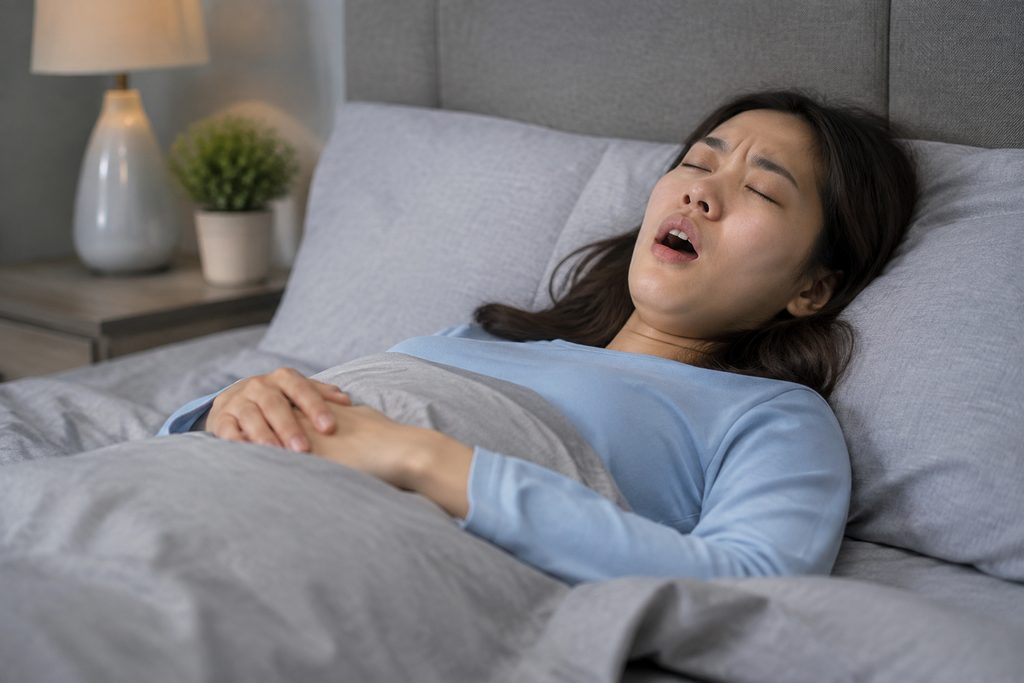
When 42-year-old Michael from Manchester realized his snoring had stopped being a joke in his marriage, he had two numbers on his mind: the £4,500 quote from a private London clinic, and the 14-hour flight to Shanghai. He was not alone. Hundreds of patients contact us each year with the same question — what does snoring treatment cost China, and is it worth the trip? The short answer is yes, treatment is available, and prices typically run 60–75% below Western private rates. But the full answer depends on what is actually causing the snoring.
Snoring is not one disease. It can be nasal, palatal, tongue-based, or a symptom of obstructive sleep apnea (OSA). Treating the wrong layer wastes money. That is why we always start with a proper sleep study and airway evaluation before discussing any procedure.
Snoring Treatment in China: The Short Answer
Yes, you can get snoring treatment in China. Public and private hospitals in Beijing, Shanghai, and Guangzhou offer the full range of interventions — from radiofrequency ablation and pillar implants to uvulopalatopharyngoplasty (UPPP) and CPAP titration. A typical snoring treatment cost China ranges from $800 for a minor laser procedure to $6,000 for multi-level surgery. The same procedures in the US or UK often cost three to five times more.
But here is the caveat. You cannot simply book a surgery slot from overseas and show up. Top-tier public hospitals require an in-person consultation first. Private international hospitals offer more scheduling flexibility, but at roughly double the public price. Planning matters.
Who This Is Right For — and Who It Isn’t
Snoring treatment in China makes the most sense for a specific profile of patient. Here is who typically benefits:
- Patients with confirmed OSA (AHI above 15) who have failed CPAP and want a surgical consult.
- People with clear anatomical obstruction — large tonsils, deviated septum, elongated soft palate — confirmed by ENT exam.
- Self-paying international patients who want to combine treatment with a business trip or family visit.
- Patients who have already had a sleep study at home and can bring the raw data.
And honestly, here is who should not fly to China for snoring treatment:
- Mild, occasional snoring with no daytime symptoms. You probably need positional therapy or weight management, not surgery.
- Unstable cardiac or respiratory disease that makes general anesthesia risky.
- Anyone expecting a guaranteed cure. No ethical surgeon promises that. Success rates for UPPP hover around 50–60% for complete resolution, though most patients report meaningful improvement.
- Patients unwilling to stay 7–10 days for evaluation, procedure, and early follow-up.
The Options, Compared
Snoring treatment is not one-size-fits-all. The table below reflects realistic ranges we see across top-ranked hospitals and private international facilities in China.
| Treatment | What It Does | Typical Cost in China (USD) | Recovery | Best For |
|---|---|---|---|---|
| Laser-assisted uvulopalatoplasty (LAUP) | Shortens soft palate with laser | $800–$2,000 | 3–5 days | Mild palatal snoring |
| Radiofrequency ablation (RFA) | Shrinks soft palate or turbinates | $1,200–$2,500 | 2–4 days | Mild-to-moderate snoring |
| Pillar implants | Stiffens soft palate with inserts | $1,500–$3,000 | 1–2 days | Simple palatal snoring, no OSA |
| Septoplasty + turbinate reduction | Opens nasal airway | $2,000–$4,500 | 7–10 days | Nasal obstruction |
| UPPP (multi-level surgery) | Removes tonsils, reshapes palate | $3,500–$6,000 | 2–3 weeks | Moderate-to-severe OSA |
If your snoring is purely palatal and you have no apnea, a laser or RFA procedure at a private clinic in Shanghai might be all you need. If you have OSA with an AHI over 30, you need a proper surgical consultation — and that is where a top ENT department in a public hospital becomes the better value.
Is Snoring Surgery Safe in China? What the Data Shows
This is the question behind the question. Safety depends less on the country and more on the specific hospital, the surgeon’s volume, and the anesthesia team. China’s top ENT departments perform enormous volumes. A single high-volume department in Shanghai may complete more UPPP procedures in a month than a typical Western hospital does in a year. Volume builds competence.
That said, you must choose carefully. The gap between a Fudan-ranked ENT department and an unaccredited cosmetic clinic is vast. We only work with hospitals that appear on the Fudan Hospital Rankings or hold JCI accreditation. You can browse our specialty department rankings to see which ENT and sleep medicine programs rank among China’s top 10.
For foreign patients, the safest route is usually the hospital’s international medical department. These units handle overseas patients daily. They provide English-speaking coordinators, faster scheduling, and clearer billing. The trade-off is cost — expect to pay 1.5 to 2 times the standard public rate. For a UPPP, that means roughly $5,000–$8,000 instead of $3,500–$6,000.
Best Snoring Clinic Shanghai vs. Beijing: A Practical Comparison
Patients often ask us to choose between the two cities. The honest answer: both are excellent, but they suit different needs.
Shanghai has a deeper bench of private international hospitals. If you want English-speaking staff, direct insurance billing, and a Western-style experience, Shanghai is the easier city. Facilities like Jiahui and United Family run dedicated ENT and sleep services. A best snoring clinic Shanghai search will surface several JCI-accredited options where you can book a consultation online before flying.
Beijing, by contrast, has the strongest public hospital concentration. Peking Union Medical College Hospital and Beijing Tongren Hospital both run renowned ENT departments. If your case is complex — severe OSA, prior failed surgery, anatomical abnormalities — Beijing’s public academic hospitals offer the deepest expertise. But you will need a bilingual companion to navigate registration, payment, and follow-up. That is exactly the gap we fill.
So the decision is not Shanghai versus Beijing in the abstract. It is private convenience versus public depth.
How to Stop Snoring Surgery China: The Realistic Pathway
Let us walk through what actually happens if you decide to pursue how to stop snoring surgery China.
Step one is remote evaluation. You send us your existing sleep study, ENT examination records, and a short video of your snoring pattern. Our partner ENT specialists review the materials and give you a written opinion. This costs $300–$500 and tells you whether surgery is even indicated. Many patients discover they do not need surgery at all — a mandibular advancement device or positional therapy would work just as well.
Step two is the in-person consultation. You fly to China, meet the surgeon, and undergo any additional testing — typically a drug-induced sleep endoscopy (DISE) to pinpoint the obstruction site. This is the single most valuable test for surgical planning. Not every clinic offers it. The ones that do tend to have better outcomes.
Step three is the procedure itself. Minor procedures like RFA or pillar implants take under an hour. A UPPP takes 60–90 minutes under general anesthesia. You stay in the hospital for 1–3 nights depending on the extent of surgery.
Step four is early recovery in China. We recommend staying 7–10 days total. The surgeon will want to see you at least once before you fly home. Long-haul flights immediately after airway surgery are uncomfortable and, in rare cases, risky. Give yourself the full window.
Snoring Laser Treatment Price China and Other Cost Drivers
Let us get specific about money, because that is what most readers actually want to know.
A snoring laser treatment price China typically falls between $800 and $2,000 at a private clinic. At a public hospital’s international department, expect $1,200–$2,500. The variance comes from three things: the laser technology used (CO2 versus diode), whether the procedure is done under local or general anesthesia, and the hospital tier.
For comparison, the same laser procedure in the UK costs £2,500–£4,500. In the US, $3,000–$6,000. Even at China’s higher private rates, you are saving 50% or more — and that is before factoring in the cost of waiting.
What is not included in the procedure price? Your sleep study (if done in China, $300–$600), the DISE evaluation ($500–$1,000), medications, and any extended hospital stay beyond the standard package. Also, airfare and accommodation. A realistic all-in budget for laser treatment, including flights and a week in Shanghai, runs $3,500–$5,000. For UPPP surgery, budget $7,000–$10,000 all-in.
Practical Considerations: Visas, Records, and Follow-Up
For medical treatment in China, you will need an S2 visa, which covers short-term private affairs including medical care. Your hospital will issue an invitation letter and treatment confirmation to support the application. Family members accompanying you also apply for S2 visas. Processing typically takes 1–2 weeks, so plan accordingly.
Bring everything. Your raw sleep study data (not just the summary), any CT or MRI imaging of the airway, a list of current medications, and a letter from your home physician summarizing your history. Chinese ENT surgeons are thorough, but they cannot review what you do not bring.
Payment at public hospitals is upfront. You pay a deposit, and the balance is settled before discharge. Most international departments accept major credit cards and international bank transfers. Private international hospitals often bill your insurer directly — check with your provider before you travel.
Follow-up after you return home is the weak point of any cross-border treatment. You will not have the surgeon down the road. Mitigate this by asking for a written discharge summary, a medication plan, and a video follow-up appointment 4–6 weeks after surgery. Most top Chinese ENT departments now offer this routinely.
Frequently Asked Questions
You can book a consultation slot, but not a surgery date. Chinese public hospitals require an in-person evaluation before scheduling any procedure. Private international hospitals in Beijing may allow you to book snoring treatment Beijing packages remotely, but the surgeon will still want to see you first. Anyone promising a confirmed surgery date before you land is not being honest with you.
At top-tier hospitals, yes. The risk profile is comparable to any developed country. The key is choosing a hospital with high procedure volume, modern anesthesia monitoring, and an international patient department. Avoid small cosmetic clinics that advertise snoring treatment as a side service. Stick to ENT departments at Fudan-ranked or JCI-accredited facilities.
That is a real possibility, and you should hear it plainly. UPPP success rates for complete snoring resolution are roughly 50–60%. Many patients improve but do not stop snoring entirely. Some need a second procedure or CPAP afterward. Before you spend thousands on surgery, get a clear-eyed assessment of your likely outcome. A written second opinion is the cheapest insurance you can buy.
If you have any signs of sleep apnea — daytime sleepiness, morning headaches, witnessed breathing pauses — then yes, absolutely. Operating on the palate of an undiagnosed OSA patient can make apnea worse by altering airway dynamics. A home sleep study is inexpensive and can be done before you travel. Bring the raw data.
Plan for 7–10 days. That covers the consultation, any additional testing, the procedure, and at least one post-operative check. For minor laser procedures, 5 days can work. For UPPP, do not cut it shorter than 7 days. Flying long-haul with a swollen airway is miserable and potentially dangerous.
Your Next Step
Snoring treatment in China is real, affordable, and accessible — but only if you match the right procedure to the right hospital. That is where we come in. We are not a hospital, and we do not diagnose or treat anything. What we do is connect you with the right ENT specialists, handle the scheduling and language barriers, and make sure you understand exactly what you are paying for before you commit.
If you are considering snoring treatment in China, start with a written second opinion. Send us your sleep study and records. Our partner specialists will tell you honestly whether surgery is indicated, which procedure fits your anatomy, and what a realistic outcome looks like. Visit our consultation page to begin. No pressure, no obligation — just a clear-eyed look at your options.
For more medical information and treatment options in China, visit chinamedservices.com (China Medical Services).
