Complex Hand Injury in Shanghai: Sixth Hand Surgery Options
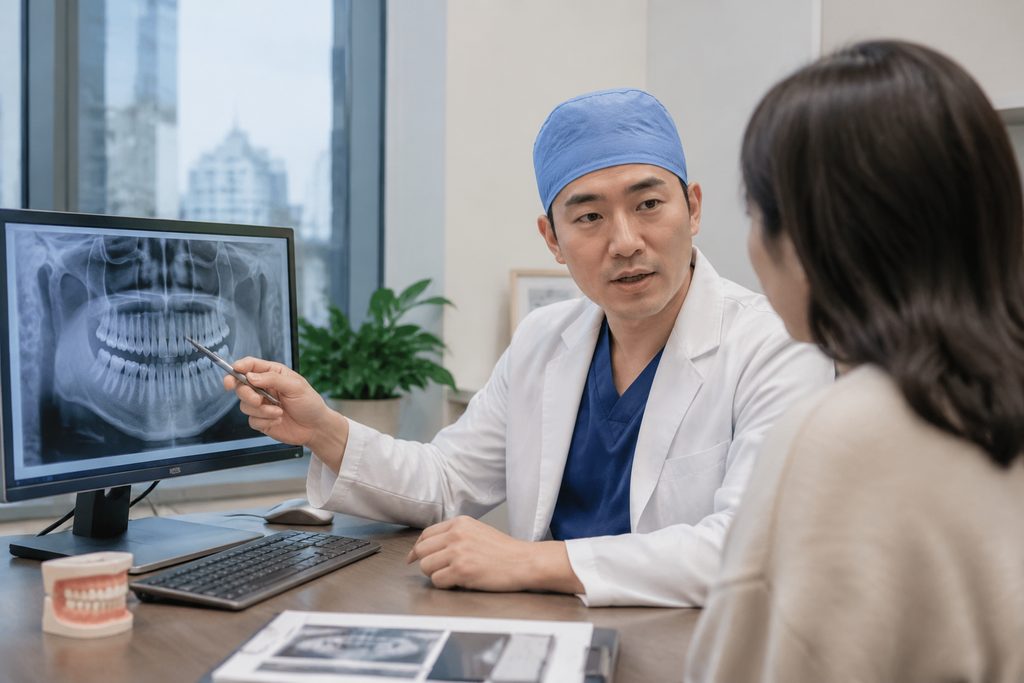
While a patient in the UK waits a median of 18 weeks for hand and wrist surgery, Shanghai’s orthopedic units handle complex reconstructive hand cases within days of a confirmed surgical plan. The city is home to 18 hospitals on the Fudan Top 100 list, several with dedicated hand and microsurgery departments. For international patients, that gap between waiting and operating is often the whole point.
Complex Hand Injury Surgery Cost Shanghai: The Short Answer
Complex hand injury surgery cost Shanghai typically runs $8,000 to $25,000 at top-tier public hospitals, and $30,000 to $60,000 at private international facilities. That range covers tendon repair, nerve grafting, vascularized bone flaps, and staged reconstruction. It varies by hospital, the number of surgical stages, and how much microsurgery is involved.
The one-line answer is simple. The reality behind it is not. Hand reconstruction is rarely one operation. A severe crush injury or a tendon avulsion may need two or three procedures spaced weeks apart, plus months of hand therapy. Anyone quoting you a single flat price without seeing your imaging is guessing.
Who This Is Right For — and Who It Isn’t
Shanghai’s hand surgery units are strong in microsurgery, tendon reconstruction, and post-traumatic deformity correction. But they are not the right answer for every case.
Typically a good fit:
- Post-traumatic injuries needing microsurgical reconstruction — tendon grafts, nerve repair, free flaps
- Failed prior surgeries where a second or third opinion is needed
- Patients facing long waits at home for non-emergency hand reconstruction
- Those with a clear diagnosis and imaging already in hand
- Patients comfortable with a staged treatment plan over weeks or months
Probably not the right fit:
- Acute open fractures or active infections — these need emergency care wherever you are
- Anyone who cannot travel for medical reasons
- Patients expecting a single surgery and a quick flight home
- Cases where the injury is stable and local care is genuinely accessible and affordable
Being honest about that second list matters. Flying across the world for a hand procedure only makes sense when the clinical case supports it.
The Options, Compared
Here is how the realistic alternatives stack up for an international patient weighing complex hand reconstruction.
| Option | Typical Cost (USD) | Wait Time | Language Support | Best For |
|---|---|---|---|---|
| Top public hospital, Shanghai | $8,000–$25,000 | Days to 2 weeks after plan confirmed | Limited; interpreter needed | Complex microsurgery, cost-sensitive patients |
| Private international hospital, Shanghai | $30,000–$60,000 | 1–3 weeks | Full English service | Patients wanting Western-style care and direct billing |
| Public hospital, home country | $15,000–$60,000+ (varies by insurance) | Weeks to months | Native language | Simple cases, strong local coverage |
| Private hospital, US or Western Europe | $40,000–$120,000+ | 2–8 weeks | Native language | Patients prioritizing continuity over cost |
Which column suits you depends on one question: how complex is your case? A single tendon repair at a Shanghai public hospital is straightforward and inexpensive. A multi-stage free flap reconstruction with nerve grafting is a different animal — and that is where the top public units earn their reputation. Patients who want English-speaking staff and direct insurance billing often choose the private tier instead, and pay roughly double for the comfort.
Is Hand Reconstruction Surgery Safe in China?
This is the question that stops people mid-search. And it deserves a straight answer rather than a sales pitch.
China’s top hand and microsurgery departments perform high volumes of reconstructive procedures, and volume correlates with outcomes in microsurgery. The Fudan Hospital Rankings evaluate hospitals across 45 specialties, including orthopedics, and the top-ranked institutions are concentrated in major cities. Shanghai alone has 18 hospitals on the Fudan Top 100 list. These are not fringe facilities.
What international patients should understand is the structure of the system. Public hospitals are enormous — some see tens of thousands of outpatients daily. You cannot simply book a specialist online the way you would at home. For a surgical case, the standard path is an in-person consultation first, then scheduling. To lock in a specialist and a surgical slot ahead of travel, patients typically go through a hospital’s international or VIP channel, which costs roughly 1.5 to 2 times the standard fee.
So is it safe? At the top tier, the surgical capability is real and well-documented. The variable is everything around the operation: communication, coordination, and rehabilitation. That is where the experience succeeds or falls apart.
How Long Is Recovery After Complex Hand Injury Surgery?
Recovery timelines depend on what was repaired. Tendon and nerve healing follows biology, not ambition.
- Weeks 1–2: Immobilization. Wound checks. Sutures out around day 10–14.
- Weeks 3–6: Controlled mobilization begins under a hand therapist. Tendon gliding starts here.
- Months 2–3: Strengthening phase. Grip and pinch return partially.
- Months 4–12: Functional recovery continues. Nerve regeneration, when involved, can take a year or more.
Nerve injuries are the long tail. A repaired digital nerve regrows at roughly one millimeter per day, so sensation may not return for many months. Patients planning a short trip should know this: the surgery may be done in a week, but recovery is measured in seasons.
How to Book Hand Surgery in Shanghai for International Patients
This is the part that trips people up, so let’s be concrete.
You cannot book a public hospital specialist directly from overseas the way you’d book a private clinic. The system does not work that way. What you can do is start with a remote evaluation. Send your imaging, operative notes, and history to the relevant specialty. A written second opinion or video consultation lets a Chinese surgical team assess whether your case is operable, what it would involve, and roughly what it costs — before you buy a plane ticket.
If the plan looks feasible, the next step is coordination: registration, a hospital medical card, and an appointment through the international or VIP channel. Admission and scheduling remain subject to hospital rules, and no service can guarantee a specific surgeon or date. What good coordination does is remove the friction — the language barrier, the paperwork, the queueing — so you arrive with a plan rather than a hope.
For a broader look at how hospital selection works across specialties, see our guide to China’s top-ranked departments by specialty. Shanghai-specific hospital options are grouped on the Shanghai city page.
Practical Considerations: Records, Visas, and Payment
Three logistics decide whether a trip like this goes smoothly.
Records. Bring everything: MRI and CT images on disc, not just reports. Operative notes from prior surgeries. A clear timeline of the injury and any previous treatment. Chinese specialists read imaging directly, and missing films mean repeat scans.
Visa. International patients traveling for medical treatment use the S2 visa, which covers short-stay medical and private affairs. Stays beyond 180 days fall under S1. Accompanying family members apply for S2 as well. Note that the M visa is for commercial and trade activities only — it is not a medical visa, despite what some outdated pages claim. Always confirm current requirements with the nearest Chinese embassy or consulate, and expect to submit supporting hospital documents.
Payment. Public hospitals require prepayment, with insurance reimbursement handled afterward in your home country. Private international hospitals often bill insurers directly. Budget for the surgical fee, hospital stay, medications, and hand therapy as separate line items.
On the ground, the language gap is real. Top Chinese hospitals are vast, and wayfinding, registration, and payment all happen in Chinese. A bilingual medical companion can handle queueing, registration, payment, and translation so you are not navigating a 10,000-patient campus alone.
Frequently Asked Questions
Yes, but not unaided. Public hospitals operate almost entirely in Chinese, and the sheer scale of these facilities makes self-navigation difficult. Private international hospitals offer English-speaking staff and are easier to manage independently. For public hospitals, most international patients use an interpreter or a bilingual companion service for registration, consultations, and follow-up.
At top public hospitals, complex hand reconstruction typically runs $8,000 to $25,000. Comparable procedures in the US often exceed $40,000 and can reach six figures for multi-stage microsurgery. Private international hospitals in Shanghai sit between the two, at roughly $30,000 to $60,000. Final pricing depends on the number of stages and case complexity, so treat any figure as an estimate until a surgeon reviews your records.
This is a legitimate concern and worth planning for. Before traveling, ask your Shanghai surgeon for complete operative records, imaging, and a written post-operative protocol in English. Arrange a hand therapist and a local physician in advance. Complications like infection, tendon rupture, or stiffness are uncommon but possible, and having a clear handoff document makes local follow-up far easier.
Medical treatment falls under the S2 visa category for short stays, with S1 for stays over 180 days. The M visa is for business and trade and does not apply to medical care. Requirements change, so verify with your nearest Chinese embassy or consulate and prepare supporting documents from the treating hospital.
Your Next Step
The takeaway is this: Shanghai’s top hospitals offer genuine microsurgical capability at a fraction of Western costs, but the system rewards preparation over improvisation. Get a remote evaluation first, understand the staging, and only then commit to travel.
We are China Medical Services — a coordination service, not a hospital. We do not diagnose or treat. What we do is connect you with the right specialty, arrange written second opinions or video consultations, and handle the logistics once a plan is in place. If you are weighing options for a complex hand injury, start with a free consultation at our patient services page and we will help you map the path forward.
This article is for general information only and is not medical advice. Treatment decisions should always be made with a qualified physician who has reviewed your individual case.
For more medical information and treatment options in China, visit chinamedservices.com (China Medical Services).
