Why Dental Tourism Costs Less in China: The Value Explained
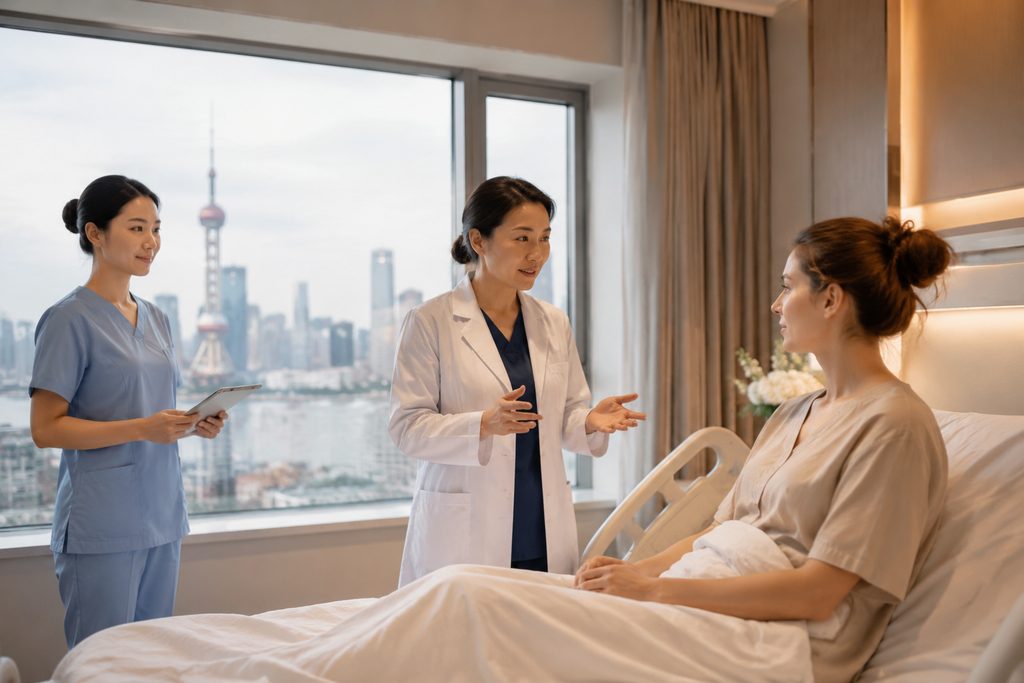
While a single dental implant in the United States averages between $3,000 and $6,000 per tooth, the same procedure at a top-tier Chinese dental hospital typically ranges from $600 to $1,500. That gap isn’t a sign of lower quality. It’s a structural difference in how healthcare is priced, staffed, and delivered. The real question isn’t whether the price difference exists—it’s what you’re actually getting for the lower number.
Why Dental Tourism Costs Less in China: The Short Answer
The dental implant cost China vs USA gap comes down to three factors: lower labor costs for highly trained clinicians, cheaper facility overhead, and a high-volume clinical model. A prosthodontist in Shanghai earns a fraction of what a comparable specialist earns in Los Angeles or New York, even after accounting for identical training standards and imported implant systems. That’s the core of it. But the caveat matters: you’re not buying the same *service wrapper*. You’re buying the clinical procedure itself, often with less hand-holding, shorter consultation windows, and a system built for throughput rather than leisurely patient experience.
So the value proposition is real, but it’s specific. You save money on the dentistry. You trade away some of the conveniences Western private practices bundle into their fees.
Who This Is Right For — and Who It Isn’t
Dental tourism in China works well for a particular kind of patient. Not everyone should book a flight for a crown.
Good candidates typically include:
- Patients needing multiple units of work — full arch restorations, 6+ veneers, or several implants — where the savings justify the travel cost.
- People with clear diagnostic records: recent X-rays, CBCT scans, and a treatment plan from a home dentist.
- Those comfortable with structured, time-boxed appointments rather than open-ended consultations.
- Expats or business travelers already visiting China who want to bundle dental work into an existing trip.
Who should think twice? If you need a single filling, the math doesn’t work. If you have active periodontal disease, uncontrolled diabetes, or a complex medical history requiring close coordination with your home physician, staying local is safer. And if you need extensive aftercare over many months — orthodontics, for example — the follow-up logistics get complicated. Bone grafting with delayed implant placement also requires two separate trips, which eats into the savings.
Be honest about which category you’re in. The savings are real only when the total cost of travel, accommodation, and follow-up still lands well below your home quote.
The Options, Compared
Not all dental care in China is the same. The country has three distinct tiers, and the price difference between them is significant. Here’s how they stack up for a single titanium implant with a zirconia crown:
| Facility Type | Single Implant + Crown (USD) | Language Support | Insurance Billing | Typical Patient |
|---|---|---|---|---|
| Public hospital dental dept. (top-tier, e.g., Peking University School of Stomatology) | $600–$1,200 | Limited; bring a companion | Rarely direct | Budget-focused, medically complex cases |
| Private Chinese dental chain (Arrail, iByer, etc.) | $800–$1,500 | Some English in major cities | Sometimes | Good balance of price and convenience |
| International/JCI-accredited clinic (United Family, Jiahui, Parkway, Raffles) | $1,800–$3,000 | Fully English-speaking | Direct billing common | Expats, insurance holders, high-service expectations |
The public hospital tier is where the dramatic savings live. A full mouth restoration price Shanghai at a public teaching hospital might run $8,000–$15,000 for what costs $40,000–$60,000 in the US. But you’ll navigate Chinese-language registration systems and share the clinic floor with hundreds of local patients daily. The international clinics cost more — sometimes approaching Western prices — but they handle everything in English and bill your insurer directly.
Most medical travelers land in the middle tier: private Chinese chains with some English capability and prices roughly 50–70% below US benchmarks. It’s the practical sweet spot.
Why Is Dental Work Cheaper in China: The Structural Breakdown
This is the section that answers the deeper question. Why is dental work cheaper in China when the implant systems — Straumann, Nobel Biocare, Osstem — are the same brands used in Boston or Berlin?
Labor is the biggest factor. A senior oral surgeon in a Chinese public hospital earns roughly $30,000–$60,000 annually. A comparable US oral surgeon bills $300,000–$500,000. That’s a 10x difference in the single largest cost input. Chinese clinicians also train in high-volume environments: a prosthodontics resident at Shanghai Ninth People’s Hospital places more implants in one year than many Western dentists place in five. Volume drives skill, and skill at volume drives efficiency.
Facility costs differ too. Commercial real estate in Shanghai’s medical districts costs less per square meter than Manhattan or San Francisco. Malpractice insurance premiums are a fraction of US rates. And the supply chain — many implant components are manufactured in Asia — shortens the markup chain.
But there’s a less comfortable truth: Chinese public hospitals run on volume. A consultation that might take 45 minutes in a US private practice gets 10–15 minutes in a Chinese public clinic. The dentist’s time is cheaper because it’s allocated differently. You get excellent technical work. You get less conversational bedside manner. That’s the trade.
Is Dental Tourism in China Safe: What the Data Shows
Is dental tourism in China safe? The honest answer is: it depends on where you go and how you prepare. The top tier of Chinese dental hospitals — the stomatology departments of major university hospitals — publish outcomes in peer-reviewed journals and use the same implant systems, sterilization protocols, and digital planning software as Western teaching hospitals. Infection control in these facilities is generally rigorous. The Chinese Stomatological Association maintains accreditation standards, and JCI-accredited international clinics follow Western protocols to the letter.
What creates risk is the unregulated bottom tier. Small storefront clinics with no academic affiliation, no international accreditation, and prices that seem too good to be true — they usually are. A $300 implant is not a bargain. It’s a gamble on materials, sterilization, and surgical skill.
Your safety margin comes from choosing a hospital with verifiable credentials. The Fudan-ranked top hospitals include several with world-class stomatology departments. Peking University School of Stomatology and Shanghai Ninth People’s Hospital are widely regarded as the country’s two strongest dental institutions. Both treat international patients, though language support varies.
And here’s a consideration many patients miss: the planning is where complications are prevented. A CBCT scan, careful implant positioning, and proper crown fit matter more than the brand of implant. Top Chinese hospitals do this well. Question is whether you can communicate clearly enough to ensure it happens for your case.
What It Costs: Real Numbers for Common Procedures
Let’s get specific. These are typical out-of-pocket ranges for international patients at mid-tier and top-tier facilities in Beijing and Shanghai, in USD:
- Single dental implant (titanium, including abutment and zirconia crown): $600–$1,500
- Porcelain veneer (per tooth): $200–$500
- All-ceramic crown (per tooth): $150–$400
- Full mouth restoration (All-on-4 or All-on-6, per arch): $4,000–$8,000
- Root canal + crown (molar): $300–$700
- Professional cleaning + whitening: $100–$300
How much can you save on veneers in China? If a US cosmetic dentist quotes $1,800–$2,500 per veneer, the same porcelain work at a Shanghai private clinic runs $200–$500. For eight veneers, that’s a difference of roughly $12,000–$18,000. Even after a $2,000 flight and two weeks of accommodation, you’re ahead by $8,000 or more.
What’s typically not included: the initial consultation fee (usually $20–$50 at public hospitals, $100–$300 at international clinics), CBCT imaging ($50–$150), and any bone grafting or sinus lift procedures ($300–$1,000 per site). Ask for a written treatment plan with all line items before you commit. Reputable clinics provide this without hesitation.
Practical Considerations: Records, Visas, and Follow-Up
Dental work in China requires the same logistical discipline as any medical travel. The specifics matter.
Records first. Bring recent panoramic X-rays and, ideally, a CBCT scan on a USB drive. Bring your home dentist’s treatment plan. Chinese clinicians will do their own imaging, but your baseline records help them understand the history. If you’re mid-treatment elsewhere, bring a detailed note explaining what’s been done and what remains.
Visa category. For medical treatment in China, the applicable short-stay visa is the S2 visa, which covers private affairs including medical treatment. It’s issued at Chinese embassies and consulates, typically requiring an invitation letter or supporting documents from the receiving hospital. The M visa is for commercial and trade activities — it is not the right category for dental treatment. Processing takes 4–10 business days depending on your location. We always advise confirming current requirements with your nearest Chinese embassy before booking flights.
Timing. A single implant with good bone quality can be completed in 5–7 days: consultation and CBCT on day one, surgery on day two or three, and a temporary crown before you leave. The permanent crown is placed 3–6 months later, after osseointegration. That means either a second trip or having the final crown placed by your home dentist using the abutment already installed in China. Discuss this sequencing before you commit.
Payment. Public hospitals require prepayment at each visit — cash, Chinese debit cards, or major credit cards (UnionPay is ubiquitous; Visa and Mastercard work at larger facilities). International clinics accept international cards and often bill insurers directly. US dental insurance rarely covers treatment abroad, but some international health plans do. Check your policy.
Language. This is the friction point most patients underestimate. At public hospitals, registration desks, nurses, and even some junior dentists speak minimal English. A bilingual medical companion handles registration, payment queues, and translation during consultations — the difference between a smooth visit and a frustrating one. At international clinics, you’ll rarely need this. At public hospitals, you’ll feel the absence immediately.
After you return home. Have a local dentist lined up for follow-up. Implant complications are rare — success rates at top Chinese hospitals run 95–98% at five years, comparable to Western benchmarks — but if something does go wrong, you want a local provider who can assess the work. Most Western dentists will happily take over maintenance of work done abroad, though some may be reluctant to warranty someone else’s implant. Ask before you leave.
Frequently Asked Questions
The implant systems are identical — Straumann, Nobel Biocare, and Osstem are the dominant brands in both markets. The difference is the clinician’s training volume and the facility’s protocols. Top Chinese dental hospitals use the same digital planning and sterile surgical techniques as Western teaching hospitals. The risk lies in choosing an unaccredited low-cost clinic, not in the Chinese system as a whole.
A full arch restoration (All-on-4 or All-on-6) at a Shanghai private dental chain typically runs $4,000–$8,000 per arch, compared with $20,000–$30,000 per arch in the US. Total savings for both arches: $30,000–$50,000. Even after travel and accommodation, most patients save 60–70%. The full mouth restoration price Shanghai varies significantly by implant brand and whether bone grafting is required.
Implant failure rates at top Chinese hospitals run 2–5% at five years, in line with global benchmarks. If a problem does occur — crown fracture, peri-implantitis, abutment loosening — you have options. Most issues can be treated by a local dentist. For warranty claims on the implant system itself, manufacturer warranties are global and honored regardless of where the implant was placed. The practical challenge is coordinating records between your Chinese clinician and home dentist, which is why we recommend getting a complete written treatment summary and digital records before you leave.
You’ll typically need an S2 visa, which covers short-term private affairs including medical treatment. Supporting documents from the receiving hospital — a treatment invitation or appointment confirmation — strengthen the application. The M visa is for commercial and trade purposes and is not appropriate for medical travel. Requirements change periodically, so confirm with the Chinese embassy or consulate in your country before booking.
For English-speaking care and direct insurance billing, the international clinics — United Family, Jiahui, Parkway, and Raffles — are the most comfortable options in Beijing. They cost more than public hospitals but less than comparable Western private practices. For complex restorative or surgical work at lower cost, the stomatology departments at Peking University School of Stomatology and Beijing’s top public hospitals offer excellent clinical quality, though language support is limited. The Beijing hospital guide breaks down the differences in more detail.
Your Next Step
The value of dental tourism in China is real, but it’s not automatic. You need the right hospital, the right records, and a clear understanding of what you’re trading away. We help international patients navigate that process — matching your case to appropriate dental departments, coordinating appointments, and providing bilingual support on the ground. We are not a hospital, and we don’t diagnose or treat. What we do is make the logistics manageable so you can make a clear-eyed decision.
If you’re comparing quotes and wondering whether the savings hold up for your specific case, start with a free consultation. Tell us what you need, and we’ll help you figure out whether China makes sense for you. No pressure, no obligation — just straight answers.
Dental work in China can save you tens of thousands of dollars. But only if you choose the right provider and plan the logistics carefully. That’s the whole game.
For more medical information and treatment options in China, visit chinamedservices.com (China Medical Services).
