How Does a Doctor Consultation Work in China? A Guide for Foreigners
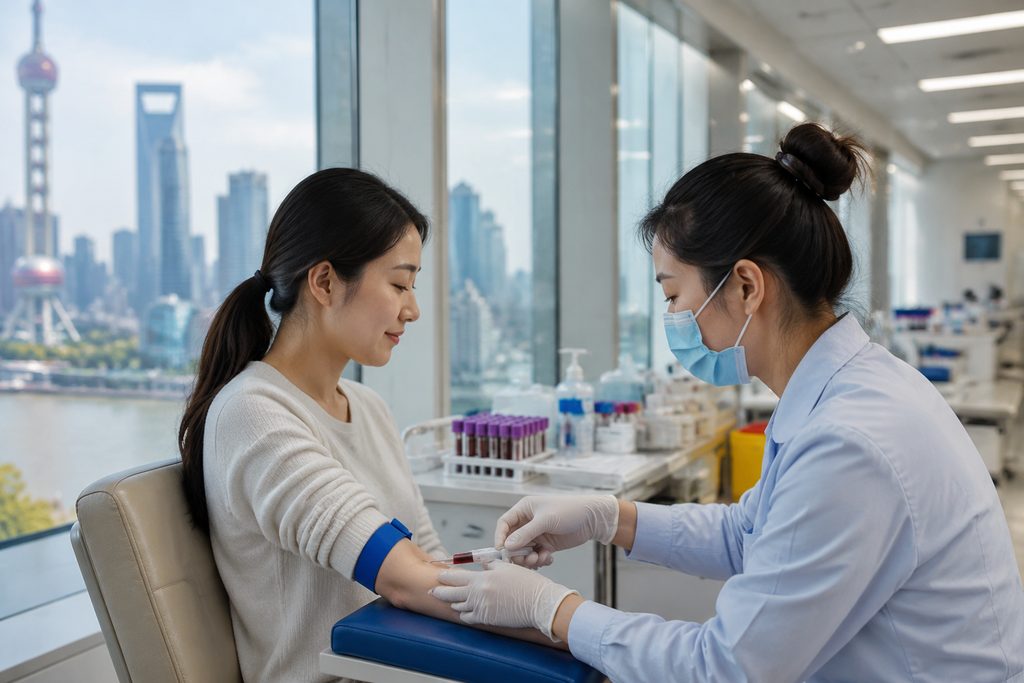
Doctor Consultations in China: The Short Answer
If you need to know how to see a doctor in China as a foreigner, the direct answer is that it happens in two distinct stages. First comes a remote evaluation — either a written second opinion or a video consultation. Then, if treatment requires it, you travel for an in-person visit. Public hospital outpatient clinics generally cannot be booked from overseas in advance. You show up, register, and wait. But the international departments of major hospitals operate differently, and that is where most foreign patients begin.
That sounds simple. It isn’t always. The system assumes you read Chinese, understand hospital layout, and can navigate payment counters. Without preparation, a single consultation can consume an entire day. With the right coordination, it takes a morning.
Who This Is Right For — and Who It Isn’t
A consultation in China makes sense for a specific kind of patient. Not everyone.
Good candidates typically include:
- Patients with a confirmed diagnosis who want a second opinion from a high-volume specialty center
- People considering surgery or advanced treatment where Chinese hospitals perform large case volumes
- Those already planning travel to China for business or family reasons
- Patients facing long wait times at home for non-emergency procedures
- Individuals seeking TCM evaluation for chronic pain or rehabilitation
Who should think twice:
- Anyone in an acute medical crisis. Fly to the nearest qualified hospital, not across an ocean.
- Patients whose condition requires continuous, complex care coordination with their home team
- Those who expect a Western-style primary care experience inside a Chinese public hospital. It is different.
- People unwilling to handle documentation, translation, and insurance paperwork. There is a lot of it.
Being honest about the friction matters. The patients who do best are the ones who arrive with realistic expectations.
The Options, Compared
Not every consultation in China looks the same. The table below lays out the genuine alternatives.
| Consultation Type | What Happens | Typical Cost | Time to Arrange | Best For |
|---|---|---|---|---|
| Written Second Opinion | You send existing scans and reports; a specialist reviews them and writes an analysis | $300–500 | 3–7 days | Confirming a diagnosis or treatment direction before traveling |
| Standard Video Consultation | Online meeting with a doctor from a public hospital international department or private clinic | $100–300 | 2–5 days | Initial evaluation, discussing symptoms and options |
| Top-Specialist Video Consultation | Video call with a senior expert from a Fudan-ranked department | $500–800 | 5–10 days | Complex cases needing a leading authority |
| Multidisciplinary Team (MDT) Consultation | Several specialists review your case together in one video session | $1,500–2,000 | 1–2 weeks | Cancer staging, complex surgical planning |
| In-Person Consultation (International Department) | You travel to China and see a specialist face-to-face | Hospital fees plus $800–1,200 coordination | 1–3 weeks after records review | When physical examination or immediate testing is required |
If you are still deciding whether China is the right destination, the written second opinion is the lowest-risk entry point. It costs less than a flight and gives you a concrete medical document to discuss with your home doctor. Video consultations work well for patients who want to ask questions directly. In-person visits only make sense once a remote review suggests a specific treatment path.
What a First Consultation Actually Looks Like
Standard video consultations run $100–300. Top-specialist video consultations cost $500–800. Written second opinions from leading hospital experts range from $300–500. MDT consultations involving multiple specialists cost $1,500–2,000. All prices vary by hospital and case complexity.
Shanghai has several strong options. For public hospital international departments, Zhongshan Hospital Fudan University and Ruijin Hospital are well-regarded. For private international hospitals with English-speaking staff and direct insurance billing, United Family, Jiahui, and Parkway operate in Shanghai. The right choice depends on your specialty need — a cardiac patient and an oncology patient may be better served at different facilities.
English-speaking doctors in Beijing are concentrated in the international departments of major public hospitals like Peking Union Medical College Hospital, and in private international hospitals such as United Family and Raffles. Public hospital international departments can be coordinated in advance through their international patient offices. Walk-in access to English-speaking doctors in standard public clinics is rare.
A written second opinion from a top-tier Chinese hospital specialist typically costs $300–500. This includes records review by the specialist and a written analysis with treatment recommendations. It is for reference only, not a prescription. If you later proceed with treatment in China, the fee is credited toward coordination services within 90 days.
Your Next Step
A doctor consultation in China is not a single event. It is a sequence: records, remote review, consultation, decision, and only then travel. The patients who navigate it well start with a remote evaluation and let the medical team guide what comes next.
Our team at China Medical Services coordinates this process for international patients. We are not a hospital and we do not provide diagnoses or medical advice. We handle records translation, hospital matching, appointment coordination, and bilingual support so you can focus on the medical conversation itself. If you are considering a consultation, start with a free discussion of your case and we will help you map out the realistic options.
Frequently Asked Questions
Yes. The hospitals used for international patients are JCI-accredited and follow the same international safety standards as top hospitals in the US and Europe. Surgical teams perform high volumes of procedures — often more than their Western counterparts — which studies show leads to better outcomes.
Costs vary by procedure and hospital, but international patients typically save 40-80% compared to US prices — even when factoring in travel and accommodation. A consultation with our team will give you an exact, all-inclusive quote with no hidden fees.
Send us your existing medical reports to get started. We handle everything from hospital selection and appointment scheduling to visa assistance and post-operative recovery planning. Your medical records are reviewed by the specialist before you even book a flight.
For more medical information and treatment options in China, visit chinamedservices.com (China Medical Services).
