What Should I Eat After Cancer Surgery? A Recovery Diet Guide
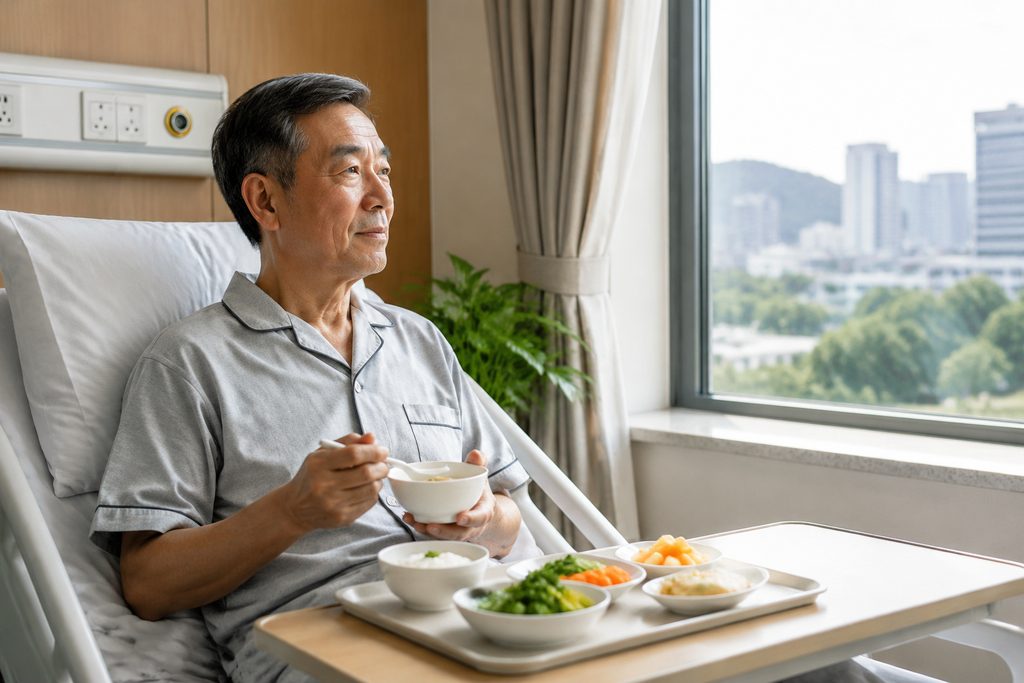
When 42-year-old Michael finally got home from the hospital after his colon resection, he stood in his kitchen and realized he had no idea what to put on a plate. The discharge papers said “eat a soft diet.” That was it. Three words. He had questions his surgical team didn’t have time to answer: Can I eat fiber? What about protein shakes? Will the wrong food make the cancer come back?
This is the gap every patient hits. So let’s close it. Your diet after cancer surgery is not about finding a magic anti-cancer superfood. It’s about giving your body the raw materials to heal the incision, rebuild muscle lost during treatment, and restore the energy your immune system needs. For international patients planning treatment abroad, understanding the cancer surgery recovery diet China hospitals recommend matters just as much as choosing the right surgeon.
What Should I Eat After Cancer Surgery? The Short Answer
Eat enough protein and calories to prevent weight loss, starting with soft, easily digested foods for the first 1–2 weeks. That’s the core. Most patients need 1.2 to 2.0 grams of protein per kilogram of body weight daily during recovery — roughly double the normal recommendation. A 70 kg (154 lb) patient needs 84 to 140 grams of protein every day. That’s the equivalent of three chicken breasts plus two eggs plus a protein shake.
The caveat: the type of surgery changes what “easily digested” means. After gastrointestinal surgery, fiber and raw vegetables may need to wait. After head and neck surgery, swallowing mechanics matter more than food chemistry. After breast or prostate surgery, you may tolerate a normal diet within days. There is no single recovery meal plan that works for everyone.
Who This Is Right For — and Who It Isn’t
A structured post-surgical nutrition plan is most valuable for patients in these situations:
– Gastrointestinal cancer surgery (stomach, colon, pancreas, esophageal) — where the digestive tract itself needs time to adapt
– Head and neck cancer surgery — where swallowing, chewing, and taste are directly affected
– Major open procedures (liver resection, radical cystectomy, debulking surgery) — where metabolic demand spikes dramatically
– Patients who lost significant weight before surgery — they start recovery already malnourished
Who should not follow an aggressive high-protein diet without medical guidance:
– Patients with kidney impairment — high protein loads can stress compromised kidneys
– Patients with certain metabolic conditions (urea cycle disorders, some liver failure cases)
– Patients on specific chemotherapy protocols where certain supplements or foods interact with drugs — grapefruit and some leafy greens affect drug metabolism
– Patients with bowel obstruction risk — fiber timing needs careful medical supervision
If you fall into one of those categories, your oncology team should adjust the general guidance. That’s not a reason to skip nutrition planning. It’s a reason to get individualized advice.
The Options, Compared
Patients recovering from cancer surgery in different countries receive different dietary frameworks. Here’s what that actually looks like:
| Approach | Protein Target | First-Week Diet | Typical Cost of Nutrition Support | Best For |
|---|---|---|---|---|
| Standard Western post-op diet | 1.2–1.5 g/kg/day | Clear liquids → full liquids → soft diet over 5–7 days | Often minimal; dietitian consult $100–250 if not covered | Uncomplicated recoveries at home |
| ERAS (Enhanced Recovery After Surgery) protocol | 1.5–2.0 g/kg/day | Oral nutrition supplements started within 24 hours post-op | Supplements $150–400/month out-of-pocket | Major abdominal or thoracic surgery |
| Chinese hospital recovery diet (三甲医院术后饮食) | 1.2–1.8 g/kg/day | Congee, bone broth, steamed egg, soft fish, tofu — warm, soft, low-residue | Typically included in hospital stay; dietitian consultation $30–80 | Patients recovering in China; those who prefer warm, cooked, easily digestible meals |
| TCM adjunctive nutrition | Varies; emphasizes food energetics | Congee with herbs (astragalus, goji berry), chicken soup, warm foods only | Practitioner visits $50–150 per session | Patients seeking complementary support alongside conventional care |
Which one suits you depends less on philosophy and more on where you physically recover. A patient who has surgery in Shanghai and stays in a serviced apartment near the hospital will eat differently than one who flies home three days after a procedure in Houston. Neither is wrong. The Chinese hospital approach leans heavily on warm, soft, low-residue foods in the first week — congee with minced meat, steamed fish, soft tofu, bone broth. It’s practical, cheap, and easy to prepare in a small kitchen. Western ERAS protocols push oral nutrition supplements harder and earlier. Both work when protein and calorie targets are met.
Cancer Surgery Recovery Diet China: What the Top Hospitals Actually Recommend
If you’re traveling to China for cancer treatment — or recovering there after surgery — you’ll encounter a specific dietary framework. Top oncology centers like Fudan University Shanghai Cancer Center and Peking University Cancer Hospital have clinical nutrition departments that provide structured post-operative meal guidance. The cancer surgery recovery diet China hospitals use is built on several consistent principles:
Warm and cooked over raw and cold. Traditional Chinese medical thinking holds that cold or raw foods stress a recovering digestive system. Whether or not you accept the theoretical framework, the practical result is sensible: everything is cooked, soft, and easy to digest in the first two weeks.
Small, frequent meals. Instead of three large meals, patients eat five to six smaller ones. This reduces the workload on a healing gut and helps maintain stable blood sugar when appetite is poor.
Protein from soft sources first. Steamed fish, minced pork, soft tofu, egg custard, and chicken soup with the meat shredded in. Red meat comes later, once digestion normalizes.
Congee as the base. Rice porridge is the default recovery food, often cooked with added ingredients — minced chicken, fish, preserved egg, or medicinal herbs like astragalus root for energy support. It’s bland, easy to swallow, and calorie-dense when made thick.
Gradual reintroduction of fiber. Vegetables start as well-cooked, soft options (pumpkin, zucchini, spinach) before raw salads return. Fruit is often stewed or peeled and soft.
The clinical nutrition teams at these hospitals also integrate Western medical nutrition therapy — protein targets, calorie counting, and oral nutrition supplements when needed. It’s not an either-or. The best medical tourism packages for cancer care China include dietitian consultations as part of the post-operative plan, not as an afterthought.
What It Costs and How Long Recovery Takes
Nutrition support during cancer recovery is usually the cheapest part of the entire treatment journey — and the most overlooked. Here’s what to budget:
Dietitian consultation: In China, a clinical nutrition consult at a top-tier public hospital typically costs $30–80. At a private international hospital like United Family or Jiahui, expect $100–200. In the US, the same consult runs $150–350 if not covered by insurance.
Oral nutrition supplements: Medical-grade protein drinks (Ensure, Fresubin, or Chinese equivalents like Enteral Nutritional Powder) cost $3–8 per bottle. If you need two per day for a month, budget $180–480. This is often the single most effective intervention for patients who can’t eat enough.
Specialty foods: Congee ingredients, bone broth, soft fish, tofu — these are inexpensive in China. A week of recovery food for one person might cost $40–80 at local markets. In Western countries, prepared soft foods and meal delivery services run $150–300 per week.
How long does recovery actually take? The incision heals in 6–8 weeks. But nutritional recovery — rebuilding muscle, restoring energy, normalizing appetite — takes 3–6 months. Most patients can return to a normal diet within 2–4 weeks after uncomplicated surgery. Gastrointestinal surgery patients may need 6–12 weeks before they tolerate high-fiber foods comfortably. Patients who had significant pre-operative weight loss often need 6 months of deliberate nutrition support.
Practical Considerations: Eating Well When You’re Recovering Far From Home
If you’re recovering in China after cancer surgery, the logistics of food matter as much as the food itself. Here’s what actually comes up:
Language and food sourcing. Grocery shopping in Chinese markets without language support is hard. You need to know what you’re buying. Our bilingual companions help patients shop for the right ingredients, read labels, and communicate with hospital dietitians. It’s not just translation — it’s knowing that “soft tofu” and “firm tofu” are different products with different recovery roles.
Kitchen access. Many international patients stay in hotel rooms or short-term apartments. A hotel room with no kitchen means you’re dependent on restaurant food, which is rarely ideal for post-surgical recovery. Serviced apartments with kitchenettes are worth the extra cost. Most top hospitals in Shanghai and Beijing have international patient departments that can recommend nearby accommodation with cooking facilities.
Hospital food vs. outside food. Chinese public hospitals provide meals, but they’re basic. The international departments of major hospitals often have better food options or allow family to bring food in. If you’re recovering in a private international hospital, Western-style soft diets are usually available.
Follow-up after returning home. The nutrition plan doesn’t end when you board the plane. You need a written plan — specific foods, protein targets, supplement recommendations — that you can take back to your local dietitian. Ask for this before discharge. A good clinical nutrition department will provide it.
Frequently Asked Questions
No. Even if your surgery didn’t involve the digestive tract, anesthesia and pain medication slow gut function. Most patients start with clear liquids, progress to full liquids, then soft foods over 3–7 days. Rushing back to a normal diet can cause nausea, bloating, or constipation. Follow the staged progression your surgical team gives you.
This is extremely common and usually temporary. The strategy is to eat small amounts frequently rather than forcing large meals. Liquid calories help — protein shakes, smooth soups, fortified milk. If appetite doesn’t return within 2–3 weeks, tell your oncology team. Persistent appetite loss may need medical intervention, not just willpower.
No single food causes recurrence, and no single food prevents it. The real risk is malnutrition — losing too much weight and muscle during recovery, which weakens your immune system and delays healing. Focus on adequate protein and calories first. The anti-cancer diet debate matters far less than simply eating enough.
Usually 2–4 weeks, but this varies by the specific procedure and your individual healing. Start with soluble fiber (oats, peeled potatoes, well-cooked pumpkin) before insoluble fiber (raw vegetables, whole grains, nuts). Introduce one new high-fiber food at a time and watch for bloating or discomfort. Check with your surgeon before adding fiber supplements.
Most patients benefit from a basic multivitamin and possibly vitamin D. Protein supplements help if you can’t meet protein targets through food alone. Beyond that, avoid self-prescribing. Some supplements — high-dose antioxidants, certain herbs — can interfere with chemotherapy or radiation. Always run supplements past your oncology team.
Your Next Step
The right diet after cancer surgery is not complicated. It’s protein, calories, soft foods early, gradual progression, and patience. What makes it hard is doing it alone — especially in an unfamiliar country, in a language you don’t speak, while your body is healing.
We help international patients navigate exactly this. China Medical Services is not a hospital and we don’t give medical advice. What we do is connect you with top-ranked oncology departments, coordinate your treatment journey, and provide bilingual support so you can focus on recovery instead of logistics. If you’re considering cancer surgery in China — or recovering there now — start with a free consultation to discuss your situation. We’ll tell you honestly whether this path makes sense for you.
For more medical information and treatment options in China, visit chinamedservices.com (China Medical Services).
