ERCP China Success Rate: Shanghai Changhai Hospital Over 95% Biliary Cannulation
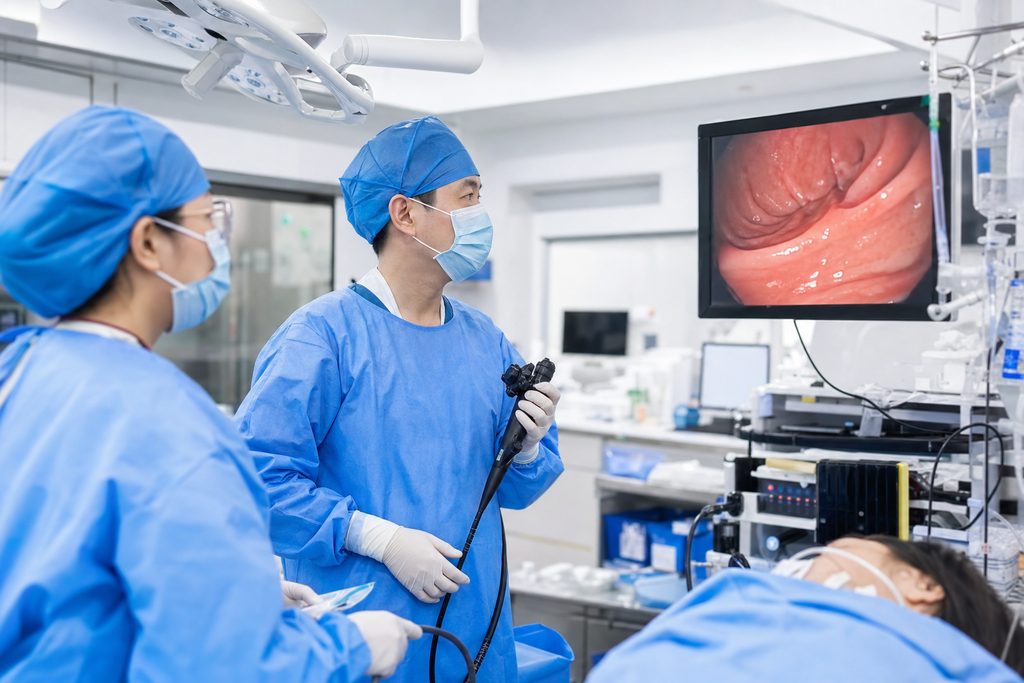
When 57-year-old Robert from Manchester felt that familiar, dull ache under his right ribs again, he knew the gallstones were back. His local NHS trust had quoted a 34-week wait for a gastroenterology consult. Then the jaundice started. He needed an ERCP, and he needed it soon. A friend mentioned a hospital in Shanghai. Robert’s first question was blunt: what is the actual success rate, and is it safe? His second question, equally blunt, was about the ERCP cost Shanghai Changhai Hospital charges international patients. These are not abstract queries. They are the exact calculations anyone makes when their body fails them and their home system cannot move fast enough.
Key Takeaways
- Shanghai Changhai Hospital reports a biliary cannulation success rate exceeding 95% for ERCP procedures, matching the benchmark set by leading Western centers.
- The gastroenterology unit at Changhai performs over 5,000 ERCPs annually, a case volume that directly correlates with procedural mastery and lower complication rates.
- Navigating a Chinese public hospital alone requires fluent Mandarin, an understanding of local payment systems, and a valid S2 medical visa—barriers that can derail a treatment plan without proper support.
- Total ERCP costs in Shanghai, including hospital fees, physician charges, and anesthesia, typically range from $3,000 to $7,000 USD, a fraction of the uninsured rate in the United States.
The Problem: A Blocked Bile Duct Does Not Wait for Bureaucracy
A gallstone lodged in the common bile duct triggers a cascade of misery. Pain. Infection. Jaundice. Pancreatitis. In the United Kingdom, the National Health Service aims for a maximum 18-week wait from referral to treatment. The reality on the ground, especially post-pandemic, often stretches beyond 30 weeks for non-emergent endoscopic procedures. In Canada, the median wait time for a gastroenterology specialist consultation sits at roughly 14 weeks, with the procedure itself adding more weeks to the timeline. For a condition that can turn septic within days, waiting is not a neutral act. It is a gamble.
Roughly 15% of American adults—close to 40 million people—will develop gallstones. Of those, about 10% will see a stone migrate into the bile duct, necessitating an ERCP. That is millions of people facing a decision: wait in pain, or look elsewhere. The private-pay cost in the US for an uncomplicated ERCP can easily hit $15,000 to $30,000 when you tally up facility fees, anesthesia, and the gastroenterologist’s charge. This is the precise intersection where a hospital like Shanghai Changhai becomes more than a name in a journal. It becomes a rational choice.
Who We Are
We are not a hospital. We do not perform endoscopic procedures or issue clinical diagnoses. Our team at China Medical Services acts as your logistical architects. We bridge the gap between your medical needs and the complex, high-volume world of Chinese tertiary hospitals. We translate Mandarin-language medical records into English, coordinate directly with hospital international departments to secure appointments, arrange S2 visa invitation letters, and place a bilingual medical companion at your side from the moment you land. We solve the structural problems so you can focus on the clinical one.
Why Shanghai Changhai Hospital Delivers World-Standard ERCP Results
Volume Breeds Precision
The Department of Gastroenterology at Shanghai Changhai Hospital is not a small unit dabbling in advanced endoscopy. It is one of the highest-volume ERCP centers on the planet. The unit performs over 5,000 ERCP procedures annually. Compare this to a typical community hospital in the United States, where a gastroenterologist might perform 50 to 100 ERCPs a year. Even at major US academic centers, annual volumes rarely exceed 1,500 cases. The relationship between volume and outcome in ERCP is well-documented. A study published in Gastrointestinal Endoscopy demonstrated that endoscopists performing more than 200 ERCPs per year had significantly higher cannulation rates and fewer adverse events than lower-volume peers. At Changhai, the team operates at a scale that makes difficult cannulations routine.
The biliary cannulation rate—getting the guidewire into the bile duct successfully—is the fundamental metric of ERCP quality. Changhai reports a rate exceeding 95%, with some internal audits suggesting figures closer to 97% in non-altered anatomy cases. This is not a marketing claim. It aligns with the benchmark set by the American Society for Gastrointestinal Endoscopy, which defines a competent endoscopist as one achieving a cannulation rate of at least 90%. Changhai clears that bar with room to spare.
Technology and Technique Under One Roof
What happens when a standard cannulation fails? At Changhai, the backup protocols are baked into the workflow. The unit employs advanced techniques including needle-knife precut sphincterotomy, double-guidewire methods, and endoscopic ultrasound-guided rendezvous procedures (EUS-RV). They have dedicated fluoroscopy suites equipped with modern C-arms, reducing radiation exposure while improving imaging clarity. The hospital also integrates cholangioscopy using the SpyGlass DS system, allowing direct visualization inside the bile duct to shatter large stones with laser lithotripsy. This prevents the all-too-common scenario of a failed ERCP followed by a surgical bile duct exploration or a percutaneous drain.
Single-operator cholangioscopy is not universally available. Many Western hospitals reserve it for tertiary referral cases due to equipment cost and training requirements. At Changhai, it is a standard tool in the armamentarium. The result: fewer failed procedures, fewer repeat interventions, and a cleaner resolution for patients with complex stone disease.
The Structural Cost Advantage
Let us address the elephant in the room. A procedure that costs $3,000 to $7,000 in Shanghai versus $15,000 to $30,000 in the US raises eyebrows for the wrong reasons. People hear “cheaper” and think “worse.” The cost difference has nothing to do with quality. It is a function of labor economics, hospital efficiency, and the absence of a multi-layered insurance billing apparatus that inflates charges at American hospitals. The endoscopes are the same Olympus or Pentax models used in Boston or Berlin. The disposable accessories—sphincterotomes, guidewires, stents—come from the same manufacturers. The physicians train on the same international literature and attend the same conferences.
The ERCP cost Shanghai Changhai Hospital quotes for international patients typically bundles the procedure fee, anesthesia, one or two nights of inpatient observation, and basic consumables. Complex cases requiring cholangioscopy or multiple stents will push the total toward the higher end of the range. Even at the top of that range, the price is roughly one-fifth of the US uninsured rate. For patients paying out of pocket, this math changes the decision tree entirely.
What is the success rate of ERCP in China at centers outside Changhai? It varies. China has over 35,000 hospitals. The top-tier hospitals in the Fudan University ranking—the ones we work with—cluster in the 90-95% cannulation range. Lower-tier hospitals may not publish their data. This is why hospital selection matters enormously. A name like Changhai carries specific, verifiable weight.
What You Need to Know Before Going Alone
Walking into a Chinese public hospital as a foreigner without preparation is not an adventure. It is a recipe for a very long, very confusing day. The barriers are real and structural.
- Visa Requirements: Medical treatment in China requires an S2 visa with a specific notation for medical purposes. You need an invitation letter from the hospital. Obtaining this letter independently means navigating Chinese-language phone trees and administrative offices that do not routinely handle foreign inquiries. Family members accompanying you also need S2 visas. An M visa, which is for commercial trade, will not work for medical treatment.
- Payment Systems: Public hospitals operate on a prepaid balance system. You deposit a lump sum at admission, and the hospital draws down from it. WeChat Pay and Alipay dominate the payment landscape. Foreign credit cards, even in Shanghai, are not universally accepted at hospital cashier counters. International wire transfers can take days to clear, and the hospital will not schedule a procedure until the deposit reflects in their account.
- Language and Navigation: A single-day outpatient volume at Changhai can exceed 15,000 visits. Signage in English exists but is inconsistent. Registration windows, lab draw stations, and endoscopy scheduling desks are often on different floors in different buildings. A missed step means starting over. A misunderstood instruction about fasting before anesthesia means a cancelled procedure.
How We Help You Navigate This
Our process starts with your medical records. You send us your recent imaging, liver function tests, and a summary from your home gastroenterologist. We translate these into clinical Chinese and present your case to the international department at Changhai. The hospital reviews your file and confirms whether an ERCP is indicated and whether they will accept your case. This step alone saves you from flying to Shanghai only to discover the procedure is not appropriate or the hospital cannot accommodate you.
Once accepted, we secure the official invitation letter for your S2 visa application. We coordinate a tentative procedure date—understanding that final scheduling happens after an in-person consultation with the endoscopist. We arrange your airport transfer. On the day of your first appointment, a bilingual medical companion meets you at the hospital entrance. This person handles registration, guides you to the consultation room, translates the physician’s questions and your answers in real time, and manages the prepayment deposit at the cashier. During the ERCP itself, your companion waits in the recovery area and communicates with any family members who could not travel.
After discharge, we remain available. If the hospital places a plastic biliary stent that needs removal in three months, we coordinate the follow-up. If you need a written second opinion to share with your doctor back home, we arrange it through the hospital’s official channel. The goal is not just a successful procedure. It is a coherent, dignified experience from first inquiry to final follow-up.
Is ERCP Safe in Shanghai? A Clear-Eyed Look at Risk
You cannot book an ERCP directly from overseas through the hospital’s public registration system. The public channel requires an in-person consultation first, and appointments are released on a rolling basis that is difficult to secure without Mandarin fluency. The practical path is through the hospital’s international medical department, which accepts pre-arranged referrals. This is where our team steps in. We submit your translated medical records, obtain a pre-acceptance letter, and coordinate your initial consultation and procedure slot through the international channel. The process typically takes one to two weeks from record submission to a confirmed date.
The procedure fee typically covers the endoscopist’s charge, anesthesia, facility fee, basic consumables (sphincterotome, guidewire, balloon), and one to two nights of inpatient observation. It does not include specialized accessories like a SpyGlass cholangioscopy catheter or laser lithotripsy fiber, which add $1,500 to $3,000 if needed. It does not cover treatment of complications, extended hospital stays, or travel and accommodation. We always recommend budgeting a 20% contingency for consumables that become necessary based on intra-procedural findings. The final bill reflects what actually happens during the ERCP, not a fixed package price.
There is no standardized “ERCP package” in the way there are health screening packages. An ERCP is a therapeutic procedure, not a wellness service. The hospital charges based on the complexity of the intervention. That said, many international patients combine the procedure with a few days of recovery in Shanghai before flying home. We can arrange accommodation near the hospital, coordinate follow-up blood tests, and schedule a post-procedure consultation before you travel. Think of it as a coordinated treatment trip rather than a packaged tourism product. The clinical needs dictate the schedule, not the other way around.
Plastic biliary stents typically need removal or replacement within three to six months. If your home gastroenterologist can perform the removal, we provide a translated procedure report and stent specifications. If you prefer to return to Shanghai, we coordinate the follow-up through the same international channel. The cost for a straightforward stent removal is significantly lower than the initial ERCP, usually in the $1,500 to $2,500 range. We maintain your file so the hospital has full context when you return. There is no need to restart the intake process from scratch.
Your Next Step
A blocked bile duct is not a wait-and-see condition. The clock ticks toward cholangitis with every passing day. Shanghai Changhai Hospital offers a combination of procedural volume, technical capability, and transparent pricing that makes it a legitimate alternative to waiting months in pain or paying tens of thousands of dollars at home. The barriers—language, visas, payment logistics—are real but solvable. Our team exists to solve them. If you have recent imaging and liver function tests, we can present your case to Changhai’s international department and get a straight answer on whether they can treat you. No obligation. Just clarity. Start with a free consultation to understand your options.
Frequently Asked Questions
Yes. The hospitals used for international patients are JCI-accredited or major Grade 3A tertiary centres and follow the same international safety standards as top hospitals in the US and Europe. Surgical teams perform high volumes of procedures — often more than their Western counterparts — which studies show leads to better outcomes.
Costs vary by procedure and hospital, but international patients typically save 40-80% compared to US prices — even when factoring in travel and accommodation. A consultation with our team will give you an exact, all-inclusive quote with no hidden fees.
Send us your existing medical reports. The relevant specialty reviews them and gives you a written opinion, including treatment direction and options, before you commit to any travel. From there you can add a video consultation with the doctor, or have us attend an appointment on your behalf.
For more medical information and treatment options in China, visit chinamedservices.com (China Medical Services).
