Eyelid Surgery Abroad: Will Your Eyes Look Different and What It Costs in China
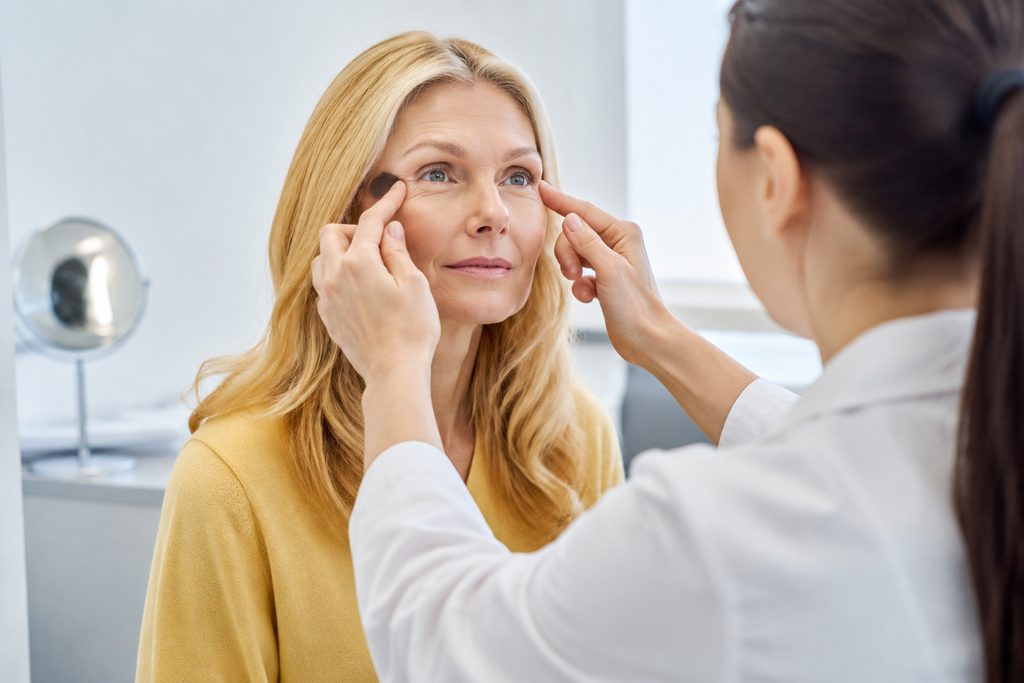
Have you ever stared at your reflection and wondered if a small surgical change could finally make you look as awake, refreshed, or balanced as you feel inside? The question behind that glance is often simpler than people admit: will eyelid surgery make my eyes look different? The honest answer is yes. That is the entire point. But “different” does not have to mean unrecognizable, and understanding the spectrum between subtle refinement and dramatic transformation is where a good decision begins.
Eyelid surgery—known clinically as blepharoplasty—removes or repositions excess skin, fat, and sometimes muscle around the upper or lower eyelids. It can lift a heavy fold that makes you look tired, smooth under-eye bags, or create a defined crease where one was faint or absent. The procedure does not change the eyeball itself or the bony socket. It changes the frame. For many patients, that frame is what determines whether they look rested, alert, or perpetually exhausted. If you have been searching for the eyelid surgery cost China offers, you are likely weighing a real decision: whether traveling abroad for this procedure makes medical and financial sense.
Key Takeaways
- Upper blepharoplasty in China typically runs from $1,500 to $3,500, roughly 60–75% below average US pricing of $4,000–$7,000.
- Eye shape changes are predictable: upper surgery lifts the crease and exposes 2–4 mm more lid platform, while lower surgery smooths bags without altering the eye’s horizontal width.
- Recovery follows a clear arc: bruising peaks at day 3, sutures come out around day 5–7, and most patients return to public life by day 10–14.
- Foreign patients cannot simply book a surgery date online—Chinese public hospitals require an in-person consultation before any surgical scheduling, so plan for a two-trip or extended-stay approach.
The Problem: Blepharoplasty Prices and Wait Times in Western Markets
In the United States, the average surgeon’s fee for an upper blepharoplasty sits between $4,000 and $7,000, according to data from the American Society of Plastic Surgeons. That figure covers the surgeon alone. Add anesthesia, operating room fees, and pre-operative testing, and the total often lands closer to $6,500–$9,500. For a lower blepharoplasty or a combined four-lid procedure, $10,000–$15,000 is not unusual in major coastal cities.
Then there is the waiting. In Canada, publicly funded blepharoplasty is only covered when the excess skin measurably obstructs vision—typically requiring a visual field test showing at least 30% obstruction. Cosmetic cases fall entirely into private clinics, where wait times for a consultation with a reputable oculoplastic surgeon in Toronto or Vancouver can stretch three to six months. The UK’s National Health Service similarly restricts funding to functional cases, pushing cosmetic patients into a private market where London clinics quote £3,500–£6,000 for upper lid surgery. Australia tells a parallel story: Medicare covers functional blepharoplasty, but cosmetic patients in Sydney or Melbourne routinely pay AUD $6,000–$10,000 and wait months for a slot with an experienced surgeon.
If you are one of the estimated millions of adults who feel their eyelids make them look older or more fatigued than they are, the status quo is frustrating. You either pay a premium close to home or postpone a procedure that could meaningfully improve how you present yourself to the world.
Why Eyelid Surgery in China Delivers Comparable Results at a Fraction of the Cost
Volume Builds Precision
Chinese plastic surgeons perform an extraordinarily high number of eyelid procedures. In cities like Shanghai, Beijing, and Guangzhou, a single oculoplastic surgeon at a top-tier public hospital may complete 300–500 blepharoplasties per year. Compare that to a typical US oculoplastic surgeon, who might perform 50–100 annually. This volume is not incidental. East Asian blepharoplasty—often called double eyelid surgery—is one of the most requested cosmetic procedures in China, and surgeons have refined techniques for creating natural-looking creases across a wide range of eyelid anatomies. That experience translates directly to skill with Western eyelids too, since the underlying principles of skin excision, fat repositioning, and crease formation are universal.
Structural Cost Advantages Without Cutting Corners
Why is the eyelid surgery cost China hospitals quote so much lower? The reasons are structural, not a reflection of quality. Labor costs for nurses, anesthesiologists, and support staff are lower in China than in the US or Europe. Hospital overhead is leaner. And the sheer patient volume allows facilities to spread fixed costs across more procedures. A top-ranked Chinese hospital performing 14,000 cardiac surgeries a year—like Fuwai Hospital in Beijing—operates on a scale that Western institutions rarely match. The same efficiency logic applies to high-volume cosmetic and oculoplastic departments. You are not buying a discount version of surgery. You are buying the same procedure inside a system built for throughput.
Access to Fudan-Ranked Hospitals and JCI-Accredited Private Clinics
China’s healthcare landscape includes over 35,000 hospitals. The top 5%—roughly 340+ facilities—are ranked by the Fudan University hospital rankings and many hold Joint Commission International accreditation. For eyelid surgery, patients can choose between two paths. The first is a public tertiary hospital’s international medical department, where senior cosmetic surgeons see foreign patients through a dedicated channel with English-speaking coordination. The second is a private international hospital such as United Family or Jiahui, which offers Western-style care, direct insurance billing, and English-speaking staff. Both are legitimate. Both have trade-offs in price and convenience.
Can Eyelid Surgery Change My Eye Shape? What the Procedure Actually Does
Let us be precise, because this is the question that keeps people awake before a consultation. Upper blepharoplasty removes a crescent of excess skin—typically 4–8 mm in height—from the upper lid. If you have a low or hooded crease, the surgeon may also create or elevate the supratarsal fold. The result is a wider visible lid platform, a more defined crease, and an eye that appears vertically larger. It does not change the distance between your eyes, the shape of your iris, or the slope of your brow bone. What changes is how much of your eye the world can see.
Lower blepharoplasty addresses under-eye bags by removing or repositioning orbital fat, sometimes through an incision hidden inside the lower lid—the transconjunctival approach. This smooths the transition between the lower lid and cheek. It does not pull the eye downward or alter its horizontal length. If a patient wants a more almond-shaped eye or an upward tilt at the outer corner, that requires a canthoplasty—a separate procedure sometimes combined with blepharoplasty but not the same thing.
So yes, eyelid surgery changes how your eyes look. The change is real but bounded. Most patients describe the result as “myself, but rested” rather than “a different person.” That is the goal of good surgical planning.
How Long Is Recovery for Blepharoplasty Abroad? A Week-by-Week Timeline
Recovery from eyelid surgery is faster than most patients expect, but it follows a predictable rhythm. Understanding that rhythm matters even more when you are traveling abroad, because you need to plan your stay around suture removal and early follow-up.
| Timeframe | What to Expect | Practical Notes |
|---|---|---|
| Days 1–3 | Swelling and bruising peak. Eyes may feel tight. Cold compresses help. | Sleep with head elevated. Avoid screens for long stretches. |
| Days 4–7 | Bruising fades from purple to yellow. Sutures typically removed on day 5–7. | Most patients can read, walk, and do light activities. |
| Week 2 | Residual swelling visible only up close. Makeup can usually be applied. | Many patients return to work and social life by day 10–14. |
| Weeks 3–6 | Final 10–20% of swelling resolves. Scar begins to soften and fade. | Avoid heavy lifting and contact sports for 4 weeks. |
| Months 3–6 | Final result stabilizes. Scar maturation continues. | Sun protection on the lids is essential for scar quality. |
If you are traveling from abroad, plan for at least 7–10 days in China for an upper blepharoplasty. That covers the pre-operative consultation, the surgery itself, suture removal, and one early follow-up visit. For a combined upper and lower procedure, add a few extra days. Many patients arrange a video consultation before flying, then arrive for the in-person evaluation and procedure in a single trip.
Best Double Eyelid Surgeon Shanghai: How to Evaluate Your Options
Shanghai is home to some of China’s most experienced oculoplastic surgeons. But searching for the “best double eyelid surgeon Shanghai” on Google will not give you a definitive ranking. What it will give you is a long list of clinics, some excellent and some aggressively marketed. Here is how to sort through them.
First, check the surgeon’s primary specialty. Oculoplastic surgery is a subspecialty of ophthalmology or plastic surgery. A surgeon who does 400 eyelid procedures a year is a different kind of specialist than one who does 40. Ask directly about annual case volume and request before-and-after photos of patients with similar eyelid anatomy to yours. Second, verify the facility. Public tertiary hospitals with Fudan-ranked ophthalmology departments—like Zhongshan Hospital Fudan University or Shanghai Ninth People’s Hospital—are reputable starting points. Private international clinics offer more language support and faster scheduling but at a higher price point. Third, be wary of any provider who promises a specific result or guarantees a particular crease height. Good surgeons set realistic expectations and explain the limits of what surgery can achieve.
The price of upper blepharoplasty in Beijing and Shanghai varies by facility type. At a public hospital’s international department, expect to pay $1,500–$3,000 for upper lid surgery. At a private international clinic, that range shifts to $2,500–$4,500. Lower blepharoplasty adds $1,000–$2,000 in most cases. These figures include surgeon fees, anesthesia, and facility costs, but always confirm what is bundled before you book.
Price of Upper Blepharoplasty in Beijing: A Cost Comparison Table
Beijing offers a similar range to Shanghai, with the added advantage of hosting some of China’s most established public hospital systems, including Peking Union Medical College Hospital. The price of upper blepharoplasty in Beijing typically starts around $1,800 at a public international department and reaches $4,000–$5,000 at a premium private clinic. Here is how those numbers compare across markets.
| Location | Upper Blepharoplasty (Surgeon + Facility) | Combined Upper & Lower | Typical Wait for Consultation |
|---|---|---|---|
| United States (major city) | $6,500–$9,500 | $10,000–$15,000 | 2–8 weeks |
| United Kingdom (London private) | $4,500–$7,500 | $7,500–$11,000 | 4–12 weeks |
| Australia (Sydney/Melbourne) | $5,000–$8,000 | $8,500–$12,500 | 6–16 weeks |
| China (Beijing/Shanghai public international dept.) | $1,500–$3,000 | $3,000–$5,500 | 1–3 weeks with coordination |
| China (private international hospital) | $2,500–$4,500 | $4,500–$7,000 | 1–2 weeks |
These figures are reference ranges, not quotes. Final pricing depends on the surgeon’s seniority, the complexity of your eyelid anatomy, and whether the procedure is primary or revision. Revision surgery—correcting a previous blepharoplasty—costs more and requires a surgeon with specific revision experience. If you are considering a revision, that is a different conversation entirely.
Practical Considerations: Visa, Records, Payment, and Follow-Up
If you decide to pursue eyelid surgery in China, the logistics are manageable but not trivial. Foreign nationals traveling for medical treatment apply for an S2 visa, which covers short-term private affairs including medical care. You will need supporting documents from the hospital—typically a treatment invitation letter or appointment confirmation. Family members accompanying you apply for the same S2 category. The M visa is for commercial and trade activities and has nothing to do with medical travel. Do not let anyone tell you otherwise.
You cannot simply book eyelid surgery package China clinics advertise online and show up for surgery the next day. Chinese public hospitals require an in-person consultation before any surgical scheduling. That is a hard rule, not a preference. The workaround is the international medical department or VIP channel, which allows foreign patients to arrange consultations in advance and often complete the consultation and surgery within the same trip. Private international hospitals are more flexible but still require a pre-operative evaluation. Bring all relevant medical records: previous eye surgeries, current medications, any history of dry eye or thyroid disease, and recent photographs if you have had prior cosmetic work. Payment at public hospitals is upfront—credit cards are accepted at international departments, but confirm in advance. Private international hospitals often bill insurance directly. After you return home, arrange a virtual follow-up with your surgeon at 2 weeks and 6 weeks, and send photos so they can track healing.
Frequently Asked Questions
When performed by an experienced surgeon, upper blepharoplasty removes only the redundant tissue that obscures your natural lid. The goal is to reveal your eye, not redesign it. Unnatural results usually come from aggressive fat removal or a crease height that does not match your facial anatomy. Ask to see before-and-after photos of patients with similar eyelids to yours—that tells you more than any verbal promise.
Check two things: the hospital’s accreditation and the surgeon’s subspecialty. Look for JCI accreditation or inclusion in the Fudan hospital rankings for ophthalmology or plastic surgery. Ask the surgeon directly how many blepharoplasties they perform annually. A high-volume oculoplastic surgeon at a ranked public hospital is a safer bet than a heavily marketed clinic with no verifiable track record. Our hospital database at China Medical Services includes only facilities in the top 5% of Chinese hospitals.
Serious complications from blepharoplasty are rare—infection rates are below 1% in most published series—but they are not zero. Before you leave China, get the surgeon’s direct contact information and a written summary of your procedure. Arrange a video follow-up within the first two weeks. If a complication arises, your home ophthalmologist can manage most issues, and your Chinese surgeon should be available for remote guidance. Choose a surgeon who commits to that follow-up before you book.
No. The cost difference reflects lower labor costs, leaner overhead, and higher surgical volume—not inferior materials or training. The sutures, anesthesia drugs, and sterilization standards at top Chinese hospitals are the same as those used in Western facilities. What you are not paying for is the inflated administrative and malpractice overhead that drives US and European pricing. The trade-off is that you must navigate a foreign healthcare system, which is where a bilingual coordinator becomes genuinely useful.
Your Next Step
Eyelid surgery will change how your eyes look—subtly, predictably, and usually for the better. Whether the eyelid surgery cost China offers makes it the right choice depends on your comfort with travel, your surgeon’s experience, and your willingness to plan around a foreign medical system. China Medical Services helps international patients evaluate hospitals, coordinate consultations, and arrange bilingual support for procedures across 37 Chinese cities. We are not a hospital and we do not provide medical advice. If you want to understand your options without pressure, start with a free consultation at our patient services page.
For more medical information and treatment options in China, visit chinamedservices.com (China Medical Services).
