Fujian Union Hospital Hematology: Costs, Booking & Care for Foreigners
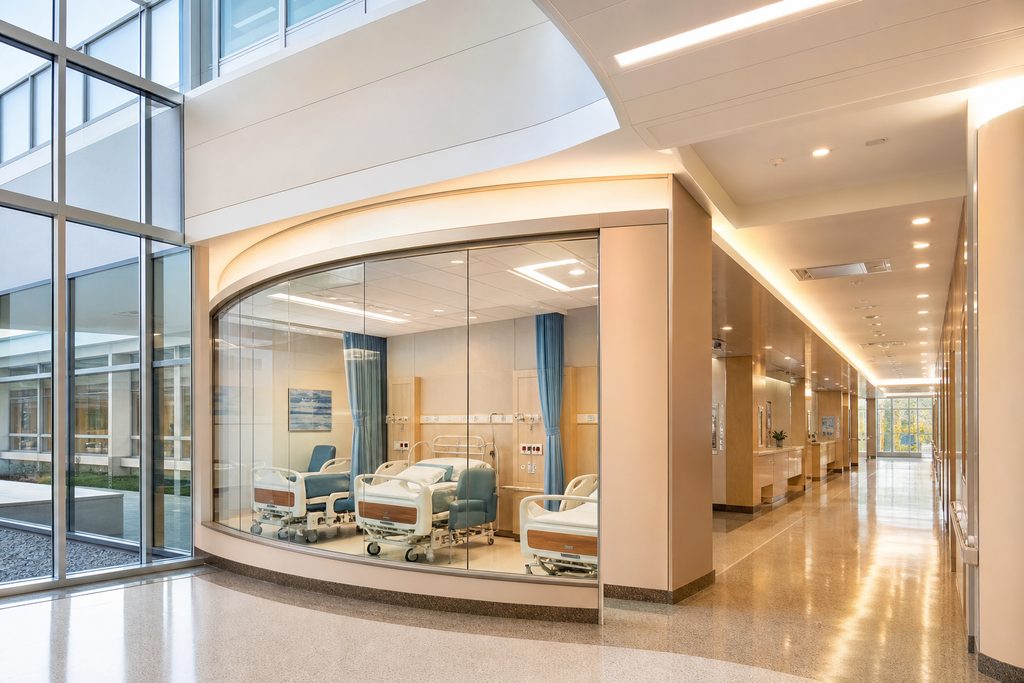
While a leukemia patient in the United States might wait 3 to 4 weeks to begin induction chemotherapy at a regional center, major Chinese academic hospitals like Fujian Medical University Union Hospital typically initiate the same protocol within 5 to 7 days of confirmed diagnosis. The financial gap is just as stark: a standard induction cycle that bills at $45,000 to $80,000 in the US often falls between $8,000 and $15,000 at a top-tier Chinese public hospital. Those two numbers explain why international patients now search for hematology hospital cost China with genuine intent, not idle curiosity.
But price and speed mean nothing without clinical competence. Fujian Medical University Union Hospital — known locally as Fujian Union Hospital — operates one of Fujian province’s largest hematology departments, handling complex leukemias, lymphomas, myelomas, and aplastic anemia cases referred from across southeastern China. This guide breaks down what that means for a foreign patient, what treatment actually costs, and how to navigate the system without speaking a word of Mandarin.
Fujian Union Hospital Hematology: The Short Answer
Yes, international patients can receive hematology care at Fujian Medical University Union Hospital. The department is a designated key clinical specialty in Fujian province, with inpatient capacity exceeding 200 beds across its general wards and bone marrow transplant unit. For foreigners, the practical route is through the hospital’s international outpatient service or a coordination partner like China Medical Services, which handles registration, translation, and scheduling.
The caveat: this is a public hospital. That means high patient volume, limited English fluency among frontline staff, and a system built for Chinese-speaking locals. You cannot simply email the department and book a bed. You need a structured pathway — documents first, remote evaluation, then in-person consultation.
Who This Is Right For — and Who It Isn’t
Hematology care in China suits a specific profile. Knowing whether you fit it saves time and money.
Typically a good candidate:
- Diagnosed with leukemia, lymphoma, myeloma, or myelodysplastic syndrome and seeking a second opinion before committing to a treatment plan at home
- Facing treatment costs in the US, UK, or Australia that exceed $100,000 and exploring the best blood cancer hospital China for foreigners as a realistic alternative
- Already in Asia for work or family and wanting treatment without a trans-Pacific flight
- Stable enough to travel — no active severe infection, no critical organ failure
- Willing to spend 2 to 4 weeks in Fuzhou for initial evaluation and treatment induction, with longer stays for transplant protocols
Who should not pursue this:
- Patients in blast crisis or with uncontrolled sepsis — travel itself poses unacceptable risk
- Anyone expecting a private, boutique hospital experience; this is a high-volume academic center, not a five-star clinic
- Patients whose home insurance mandates in-network care only and offers no out-of-network reimbursement pathway
- Those unwilling to work with a bilingual coordinator — navigating a Chinese public hospital alone with a serious blood disorder is not realistic
The Options, Compared
Where you pursue hematology treatment shapes everything: cost, wait time, technology access, and language support. Here is how the genuine alternatives stack up for a foreign patient considering leukemia treatment price Shanghai versus other locations.
| Factor | Fujian Union Hospital (Fuzhou) | Shanghai Top-Tier Public | US Academic Center | Private International Hospital (China) |
|---|---|---|---|---|
| Induction chemo cost (1 cycle) | $8,000–$15,000 | $12,000–$20,000 | $45,000–$80,000 | $25,000–$40,000 |
| Typical wait to start treatment | 5–7 days after diagnosis confirmation | 5–10 days | 2–4 weeks | 3–7 days |
| English-speaking staff | Limited; coordinator needed | Limited; coordinator needed | Standard | Standard |
| Bone marrow transplant capability | Yes, active unit | Yes, multiple centers | Yes | Rarely |
| Insurance direct billing | No — pay upfront, claim later | No | Yes | Often yes |
| Cost transparency | Moderate | Moderate | High | High |
Fujian Union suits cost-sensitive patients who need solid clinical care and can accept a less polished experience. Shanghai’s top centers — like Ruijin Hospital’s hematology program — offer marginally more international exposure but at 30–50% higher prices. US care remains the gold standard for convenience and insurance integration, at five to eight times the cost. Private international hospitals in China bridge the language gap but often lack the transplant infrastructure and academic depth of a major public center.
What Makes Fujian Union’s Hematology Department Different
Fujian Medical University Union Hospital is not a boutique facility. It is a 2,500-bed academic medical center and the flagship teaching hospital of Fujian Medical University. The hematology department runs one of the province’s busiest leukemia and lymphoma services, with a dedicated bone marrow transplant ward that performs both autologous and allogeneic transplants.
What does that mean for a foreign patient? Volume. Chinese hematologists at this tier see more acute leukemia cases in a month than many Western specialists see in a year. That exposure translates into pattern recognition — the ability to catch atypical presentations and adjust protocols quickly. The department also participates in national multicenter clinical trials, which occasionally gives patients access to novel agents before they reach Western markets.
But volume cuts both ways. Morning rounds move fast. Doctors have minutes per patient, not half an hour. You need a bilingual companion to capture every instruction, every lab result interpretation, every medication adjustment. Without that, the clinical quality is there but the communication is not.
What Hematology Treatment Costs in China
The hematology hospital cost China varies by diagnosis, stage, and treatment intensity. Here are realistic ranges based on current public hospital pricing in Fuzhou and comparable cities.
Induction chemotherapy for acute leukemia: $8,000–$15,000 per cycle. This covers chemotherapy drugs, supportive care (antibiotics, antifungals, blood product transfusions), hospitalization, and monitoring. It does not include international travel, accommodation, or coordination services.
Consolidation therapy: $5,000–$10,000 per cycle, typically 3 to 4 cycles over 4 to 6 months.
Autologous bone marrow transplant: $30,000–$50,000 total, including stem cell collection, conditioning, transplant admission, and 4 to 6 weeks of inpatient recovery.
Allogeneic transplant: $60,000–$100,000 total, depending on donor source (matched sibling, matched unrelated, or haploidentical) and complication rates. Haploidentical transplants — where a half-matched family member serves as donor — are performed far more routinely in China than in the West, which expands donor options significantly.
CAR-T therapy: Commercial CAR-T products in China are priced at $100,000–$150,000, roughly one-third of US list prices. Clinical trial access can reduce this to near zero, but eligibility is strict.
These figures are approximate and vary by hospital and case complexity. Drug choice matters enormously: generic imatinib for chronic myeloid leukemia costs under $100 per month in China, while a newer targeted agent might run $3,000 to $6,000 monthly.
Practical tip: Always request an itemized cost estimate from the hospital’s international office before committing. Public Chinese hospitals bill by line item — every lab test, every injection, every bed-day appears separately. Reviewing this estimate with a bilingual coordinator prevents surprises.
How Long Treatment Takes
Hematology treatment is a marathon, not a sprint. Here is a realistic timeline for a foreign patient with newly diagnosed acute leukemia.
Week 1: Arrive in Fuzhou, complete initial consultation, bone marrow biopsy, cytogenetics, and molecular testing. Expect 3 to 5 days of diagnostic workup before treatment begins.
Weeks 2–5: Induction chemotherapy as an inpatient. You will be hospitalized for most of this period due to infection risk during neutropenia.
Weeks 6–8: Bone marrow evaluation to confirm remission. If remission achieved, consolidation planning begins. Many patients return home between cycles if medically stable.
Months 3–6: Consolidation cycles, either in China or coordinated with a home hematologist.
If transplant is needed: Plan for 3 to 6 months in China, including pre-transplant conditioning, the transplant itself, and early recovery. How long is bone marrow transplant recovery? Full immune reconstitution takes 12 to 18 months, but the critical inpatient phase is 4 to 8 weeks. Most international patients stay in Fuzhou for the first 100 days post-transplant, then continue follow-up remotely.
Practical Considerations: Documents, Visa, and Payment
Coming to China for hematology care requires more than a plane ticket. Here is what actually matters.
Medical records: You need complete documentation — pathology reports, bone marrow biopsy results, cytogenetics, flow cytometry, prior treatment summaries, and imaging. All must be translated into Chinese for hospital review. A written second opinion from Fujian Union’s hematology team costs $300–$500 through coordination services and is the smartest first step. It tells you whether the hospital can genuinely help before you spend thousands on travel.
Visa: Medical treatment in China falls under the S2 visa category, which covers short-term private affairs including medical treatment. Family members accompanying you also apply for S2 visas. The hospital or your coordination partner provides an invitation letter and treatment confirmation documents to support the application. Processing typically takes 1 to 3 weeks depending on your home country’s Chinese embassy or consulate.
Payment: Public Chinese hospitals require prepayment. You deposit funds at admission, and the hospital draws down as services are provided. International credit cards are accepted at major hospital international departments, but large deposits often require wire transfer. Insurance reimbursement is your responsibility — the hospital does not bill foreign insurers directly.
Language: This is the single biggest practical barrier. Frontline nurses and junior doctors rarely speak functional English. A bilingual medical companion — costing from $300 per day — handles registration, queuing, payment, translation during rounds, and medication instructions. For a 4-week inpatient stay, that is roughly $8,400 in companion fees. Factor this into your budget; it is not optional for most patients.
Follow-up after returning home: You need a home hematologist willing to accept a Chinese treatment summary and continue care. This is not guaranteed. Before you commit to treatment in China, confirm that your home oncologist will collaborate. Some will. Some will not. Ask directly.
Frequently Asked Questions
Yes, at top academic centers. Chinese hematology departments routinely use the same chemotherapy protocols, targeted agents, and transplant techniques as Western centers. In some areas — haploidentical transplantation and CAR-T trial access — Chinese centers have more experience than most Western hospitals. The gap is not in medical knowledge but in communication infrastructure and patient amenities.
You cannot book directly from overseas as a foreign patient. The realistic path is through the hospital’s international department or a coordination service. The process: submit translated medical records, receive a remote evaluation, schedule an in-person or video consultation, then arrange travel. A video consultation with a Fujian Union hematologist costs $100–$300; an in-person specialist consultation coordination fee runs $800–$1,200. To book hematology consultation Fujian Union Hospital, start with your records, not with flight bookings.
This is the hardest question, and it deserves an honest answer. Hematology treatment carries real risk — induction mortality for acute leukemia is 3–8% even at excellent centers. If complications arise, you will be treated in the hospital’s intensive care unit, which meets national standards but may not match the patient-to-nurse ratios of a Western ICU. You should also consider medical evacuation insurance. If you need to return home urgently, a commercial medical evacuation from Fuzhou to the US or Europe costs $50,000 to $150,000. Standard travel insurance does not cover this. Specialized medical travel insurance is strongly recommended.
Most public systems (NHS, Medicare, Canadian provincial plans) will not reimburse treatment at Chinese public hospitals. Private international insurance plans sometimes cover care abroad, but you must obtain pre-authorization before treatment begins. The hospital will provide itemized invoices and translated medical records to support your claim, but payment is upfront. Reimbursement is between you and your insurer.
For most hematologic malignancies, the answer is yes — the protocols are standardized nationally, and Fujian Union’s hematology department is a designated provincial key specialty with strong transplant volumes. Beijing and Shanghai centers like Peking University People’s Hospital or Ruijin Hospital have more international patient experience and more English-speaking staff. If you want the highest-profile name, go to Beijing or Shanghai. If you want equivalent clinical care at 20–30% lower cost, Fujian Union is a legitimate choice.
Your Next Step
Fujian Medical University Union Hospital offers international patients something genuinely valuable: academic-grade hematology care at a fraction of Western prices, with treatment timelines that can start days rather than weeks after diagnosis. The trade-off is a system that demands preparation — translated records, a clear visa strategy, and on-the-ground language support.
China Medical Services exists to bridge that gap. We are not a hospital, and we do not provide diagnoses or medical advice. We handle the logistics: record translation, hospital matching, appointment coordination, bilingual companionship, and visa documentation support. If you are considering hematology treatment in China, request a free consultation and tell us about your diagnosis. We will tell you honestly whether this path makes sense for your situation, and what it would cost.
Hematology care in China is not for everyone. But for the right patient — cost-sensitive, travel-capable, and clinically stable — it can mean accessing excellent treatment without financial ruin. That is the conversation worth having.
For more medical information and treatment options in China, visit chinamedservices.com (China Medical Services).
