First Affiliated Hospital of Fujian Medical University Hematology: A Guide for International Patients
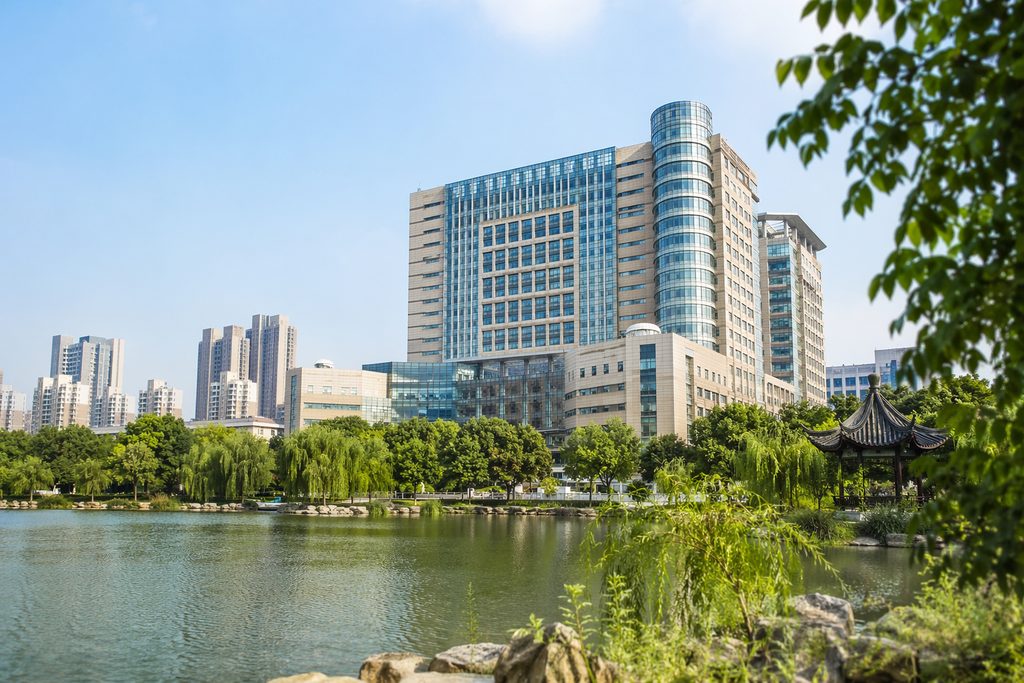
First Affiliated Hospital of Fujian Medical University Hematology for International Patients: What to Know Before You Book
If you are searching for hematology treatment cost China, you are likely facing a difficult diagnosis and an even harder set of numbers from your local hospital. The First Affiliated Hospital of Fujian Medical University in Fuzhou operates one of the largest hematology departments in southeastern China. For international patients, it represents a specific calculation: can a provincial top-tier hospital deliver outcomes comparable to Western centers at a fraction of the price? The short answer is yes in many cases, but the path to treatment requires understanding how this hospital actually works.
Leukemia, lymphoma, myeloma, and myelodysplastic syndromes do not pause while you compare options. A bone marrow transplant in the United States can exceed $500,000 before insurance. The same procedure at a major Chinese public hospital typically runs between $60,000 and $120,000. The First Affiliated Hospital of Fujian Medical University falls within this range, though final figures vary by protocol, donor source, and complication profile. Our team helps patients evaluate whether this specific institution matches their diagnosis.
Key Takeaways
- The hematology department at First Affiliated Hospital of Fujian Medical University treats over 3,000 new blood cancer patients annually, with a transplant unit performing more than 200 hematopoietic stem cell transplants per year.
- Total treatment costs for leukemia at this hospital typically run 60–80% below comparable US private-pay rates, even when factoring in international coordination services.
- Public hospital rules in China mean you cannot book a specialist appointment from overseas without going through the hospital’s international office or a coordination partner.
- You need complete, translated medical records before any Chinese hematologist will give you a meaningful treatment opinion.
The Problem: Blood Cancer Care Is Financially Devastating in Western Systems
According to the Leukemia & Lymphoma Society, the average first-year cost of treating acute myeloid leukemia in the United States exceeds $280,000, with allogeneic transplant years running higher. Even insured patients face out-of-pocket maximums that wipe out savings. The uninsured face impossible choices.
This is not a US-only problem. Patients from Canada and the UK face wait times for hematology consultations and transplant slots that stretch months. In Australia and New Zealand, access to certain CAR-T therapies and novel targeted agents lags behind Chinese centers by one to two years. The math pushes patients to look abroad.
China has become a serious destination for hematology care. Not because it is exotic. Because it is fast and affordable.
Why China Delivers Results in Hematology
Clinical Volume Creates Competence
A hematologist at a major Chinese public hospital manages more blood cancer cases in one month than many Western hematologists see in a year. The First Affiliated Hospital of Fujian Medical University runs a dedicated hematology ward with more than 200 beds. Its transplant program handles haploidentical transplants — a technique pioneered in China — at scale. Volume matters in hematology. Complications are caught earlier. Protocols are refined faster. Nurses recognize sepsis before it becomes fatal.
Technology Adoption Without the Bureaucratic Lag
Chinese hospitals adopt new targeted therapies quickly. BTK inhibitors, BCL-2 inhibitors, FLT3 inhibitors, and bispecific antibodies are available in Fuzhou at prices 40–70% below US list prices. Why? China negotiates national drug pricing aggressively. Domestic pharmaceutical manufacturing adds competition. The result is that a patient who cannot afford ibrutinib in the US can often afford it in China.
Cost Structure That Actually Makes Sense
Lower cost does not mean lower quality in China. It means lower labor costs, higher patient throughput, and government-capped drug pricing. A professor-level hematologist in Fuzhou earns a fraction of what a US oncologist earns. That savings flows to the patient. Hospital rooms, nursing care, laboratory testing — all cheaper. The clinical protocols are the same ones published in Blood and The Lancet Haematology.
What the First Affiliated Hospital of Fujian Medical University Actually Offers
The hematology department here is not a boutique clinic. It is a high-volume public hospital department with a strong regional reputation. Fudan University’s hospital rankings place the institution among the top tier in Fujian province, though it does not appear in the national top 10 for hematology. That distinction belongs to centers like Ruijin Hospital in Shanghai and Peking University People’s Hospital in Beijing.
What this hospital offers is solid, protocol-driven care at lower cost than Shanghai or Beijing. For a patient with newly diagnosed AML, standard induction chemotherapy here follows NCCN guidelines. For lymphoma, R-CHOP and DA-EPOCH-R are standard. The transplant unit performs both autologous and allogeneic transplants, including haploidentical donor transplants.
Language is the biggest barrier. Few staff members speak English fluently. The hospital has an international office, but it is not designed for walk-in foreign patients. This is where coordination makes the difference between a smooth admission and a chaotic one.
How to Evaluate Whether This Hospital Fits Your Diagnosis
Not every blood cancer patient should travel to Fuzhou. The decision depends on three factors: diagnosis, stage, and treatment goal.
For standard chemotherapy regimens, this hospital is a strong value. For complex relapsed/refractory disease requiring CAR-T or novel bispecifics, you may be better served at a center with more clinical trial access, such as Shanghai or Beijing. For transplant, the haploidentical program here is mature and capable.
Ask your current hematologist one question: “If cost were not a factor, what would my protocol look like?” Then ask whether that protocol is available in China. If the answer is yes, this hospital becomes a real option.
| Treatment Type | China (Fuzhou) Estimated Cost | US Estimated Cost | UK Private Estimated Cost |
|---|---|---|---|
| AML induction chemotherapy (7+3) | $18,000–$35,000 | $120,000–$180,000 | $90,000–$140,000 |
| R-CHOP for DLBCL (6 cycles) | $15,000–$28,000 | $90,000–$150,000 | $70,000–$110,000 |
| Autologous stem cell transplant | $25,000–$45,000 | $150,000–$250,000 | $120,000–$200,000 |
| Allogeneic transplant (matched sibling) | $60,000–$100,000 | $350,000–$600,000 | $280,000–$450,000 |
| Ibrutinib (monthly, generic available) | $800–$1,500 | $14,000–$16,000 | $8,000–$11,000 |
These figures are estimates based on published hospital price lists and patient-reported costs. Actual charges vary by hospital and case complexity. Always request a written quote from the hospital’s international office before committing.
Practical Considerations: Documentation, Visa, and Payment
You cannot just show up. Chinese public hospitals require a full medical file before any hematologist will review your case. That means translated pathology reports, flow cytometry results, cytogenetics, molecular markers, and all prior treatment summaries. Translation must be professional — Google Translate will not do.
For visa, you need an S2 visa with a notation for medical treatment. Family members accompanying you also apply for S2 visas. The hospital must issue an invitation letter and treatment confirmation before you can apply. Processing takes 2–4 weeks in most countries. Do not book flights until the visa is approved.
Payment is prepaid. Public hospitals in China require a deposit before admission, typically 50–100% of the estimated treatment cost. International bank transfers are accepted, as are major credit cards with prior arrangement. Insurance reimbursement is your responsibility — the hospital will provide itemized invoices and medical records for your insurer.
Important: The First Affiliated Hospital of Fujian Medical University is a public hospital. You cannot book a specialist appointment online from overseas without going through the hospital’s international coordination channel. Attempting to use the regular outpatient registration system will result in same-day queues and no English support.
Language interpretation is critical during admission, chemotherapy consent, and any emergency. The hospital does not provide interpreters. You need to arrange this yourself or through a coordination service.
Is Leukemia Treatment Safe in China?
This question comes up in every consultation. The honest answer: safety depends on the hospital, not the country. A JCI-accredited private hospital in Shanghai has different safety protocols than a rural county hospital. The First Affiliated Hospital of Fujian Medical University falls in between — it is a provincial top-tier public hospital with an established hematology program, but it is not JCI-accredited.
Infection control is the biggest concern for immunocompromised patients. Chinese public hospitals are crowded. Private rooms are limited. You should request a private room in the international ward if available, even at higher cost. Bring your own masks, hand sanitizer, and personal protective supplies.
Blood product safety in China has improved significantly since 2015, when the government centralized blood collection and testing. All donated blood in Fujian province is screened for HIV, HBV, HCV, and syphilis using nucleic acid testing. Platelet transfusions for leukemia patients are generally available, though supply can tighten during holidays.
Is it safe? For standard hematology treatment at a major provincial hospital, yes — with proper coordination and realistic expectations. Is it the same as MD Anderson? No. But MD Anderson costs ten times more and you may wait months for a bed.
Frequently Asked Questions
Yes, but not through the regular outpatient system. You need to go through the hospital’s international office or a coordination partner. A written second opinion based on your existing records costs between $300 and $500. A video consultation with a hematology specialist runs $500 to $800. If you later travel for treatment, these fees are credited toward the coordination service.
For an allogeneic transplant at this hospital, expect $60,000 to $120,000 total, including pre-transplant conditioning, the transplant itself, and the initial recovery period. Autologous transplants run $25,000 to $45,000. These figures exclude travel, accommodation, and coordination fees. Always get a written quote before committing.
The hospital has an intensive care unit and a dedicated hematology emergency pathway. However, you should understand that public hospital ICUs in China operate differently from Western ICUs. Family members are expected to be more involved in basic care. If you require air ambulance evacuation, that cost is entirely yours. Medical evacuation insurance is strongly recommended for any international patient undergoing transplant.
For induction chemotherapy, plan on 4–6 weeks. For an allogeneic transplant, plan on 3–6 months, with the first 100 days post-transplant requiring close monitoring. Some patients transfer to a rehabilitation facility or return home with a detailed follow-up plan after the critical period. Your hematologist will define the timeline based on engraftment and complication profile.
No. The best blood cancer hospital Shanghai designation belongs to Ruijin Hospital, which ranks among China’s top 10 for hematology. Peking University People’s Hospital is the national leader in haploidentical transplant. The Fuzhou hospital is a strong regional center, not a national top-10 program. If your case is complex or relapsed, consider Shanghai or Beijing first. If your case is standard and you want lower costs with solid care, Fuzhou is a reasonable option.
Your Next Step
Choosing a hospital for blood cancer treatment is one of the hardest decisions you will ever make. You need accurate cost data, honest assessments of hospital quality, and someone who understands how Chinese public hospitals actually work. Our team at China Medical Services provides exactly that — hospital matching, record translation, appointment coordination, and bilingual medical companions. We are not a hospital and we do not provide diagnoses. We help you get the right records in front of the right specialists, and we tell you the truth about what to expect. When you are ready to explore whether treatment in China makes sense for your situation, start with a free consultation.
Blood cancer does not wait. But neither should you rush into a decision without complete information. Get the facts. Then decide.
For more medical information and treatment options in China, visit chinamedservices.com (China Medical Services).
