Plastic Surgery Hospitals in Fuzhou: Costs, Safety, and How to Choose
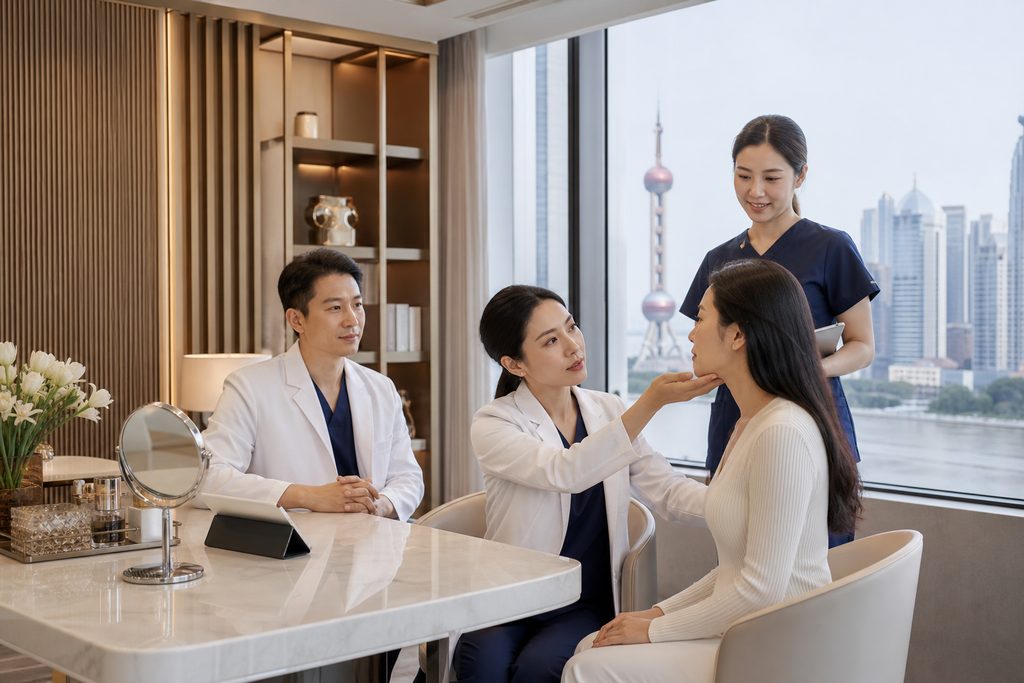
What does plastic surgery in Fuzhou actually cost, and can a foreign patient walk into a Chinese hospital and book it? The honest answer: plastic surgery hospitals in Fuzhou cost far less than Western equivalents — a rhinoplasty often runs $2,500–$6,000 versus $8,000–$15,000 in the United States — but public hospitals rarely let you reserve a surgeon from overseas without a face-to-face consultation first.
That gap between price and process is where most international patients get stuck. The surgery is affordable. The navigation is not obvious. This guide walks through what Fuzhou offers, what it costs, how safety is regulated, and the realistic path from first inquiry to recovery.
Plastic Surgery Hospitals in Fuzhou Cost: The Short Answer
Fujian Province, where Fuzhou is the capital, sits in China’s mid-to-upper tier for medical pricing. It is not as cheap as some inland cities and not as expensive as Beijing or Shanghai. For most elective procedures, expect to pay roughly one-fifth to one-third of U.S. rates.
Here is the caveat that makes this more complicated than a single number. Quoted prices depend on the surgeon’s seniority, whether the hospital is public or private, whether general anesthesia is involved, and how many nights you stay. A “cheap” quote often excludes anesthesia, lab work, medication, and follow-up visits. Always ask what is bundled.
Key takeaway: Public tertiary hospitals in Fuzhou generally offer the lowest surgical fees but the least English support. Private and international departments cost more but bundle coordination, translation, and direct billing.
Who This Is Right For — and Who It Isn’t
Medical tourism for cosmetic surgery is not for everyone, and being clear about that protects you. Fuzhou works well for some patients and poorly for others.
Typically a reasonable fit:
- Patients seeking rhinoplasty, eyelid surgery, facial contouring, breast augmentation, or liposuction at a fraction of Western prices
- People already traveling in Asia who can extend a trip for consultation and recovery
- Patients willing to spend 10–14 days in China, including a pre-op consultation and a post-op check
- Those with realistic expectations and no untreated medical conditions
Probably not a good fit:
- Anyone with uncontrolled diabetes, bleeding disorders, or active infections — surgeons will decline
- Patients needing complex reconstructive work tied to cancer or trauma, which belongs with a specialist team, not a cosmetic clinic
- People who cannot stay long enough for proper healing and a follow-up review
- Anyone hoping to skip the in-person consultation. Chinese public hospitals do not schedule surgery on the basis of photos alone.
If your case is medically complex, staying home with a surgeon who knows your full history may genuinely be the safer choice.
The Options, Compared
Before choosing a clinic, understand the tiers. The table below reflects typical ranges for common procedures and the trade-offs at each level. Figures are estimates and vary by hospital and case complexity.
| Option | Typical Rhinoplasty Cost | English Support | Booking Lead Time | Best For |
|---|---|---|---|---|
| Public tertiary hospital, standard clinic | $2,500–$4,500 | Limited | Same-day queue or short wait | Budget-focused, Mandarin-capable patients |
| Public hospital international/VIP department | $4,000–$7,000 | Good | 1–3 weeks | Foreign patients wanting senior surgeons |
| Private international clinic | $5,000–$9,000 | Excellent | Days to 2 weeks | Insurance billing, Western-style service |
| U.S. or Western Europe | $8,000–$15,000 | Native | Weeks to months | Local follow-up, familiar legal recourse |
Which column suits you? If cost is the deciding factor and you have language support, the public standard tier is hard to beat. If you are flying in alone and want a smooth experience, the international or private tier usually justifies its premium.
Is Plastic Surgery in China Safe for Foreigners?
This is the question that matters most, and it deserves a straight answer. China regulates cosmetic surgery through its National Health Commission, and licensed hospitals must meet facility, anesthesia, and surgeon-qualification standards. Major public hospitals in Fuzhou operate under the same tiered system that governs the country’s top medical centers.
Safety, though, depends heavily on where you go. Unlicensed “beauty salons” offering injections or minor surgery exist in every Chinese city, and they are the source of most reported complications. The rule is simple: if a facility cannot show you a valid medical license and a qualified anesthesiologist, walk away.
Three practical safeguards:
- Confirm the surgeon holds a valid practicing certificate and specializes in your procedure
- Insist on a pre-operative assessment, including blood work and imaging where relevant
- Ask who handles emergencies and whether the facility has intensive care backup
Be cautious with unusually low quotes. In cosmetic surgery, a price far below market often signals a non-medical setting, an unqualified practitioner, or hidden add-on fees.
For a broader picture of how Chinese hospitals are ranked and credentialed, our directory of top-ranked hospitals by city groups facilities by official tier so you can see which institutions carry genuine accreditation.
How Much Does Rhinoplasty Cost in Fuzhou?
Rhinoplasty is the most-searched procedure among international patients considering Fuzhou, so it deserves its own breakdown. A standard augmentation or reduction rhinoplasty in a public tertiary hospital typically lands between $2,500 and $4,500. Revision surgery, which is more complex, can reach $6,000 or more.
What drives the variance?
- Surgeon seniority — a department chief charges more than a junior attending
- Technique — open versus closed approaches, and whether grafts are used
- Anesthesia — general anesthesia adds cost over local sedation
- Hospital stay — most rhinoplasty patients stay one to two nights
- Materials — implant type and source affect the final bill
What is often not included: pre-op lab tests, medication, compression garments, and follow-up visits. Ask for an itemized quote in writing before you commit. If a clinic resists giving you one, that is useful information.
Patients weighing other specialties can browse procedure-specific rankings through our department guides covering 45 specialties, which list the leading hospitals in each field.
Practical Considerations: Visas, Payment, and Follow-Up
Logistics decide whether a trip succeeds as much as the surgery does. Here is what to plan for.
Visa. Foreign patients traveling to China for medical treatment generally use the S2 visa, which covers short-stay private affairs including medical care. Family members accompanying you apply under the same category. The M visa is for commercial and trade activity and is not the right category for treatment. Requirements shift, so confirm current rules with the nearest Chinese embassy or consulate and bring supporting documents from the hospital.
Payment. Public hospitals typically require prepayment, and international insurance is usually reimbursed after the fact rather than billed directly. Some private international clinics offer direct billing with certain insurers. Confirm this before booking.
Language. China’s top hospitals see thousands of outpatients daily. Signage, forms, and staff conversations are overwhelmingly in Mandarin. Without language support, even simple steps like registration and payment become difficult.
Follow-up. You will likely fly home before full healing. Arrange a clear aftercare plan and get your operative notes and imaging in a format your home doctor can read.
Booking a consultation. Public hospital outpatient slots cannot generally be reserved from abroad in advance. To lock in a senior surgeon and English service, patients typically go through a hospital’s international or VIP department, which costs roughly 1.5 to 2 times the standard channel.
Frequently Asked Questions
Rarely through the standard public channel. Most public hospitals require an in-person consultation before scheduling surgery, and outpatient registration happens on the day. International or VIP departments, and private clinics, are more flexible and can sometimes arrange a remote preliminary review. Even then, a face-to-face assessment before surgery is standard.
For most elective cosmetic procedures, yes — often 60–80% less than U.S. prices. But the gap narrows once you add flights, accommodation, translation, and follow-up. Factor total trip cost, not just the surgical fee, before deciding.
This is a real risk and worth planning for. Complications can appear weeks after surgery, and your Chinese surgeon will not be available in person. Choose a facility with a documented aftercare protocol, get complete medical records before you leave, and identify a local doctor at home who can handle minor follow-up. For anything serious, you may need to return — build that possibility into your budget and expectations.
The S2 visa is the applicable short-stay category for medical treatment and private affairs, and accompanying family members apply the same way. Requirements change, so verify current documentation with your nearest Chinese embassy or consulate before applying.
Your Next Step
Fuzhou offers genuine value for cosmetic surgery, provided you choose a licensed facility and plan the trip properly. The savings are real; so is the legwork. Understanding the tiers, the true cost breakdown, and the visa and language realities puts you in control instead of relying on a sales pitch.
We are China Medical Services, a coordination service — not a hospital, and we do not diagnose or perform procedures. We help international patients compare facilities, request written second opinions, arrange video consultations, and manage the logistics of treatment in China, including bilingual accompaniment and appointment coordination. If you would like to talk through your options, you can start with a free consultation — no pressure, just clear information to help you decide.
This article is for general information only and is not medical advice. Surgical decisions should always be made with a qualified, licensed physician who has reviewed your individual history.
For more medical information and treatment options in China, visit chinamedservices.com (China Medical Services).
