Gastric Balloon Abroad: Is It a Good First Step Before Surgery?
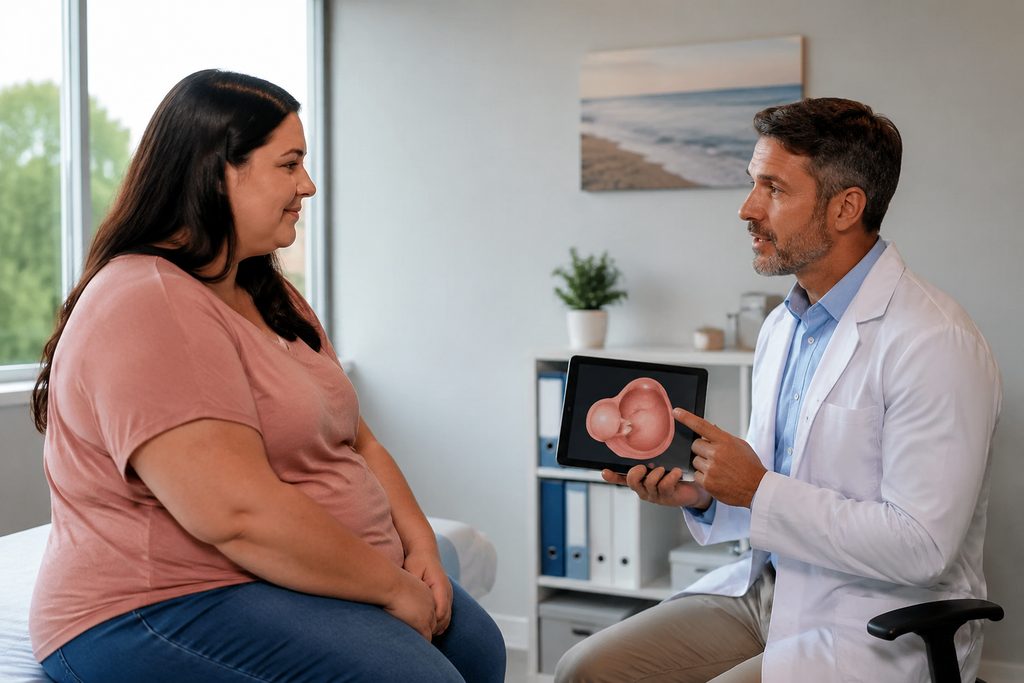
When 38-year-old Daniel from Manchester first started researching weight loss options, he felt trapped between two bad choices. His BMI sat at 38, his GP had mentioned bariatric surgery twice, but the thought of a permanent anatomical change terrified him. He wanted something reversible. Something that would test his commitment without locking him in. That search led him to a question thousands of patients ask every month: is a gastric balloon a good first step?
The short answer is yes for the right candidate. A gastric balloon offers a middle path between failed dieting and irreversible surgery. It occupies the stomach for six to twelve months, reducing capacity, forcing portion control, and creating the behavioral reset that many patients need before committing to something permanent. But it is not a shortcut. It is a tool. Whether it works depends entirely on what you do with the six months it buys you.
For patients weighing their options internationally, the math gets even more interesting. The gastric balloon cost China runs roughly $4,000 to $8,000 depending on the hospital tier and balloon type. That compares to $8,000 to $15,000 in the US and €6,000 to €10,000 across Western Europe. The savings are real. But cost is only one variable in a decision that will shape your health for years.
Key Takeaways
- A gastric balloon typically produces 10–15% total body weight loss over six months, compared to 25–35% for sleeve gastrectomy.
- The gastric balloon cost China averages $4,000–$8,000, roughly half of US pricing for the same device.
- Balloon removal is mandatory at six or twelve months — this is not a permanent implant, which is precisely the point for many patients.
- Success depends on structured dietary coaching during the balloon period; without it, weight regain after removal is common.
The Problem: Dieting Alone Keeps Failing for High-BMI Patients
Approximately 1 in 8 adults worldwide now meets the clinical definition of obesity. In the UK, NHS data shows 26% of adults are obese, and the figure climbs every year. In the US, the CDC puts adult obesity at 41.9%. These are not cosmetic concerns. Obesity drives type 2 diabetes, hypertension, sleep apnea, and joint failure. The direct medical cost in the US alone exceeds $170 billion annually.
Most patients have tried everything before they start searching for a gastric balloon abroad. Meal replacement programs. Personal trainers. Calorie tracking apps. Intermittent fasting. The pattern is familiar: lose 10 pounds, regain 15. The physiological reality is that sustained weight loss above 10% of body weight is rare without mechanical or surgical intervention. The National Weight Control Registry, which tracks people who have lost at least 30 pounds and kept it off for a year, represents a tiny fraction of the millions who attempt weight loss each year.
That leaves patients like Daniel staring at bariatric surgery. Sleeve gastrectomy. Gastric bypass. Permanent anatomical changes with life-altering consequences — vitamin deficiencies, dumping syndrome, lifelong dietary restrictions. For someone not psychologically ready for that commitment, the jump feels impossible. And that is exactly where a gastric balloon fits.
Why a Gastric Balloon Works as a First Step
The evidence for intragastric balloons is solid but specific. They work. They work best as part of a structured program. And they work better for some patients than others. Let’s break down the actual mechanics and data.
Volume Restriction Creates Immediate Portion Control
A deflated silicone balloon is inserted endoscopically and then filled with saline — typically 400 to 700 milliliters depending on the system. Once inflated, it occupies a significant portion of the stomach. The physical result is simple: you feel full faster. A meal that once required a large plate now triggers satiety after a small bowl. This is not willpower. It is physics.
Clinical trials consistently show that patients with a gastric balloon lose significantly more weight than those on diet and exercise alone. A 2021 meta-analysis published in Obesity Surgery reviewed 12 randomized controlled trials and found mean excess weight loss of 32% with the balloon versus 14% with lifestyle modification alone. The effect is real. But it fades after removal unless habits change.
Behavioral Reset Without Permanent Anatomy Changes
The six-month balloon window is effectively a forced dietary education period. You cannot overeat. You learn what appropriate portions actually look like. You discover which foods trigger discomfort — typically fatty, heavy meals that sit in the stomach longer. You build new patterns around smaller, more frequent meals. For many patients, this is the first sustained period of normal eating they have experienced in years.
Some bariatric teams now use the balloon as a bridge to surgery. Patients with a BMI over 50 face higher surgical risk. A balloon can bring that BMI down by 5 to 8 points before a sleeve or bypass, reducing anesthesia risk and improving outcomes. This approach is common in Shanghai and Beijing, where high-volume bariatric centers routinely manage complex cases.
Reversibility Reduces the Psychological Barrier
The fear of irreversible surgery keeps many patients stuck in obesity for years. A balloon removes that fear. It goes in. It comes out. If it does not work for you, nothing permanent happened. That psychological safety net makes it easier to start. And starting is often the hardest part.
But here is the honest flip side: the balloon is not a permanent solution. Once removed, the stomach returns to its original capacity. Without the habits built during the balloon period, weight regain begins within months. Studies show that 30–50% of patients regain a meaningful portion of lost weight within one year of removal. The balloon buys you time. It does not do the work for you.
Gastric Balloon Cost China: What You Actually Pay
Western patients researching how much is a gastric balloon abroad often start with sticker shock at home. In the US, the Orbera system — the most widely used intragastric balloon — typically runs $8,000 to $15,000 including placement, monitoring, and removal. Many insurance plans exclude it entirely. In the UK, private clinics charge £4,000 to £7,000. NHS coverage is rare and rationed by postcode.
China offers a different cost structure. The gastric balloon cost China typically ranges from $4,000 to $8,000 at top-tier public hospital international departments. Private international hospitals in Shanghai and Beijing may charge slightly more, but still below Western rates. Why the gap? Lower labor costs for hospital staff, high patient volume that spreads fixed costs, and a competitive private market. The balloon device itself is the same — Orbera, Spatz3, and Allurion are all used in Chinese hospitals.
| Country | Typical Gastric Balloon Cost | Includes |
|---|---|---|
| United States | $8,000 – $15,000 | Placement, 6-month monitoring, removal |
| United Kingdom | £4,000 – £7,000 ($5,000 – $9,000) | Placement, limited follow-up, removal |
| Germany | €6,000 – €9,000 ($6,500 – $9,800) | Placement, monitoring, removal |
| China (public international dept.) | $4,000 – $8,000 | Placement, monitoring, removal, translation support |
| China (private international hospital) | $5,000 – $9,000 | Placement, comprehensive follow-up, English-speaking staff |
These figures vary by hospital and case complexity. A patient with significant comorbidities may require additional pre-procedure testing. The balloon type matters too — the Allurion swallowable balloon, which requires no endoscopy for placement, carries a different price point than endoscopic systems. Always confirm exactly what a package includes before committing.
Gastric Balloon Before Bariatric Surgery Shanghai: A Bridge Strategy
Shanghai has become a hub for international patients considering weight loss interventions. The city’s top hospitals — Ruijin Hospital, Zhongshan Hospital, and Huashan Hospital — run high-volume bariatric programs that see thousands of cases annually. Several now offer a staged approach: balloon first, then surgery only if needed.
This makes clinical sense. A patient with a BMI of 45 who loses 12% of body weight on a balloon may decide they no longer need surgery. Or they may proceed to a sleeve with a lower BMI, reduced liver size, and better surgical access. The balloon becomes a diagnostic tool as much as a therapeutic one. It answers a critical question: can this patient sustain the behavioral changes that any successful weight loss — surgical or not — requires?
For international patients, the logistics of a gastric balloon in Shanghai are straightforward. The procedure itself takes 20 to 30 minutes under light sedation. Most patients stay in the city for three to five days for placement and initial monitoring, then return home. Follow-up happens remotely via video consultation. Removal six months later requires a short return trip — or, for some balloon systems, the device deflates and passes naturally.
Book Gastric Balloon Procedure Beijing: What the Process Looks Like
Beijing offers the same staged approach through hospitals like Peking Union Medical College Hospital and Beijing Friendship Hospital, which runs one of China’s largest obesity and metabolic disease centers. Patients who book a gastric balloon procedure in Beijing typically follow a clear sequence.
The process starts with remote evaluation. You send existing medical records — recent blood work, any prior endoscopy reports, a list of current medications. A bariatric specialist reviews them and confirms whether you are a candidate. Contraindications include large hiatal hernia, prior gastric surgery, active ulcers, and certain esophageal conditions. If cleared, you schedule placement.
On arrival, expect a pre-procedure consultation, placement under sedation, and a recovery observation period of a few hours. Most patients feel mild nausea and cramping for the first three to five days as the stomach adjusts. This is normal. Anti-nausea medication helps. By day seven, most patients tolerate small regular meals comfortably.
Gastric balloon weight loss packages China typically bundle the placement, a dietitian consultation, remote follow-up calls, and removal. Some packages include hotel recommendations and airport transfer. Prices cluster around $4,500 to $7,500 depending on hospital tier and balloon type. The bundled approach matters because the balloon without dietary coaching is a waste of money.
Who Should Not Get a Gastric Balloon
Honesty matters here. The balloon is not for everyone. Patients with a BMI under 27 rarely qualify — the risks outweigh the benefits for modest overweight. Patients with untreated reflux, known esophageal stricture, or a history of gastric surgery should not get a balloon. Pregnancy is an absolute contraindication. Active H. pylori infection must be treated first.
More importantly, the balloon is not a solution for someone unwilling to change how they eat. If you plan to white-knuckle through six months of tiny portions and then return to your previous diet, you will regain the weight. Every bariatric specialist will tell you the same thing. The balloon is a tool. The outcome depends on the user.
And for patients with a BMI over 50, a balloon alone may be insufficient. The weight loss ceiling for a balloon is roughly 15% of total body weight. For a 300-pound patient, that means losing about 45 pounds — meaningful, but still leaving a BMI above 40. These patients may be better served by using the balloon as a bridge to surgery rather than a standalone treatment.
Practical Considerations: Travel, Visas, and Follow-Up
If you are traveling to China for a gastric balloon, the logistics are manageable but require planning. The applicable visa category for medical treatment is the S2 visa, which covers short-term private affairs including medical care. You will need supporting documents from the hospital — typically a treatment invitation letter and appointment confirmation. Processing times vary by consulate, so apply at least four to six weeks before your planned travel date.
Payment works differently than in Western hospitals. Chinese public hospitals generally require prepayment for procedures. International departments accept major credit cards and sometimes bank transfers. Private international hospitals like United Family and Jiahui may bill insurance directly, but most Western insurance plans exclude bariatric procedures anyway. Budget for self-pay unless you have confirmed coverage in writing.
Language is the biggest practical barrier. Even in international departments, not every staff member speaks fluent English. A bilingual medical companion can handle registration, payment, translation during consultations, and post-procedure instructions. This service typically starts around $300 per day. For a three-to-five-day hospital visit, that adds roughly $900 to $1,500 to the total — worth it for most international patients navigating an unfamiliar system.
Follow-up after returning home is straightforward. Most hospitals offer remote video consultations for the six-month balloon period. You will need to maintain communication with a local physician for any acute issues. The removal procedure requires a return trip, typically one to two days in hospital. Factor that travel cost into your total budget.
For a broader look at hospital options, our guide to China’s top-ranked hospitals breaks down the Fudan-ranked institutions by city. If you are comparing private versus public care, the private international hospital overview explains the differences in service models and pricing.
Frequently Asked Questions
Yes, for many patients it is an excellent first step. It provides meaningful weight loss — typically 10–15% of body weight — without permanent anatomical change. The six-month window forces the behavioral habits that any successful weight loss requires. If you succeed with the balloon, you have strong evidence that you can maintain the habits needed for long-term success. If you do not, nothing irreversible happened.
The gastric balloon cost China runs roughly half of US pricing. Expect $4,000 to $8,000 in China versus $8,000 to $15,000 in the US. European prices fall in between. The savings come from lower hospital labor costs and higher patient volume, not from inferior equipment or care. The balloon devices themselves are the same internationally approved systems used in Western hospitals.
Serious complications are rare — the most concerning is balloon deflation or migration, which occurs in less than 2% of cases. If you experience severe abdominal pain, vomiting, or signs of obstruction after returning home, you should seek care at a local emergency department immediately. The hospital that placed the balloon should provide you with documentation of the device type and size to share with local physicians. Remote follow-up with the placing hospital is standard, but acute issues require local care.
Some regain is common. Studies show 30–50% of patients regain a meaningful portion of lost weight within a year of removal. The patients who keep the weight off are those who used the balloon period to build permanent habits — smaller portions, regular meals, reduced processed food intake. The balloon does not change your metabolism. It changes your behavior. Whether that change sticks depends on you.
BMI 35 is within the typical eligibility range for a gastric balloon. Most international guidelines recommend the balloon for patients with a BMI between 27 and 40 who have failed conventional weight loss methods. At BMI 35 with no comorbidities, you are a textbook candidate. The balloon may be sufficient on its own, or it may serve as a bridge to surgery if you decide later that you want a more permanent solution.
Your Next Step
The decision to get a gastric balloon is personal and significant. It is not a quick fix. It is a structured, time-limited intervention that works when paired with real dietary change. Understanding the costs, the process, and the honest limitations puts you in a stronger position to decide whether this first step makes sense for you.
We help international patients navigate medical care in China — from hospital selection to appointment coordination to bilingual support on the ground. We are not a hospital and we do not provide medical advice or diagnoses. If you want to understand your options, start with a free consultation. We will help you sort through the details without pressure.
For more medical information and treatment options in China, visit chinamedservices.com (China Medical Services).
