Gestational Trophoblastic Disease in China: Costs, Hospitals & Care
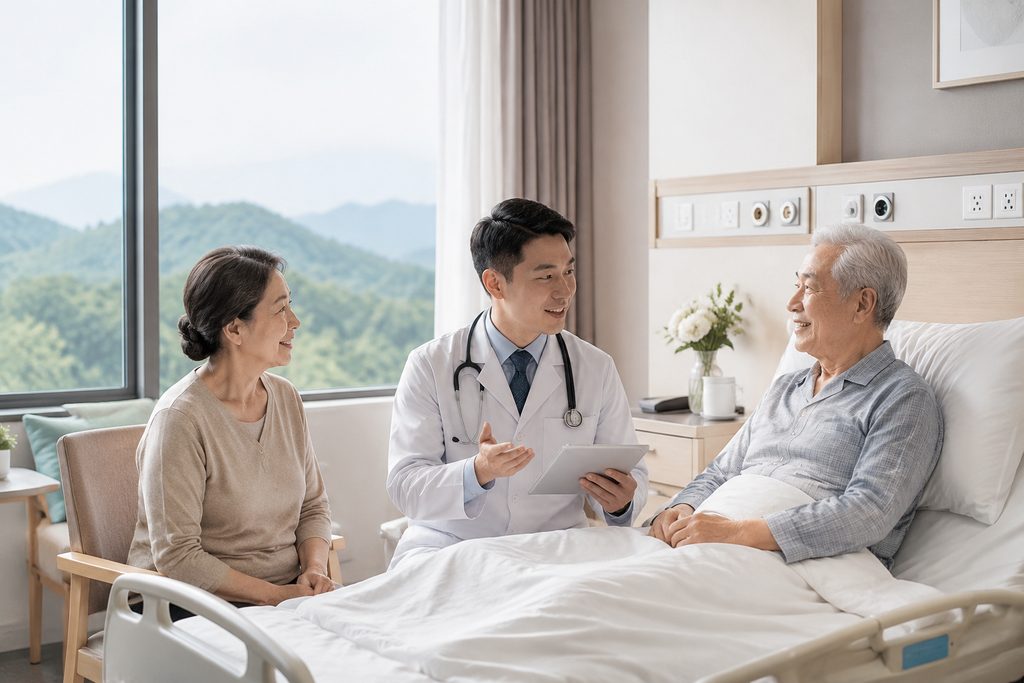
While a molar pregnancy in the United States can take weeks to route from a local OB to a gynecologic oncologist, China’s largest women’s hospitals see hundreds of gestational trophoblastic disease cases a year — and some rank among the top 10 nationally for obstetrics and gynecology. That gap in volume and speed is exactly why a growing number of international patients now ask us about gestational trophoblastic disease in China. The question is never just “can I be treated there?” It is whether the system will work for someone who does not speak Mandarin and does not know where to start.
Gestational trophoblastic disease (GTD) is a family of conditions that begin in the placental tissue — from benign molar pregnancies to the malignant form, gestational trophoblastic neoplasia (GTN). Most cases are highly curable when monitored properly. The catch is that “properly” means frequent beta-hCG blood tests, imaging, and sometimes chemotherapy, all tracked over months. That is a logistical problem as much as a medical one.
Gestational Trophoblastic Disease in China: The Short Answer
Treatment is available, affordable, and concentrated in a small number of high-volume women’s hospitals. A full workup plus first-line treatment for low-risk GTN often lands between $2,000 and $8,000 depending on the hospital tier and the number of chemotherapy cycles. The complication is not access to care — it is access to *scheduling*. Public hospital outpatient slots cannot be reserved from overseas in advance, and surgery or chemotherapy is only arranged after an in-person consultation.
So the realistic path for a foreign patient runs through a hospital’s international department or a coordinated referral, not the standard walk-in queue.
Who This Is Right For — and Who It Isn’t
GTD is rare. In Western countries it complicates roughly 1 in 600 to 1 in 1,000 pregnancies, and the malignant subset is rarer still. That rarity is the whole reason volume matters: a center that treats dozens of cases a year follows protocols a general hospital may see once a decade.
Patients who tend to benefit from coming to China:
- Confirmed or suspected molar pregnancy needing expert pathology review and hCG follow-up
- Rising or plateauing hCG after a molar pregnancy evacuation — the classic sign of GTN
- Low-risk GTN requiring single-agent chemotherapy with strict monitoring
- Patients facing long waits or high out-of-pocket costs at home
- Families who want a second opinion on whether chemotherapy is even necessary yet
Patients for whom staying home is genuinely better:
- Any acute emergency — heavy bleeding, severe abdominal pain, or suspected uterine perforation needs the nearest emergency room, not a flight
- High-risk or metastatic GTN, where treatment is complex and best managed close to home unless a specialist explicitly advises otherwise
- Patients in the middle of an active chemotherapy protocol that should not be interrupted
- Anyone who cannot commit to months of follow-up hCG testing, because incomplete monitoring is how GTD becomes dangerous
How China’s Top Hospitals Compare for GTD Care
China has more than 35,000 hospitals. Our network covers 340+ top-ranked institutions across 37 cities, selected using the Fudan Hospital Rankings and JCI accreditation — roughly the top 5% of the country’s hospitals. For GTD, the relevant specialty is obstetrics and gynecology, where the Fudan specialty reputation list names a top 10 nationally.
| Care Setting | Typical Cost (USD) | English Support | Booking From Abroad | Best For |
|---|---|---|---|---|
| Public tertiary hospital, standard channel | $2,000–5,000 | Limited | Not possible in advance | Budget-focused patients with a companion |
| Public hospital international / VIP department | $4,000–8,000 | Yes | Yes, via coordination | Most international GTD patients |
| Private international hospital | $8,000–15,000+ | Yes, full service | Yes | Insurance direct-billing, Western-style care |
| Written second opinion only (no travel) | $300–500 | Translated report | Yes | Confirming a diagnosis before committing |
Which column fits you depends on two things: how complex your case is, and whether you need English-language care at every step. A straightforward low-risk GTN case at a public international department is often the sweet spot — expert hands, manageable cost, and someone who can explain the hCG chart in English.
The One Thing GTD Patients Get Wrong About Chinese Hospitals
They assume they can pick a famous hospital, book a date, and show up for treatment. That is not how public tertiary hospitals work. Registration for a standard outpatient slot happens on the day, in person, by queue. A surgical or chemotherapy plan is only created after a doctor examines you face to face.
The workaround is the international or VIP department, which does allow advance coordination — at roughly 1.5 to 2 times the standard price. That premium buys you an English-speaking coordinator, a scheduled appointment, and a physician who expects a foreign patient. For GTD, where the first visit usually triggers a wave of tests (quantitative hCG, pelvic ultrasound, chest imaging, sometimes a repeat pathology review), having that coordination in place saves days.
Browse China’s top-ranked departments by specialty to see where obstetrics and gynecology leaders sit, or start with our directory of Fudan-ranked hospitals by city.
What It Costs — and What Drives the Number
Costs vary by hospital and case complexity. Here is the honest range for the main components.
- Consultation and diagnostic workup: $300–1,200, covering specialist visits, serial beta-hCG testing, ultrasound, and chest X-ray or CT
- Pathology review: $150–400 if slides need re-reading
- Single-agent chemotherapy (low-risk GTN): $500–1,500 per cycle, with most low-risk protocols running several cycles
- Multi-agent chemotherapy (high-risk): significantly higher and highly case-dependent
- Hospital stay: $100–400 per day depending on room class
For comparison, the same workup and low-risk treatment in the US can exceed $30,000 even with insurance. That gap — often five to ten times on comparable procedures — is the main financial argument for traveling. It is not the only argument, though. Volume and protocol familiarity matter more than price when the disease is rare.
What is usually not included: flights, accommodation, visa costs, and any treatment beyond the agreed plan. Public hospitals require prepayment, with insurance reimbursed afterward; private international hospitals often bill insurers directly.
Practical Considerations: Visa, Records, and Follow-Up
For medical travel to China, the applicable short-stay visa category is S2, used for medical treatment and private affairs, with supporting hospital documentation. Accompanying family members apply under the same category. Stays beyond 180 days fall under S1. Requirements shift, so always confirm current rules with the nearest Chinese embassy or consulate before booking anything.
Bring your records in a form a Chinese specialist can actually use: quantitative hCG trend with dates, ultrasound reports, operative notes, and — critically — pathology slides or blocks if a review is planned. A translated summary helps, but raw reports with dates matter more than a polished narrative.
Payment is usually by international card or bank transfer into the hospital account. Budget for a deposit. And plan the follow-up before you leave: hCG monitoring continues after treatment ends, and your home physician needs the full record to continue it safely.
Frequently Asked Questions
Yes. International departments at major public hospitals and private international hospitals accept foreign patients. The practical barrier is not eligibility but scheduling — standard public channels cannot be booked from abroad, so coordination through an international department is usually necessary.
A full workup and low-risk GTN treatment typically runs $2,000–8,000 in China versus $30,000 or more in the US. Final pricing depends on hospital tier, the number of chemotherapy cycles, and how complex your case turns out to be. Always request a written estimate after evaluation.
That risk exists everywhere, which is why a written second opinion before travel is worth considering — it costs $300–500 and can confirm whether treatment is even needed yet. If first-line treatment fails, protocols escalate to multi-agent regimens, and those decisions are best made with a specialist who has seen the full picture. No service can promise an outcome, and anyone who does should be treated with suspicion.
Your Next Step
The core message is simple: GTD is rare, highly treatable when monitored properly, and China’s top women’s hospitals handle enough of it to know the protocols cold — at a fraction of Western costs. What makes or breaks the trip is coordination, not the medicine.
We are China Medical Services, a patient coordination team, not a hospital and not a provider of medical advice. We help international patients match with appropriate hospitals, arrange written second opinions and video consultations with Chinese specialists, coordinate appointments through official international departments, and provide bilingual medical companions on the ground. If you would like to understand your options before committing to anything, start with a free consultation — no pressure, no obligation, just a clearer picture of what is possible.
For more medical information and treatment options in China, visit chinamedservices.com (China Medical Services).
