Hair Transplant Cost China: Which Hospital Offers the Best Hair Restoration?
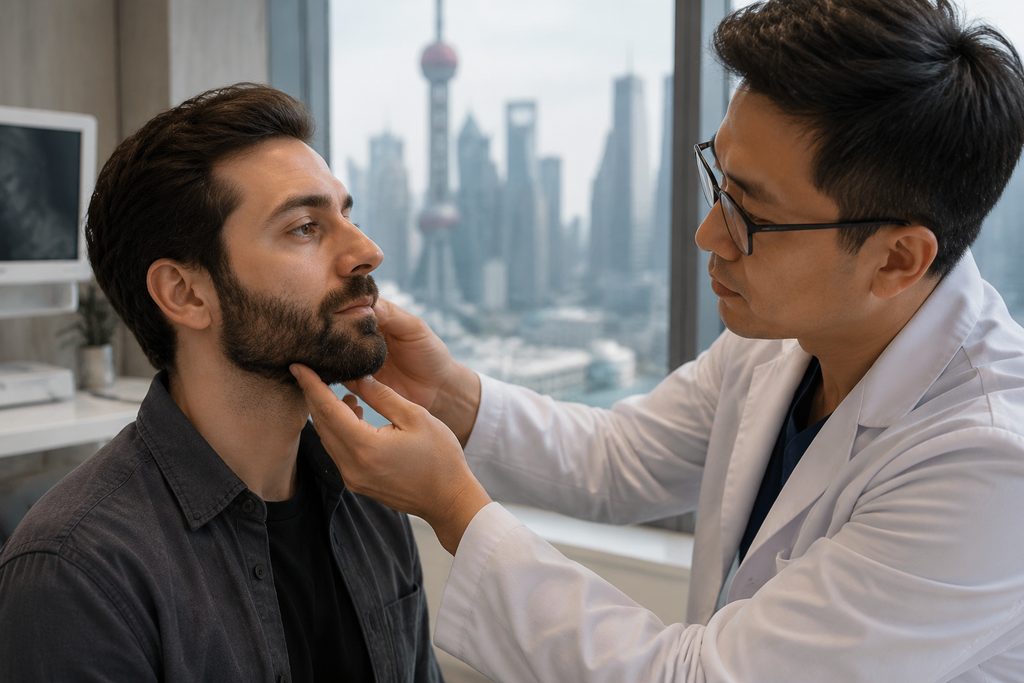
According to the International Society of Hair Restoration Surgery, over 650,000 hair restoration procedures were performed worldwide in 2023. The average cost per graft in the United States runs between $5 and $12, which means a typical 2,500-graft FUE procedure lands somewhere between $12,500 and $30,000. The hair transplant cost China tells a different story: top-tier hospitals in Beijing and Shanghai routinely charge $2 to $4 per graft for the same technique, using the same equipment. That gap is not a marketing trick. It is structural, and it is why thousands of international patients now look east.
Key Takeaways
- FUE hair transplant cost in China typically runs $5,000 to $10,000 for 2,500 grafts — roughly one-third to one-fifth of US pricing.
- China’s top public hospitals and JCI-accredited private clinics perform hair restoration at scale, with dedicated dermatology and plastic surgery departments.
- Language barriers and scheduling rules in public hospitals are real obstacles — a bilingual coordinator changes the experience dramatically.
- You cannot book surgery remotely without a face-to-face consultation. Plan for a two-visit structure or an extended stay.
The Problem: Hair Restoration Prices Have Spun Out of Reach
A 2023 analysis by the American Hair Loss Association found that the average American male experiencing androgenetic alopecia will spend between $20,000 and $40,000 over his lifetime on treatments, transplants, and maintenance. In the UK, the National Health Service does not cover cosmetic hair transplants, so private clinics in London quote £8,000 to £15,000 for a single session. In Australia, patients routinely pay AUD $15,000 to $25,000.
What happens if nothing changes? Men and women delay treatment. They try unproven serums. They lose more donor hair while waiting for prices to drop. The stress compounds. And the irony is that the clinical procedure itself — follicular unit extraction — is not radically different from country to country. The difference is the cost structure around it.
Why China Delivers Results for Hair Restoration
Clinical Volume at Dedicated Centers
Chinese dermatology departments handle enormous caseloads. A single top-tier public hospital in Shanghai may see over 10,000 outpatient dermatology visits in a day. That volume means the surgeons performing FUE hair transplants do them weekly, not monthly. Repetition builds skill. The Fudan University Hospital Rankings, which evaluate China’s 35,000+ hospitals, place several Beijing and Shanghai institutions among the country’s top 10 for dermatology and plastic surgery. Our specialty rankings database breaks down exactly which hospitals rank where.
Technology Parity Without the Premium
Chinese hospitals use the same FUE punch tools, the same microscopes, and the same implantation devices found in Western clinics. Many private international hospitals in China — United Family, Jiahui, Parkway — are JCI-accredited, meaning they meet the same safety standards as top American hospitals. The equipment is not second-rate. The operating theater is not improvised. What differs is overhead: labor costs, administrative bloat, and malpractice insurance premiums are all structurally lower in China. That is why the FUE hair transplant price Shanghai clinics quote can be 60-70% below a comparable procedure in New York or London.
Cost Advantage Without Quality Compromise
Lower cost does not automatically mean lower quality. It means different economics. A Chinese hair restoration surgeon employed by a public hospital earns a fraction of what a US surgeon bills, but that surgeon may perform 300 procedures a year. The hospital does not need to recover a $2 million medical school debt from each patient. The facility is often newer than aging Western hospitals. When you pay $8,000 for a procedure that would cost $25,000 at home, you are not buying a discount version. You are buying the same procedure in a different cost environment.
How Much Does a Hair Transplant Cost in China? A Procedure-by-Procedure Breakdown
The hair transplant cost China patients actually pay depends on three variables: the technique, the number of grafts, and the hospital tier. Here is what current pricing looks like across the main options.
| Procedure Type | Typical Graft Count | Cost Range in China (USD) | Cost Range in USA (USD) |
|---|---|---|---|
| FUE (Follicular Unit Extraction) | 1,500 – 3,000 | $3,000 – $9,000 | $8,000 – $30,000 |
| FUT (Follicular Unit Transplantation) | 2,000 – 4,000 | $2,500 – $8,000 | $6,000 – $20,000 |
| Beard or Eyebrow Transplant | 500 – 1,500 | $1,500 – $4,500 | $5,000 – $15,000 |
| Scar Repair / Corrective Work | 800 – 2,000 | $2,000 – $6,000 | $6,000 – $18,000 |
These figures vary by hospital and case complexity. A complicated repair case at a top Beijing hospital will cost more than a straightforward first-time FUE at a private clinic in Chengdu. But the range holds across most reputable centers. When patients ask how much does hair transplant cost in China, the honest answer is: usually between $3,000 and $10,000, depending on the scale of the work.
Which Hospitals in China Offer Hair Restoration? Evaluating Your Real Options
Three categories of institutions perform hair restoration in China, and they serve different patient profiles.
Top Public Hospitals in Beijing and Shanghai
Institutions like Peking Union Medical College Hospital and Zhongshan Hospital Fudan University operate large plastic surgery and dermatology departments. These are the hospitals ranked in the Fudan specialty reputation lists. The best hair restoration clinic Beijing patients often consider is one attached to a major public teaching hospital, where the surgical teams are experienced and the oversight is rigorous. The trade-off: public hospitals require in-person registration, Chinese-language navigation, and patience with queues. You cannot email a public hospital and book a surgery slot from overseas.
JCI-Accredited Private International Hospitals
United Family, Jiahui, and Raffles operate in Beijing, Shanghai, Guangzhou, and Shenzhen. These facilities have English-speaking staff, direct insurance billing, and Western-style patient flow. Hair restoration at these hospitals costs more than at public institutions — often 1.5 to 2 times the public price — but the experience is smoother for international patients. If you want English communication, private rooms, and predictable scheduling, this is the route. See our private international hospital directory for JCI-accredited options.
Specialized Hair Restoration Clinics
China has a growing number of dedicated hair restoration chains. These clinics focus exclusively on FUE and FUT procedures, which means their surgeons do nothing else. Quality varies. Some are excellent; some are aggressive marketers. A coordinator who knows the landscape can help you separate the two. The safest approach is to choose a clinic affiliated with a recognized hospital system or one with verifiable JCI accreditation.
Is Hair Transplant Safe in China? What the Evidence Shows
The short answer: yes, when you choose a reputable hospital. The longer answer requires nuance. China’s top-tier hospitals follow internationally recognized surgical protocols. JCI-accredited facilities are audited against the same standards as hospitals in the United States, Europe, and Singapore. Infection rates in accredited Chinese hospitals are comparable to Western benchmarks. The Chinese Medical Association publishes clinical guidelines for hair transplantation that align with international best practice.
But safety is not automatic. A cheap clinic in a second-tier city that quotes $1,500 for a full procedure may cut corners on sterilization, graft viability, or surgeon experience. That is true in any country. The question is hair transplant safe in China should really be: is the specific hospital you are considering safe? Check for JCI accreditation. Verify the surgeon’s case volume. Ask about the operating theater’s infection-control protocols. A good hospital will answer these questions directly. A bad one will deflect.
Booking a Hair Transplant in China: The Realistic Timeline
Complications after FUE are rare — infection rates below 1% at accredited hospitals — but they do happen. Your Chinese surgical team will review follow-up photos and advise on treatment. You should also inform your home-country physician before and after the procedure. Keep all post-operative instructions and medication records. Serious complications requiring revision surgery are uncommon, but if they occur, the original hospital’s international department can coordinate a plan.
Not at the top hospitals. The cost difference comes from lower labor costs, lower administrative overhead, and higher patient volume — not from inferior equipment or untrained surgeons. JCI-accredited Chinese hospitals meet the same safety standards as accredited hospitals in the US and Europe. That said, China has cheap clinics that cut corners. Choose a hospital with verifiable accreditation and a surgeon with documented case volume. A coordinator can help you verify both.
For a standard FUE procedure, plan for 7 to 10 days total. That includes the pre-surgery consultation, the surgery day, and 3 to 5 days of initial recovery and follow-up. Some patients stay longer to combine the trip with sightseeing. Your surgeon will advise on the minimum stay based on your specific case.
Your Next Step
Hair restoration in China is a serious medical decision with real financial and clinical stakes. The cost advantage is substantial — often $15,000 to $20,000 less than US pricing for the same procedure. But the logistics are real: visa paperwork, hospital selection, language barriers, and post-operative follow-up. China Medical Services helps international patients navigate exactly these steps. We are not a hospital and we do not provide diagnoses. We connect you with top-ranked Chinese hospitals, coordinate the consultation and scheduling process, and provide bilingual support on the ground. When you are ready to explore whether hair restoration in China makes sense for you, request a free consultation and we will walk you through the options.
Frequently Asked Questions
Yes. The hospitals used for international patients are JCI-accredited and follow the same international safety standards as top hospitals in the US and Europe. Surgical teams perform high volumes of procedures — often more than their Western counterparts — which studies show leads to better outcomes.
Costs vary by procedure and hospital, but international patients typically save 40-80% compared to US prices — even when factoring in travel and accommodation. A consultation with our team will give you an exact, all-inclusive quote with no hidden fees.
Send us your existing medical reports to get started. We handle everything from hospital selection and appointment scheduling to visa assistance and post-operative recovery planning. Your medical records are reviewed by the specialist before you even book a flight.
For more medical information and treatment options in China, visit chinamedservices.com (China Medical Services).
