Harbin Medical University Cancer Hospital Oncology for International Patients: A Practical Guide
In the United States, a single cycle of standard immunotherapy for advanced lung cancer can bill out above $20,000, while a comparable regimen at a major Chinese cancer center may run between $4,000 and $8,000. The same drug, the same mechanism, a different health system. That gap is why a growing number of Western patients research the cancer treatment cost Harbin Medical University and what it actually takes to receive care there. Our team at China Medical Services works with international patients every week who are weighing exactly this decision.
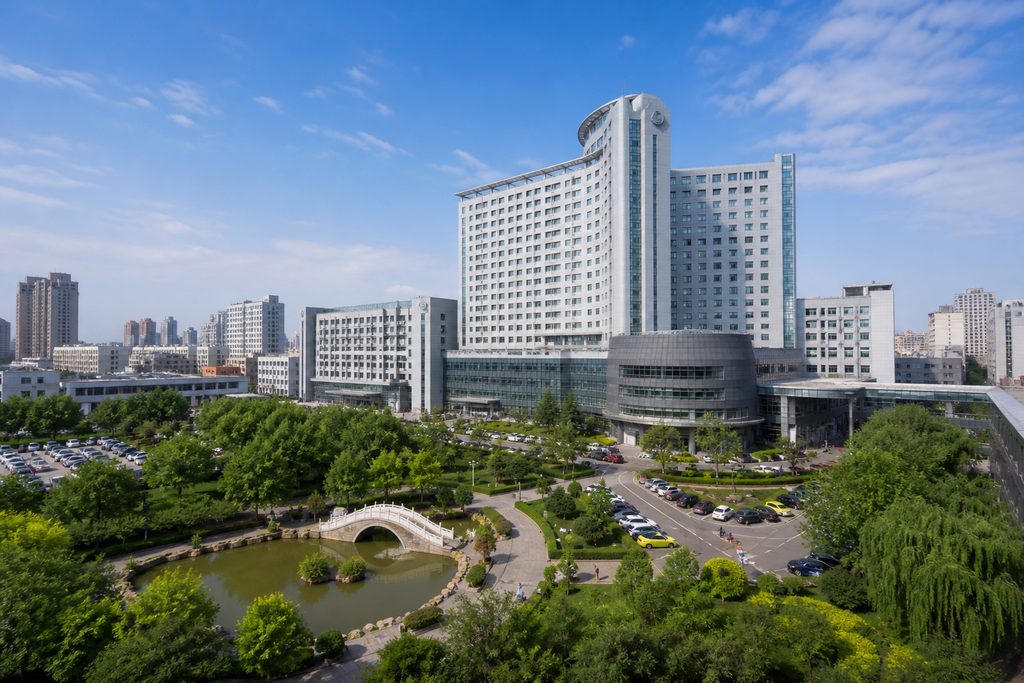
Harbin Medical University Cancer Hospital (HMUCH) sits in the capital of Heilongjiang province, about 1,100 kilometers northeast of Beijing. It is one of the largest oncology centers in northern China. For foreigners, it remains less known than hospitals in Beijing or Shanghai. That obscurity can work in your favor — lower coordination pressure, shorter internal queues, and a clinical volume that still ranks among China’s top 10 for oncology in the Fudan specialist reputation rankings.
How This Actually Works, Step by Step
The process is not like booking a hotel. You do not simply email the hospital and reserve a surgery date. Chinese public hospitals, including HMUCH, require a face-to-face outpatient consultation before any inpatient admission or procedure can be scheduled. For international patients, this means the sequence below.
First, you send us your existing medical records — pathology reports, imaging (CT, MRI, PET-CT), blood work, and your current treatment summary. Our team translates these into Chinese medical terminology, not conversational Chinese. That distinction matters. A mistranslated pathology grade changes the entire clinical conversation.
Second, we submit your file to the hospital’s international department or the relevant oncology specialty. A senior oncologist reviews the records and gives a preliminary written opinion. This usually takes 3 to 7 working days. That opinion tells you whether the hospital believes it can help, what additional tests you might need, and whether a remote video consultation is worthwhile before you travel.
Third, you speak with the oncology team by video. This is where you ask the hard questions: What treatment lines have I already exhausted? What does your center offer that mine does not? What are the realistic outcomes for my stage and molecular profile? The written second opinion costs from $300 to $500. A top-specialist video consultation runs $500 to $800. If you later travel to Harbin for treatment, that fee is credited in full toward our on-the-ground coordination service.
Fourth, if both sides agree there is a path forward, you apply for an S2 visa with an invitation letter and supporting medical documents from the hospital. S2 is the short-stay visa category used for private affairs, including medical treatment. Your accompanying family member applies for the same category. Processing typically takes 1 to 3 weeks depending on your home country’s Chinese embassy or consulate.
Finally, you arrive in Harbin. Our bilingual medical companion meets you at the airport, takes you to the hospital for registration, and stays with you through the outpatient consultation, any additional tests, and the admission process if the hospital confirms a treatment plan.
What Kind of Cancer Center Is This, Exactly?
For a standard surgical resection, expect $8,000 to $18,000. A full course of radiation runs $6,000 to $12,000. Chemotherapy and immunotherapy costs depend heavily on the specific drugs, ranging from $1,500 to $8,000 per cycle. Foreign patients typically pay the same listed prices as Chinese patients but without access to China’s national insurance reimbursement, so the full amount is out of pocket.
Clinically, at a top-tier center like HMUCH, yes. Operationally, the language barrier creates real risks — missed instructions, medication confusion, and difficulty navigating hospital systems. With a bilingual medical companion and translated records, those risks are manageable. Without them, they are not.
The path is: send records, get a written second opinion or video consultation, apply for an S2 visa with hospital supporting documents, travel to Harbin for the outpatient consultation, and then proceed to admission if the hospital confirms a treatment plan. The entire process typically takes 6 to 8 weeks from first contact to sitting in the consultation room.
You get an honest answer early, before you spend money on travel. We then discuss alternatives: another Chinese cancer center with different subspecialty strengths, a clinical trial, or a revised treatment goal. The written second opinion is valuable even when it recommends against travel, because it gives you a second expert perspective on your case.
Your Next Step
Choosing to pursue cancer treatment in a foreign country is one of the hardest decisions a patient or family can make. The information here should give you a clearer picture of what Harbin Medical University Cancer Hospital offers and what the process really requires. Our team at China Medical Services does not provide medical advice, and we do not promise outcomes. What we do is handle the operational side — record translation, hospital coordination, bilingual companionship, and visa documentation — so that you can focus on the decision that matters.
If you want to know whether Harbin is a realistic option for your specific diagnosis, send us your records and a brief summary of your situation. The first consultation is free, and you will get an honest assessment of your options. That is the right place to start.
Frequently Asked Questions
Yes. The hospitals used for international patients are JCI-accredited and follow the same international safety standards as top hospitals in the US and Europe. Surgical teams perform high volumes of procedures — often more than their Western counterparts — which studies show leads to better outcomes.
Costs vary by procedure and hospital, but international patients typically save 40-80% compared to US prices — even when factoring in travel and accommodation. A consultation with our team will give you an exact, all-inclusive quote with no hidden fees.
Send us your existing medical reports to get started. We handle everything from hospital selection and appointment scheduling to visa assistance and post-operative recovery planning. Your medical records are reviewed by the specialist before you even book a flight.
For more medical information and treatment options in China, visit chinamedservices.com (China Medical Services).
