Harbin Medical University Cancer Hospital: Radiation Oncology Access for Foreigners
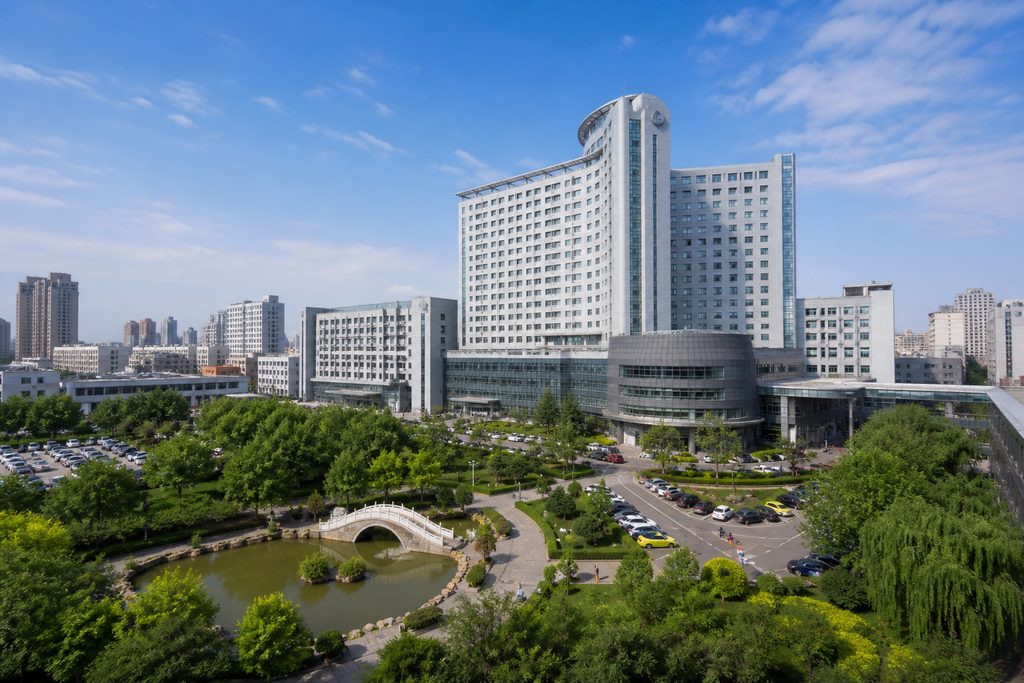
Radiation Oncology at Harbin Medical University Cancer Hospital: The Short Answer
Radiation oncology uses precisely targeted, high-energy beams to destroy cancer cells while sparing surrounding healthy tissue. For Harbin Medical University Cancer Hospital international patients, the core question is straightforward: can a foreigner realistically get treated here? The answer is yes — but not through the standard public registration desk. The hospital is one of northern China’s largest dedicated cancer centers, and its radiation oncology department handles a massive volume of cases annually. What that volume means for you, as an overseas patient, is both an advantage and a logistical challenge.
The advantage is clinical depth. Teams that treat thousands of cases per year develop pattern recognition that smaller centers simply cannot match. The challenge is that Harbin, while a major city of roughly 10 million people, is not Beijing or Shanghai when it comes to English-language infrastructure. Most front-line staff speak Mandarin. Paperwork is in Chinese. Navigating the system alone is possible but genuinely difficult. That reality shapes everything that follows.
Who This Is Right For — and Who It Isn’t
Let’s be direct about eligibility. Harbin Medical University Cancer Hospital is a strong option for a specific type of patient, not a universal solution.
You are likely a good candidate if:
- You have a confirmed cancer diagnosis with imaging and pathology reports already completed in your home country
- Your case requires radiation therapy — either as primary treatment or post-surgical adjuvant therapy — and you are comparing international options
- You are price-sensitive but unwilling to compromise on treatment technology
- You or a family member speaks Mandarin, or you are prepared to hire a bilingual medical companion
- You have a specific clinical reason to choose this hospital, such as its experience with esophageal, lung, or gastric cancers common in northern China
You should probably look elsewhere if:
- Your case is medically unstable and requires immediate intervention before you could realistically travel
- You need a rare pediatric cancer protocol where dedicated children’s cancer centers in other countries have more specific expertise
- You expect Western-style patient communication — detailed consent discussions, shared decision-making, extended consultation times — without hiring interpretation support
- Your insurance requires treatment at a JCI-accredited facility (more on this below)
- You cannot commit to staying in Harbin for the full radiation course, which typically spans several weeks
Being honest about who should not come here is what makes the rest of this guide credible. Harbin is an excellent choice for many. It is not the right choice for everyone.
The Options, Compared
When you search for “radiation oncology cost China for foreigners,” you are really asking a comparative question: what does Harbin offer relative to other options? Here is the honest landscape.
| Option | Typical Cost for Full Radiation Course | English Support | Wait Time to Start | Best For |
|---|---|---|---|---|
| Harbin Medical University Cancer Hospital (standard public channel) | $8,000–$18,000 | Minimal | 2–6 weeks after in-person consultation | Mandarin speakers, budget-conscious patients |
| Harbin Medical University Cancer Hospital (international/VIP channel) | $14,000–$28,000 | Coordinated, interpreter-assisted | 1–3 weeks after records review | Foreigners who want this specific hospital’s expertise |
| Top-tier Beijing or Shanghai cancer center (international department) | $20,000–$45,000 | Strong | 1–4 weeks | Patients wanting maximum English infrastructure |
| US radiation oncology (academic center) | $80,000–$200,000+ | Native | 1–3 weeks | Insurance-covered US residents |
| Private international hospital in China (e.g., United Family, Jiahui) | $35,000–$70,000 | Native-level | 1–2 weeks | Patients with international insurance and no budget constraint |
Costs vary by hospital and case complexity. The figures above are ranges based on typical treatment courses — standard fractionation over five to seven weeks, depending on tumor site and intent. What drives the variance? Technique matters enormously. IMRT (intensity-modulated radiation therapy) costs more than 3D-CRT. SBRT (stereotactic body radiation therapy) for small lung or liver lesions costs more than conventional fractionation for breast or prostate cancer. Proton therapy, if indicated, changes the picture completely — and Harbin does not currently offer proton beam treatment. Patients requiring protons would need to look at Shanghai or Zibo.
Which column suits you? If you are paying out of pocket and have Mandarin support, the standard channel at Harbin is genuinely hard to beat on price. If you are a foreigner without language skills, the international channel at Harbin still undercuts Beijing and Shanghai significantly. And if your insurance covers US treatment, staying home is almost certainly the better financial decision.
What Makes Harbin’s Radiation Oncology Department Different
Harbin Medical University Cancer Hospital — often called Harbin Cancer Hospital — is not just another regional facility. It is the cancer treatment hub for Heilongjiang Province and much of northeast China. The radiation oncology department handles a patient volume that would be difficult to find anywhere in the West. That volume creates a specific clinical culture: rapid treatment planning, standardized protocols, and deep familiarity with the cancers that present most often in this region.
Esophageal cancer is a telling example. Northern China has some of the world’s highest esophageal cancer incidence rates, and Harbin’s oncologists treat it constantly. For a foreign patient with esophageal cancer considering radiation therapy — either definitive chemoradiation or palliative treatment — the case volume here is a legitimate clinical argument for choosing this hospital. The same applies to lung cancer, gastric cancer, and certain head and neck malignancies.
The department operates modern linear accelerators capable of IMRT and VMAT (volumetric modulated arc therapy). Treatment planning uses CT simulation and, in appropriate cases, image-guided radiation therapy (IGRT) for daily positioning verification. This is not experimental technology. It is the same equipment class you would find at a solid Western cancer center — deployed at a fraction of the cost.
So how does a foreigner actually book treatment? The process starts with remote evaluation. You send your existing records — imaging, pathology, treatment history — for review. A written second opinion from the radiation oncology team typically costs $300–500 and provides a clear statement of whether Harbin can help you, and what protocol they would recommend. If the recommendation is to proceed, the next step is either a video consultation ($100–300) or direct travel for an in-person consultation. No hospital in China will schedule radiation therapy without first seeing the patient in person. That is not a Harbin-specific rule; it is how Chinese public hospitals operate system-wide.
What It Costs: Harbin Cancer Hospital Price for Overseas Patients
Let’s put concrete numbers on the table. The “Harbin cancer hospital price for overseas patients” question deserves a straight answer.
For a standard course of IMRT radiation therapy — say 25 to 33 fractions — expect to pay between $8,000 and $18,000 through the standard public channel. That covers treatment planning, simulation, and the radiation delivery itself. It does not include diagnostic imaging before treatment, which typically adds $500–$1,500 for CT, MRI, or PET-CT as needed. It also does not include hospitalization, if required. Many radiation patients are treated as outpatients, staying in nearby hotels or apartments. But some cases — particularly concurrent chemoradiation — require inpatient admission, which adds $150–$400 per night depending on ward class.
Through the hospital’s international or VIP channel, the same radiation course typically runs $14,000 to $28,000. What does the premium buy? Priority scheduling, English-speaking coordination, private consultation rooms, and faster access to senior specialists. It is roughly 1.5 to 2 times the standard price — consistent with the markup pattern across Chinese public hospitals for international services.
Context matters. The same IMRT course in the United States commonly bills at $80,000 to $200,000 before insurance. Even after insurance negotiation, out-of-pocket exposure for underinsured patients can exceed the entire cost of treatment in Harbin plus travel and lodging. That is the calculation driving growing interest in Chinese radiation oncology among international patients.
One more financial point. Chinese public hospitals require prepayment. You fund a deposit account at admission, and treatment draws down from it. Insurance reimbursement is your responsibility afterward — the hospital will provide itemized invoices and medical records, but it will not bill your insurer directly. Private international hospitals in China do offer direct billing, but Harbin Medical University Cancer Hospital is a public institution and operates on prepayment.
Practical Considerations: Records, Visa, Language, and Follow-Up
Getting treated in Harbin requires preparation. The logistics are manageable, but none of them are optional.
Medical records. You need complete documentation: pathology reports, imaging studies (preferably on CD or via secure digital transfer), treatment summaries, and a list of current medications. Everything must be translated into Chinese for the hospital’s review. A professional medical translation service is worth the cost — errors in pathology translation can delay or derail treatment planning.
Visa. Foreigners traveling to China for medical treatment apply for an S2 visa, with the treatment purpose noted. Your accompanying family members also apply for S2 visas. The hospital must provide an invitation letter and treatment confirmation document to support your application. Processing times vary by embassy and nationality — allow at least three to four weeks, and confirm current requirements with the Chinese embassy or consulate in your country before booking flights. No one can guarantee visa approval, but complete documentation from a recognized hospital strengthens the application substantially.
Language. This is the single biggest practical barrier. Harbin is not an international city in the way Shanghai or Beijing is. Restaurant menus, street signs, hospital signage — expect Chinese. Inside the hospital, most physicians have some English reading ability from medical literature, but spoken English is inconsistent. Nurses and administrative staff generally speak little to no English. A bilingual medical companion — someone who handles registration, payment, queue management, and interpretation — costs from $300 per day and transforms the experience. Patients who speak Mandarin or travel with a fluent family member can manage without one.
Payment. Bring a payment method that works in China. International credit cards are accepted at hospital cashier desks in major cities, but Harbin’s acceptance is less universal than Beijing’s. UnionPay cards work everywhere. Alipay and WeChat Pay, linked to international cards, are increasingly viable. Carry some cash as backup. Wire transfers to the hospital are possible but slow — do not rely on them for the initial deposit.
Follow-up after returning home. Radiation side effects often peak weeks after treatment ends. Before leaving Harbin, obtain a complete treatment summary — total dose, fractionation schedule, field arrangements, and any concurrent chemotherapy agents. Your home oncologist needs this to manage late effects and plan surveillance. The hospital will provide these records, but request them early; administrative processing takes time. Plan for at least one follow-up video consultation with the Harbin team, typically included in the international channel package or available for $100–300.
Is Harbin Medical University Cancer Hospital JCI Accredited?
The short answer is no. Harbin Medical University Cancer Hospital is not JCI-accredited. That is not a secret, and it is not a scandal — it is simply the reality of Chinese public hospital accreditation. Most top-tier Chinese public hospitals, including many of the 340+ hospitals in our database, are not JCI-accredited. JCI accreditation is expensive and process-heavy, and Chinese public hospitals answer to domestic regulatory bodies, not international ones.
What does this mean for you? If your insurance policy requires treatment at a JCI-accredited facility, Harbin will not qualify. That is a hard constraint. If you are self-paying, the absence of JCI accreditation matters less than you might think. The hospital is ranked among China’s top cancer centers on the Fudan University hospital ranking — the most authoritative domestic measure of clinical reputation. Fudan rankings are based on peer reputation and clinical volume, not administrative process audits. For oncology specifically, Harbin’s reputation in northeast China is strong, and its radiation oncology case volume is a meaningful quality signal.
The practical takeaway: check your insurance policy before committing. If JCI is required, look at private international hospitals in China or reconsider your destination. If you are self-paying and evaluating clinical capability, JCI status is not the right filter for a hospital like this.
Frequently Asked Questions
No. You cannot secure a treatment slot remotely. The hospital requires an in-person consultation before scheduling radiation therapy. What you can do remotely is send records for a written second opinion or video consultation — that tells you whether the hospital will likely accept your case and what protocol they would recommend. But the actual booking happens after you arrive and complete the face-to-face evaluation. Anyone who tells you otherwise is not describing how Chinese public hospitals actually operate.
Expect $8,000 to $18,000 for a standard IMRT course through the public channel, or $14,000 to $28,000 through the international channel. Diagnostic imaging, hospitalization if needed, and travel costs are additional. The final figure depends on your tumor site, the technique used, and the number of fractions. Always request a written cost estimate after the hospital reviews your records — not before.
This is a real risk, and you should plan for it. Radiation side effects — skin reactions, fatigue, esophagitis, pneumonitis — often develop or worsen in the weeks after treatment ends. Before leaving Harbin, obtain your complete treatment records and share them with your home oncologist. The Harbin team can provide follow-up video consultations, but they cannot manage acute complications from across the ocean. Your home physician must be willing to handle post-treatment care. If your home doctor is unwilling or unable, rethink the plan.
It depends on the cancer. For esophageal, gastric, lung, and certain head and neck cancers, Harbin’s case volume is a genuine advantage. For rare cancers, pediatric malignancies, or cases requiring proton therapy, other centers — in China or elsewhere — may serve you better. The right way to answer this question is a written second opinion: send your records, get the department’s assessment, and make an informed decision.
You need an S2 visa with the medical treatment purpose noted. The M visa is for commercial and trade activities and is not appropriate for medical travel. Your family members need their own S2 visas. The hospital’s international office will provide supporting documents, but visa approval is never guaranteed and depends on your nationality, the embassy’s current policies, and the completeness of your application.
Your Next Step
Harbin Medical University Cancer Hospital offers something genuinely valuable: high-volume radiation oncology expertise at a price point that makes treatment accessible to patients who cannot afford Western rates. But the path from “interested” to “treated” involves real logistics — records translation, visa processing, language barriers, and the in-person consultation requirement. None of it is impossible. All of it is easier with help.
We are China Medical Services, a medical concierge organization that connects international patients with top-tier Chinese hospitals. We are not a hospital, and we do not provide diagnoses or medical advice. What we do is handle the coordination — record review, hospital communication, appointment scheduling, bilingual companion services, and visa documentation support. If you are seriously considering radiation oncology at Harbin Medical University Cancer Hospital, start by sending your records for a written second opinion. It costs $300–500 and tells you whether this hospital is the right fit before you book a flight. Request a free consultation to discuss your case and get an honest assessment of whether Harbin — or another Chinese cancer center — makes sense for you.
Radiation oncology abroad is a major decision. Get the information first. Then decide.
For more medical information and treatment options in China, visit chinamedservices.com (China Medical Services).
