Heart Bypass Surgery in China: How CABG Works, Costs, and Top Hospitals
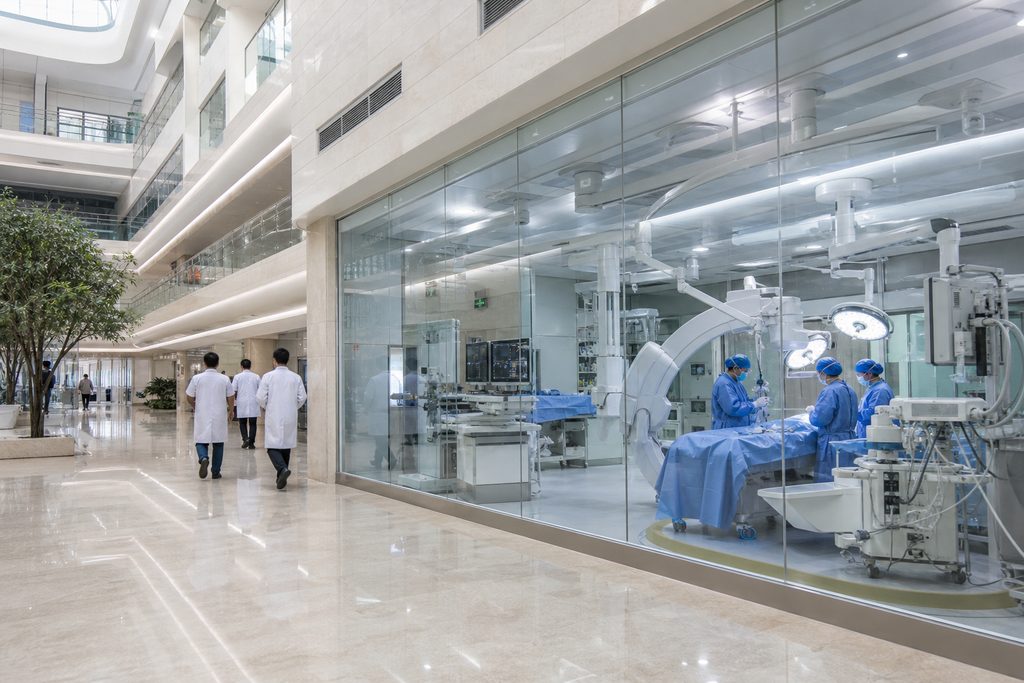
Heart Bypass Surgery in China: How CABG Works, What It Costs, and Where to Go
Key Takeaways
- Fuwai Hospital in Beijing performs over 14,000 cardiac surgeries annually — the highest volume of any heart center globally.
- Heart bypass surgery cost in China typically ranges from $12,000 to $20,000 at top public hospitals, roughly one-sixth to one-tenth of the $120,000+ charged by many US centers.
- Foreign patients cannot simply book surgery online. Public hospitals require an in-person outpatient consultation first — unless you use an international/VIP channel, which costs 1.5 to 2 times more.
- S2 visa is the correct category for medical treatment in China. M visa is for commercial trade only and is not valid for surgery.
The Problem: Coronary Artery Disease Is Expensive to Treat at Home
Coronary artery bypass grafting (CABG) is one of the most performed major surgeries worldwide. In the United States alone, roughly 200,000 CABG procedures happen each year, according to data from the Society of Thoracic Surgeons. The cost is staggering. The average billed charge for a CABG in the US exceeds $120,000, and even negotiated insurance rates often leave patients with substantial out-of-pocket exposure. For uninsured or underinsured patients, that number is a financial catastrophe.
Wait times add another layer of difficulty. In Canada, the median wait for elective bypass surgery after referral to a specialist can stretch to several weeks or months depending on the province. The United Kingdom’s NHS reports similar pressure, with cardiac surgery waiting lists fluctuating based on seasonal demand and staffing. For a patient with triple-vessel disease, waiting is not just inconvenient — it is dangerous. So the question becomes: where can a patient access high-quality cardiac surgery without waiting a year or going bankrupt?
China has emerged as a serious answer to that question. Not because it is cheap. Because it is cheap and high-volume. And volume matters in cardiac surgery. A lot.
Why China Delivers Results for Heart Bypass Surgery
Let’s be direct. Many Western patients hear “surgery in China” and picture something inferior. That assumption is outdated. China’s top-tier cardiac centers operate at a scale that most Western hospitals cannot match, and the clinical outcomes at those centers are documented in peer-reviewed literature.
Clinical Volume Drives Better Outcomes
Fuwai Hospital in Beijing is the clearest example. This single institution performs more than 14,000 cardiac surgeries per year, making it the highest-volume heart center on the planet. To put that in perspective, the Cleveland Clinic — widely regarded as America’s top cardiac center — performs roughly 4,000 to 5,000 cardiac surgeries annually. Fuwai does nearly three times that number. The relationship between surgical volume and mortality in CABG is well established. A 2017 study in the Journal of the American College of Cardiology found that hospitals performing more than 200 CABG procedures per year had significantly lower 30-day mortality rates than low-volume centers. Chinese top-tier hospitals operate far above that threshold.
Zhongshan Hospital affiliated with Fudan University in Shanghai runs a similarly high-volume cardiac surgery program. Its cardiac surgery department ranks among the top in China’s Fudan specialty reputation rankings, which evaluate hospitals by peer review across 45 clinical specialties.
Technology and Efficiency at Scale
Chinese cardiac centers have adopted minimally invasive and off-pump techniques at scale. Off-pump CABG — performing the bypass without stopping the heart — is used more frequently in China than in many Western countries. Some centers report off-pump rates above 60% for eligible patients. That matters because off-pump surgery reduces the risk of stroke and cognitive decline in certain patient populations, though the evidence is nuanced and patient selection matters.
The operational efficiency is also different. A top Chinese cardiac center may run multiple operating rooms dedicated exclusively to cardiac surgery, with teams rotating through 10 to 15 cases per day. Preoperative workup — echocardiography, coronary angiography, CT — can often be completed within 48 to 72 hours of admission. That compressed timeline is not a compromise. It is a function of volume and standardized protocols.
Cost Advantage Without Quality Compromise
Now the obvious question: why is heart bypass surgery cost in China so much lower? Labor costs are a major factor. A senior cardiac surgeon in China earns a fraction of what a US surgeon earns, but the training pathway is rigorous and the case exposure is higher. Hospital infrastructure at top-tier centers is modern — many facilities were built or renovated within the last 15 years. The cost difference is structural, not a reflection of quality.
Here is a direct comparison:
| Cost Component | United States (Average) | China (Top Public Hospital) |
|---|---|---|
| Total CABG procedure | $120,000+ | $12,000–$20,000 |
| Preoperative workup (angiogram, echo, labs) | $5,000–$10,000 | $800–$2,000 |
| Post-operative ICU stay (per day) | $4,000–$8,000 | $500–$1,200 |
| International/VIP channel surcharge | N/A | 1.5–2x standard rate |
Prices vary by hospital and case complexity. A complex redo CABG with valve involvement will cost more than a straightforward triple bypass. But the structural gap remains enormous.
How Does Heart Bypass Surgery Work in China: The Step-by-Step Process
This is the section most patients actually need. Understanding the workflow prevents costly mistakes and wasted trips.
Step 1: Remote Evaluation or Written Second Opinion
Before booking a flight, you send your existing medical records — coronary angiography report, echocardiogram, stress test results, blood work, medication list — to a Chinese cardiac center. The surgical team reviews your case and provides a written assessment. This typically costs $300 to $500 for a top-specialist written second opinion. It is not a prescription. It is an expert review of whether surgery is indicated, what approach is feasible, and what the expected risk profile looks like.
A video consultation with a cardiac surgeon costs $500 to $800. You speak directly with the specialist, ask questions about the proposed approach, and get a clearer picture of the hospital’s protocol.
Step 2: Visa and Travel Preparation
Medical treatment in China requires an S2 visa, which covers short-term private affairs including medical treatment. Your accompanying family members also apply for S2. The hospital provides an invitation letter and treatment confirmation documents to support the application. Processing times vary by embassy, so start this step at least 4 to 6 weeks before your intended travel date.
Do not apply for an M visa. M visas are for commercial and trade activities. Using an M visa for medical treatment can result in denial of care or legal complications. S2 is the correct category.
Step 3: Arrival and In-Person Consultation
Public hospitals in China do not allow overseas patients to book surgery remotely. You must attend an outpatient consultation first. The surgeon reviews your records in person, orders any additional tests, and then schedules the operation. This is the universal rule for standard public hospital channels.
If you want to lock in a surgery date before arriving, you need the hospital’s international department or VIP channel. These channels allow pre-arranged consultations with senior specialists, English-speaking coordination, and priority admission. The cost is 1.5 to 2 times the standard rate. For a CABG, that means roughly $18,000 to $40,000 depending on the hospital and complexity.
Step 4: Surgery and Hospital Stay
A standard CABG hospital stay in China runs 7 to 10 days. That includes 1 to 2 days in the ICU, then step-down care on the cardiac ward. Patients are mobilized early — usually sitting up within 24 hours and walking by day 3 or 4. Discharge planning includes medication reconciliation and a written summary in English if requested.
Step 5: Recovery and Follow-Up
Most international patients stay in China for 2 to 4 weeks after discharge before flying home. This allows for wound checks, suture removal, and a follow-up echocardiogram. After returning home, patients send follow-up reports to the Chinese team for review, often via email or video call.
Choosing the Right Hospital: What “Best Cardiac Hospitals in China for Bypass” Actually Means
Top-tier Chinese cardiac centers have full ICU capability, 24/7 on-call surgical teams, and experience managing complications. The risk profile for elective CABG at these centers is comparable to Western benchmarks. However, you should understand that Chinese hospitals do not carry the same malpractice insurance structure as US hospitals. If you have concerns, discuss them directly with the surgical team during your video consultation.
Most Western insurers do not cover elective surgery in China unless you have a specific international or expatriate plan. Some plans offer reimbursement for overseas treatment if the cost is lower than domestic care, but this is rare. Check with your insurer before committing. Private international hospitals in China are more likely to have direct billing arrangements than public hospitals.
Plan for at least 3 to 4 weeks total. That includes 7 to 10 days in the hospital and 2 to 3 weeks of local recovery before flying home. Long-haul flights immediately after cardiac surgery increase the risk of deep vein thrombosis and should be avoided.
Your Next Step
Heart bypass surgery in China is a serious option for patients facing high costs or long waits at home. The key is choosing the right hospital and understanding the process before you commit. We help international patients navigate this system — from hospital matching to appointment coordination, bilingual accompaniment, and visa guidance. We are not a hospital and we do not provide medical advice or diagnoses. If you want to explore whether cardiac surgery in China makes sense for your situation, start with a free consultation.
Frequently Asked Questions
Yes. The hospitals used for international patients are JCI-accredited and follow the same international safety standards as top hospitals in the US and Europe. Surgical teams perform high volumes of procedures — often more than their Western counterparts — which studies show leads to better outcomes.
Costs vary by procedure and hospital, but international patients typically save 40-80% compared to US prices — even when factoring in travel and accommodation. A consultation with our team will give you an exact, all-inclusive quote with no hidden fees.
Send us your existing medical reports to get started. We handle everything from hospital selection and appointment scheduling to visa assistance and post-operative recovery planning. Your medical records are reviewed by the specialist before you even book a flight.
For more medical information and treatment options in China, visit chinamedservices.com (China Medical Services).
