High Blood Pressure Control When Coming to China Surgery: A Practical Guide
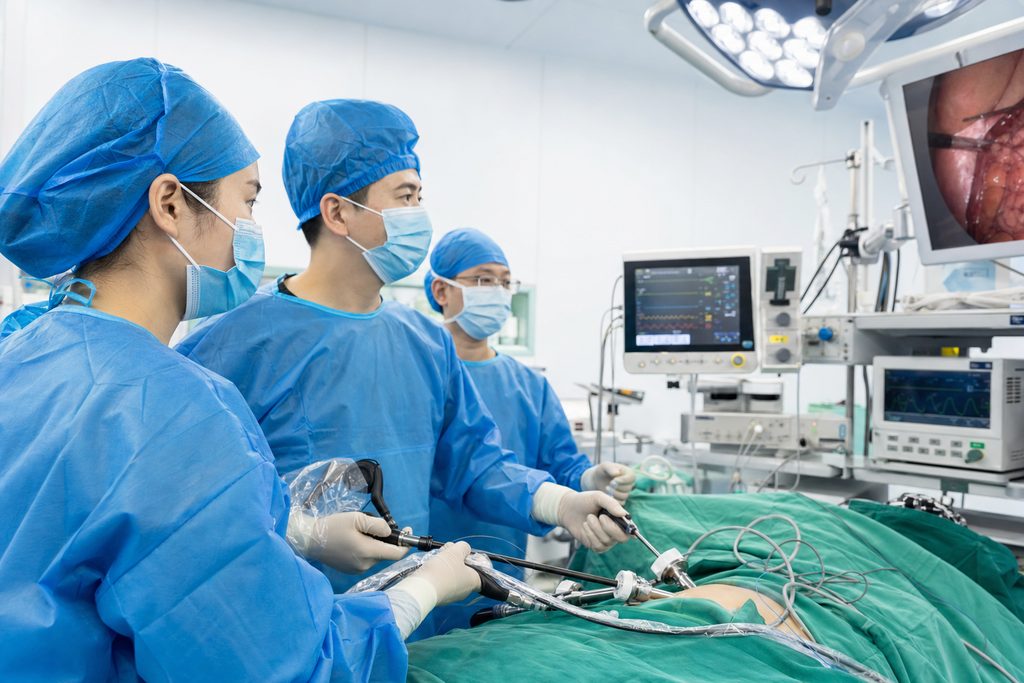
You have probably heard that traveling abroad for surgery means gambling with your safety. That the care is substandard, the communication impossible, and the risks too high. The reality for patients who come to China for complex procedures is often the opposite—especially when it comes to managing chronic conditions like hypertension during a surgical episode. The real challenge is not a lack of expertise. It is a lack of a clear, honest roadmap.
Our team coordinates with over 340 top-ranked hospitals across 37 cities. We see the same pattern repeatedly. A patient needs a major surgery—a joint replacement, a cardiac procedure, a cancer resection. They have high blood pressure. Their local doctor back home flags it as a risk. The patient then searches for “high blood pressure surgery cost China” and finds a maze of conflicting information. The numbers look attractive. But the safety question remains unanswered. This article lays out exactly how hypertension is managed when you come to China for surgery, what the real process looks like, and what you need to know before you book a flight.
How This Actually Works, Step by Step
The sequence is not what most people expect. You do not simply pick a date, wire money, and show up for an operation. Chinese public hospitals, especially the top-tier ones, operate on a specific logic. Understanding it saves you weeks of frustration.
First, you need a recent medical summary. Not just a blood pressure log, but a full dossier: echocardiogram if cardiac-related, renal function tests, current medication list with dosages, and any records of past hypertensive crises. Our team translates these documents into clinical Chinese before they ever touch a doctor’s desk. This is not a simple language swap. It involves converting lab units and formatting them to match Chinese medical record standards.
The dossier goes to the international department of a matched hospital. A specialist reviews it. This is where the first critical decision happens. The doctor is looking for one thing: is your hypertension controlled well enough for elective surgery? If your resting blood pressure is consistently above 180/110 mmHg on your current regimen, the answer will almost certainly be no. Not yet. The hospital will not admit you for a non-emergency procedure under those conditions.
What happens then is a remote optimization phase. Through a written second opinion service, which typically costs from $300 to $500, you receive a detailed analysis. The Chinese specialist may suggest medication adjustments to your local physician. Beta-blockers might be switched. Calcium channel blockers might be added. Diuretic timing might shift. This back-and-forth continues until your numbers stabilize. Only then do you move to the travel planning stage.
Once cleared, we coordinate an in-person consultation slot through the hospital’s VIP or international wing. This is not the general outpatient queue. It is a reserved channel where English-speaking staff are available, and appointment times are fixed. You fly in, attend the face-to-face evaluation, undergo any required pre-operative testing on-site, and the surgical schedule is confirmed. The entire pre-surgery phase in China can take anywhere from 3 to 10 days, depending on the complexity of the workup.
The Real Cost of Hypertension-Related Surgical Care
When people search for “high blood pressure surgery cost China,” they usually want a single number. That number does not exist. The cost breaks into layers, and hypertension adds a specific layer of pre-operative expense that a normotensive patient would not face.
Let us look at a common scenario: a patient needing a total knee replacement who also has Stage 2 hypertension. The base surgical package at a top-tier public hospital’s international wing ranges from $15,000 to $25,000. That covers the implant, operating theater, surgeon’s fee, and a standard 5-7 day inpatient stay. But before you ever reach the operating room, you will need the additional hypertension workup. A cardiac stress test, 24-hour ambulatory blood pressure monitoring, and possibly a consultation with a cardiologist. This pre-operative clearance phase adds $800 to $1,500.
Compare this to the United States, where the same knee replacement with similar cardiac clearance routinely exceeds $50,000. The cost differential remains stark. But ignoring the pre-hypertension clearance cost in your budget is a mistake. It exists. It is mandatory. And it is non-negotiable for any reputable Chinese hospital that follows JCI or equivalent accreditation standards.
| Cost Component | China (International Wing) | USA (Average) |
|---|---|---|
| Pre-op Hypertension Clearance | $800 – $1,500 | $2,000 – $4,000 |
| Knee Replacement Surgery | $15,000 – $25,000 | $35,000 – $55,000 |
| Inpatient Stay (5-7 days) | Included in package | $2,500 – $5,000/day |
| Post-op Medication (3 months) | $150 – $300 | $400 – $800 |
| Total Estimated Range | $15,950 – $26,800 | $49,900 – $91,800 |
These figures vary by hospital and case complexity. A procedure at a private international hospital like United Family will land at the higher end of the China range. A public top-100 hospital’s VIP department might come in slightly lower. The key point: the savings are real, but they come from the base procedural cost, not from skipping safety steps.
A Realistic Timeline
Patients often underestimate the waiting built into this process. Here is what a typical journey looks like when you factor in hypertension management.
| Phase | Duration | What Actually Happens |
|---|---|---|
| Document Collection & Translation | 1–2 weeks | You gather records from your home physician. We translate and format them. This step often stalls because a specific echo report or lab is missing. |
| Remote Specialist Review | 1–3 weeks | The Chinese department reviews your file. If your BP is uncontrolled, they issue a medication adjustment plan. You work with your local doctor to implement it. |
| BP Stabilization Period | 4–8 weeks | This is the part nobody budgets time for. You need 4 to 8 weeks of stable, documented blood pressure readings before a surgeon will clear you for elective surgery. Rushing this is dangerous. |
| Visa Processing (S2) | 2–4 weeks | You apply for an S2 visa for private affairs, supported by the hospital’s invitation letter. Embassy processing times vary by country. |
| Travel & In-Person Consultation | 1 week | You arrive in China. Attend the pre-op consult. Complete any final tests. The surgical date is set. |
| Surgery & Acute Recovery | 1–2 weeks | The procedure and initial inpatient recovery. Your BP is monitored continuously. |
| Local Recovery Before Flight | 1–3 weeks | Surgeons typically want you to stay in the city for a post-op check before clearing you for a long-haul flight. This reduces thrombosis risk. |
The total time from first contact to flying home ranges from 3 to 5 months. The medical tourism China heart health packages that promise a two-week turnaround are usually talking about diagnostics, not major surgery with a hypertension comorbidity. Real safety takes real time.
What Can Go Wrong — and What Happens Then
The most common failure point is perioperative hypertension. You arrive, you are anxious, you are in an unfamiliar environment. Your blood pressure spikes the morning of surgery. The anesthesiologist sees a reading of 200/115. The surgery is canceled.
This happens. Not frequently, but it is a known risk. The protocol in a Chinese top-tier hospital is clear. The procedure is postponed, typically by 24 to 72 hours. You are not sent home. Your medication is adjusted intravenously. A cardiologist is consulted. You are monitored until the numbers come down. The hospital does not charge you for a second operating theater booking in most cases, but your extended stay adds room and board costs.
Another failure mode involves undiagnosed secondary hypertension. Your high blood pressure might be driven by renal artery stenosis or a pheochromocytoma—conditions that routine pre-op screening in your home country missed. Chinese hospitals, particularly those with high patient volumes like West China Hospital or Ruijin Hospital, have seen these zebra diagnoses enough times to spot them. If discovered, your planned surgery is put on hold. You are referred for treatment of the underlying cause first. This is disruptive. It is also exactly what should happen. The alternative is a catastrophic event on the table.
What about language breakdowns? Our bilingual medical companions are present for every critical conversation. But if you wander down to the hospital pharmacy alone to fill a prescription, you will likely hit a wall. The pharmacist does not speak English. The label is in Chinese characters. This is a solvable problem—our team handles it—but it is a real friction point that solo medical tourists encounter.
Choosing the Right Center: Not All Hospitals Manage Risk the Same Way
If you are searching for the “best hospital for blood pressure treatment in Shanghai,” you are asking a slightly wrong question. Hypertension itself is rarely the primary reason you travel. It is the comorbidity that complicates your primary surgical need. The right question is: which surgical department has the strongest perioperative risk management protocol?
Shanghai offers several distinct tiers. Zhongshan Hospital, affiliated with Fudan University, runs a cardiovascular program that performs over 140,000 interventional procedures annually. Their anesthesiology department manages hypertensive patients in such high volumes that the protocols are deeply ingrained. They are not fazed by a patient with controlled Stage 2 hypertension. It is routine.
Ruijin Hospital, also in Shanghai, houses a nationally ranked endocrinology and hypertension department. If your blood pressure has been difficult to control, their internal medicine team can be looped into a pre-surgical consultation with unusual speed. This cross-departmental access is what distinguishes a top-5% hospital from a competent but smaller facility.
For patients who prefer a Western-style experience with full English-language continuity, Jiahui International Hospital in Shanghai provides JCI-accredited care with direct insurance billing. The trade-off is cost. Their surgical packages run higher than the public hospital international wings. The advantage is a more familiar patient experience and zero language friction.
We also see patients who ask specifically about how to control high blood pressure before surgery abroad. The answer is not a single pill. It is a protocol. Limit sodium strictly for two weeks before travel. Avoid alcohol entirely during that window. Continue your prescribed antihypertensives exactly on schedule, accounting for time zone shifts during your flight. Bring a validated home blood pressure monitor and take readings twice daily. Share those readings with both your home doctor and the Chinese surgical team. If your systolic pressure creeps above 160 in the week before departure, flag it immediately. Do not hope it resolves on its own.
Practical Considerations: Records, Visas, and Follow-Up Care
Your medical records must be more than translated. They must be structured. A pile of PDFs emailed in no particular order slows everything down. We organize records chronologically and by system: cardiac, renal, pharmacological. The hospital wants to see a narrative, not a data dump.
The visa category for this journey is S2. It is a short-term private affairs visa, and the supporting documentation from the hospital is essential. We provide a formal invitation letter template that the hospital stamps. Embassy requirements shift, and we verify the latest rules for your nationality before you apply. The S2 processing time ranges from 4 to 15 business days depending on the consulate. Factor this into your timeline early.
Payment works on a pre-paid model in public hospitals. You deposit an estimated amount before admission. The hospital draws against that deposit daily. If the balance runs low, you top it up. At discharge, any surplus is refunded. Private international hospitals often bill insurance directly, but public hospital international wings require you to pay and then seek reimbursement from your insurer. We provide the detailed invoices and medical records you need for that claim.
Follow-up care after you return home is a handoff, not a severance. The Chinese surgical team provides a discharge summary in English. It includes medication instructions, activity restrictions, and warning signs for complications. You take this to your local primary care physician or cardiologist. If questions arise weeks later, we facilitate a follow-up video consultation with the Chinese specialist. These cost between $100 and $300, and any payment made toward that consultation is credited in full toward future coordination services if you need to return for a second procedure.
Frequently Asked Questions
You can travel for a consultation, but elective surgery will not proceed until your blood pressure is controlled. Most surgeons require readings below 160/100 mmHg for at least four weeks before they will operate. If you arrive with uncontrolled hypertension, the surgical team will initiate a medication optimization plan, and your procedure will be delayed. This is a universal safety standard, not a China-specific restriction.
The surgical procedure itself typically costs one-fifth to one-third of the US price. A cardiac bypass that runs $120,000 in the US may cost $15,000 to $25,000 at a top Chinese hospital’s international wing. However, the pre-operative hypertension management adds $800 to $1,500. This is still a fraction of the US cost, but it is a real line item you must budget for. The final number always depends on the specific hospital and your case complexity.
You do not book a procedure directly. You start with a remote case review. Send your medical records, including cardiac workup and blood pressure logs, to the hospital’s international department. A specialist evaluates whether you are a surgical candidate. If yes, you receive an invitation letter for your S2 visa, travel for an in-person consultation, and the surgery is scheduled after that face-to-face assessment. The process is sequential and medically gated at each step.
The anesthesiologist will cancel the procedure. This is standard practice globally. You will not be discharged. The hospital will admit you for monitoring, adjust your medication, and reschedule the surgery once your pressure stabilizes—usually within 24 to 72 hours. You will incur additional room and board charges, but the surgical team does not proceed with an unsafe patient. This is the mark of a responsible hospital.
There is no single answer. It depends on your primary surgical need. For cardiac surgery, Fuwai Hospital in Beijing handles over 14,000 heart operations annually and manages hypertensive comorbidities at massive scale. For orthopedic surgery with hypertension, Peking Union Medical College Hospital offers deep multi-departmental coordination. In Shanghai, Zhongshan Hospital and Ruijin Hospital both run robust perioperative hypertension protocols. The best hospital is the one where the surgical department and the cardiology or hypertension unit collaborate seamlessly on your specific case.
Your Next Step
Controlling high blood pressure before surgery is not a bureaucratic hurdle. It is the single most effective way to reduce your risk of a perioperative stroke, heart attack, or bleeding complication. The Chinese hospitals we work with take this seriously, and so should you. Our team exists to translate not just your records, but the entire logistical and cultural pathway between your diagnosis and a successful recovery.
We do not provide medical advice. We do not promise outcomes or guarantee access to any specific surgeon. What we do is handle the coordination that would otherwise consume your time and energy: hospital matching based on your real clinical profile, document translation, visa guidance, appointment scheduling, and on-the-ground bilingual companionship. If you want to understand whether your specific case makes sense for China, reach out for a free consultation. We will give you an honest assessment, even if the answer is that you are better off staying home.
Request a free case evaluation and let us walk you through the options—no pressure, no false promises, just a clear-eyed look at what is possible.
For more medical information and treatment options in China, visit chinamedservices.com (China Medical Services).
