Huashan Hospital Shanghai International Patient Service: Neurosurgery & Dermatology Support
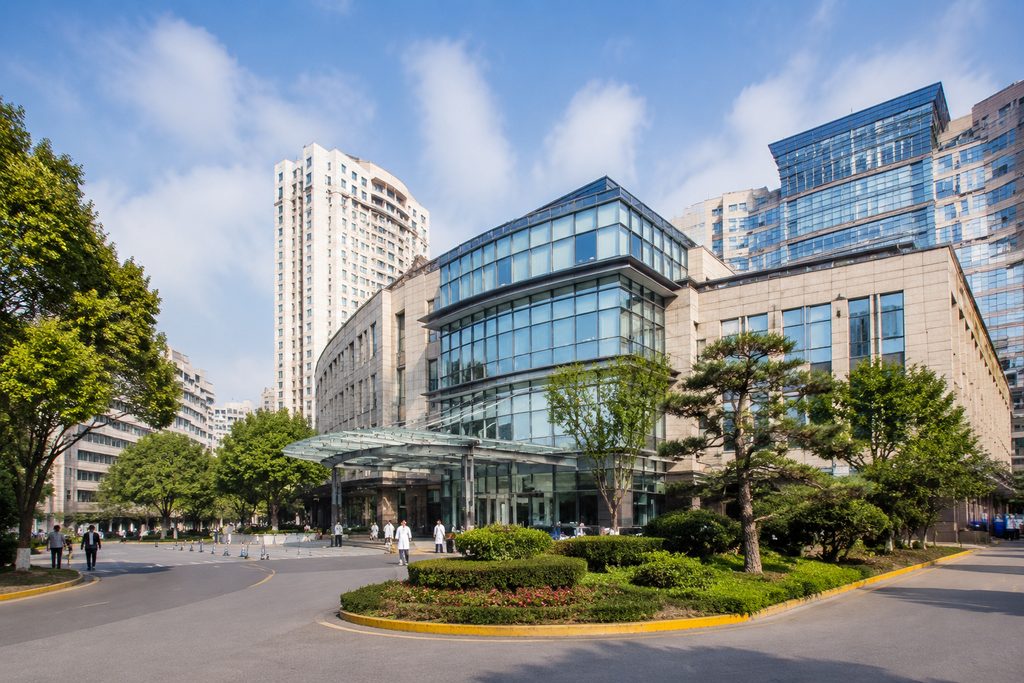
Key Takeaways
- Huashan Hospital‘s neurosurgery department performs over 17,000 procedures annually, rivaling the highest-volume Western centers and offering a depth of clinical experience that directly impacts surgical outcomes.
- The dermatology department is ranked among China’s top 2, serving as a national referral center for complex skin cancers, autoimmune disorders, and rare conditions that stump general practitioners.
- Navigating the public registration system as a foreigner is virtually impossible without local assistance; the hospital’s official International Medical Center is your only viable entry point, and appointments are not guaranteed.
- An international patient consultation, including bilingual coordination, typically starts from $300, with comprehensive neurosurgical packages ranging from $25,000 to $45,000—a fraction of US costs but requiring full upfront payment.
The Problem: A Brain Tumor Diagnosis and a Crushing Timeline
You’ve just been told you have a meningioma. Or maybe a glioma. The neurosurgeon in London, Sydney, or Los Angeles was calm, professional, and booked solid for the next four months. That’s the reality for approximately 1 in 5 patients in publicly funded health systems, where non-emergency brain tumor resections face median wait times of 60 to 120 days. And that’s just to get on the table. The clock ticks. The anxiety compounds.
Or perhaps your concern is dermatological. A lesion on your back has changed shape. Your local dermatologist ordered a biopsy, but the results were inconclusive. You want a second opinion from a team that sees rare pigmented lesions every single day—not once a quarter. You start researching. The names that surface repeatedly are in Shanghai. Specifically, Huashan Hospital. But how do you actually get in? What will it cost? And can you trust the process? These are not abstract questions. They are urgent, operational, and deeply personal.
Who We Are
The hospital invests heavily in intraoperative imaging. For neurosurgery, this means intraoperative MRI (iMRI) and neuronavigation systems that allow surgeons to update their surgical roadmap in real time as the brain shifts during tumor removal. Awake craniotomy with cortical mapping—a technique used to preserve language and motor function while resecting tumors near eloquent brain regions—is a routine procedure here, not an occasional event. The dermatology laser center houses over 100 devices, including pulsed dye lasers, fractional CO2 lasers, and photodynamic therapy platforms for treating everything from port-wine stains to aggressive squamous cell carcinomas. You get access to the full toolkit, not just the one machine your local clinic could afford.
Let’s address the central question head-on: the Huashan Hospital international patient price. For a complex craniotomy with neuronavigation and a 5-7 day inpatient stay, the all-in cost through the International Medical Center typically falls between $25,000 and $45,000 USD. That includes surgeon fees, anesthesiology, operating room charges, imaging, and a private recovery suite. The same procedure in the United States routinely bills between $150,000 and $300,000. Even with airfare and a month of accommodation in Shanghai, the total expenditure rarely exceeds 30% of the US price.
| Procedure | Huashan Hospital (USD) | US Average (USD) | UK Private (USD) |
|---|---|---|---|
| Brain Tumor Resection (Craniotomy) | $25,000 – $45,000 | $150,000 – $300,000 | $50,000 – $90,000 |
| Mohs Surgery (Single Stage) | $800 – $1,500 | $3,000 – $6,000 | $2,500 – $4,500 |
| Dermatology Consultation with Dermoscopy | $100 – $200 | $300 – $600 | $250 – $500 |
| Gamma Knife Radiosurgery | $8,000 – $12,000 | $40,000 – $70,000 | $20,000 – $35,000 |
These prices are not a sign of compromised quality. They reflect structural economic differences: lower physician labor costs, hospital-owned equipment without the overhead of multi-layered insurance billing, and a high-throughput operational model. The International Medical Center charges a premium over the standard public ward—roughly 1.5 to 2 times—but that premium buys you English-speaking coordination, private rooms, and a scheduling pathway that bypasses the chaotic public queue. The Huashan Hospital neurosurgery package cost is not fixed. It varies by tumor location, surgical complexity, and length of stay. Your final quote will come after a medical record review, not from a website menu.
What You Need to Know Before Going Alone
The barriers to accessing Huashan Hospital independently are real. We tell every patient this upfront because surprises in a foreign country are the last thing you need when facing a serious diagnosis.
- Language and Registration: The public registration system operates entirely in Mandarin. Appointment kiosks, medical forms, directional signage—all Chinese. Even if you manage to register, the consulting physician likely speaks limited English. The “best neurosurgeon Shanghai for foreigners” is not a single individual you can email. Top specialists work within department structures, and their schedules are managed by hospital administrators, not personal assistants.
- Payment and Upfront Deposits: Chinese public hospitals, including Huashan’s International Medical Center, operate on a prepayment model. You deposit a lump sum before admission—typically 50,000 to 100,000 RMB for major neurosurgery—and the hospital deducts charges daily. If the deposit runs low, treatment pauses. International credit cards are accepted at the International Medical Center, but the public side of the hospital may only take Chinese UnionPay or WeChat Pay. Insurance direct billing is rare; you pay first and seek reimbursement later.
- Medical Records and Visa Timing: The S2 visa, which is the correct category for medical treatment in China, requires an invitation letter from the hospital. Obtaining that letter independently means first getting a physician to agree to treat you—a chicken-and-egg problem. You need the visa to travel, but you need a confirmed treatment plan to get the visa invitation. Processing times vary by consulate but plan on 2-4 weeks minimum.
How We Help You Navigate This
We solve the chicken-and-egg problem. Our team translates your medical records—imaging reports, pathology slides, referral letters—into clinical Chinese and submits them through Huashan’s official International Medical Center channel. The department head or a senior attending reviews your case. If they accept, we receive a preliminary treatment plan and a cost estimate. That document becomes the basis for your S2 visa invitation letter. We do not guarantee that any specific surgeon will take your case. We guarantee that your records will be reviewed by the right department and that you will receive an honest answer.
On the ground, a bilingual medical companion meets you at the hospital entrance. They handle registration, queue management, payment deposits, and real-time translation during your consultation. You sit across from the neurosurgeon or dermatologist and have a real conversation—not a halting exchange through a translation app. Our companions do not offer medical opinions. They are professional interpreters familiar with clinical terminology. They ensure the physician understands your history and that you understand the proposed treatment, risks, and alternatives.
After discharge, we coordinate follow-up imaging, wound checks, and any necessary rehabilitation referrals. If your dermatology procedure requires staged excisions or multiple Mohs layers, we manage the scheduling so you are not stranded in Shanghai waiting for a callback that never comes. The goal is continuity of care that bridges the gap between your home country and China.
Frequently Asked Questions
How do I book a dermatology appointment at Huashan Hospital as an international patient?
You cannot book directly through the public registration system. The practical route is through the hospital’s International Medical Center, which requires a referral submission—either from your home physician or through a coordinating service like ours. We translate your records, submit them to the dermatology department, and secure an appointment slot once a specialist agrees to see you. Walk-in attempts without Chinese language support almost always fail.
What is the real Huashan Hospital international patient price for brain tumor surgery?
The all-inclusive cost for a craniotomy with inpatient recovery typically ranges from $25,000 to $45,000 USD. This covers the surgeon, anesthesiologist, operating theater, intraoperative imaging, and a private room. Complex cases requiring extended ICU stays or advanced neurophysiological monitoring may exceed this range. You will receive a personalized quote after your medical records are reviewed. No one can give you an exact price sight unseen.
Is Huashan Hospital good for skin cancer treatment compared to Western centers?
Yes. The dermatology department is a national referral center for complex skin malignancies. Its dermatopathologists review a volume of slides that most Western labs would see in a year within a few months. Mohs surgery, laser ablation, and photodynamic therapy are all available. The main difference you will notice is operational: the pace is faster, the consultations are more direct, and the aftercare instructions assume you have local support. We bridge that gap for international patients.
Who is the best neurosurgeon in Shanghai for foreigners?
This is the wrong question. Huashan’s neurosurgery department has over 100 attending neurosurgeons, many of whom are internationally fellowship-trained and publish in top-tier journals. The “best” surgeon for you depends on your specific pathology—skull base tumors, gliomas, functional neurosurgery, and cerebrovascular cases each have their own subspecialty teams. We work with the department to match your case to the appropriate subspecialist. You do not pick a name from a list. The department assigns the right surgeon based on clinical fit.
What if something goes wrong during or after surgery?
This is the hardest question, and it deserves a straight answer. Huashan Hospital carries institutional malpractice insurance, and the International Medical Center has protocols for adverse events. But the medico-legal framework in China differs from Western countries. Litigation is rare and difficult for foreigners to navigate. Your practical protection is the hospital’s reputation: Huashan is a top-tier academic center, and its senior surgeons are deeply invested in their clinical outcomes and international standing. We recommend that all patients carry comprehensive medical travel insurance that includes emergency evacuation coverage. We can guide you to insurers familiar with medical tourism to China, but we do not sell insurance ourselves.
Your Next Step
A brain tumor diagnosis or a suspicious skin lesion does not pause while you navigate bureaucracy. The clinical expertise at Huashan Hospital is world-class, and the cost advantage is substantial, but the pathway in requires local knowledge and linguistic fluency. You do not need to figure this out alone. If you are considering Shanghai for neurosurgery or dermatology care, start with a conversation about your specific case. We will tell you honestly whether Huashan is a fit and what the likely timeline and cost will be. No pressure. No hard sell. Just the information you need to make a clear-headed decision.
Learn more about how we coordinate care at top-tier Chinese hospitals on our patient support services page. For a broader look at Shanghai’s medical landscape, visit our Shanghai hospital guide. You can also explore our full database of top-ranked hospitals across China to compare options.
For more medical information and treatment options in China, visit chinamedservices.com (China Medical Services).
