Infertility Hospitals in Guiyang: A Guide to IVF Cost and Care
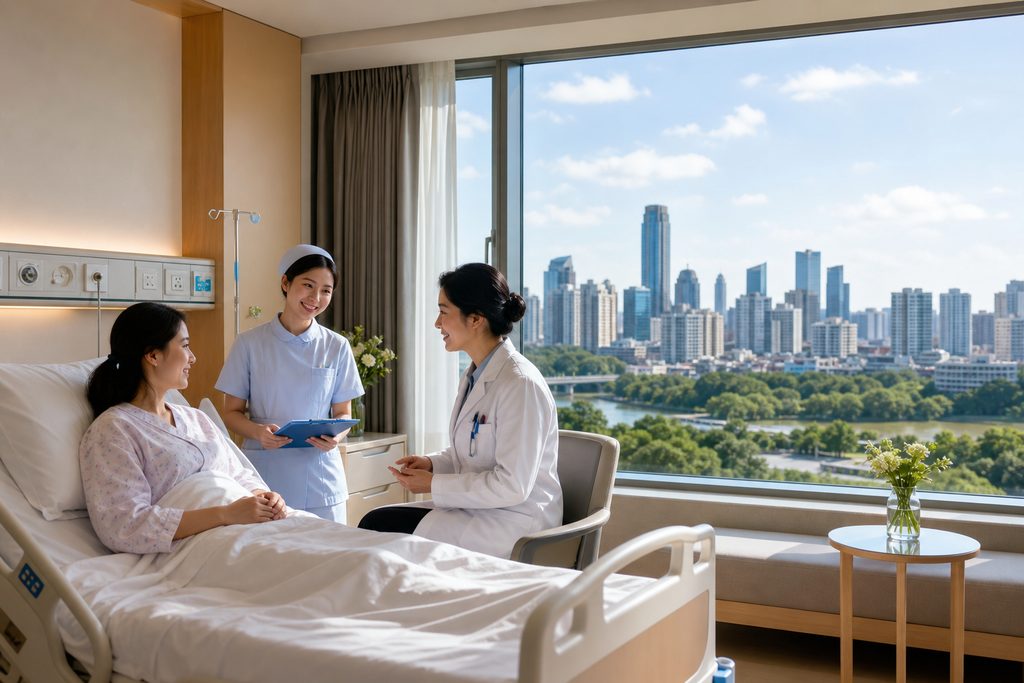
You have probably heard that seeking fertility care abroad means gambling with quality, language barriers, and hidden costs. The truth is more complicated, and often more encouraging, than that. For a growing number of international patients, the question is no longer whether to travel for treatment, but where. Guiyang, a provincial capital in southwest China, has become a quiet contender in that conversation.
This guide is written for people who are weighing their options and want straight answers about infertility hospitals in Guiyang, what treatment actually involves, and what it costs. We are not a hospital and we do not provide medical advice. We are a medical concierge service that helps international patients understand the Chinese system and connect with the right specialists.
Key Takeaways
- Guiyang offers access to large public hospitals and a growing number of private fertility clinics, but it is not a top-tier destination on the level of Beijing or Shanghai for complex reproductive medicine.
- IVF cost Guiyang China typically runs far below Western prices, though final figures depend on the hospital, the protocol, and how many cycles you need.
- The biggest practical hurdle is not medicine — it is logistics. Public hospitals rarely let overseas patients book a specialist directly in advance, and English support is limited outside international departments.
- Before committing to travel, request a written second opinion or video consultation so you understand whether Guiyang is genuinely the right fit for your case.
The Problem: Fertility Care Is Expensive and Slow Where You Live
In the United States, a single IVF cycle averages around $12,000 to $17,000 before medications, according to long-running cost surveys from fertility industry researchers. Medications can add another $3,000 to $5,000. In the UK, one private cycle often runs £5,000 to £8,000, and NHS funding is tightly rationed by age and postcode. In Canada, public funding varies by province, and waitlists for funded cycles can stretch past a year.
That math is brutal for anyone paying out of pocket. Many patients need two, three, or more cycles. The costs compound fast, and so does the emotional toll.
So when people search for infertility hospitals in Guiyang, they are usually asking a bigger question: is there a place where the medicine is solid, the price is humane, and the process is manageable for a foreigner? The honest answer is yes, with caveats. Guiyang can work well for straightforward cases. It is a harder sell for complex ones.
Why China Delivers Results in Reproductive Medicine
China performs a very high volume of assisted reproduction procedures each year across its 35,000-plus hospitals. Volume matters in fertility care. It shapes how experienced a clinic’s embryology lab is, how well the team handles tricky stimulation protocols, and how efficiently the whole cycle runs.
Clinical Volume and Lab Experience
Top Chinese reproductive medicine centers handle thousands of cycles annually. That kind of throughput builds embryologist skill in embryo grading, vitrification, and transfer technique. The Fudan University Hospital Rankings, which assess specialty reputation across 45 disciplines, list a defined top tier for reproductive medicine — and those leaders cluster in major cities rather than Guiyang.
Technology at Scale
Chinese fertility clinics routinely offer ICSI, frozen embryo transfer, preimplantation genetic testing, and time-lapse embryo monitoring. The equipment is not the bottleneck. What varies is how much English-language support a given hospital provides, and how flexible its scheduling is for someone flying in from abroad.
Cost Advantage Without Cutting Corners
Lower prices in China come from labor economics and hospital efficiency, not from cheaper drugs or skipped steps. A cycle that costs $15,000 in the US can often be done for a fraction of that in China. The medications are the same class of drugs. The lab standards are regulated. What changes is the overhead.
What IVF Actually Costs in Guiyang and China
Let us put real numbers on the table. The figures below are typical ranges for self-paying international patients. They vary by hospital and case complexity, and they exclude travel and accommodation.
| Service | Typical Range in China (USD) | US Comparison (USD) |
|---|---|---|
| Initial consultation and baseline workup | $150 – $500 | $300 – $800 |
| One standard IVF cycle (fresh transfer) | $4,000 – $9,000 | $12,000 – $17,000 |
| ICSI add-on | $500 – $1,500 | $1,500 – $3,000 |
| Frozen embryo transfer (FET) | $1,500 – $3,500 | $3,000 – $6,000 |
| Fertility medications per cycle | $800 – $2,500 | $3,000 – $5,000 |
| Preimplantation genetic testing (per embryo batch) | $1,500 – $4,000 | $3,000 – $7,000 |
In Guiyang specifically, public hospital pricing tends to sit at the lower end of these ranges. Private international clinics sit higher but bundle in English service and shorter waits. That means how much does IVF treatment cost in China is really two questions: which tier of hospital, and how many cycles.
Is IVF Safe in China for International Patients?
A standard cycle in China typically runs $4,000 to $9,000, against $12,000 to $17,000 in the US. Medications and add-ons push the total higher. Final pricing depends on the hospital tier, your protocol, and the number of cycles, so treat any figure as an estimate until a clinic reviews your case.
Licensed Chinese clinics operate under national standards for labs and clinical practice, and outcomes at high-volume centers are comparable to international benchmarks. Safety depends heavily on matching your specific case to the right clinic, which is why a pre-travel consultation matters.
Medical travel uses the S2 visa, which covers short stays for treatment and private affairs. Family members traveling with you apply under S2 as well. If your planned stay exceeds 180 days, S1 applies. Requirements change, so confirm the latest rules with your nearest Chinese embassy or consulate.
Fertility treatment carries no guarantees, in China or anywhere else. A responsible clinic will discuss realistic success odds for your age and history before you start, and will outline what a second cycle would involve. Ask these questions upfront, and get the answers in writing where possible.
Your Next Step
The core message is simple: Guiyang can be a sensible, affordable option for straightforward fertility treatment, but it is not the right fit for every case — and knowing the difference before you fly saves money and heartache. We are China Medical Services, a concierge team that helps international patients understand the Chinese system, request second opinions, and coordinate hospital visits. We are not a hospital and we do not give diagnoses. If you would like a free, no-pressure conversation about whether Guiyang makes sense for your situation, you can reach out through our consultation page and we will help you think it through.
This article is for general information only and is not medical advice. Treatment decisions should be made with a qualified physician who can review your individual history.
Frequently Asked Questions
Yes. The hospitals used for international patients are JCI-accredited and follow the same international safety standards as top hospitals in the US and Europe. Surgical teams perform high volumes of procedures — often more than their Western counterparts — which studies show leads to better outcomes.
Costs vary by procedure and hospital, but international patients typically save 40-80% compared to US prices — even when factoring in travel and accommodation. A consultation with our team will give you an exact, all-inclusive quote with no hidden fees.
Send us your existing medical reports to get started. We handle everything from hospital selection and appointment scheduling to visa assistance and post-operative recovery planning. Your medical records are reviewed by the specialist before you even book a flight.
For more medical information and treatment options in China, visit chinamedservices.com (China Medical Services).
