Inpatient Companion: Managing Pain and Anxiety in Chinese Hospitals
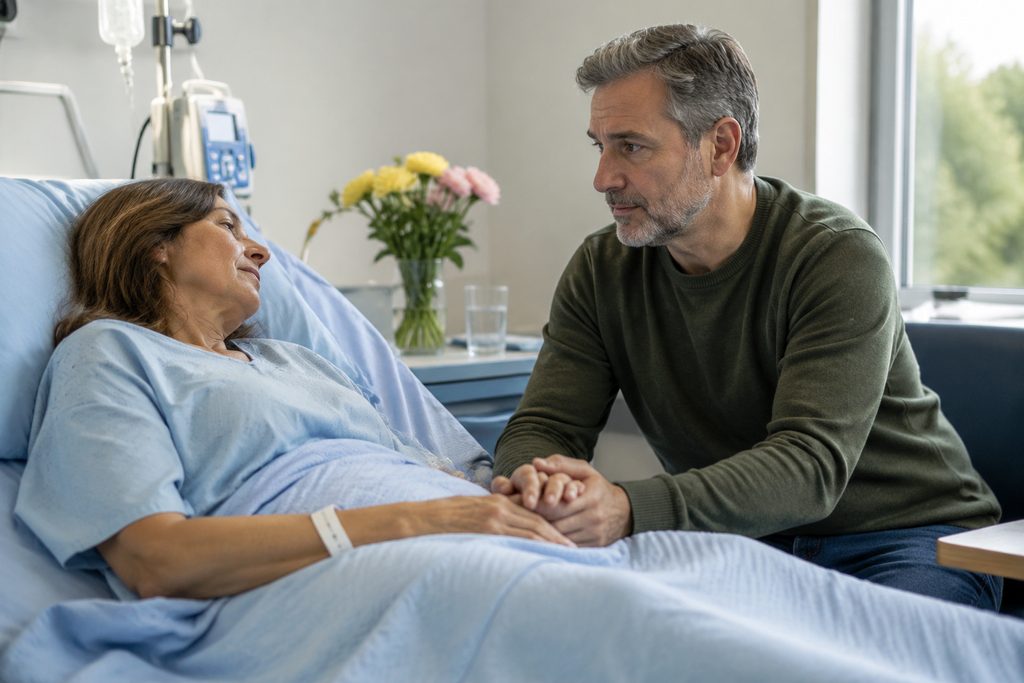
Inpatient Companion: Managing Pain and Anxiety in Chinese Hospitals — The Short Answer
If you are searching for an inpatient companion to manage pain and anxiety during a hospital stay in China, the core answer is this: pain management after surgery China cost is typically one-fifth to one-tenth of what you would pay in the United States, and a bilingual inpatient companion costs from $300 per day. That companion does not prescribe medication or make medical decisions. Instead, they translate between you and your medical team, explain what is happening at each step, coordinate with nurses, and help family members understand visiting rules. The complication: pain protocols, anxiety management options, and family presence rules vary significantly between public hospitals, international departments, and private facilities. What works at Peking Union Medical College Hospital differs from what happens at a JCI-accredited private hospital in Shanghai.
An inpatient companion is not a clinical role. It is a communication and coordination role. And that distinction matters more than most international patients expect. Chinese hospitals are extraordinarily capable — Fuwai Hospital performs over 14,000 cardiac surgeries annually, more than any center globally. But the system assumes you speak Chinese or have someone beside you who does. Pain scales, medication side effects, epidural adjustments, anxiety symptoms — all of these require precise communication. A companion bridges that gap.
Who This Is Right For — and Who It Isn’t
Most international patients considering surgery in China benefit from some form of inpatient support. But not everyone needs a full-time companion. Being honest about who should not hire one is how you avoid wasting money.
Typically a good candidate:
- You are traveling alone or with family who speak no Mandarin.
- You have a complex surgical procedure planned — cardiac, orthopedic, oncologic, or neurosurgical.
- You have a history of anxiety around medical procedures or hospitals.
- You take multiple medications and need someone to track timing and side effects.
- You are staying in a public hospital’s standard ward rather than an international department.
- Your family members at home need regular, accurate updates in English.
Probably not necessary:
- You are admitted to a private international hospital like United Family or Jiahui, where nurses and physicians routinely speak English.
- Your procedure is minor or outpatient, with a short observation stay.
- You are fluent in Mandarin or have a bilingual family member who can stay with you throughout.
- Your hospital’s international department explicitly assigns an English-speaking case manager to your room.
One nuance: even in international departments, night-shift nurses may have limited English. Daytime staff might be fluent, but at 3 a.m. when pain spikes, you may be alone with a nurse who speaks only basic phrases. That is precisely when a companion — or at minimum a family member with a translation app — matters most.
The Options, Compared
Pain and anxiety management during a hospital stay in China depends heavily on where you are admitted. The three main tiers differ in staffing, medication access, visiting rules, and cost. Here is a direct comparison.
| Factor | Public Hospital Standard Ward | Public Hospital International/VIP Department | Private International Hospital |
|---|---|---|---|
| Daily room cost | $50–$150 | $300–$800 | $500–$1,500 |
| English-speaking staff | Rare, especially at night | Usually available during day; variable at night | Standard across shifts |
| Pain medication access | Standard formulary; PCA pumps common after major surgery | Broader formulary; more flexible prescribing | Western-standard protocols; patient-controlled analgesia standard |
| Family overnight stays | Usually not permitted; limited visiting hours | Often permitted in single rooms; sofa beds available | Typically allowed; some rooms have guest beds |
| Anxiety management | Limited; may prescribe basic anxiolytics | Can arrange psychiatric or psychological consultation | Integrated; psychologists and psychiatrists on staff |
| Bilingual companion value | Highest — nearly essential for non-Mandarin speakers | Moderate — useful for continuity and family updates | Lowest — built-in English support |
If you are budget-conscious and your procedure is straightforward, a standard ward plus a companion may cost less overall than an international department alone. But if you want the smoothest possible experience and can afford it, a private international hospital or a VIP department reduces the communication burden substantially. The companion becomes a coordinator rather than a lifeline.
How Do Hospitals in China Manage Post-Op Pain?
This is the question behind the search. The honest answer: Chinese tertiary hospitals manage post-operative pain competently, but the approach differs from what American or European patients expect.
Most top-tier Chinese hospitals — the ones on the Fudan ranking list — use multimodal analgesia protocols. That means combining acetaminophen, NSAIDs, regional nerve blocks, and opioids rather than relying on a single drug. Patient-controlled analgesia (PCA) pumps are widely available after major thoracic, abdominal, and orthopedic surgery. Epidural analgesia is standard for many procedures. But the cultural attitude toward pain expression differs. Chinese patients often under-report pain. Nurses may not proactively ask you to rate your pain on a 0–10 scale as frequently as Western nurses do.
That is where a companion changes the dynamic. A bilingual companion can advocate for you: repeating your pain score, requesting reassessment, confirming when the next dose is due, and asking about non-pharmacologic options like repositioning, cold therapy, or breathing exercises. They do not override medical judgment. They make sure your voice reaches the medical team accurately.
For anxiety, options vary more. Some hospitals provide short-acting anxiolytics pre-operatively. Others offer music therapy, guided breathing, or traditional Chinese medicine adjuncts like acupuncture for relaxation. TCM approaches are more commonly integrated in Chinese hospitals than in Western ones, particularly for post-operative nausea, sleep disturbance, and general anxiety. But if you have a diagnosed anxiety disorder, bring documentation and discuss medication continuity with your admitting physician before travel.
Can Family Stay With a Patient in a Chinese Hospital?
The short answer: it depends on the hospital tier and the room type. In standard public wards, family members are usually limited to visiting hours — often 3 p.m. to 7 p.m. or similar windows — and overnight stays are generally not permitted. Beds are shared, sometimes with four to eight patients per room, and privacy is minimal.
In international departments and VIP wards, single rooms are the norm. Family members can often stay overnight on a sofa bed or folding cot. Private international hospitals are the most accommodating, with some rooms designed for a family member to stay comfortably for days.
If having a spouse or parent beside you matters — and for many patients, that presence is the single most effective anxiety intervention — choose a hospital tier that permits it. Do not assume. Ask before you commit to a surgical date. A medical companion service can verify visiting policies, room configurations, and whether a family member can sleep in the room for your specific hospital and department.
What an Inpatient Companion Costs
Rates for a medical companion service for surgery abroad typically start at $300 per day for a full 8-hour shift in a major Chinese city. Half-day coverage (4 hours) is proportionally less. Airport transfer adds about $200 round-trip. These figures are for coordination and translation labor — they do not include hospital charges, medications, or physician fees.
What drives variance:
- City: Beijing and Shanghai rates run higher than Chengdu or Wuhan.
- Language pair: English–Mandarin is standard; other language pairs (Arabic, Russian, French) may cost more due to scarcity.
- Shift timing: Overnight coverage costs more than daytime.
- Complexity: Oncology cases with multiple specialists and frequent test coordination require more labor than a straightforward orthopedic admission.
If you also need hospital appointment coordination, that starts at $300 as a separate service. A written second opinion from a top-tier specialist runs $300–$500. A top-specialist video consultation ranges from $500–$800. Any consultation fee is credited in full toward on-the-ground coordination if you proceed with treatment in China within 90 days. That credit applies to the coordination fee only — never to hospital treatment charges.
Practical Considerations: Documentation, Payment, and Aftercare
Before you fly, gather everything: imaging files (DICOM format if possible), pathology reports, medication lists with generic names, prior surgical records, and a letter from your home physician summarizing your case. Chinese specialists will review these before confirming a treatment plan. Incomplete records delay everything.
Visa: You need an S2 visa for short-term medical treatment. Your accompanying family member applies for the same category. The hospital’s international department or your coordination service will provide an invitation letter and treatment confirmation. Processing times vary by consulate — allow at least three to four weeks. No visa category guarantees approval, and requirements change. Check the latest embassy guidance before applying.
Payment: Public hospitals in China typically require a deposit upfront, often 50–100% of the estimated procedure cost. Payment is usually by cash, UnionPay, or international credit card at larger hospitals — but confirm before arrival. Private international hospitals often accept direct insurance billing. Public hospital international departments may or may not. If you have international health insurance, contact your insurer before travel to understand whether they reimburse Chinese hospital charges or require direct billing arrangements.
After discharge, follow-up matters. You will need wound care instructions, medication schedules, and a plan for communicating with your Chinese surgical team after you return home. Many hospitals offer video follow-up consultations for international patients. Confirm this before discharge. Your companion can help you set up those channels and ensure you leave with translated discharge summaries and prescriptions.
Frequently Asked Questions
Mostly yes. Morphine, fentanyl, oxycodone, tramadol, and epidural anesthetics are all available at top-tier hospitals. The difference is in how proactively they are offered. Chinese cultural norms often lead patients to tolerate pain quietly, and nurses may not push medication as aggressively as Western patients expect. You must speak up — or have someone speak for you.
Not all Western psychiatric medications are registered in China. Some benzodiazepines and SSRIs are available; others are not. Bring a full supply of your current medications in original packaging, along with a doctor’s letter. Do not assume you can refill anything locally. If you need anxiety medication during your stay, the hospital psychiatrist can prescribe from the local formulary, but it may not be the same drug you take at home.
Tell your nurse. Then tell your surgeon. Then tell your companion to escalate. Chinese hospitals have pain management teams in major centers, but activation often requires a request. Persistent uncontrolled pain should trigger a reassessment of your analgesic regimen, possibly including a nerve block or a change in medication. If you feel your pain is being dismissed, a bilingual companion can press for a formal pain consultation.
In a private international hospital, almost certainly yes. In a VIP or international department of a public hospital, usually yes during daytime hours and often overnight in a private room. In a standard public ward, visiting hours are restricted and overnight stays are generally not allowed. This is one of the strongest arguments for choosing a higher-tier room if family presence is essential to your recovery.
No. A medical companion is not a healthcare provider. They do not administer medication, interpret lab results, or make clinical decisions. They translate, coordinate, advocate, and explain. For clinical questions, they connect you with your medical team. This distinction protects you: medical decisions always remain with licensed physicians and nurses.
Your Next Step
Managing pain and anxiety during a hospital stay in China is absolutely manageable — but it requires planning. Choose the right hospital tier, understand the visiting rules, bring complete records, and decide whether a bilingual companion is worth the daily rate for your situation. For many international patients, the answer is yes, especially in public hospital settings where English support is limited.
We are China Medical Services, a coordination team that connects international patients with top-ranked Chinese hospitals. We are not a hospital, and we do not diagnose or treat. We handle hospital matching, appointment coordination, visa guidance, and bilingual companion support. If you are considering surgery in China and want to understand your options for pain and anxiety management, start with a free consultation. We will walk through your case, answer your questions honestly, and help you decide whether this path makes sense for you. Get a free consultation — no commitment, just clarity.
For more medical information and treatment options in China, visit chinamedservices.com (China Medical Services).
