Loose Skin Removal After Weight Loss: Costs, Timing, and China Options
Key Takeaways
- Loose skin removal surgery cost China typically ranges from $3,500 to $8,000 for a full tummy tuck — roughly one-fifth of the $20,000+ US average.
- Board-certified plastic surgeons at Shanghai and Beijing hospitals perform hundreds of body contouring procedures annually, with outcomes tracked in peer-reviewed Chinese medical journals.
- You should wait 12 to 18 months after reaching a stable weight before booking surgery — operating too early means a second procedure later.
- No legitimate hospital will schedule surgery without an in-person consultation first. Plan for a 10 to 14 day stay minimum.
The Problem: Losing the Weight, Then Losing the Skin
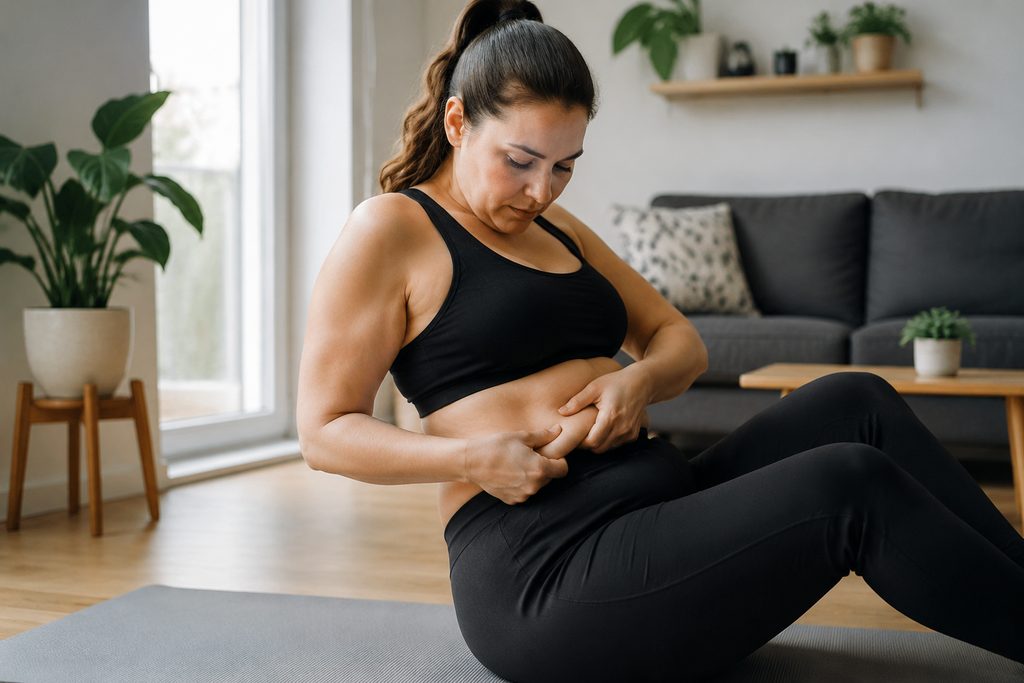
You did the hard part. The 80 pounds. The 120 pounds. The bariatric surgery, the two years of discipline, the new wardrobe. And now there is a different mirror problem: the loose skin removal surgery cost China question keeps coming up because the skin did not shrink with the fat. It hangs. It chafes. It makes you feel like the weight loss never happened.
Around 70% of patients who lose more than 100 pounds develop significant skin redundancy, according to data from the American Society of Plastic Surgeons. That is not a small cosmetic issue. Abdominal pannus — the medical term for the hanging apron of skin — causes rashes, fungal infections, back pain, and difficulty exercising. The problem is not vanity. It is function.
In the United States, a full abdominoplasty costs $8,000 to $15,000 in surgeon fees alone. Add anesthesia, facility fees, and post-operative garments, and the total lands between $15,000 and $25,000. Insurance almost never covers it, even when it is medically necessary. So patients wait. They live with the skin for years. Some never get the surgery at all. That is the status quo.
Why China Delivers Results for Body Contouring After Weight Loss
The search phrase “excess skin removal price abroad” exists because patients in the US, UK, and Australia have run the numbers and found the local math impossible. China has become a serious destination for post-weight-loss body contouring, and the reasons are structural, not promotional.
Volume Builds Surgical Skill
A plastic surgeon at a top Shanghai hospital performs 300 to 500 body contouring procedures per year. That includes abdominoplasties, arm lifts, thigh lifts, and lower body lifts. The average US plastic surgeon performs fewer than 100 body contouring cases annually. Volume matters in surgery the same way it matters in sports. The surgeon who has seen 2,000 abdominal walls knows what a difficult case looks like before making the first incision.
Chinese plastic surgery departments also treat a wider range of body types. Patients come from across Asia, the Middle East, and increasingly Europe. That diversity builds adaptability. The surgeon who has operated on both a 110-pound patient and a 280-pound post-bariatric patient has a broader technical range than one who sees a narrow demographic.
Hospital Infrastructure Designed for Complex Cases
Post-bariatric body contouring is not a simple outpatient procedure. A full lower body lift can take six hours. Patients need overnight monitoring, compression therapy, wound care, and sometimes a second stage. China’s top-tier public hospitals run plastic surgery departments inside full-service medical centers. If a complication arises — a hematoma, a wound infection, a cardiac event — the cardiology, ICU, and infectious disease teams are in the same building.
That is different from a standalone cosmetic surgery clinic in a strip mall. The best hospital for body contouring after weight loss Shanghai has is typically a department within a comprehensive tertiary hospital, not a boutique clinic. The infrastructure matters when things go wrong, and in surgery, things occasionally go wrong.
Cost Advantage Without Quality Compromise
Loose skin removal surgery cost China runs 60 to 80 percent below US prices for the same procedure. A full tummy tuck with muscle repair that costs $18,000 in Houston costs $4,000 to $6,000 at a top Shanghai hospital. A brachioplasty that quotes $9,000 in London runs $2,500 to $4,000 in Beijing.
Why the gap? Labor costs are lower. Hospital overhead is lower. But the surgeons train in the same international fellowship programs, publish in the same journals, and use the same implants and sutures. The cost difference is economic, not clinical. Lower price does not mean lower quality when the underlying cost structure is different.
How Long After Weight Loss Can I Get Loose Skin Removed?
This is the question every patient asks first, and the answer is frustratingly patient-specific. The standard recommendation from plastic surgery societies is to wait 12 to 18 months after reaching a stable weight. Your weight should be stable — not trending down, not bouncing — for at least six months before surgery.
Why the wait? Two reasons. First, skin retracts slowly. Some patients lose 100 pounds and find that 30% of their loose skin tightens on its own over 18 months. Operating too early means removing skin that would have retracted naturally, leaving unnecessary scars. Second, operating during active weight loss leads to poor results. The skin continues to loosen after surgery, creating new sagging that requires a revision.
Bariatric surgery patients face a specific timeline. Most bariatric programs recommend waiting 18 to 24 months after gastric bypass or sleeve gastrectomy before body contouring. Your body needs time to stabilize nutritionally. Protein levels, iron, and vitamin D must be normal before a surgeon will operate. Malnourished patients have poor wound healing and higher complication rates.
Is Loose Skin Removal Safe in China?
The honest answer: it depends entirely on where you go. China has world-class plastic surgery departments and unregulated cosmetic clinics. The gap between them is wide.
Top public hospitals in Shanghai, Beijing, and Guangzhou follow international safety protocols. They use board-certified anesthesiologists, not nurse-administered sedation. They have ICU backup. They track complication rates and publish outcomes. A 2023 study in the Chinese Journal of Plastic and Reconstructive Surgery reported a 4.2% overall complication rate for abdominoplasty at major academic centers — comparable to US and European benchmarks.
But the risks are real. Deep vein thrombosis is the most serious complication after body contouring, and long-haul flights increase that risk. Reputable Chinese hospitals require a pre-operative assessment, compression stockings, and early mobilization. Some prescribe prophylactic anticoagulation for high-risk patients. You should ask about all of this before booking.
Infection rates are low — under 2% at top centers. Wound dehiscence, seroma, and scarring are more common but manageable. The key variable is hospital selection. A JCI-accredited hospital or a Fudan-ranked public hospital with a dedicated international department is a different risk profile than an unaccredited clinic advertising on social media.
| Procedure | US Average Cost | China Range | Typical Hospital Stay |
|---|---|---|---|
| Full Tummy Tuck (Abdominoplasty) | $15,000 – $25,000 | $3,500 – $6,500 | 3 – 5 days |
| Arm Lift (Brachioplasty) | $8,000 – $12,000 | $2,500 – $4,000 | 1 – 2 days |
| Thigh Lift | $10,000 – $15,000 | $3,000 – $5,500 | 2 – 4 days |
| Lower Body Lift | $20,000 – $35,000 | $6,000 – $10,000 | 5 – 7 days |
| Combined Procedures (multiple areas) | $30,000 – $50,000 | $8,000 – $15,000 | 7 – 10 days |
These figures are ranges, not quotes. Final pricing varies by hospital, surgeon seniority, and case complexity. A patient with massive weight loss requiring a circumferential body lift will pay more than a patient needing a standard tummy tuck. The table gives you a realistic planning baseline.
How to Book Tummy Tuck Surgery China Medical Tourism: The Real Process
Medical tourism marketing makes it sound easy: book online, fly over, get surgery, fly home. The reality is more involved. Here is what actually happens when you book tummy tuck surgery China medical tourism style.
Step one is remote evaluation. You send photos, medical history, weight history, and any prior surgical records. A Chinese plastic surgeon reviews your case and tells you whether you are a candidate, which procedures make sense, and what the recovery will look like. This costs $100 to $300 for a video consultation or $300 to $500 for a written second opinion from a senior specialist.
Step two is the in-person consultation. No legitimate hospital will schedule surgery without seeing you first. The surgeon examines your skin elasticity, abdominal muscle separation, and overall health. They order blood work and an ECG. Only after this evaluation do you get a surgical plan and a firm price.
Step three is surgery and recovery. You should plan for 10 to 14 days in China minimum. That includes pre-operative testing, the surgery itself, and early post-operative care. Drains typically come out at day 5 to 7. Sutures come out at day 10 to 14. You should not fly home with drains in place or before your surgeon clears you for travel.
Step four is follow-up. You will need wound checks at home, and your Chinese surgeon will typically schedule video follow-ups at one month, three months, and six months. Most complications after body contouring appear in the first six weeks, so having a local physician who can see you in person is essential.
Choosing a Hospital: What Actually Matters
The best hospital for body contouring after weight loss Shanghai is not necessarily the most expensive one. It is the one with the right combination of surgical volume, safety infrastructure, and international patient experience. Here is what to look for.
First, check the surgeon’s volume. Ask directly: how many abdominoplasties do you perform per year? A good answer is 100 or more. A vague answer is a red flag. Second, verify hospital accreditation. JCI accreditation or inclusion in the Fudan hospital rankings indicates a baseline of quality. Third, ask about the international department. Does the hospital have English-speaking coordinators? Do they handle visa documentation? Do they have experience with foreign patients?
Language matters more than most patients expect. Chinese public hospitals are enormous — some see 10,000 outpatients per day. Navigating registration, payment, and pre-operative testing without Chinese language skills is genuinely difficult. A bilingual medical companion costs from $300 per day and handles queueing, translation, and coordination. It is not a luxury. It is the difference between a smooth process and a stressful one.
Also consider the city. Shanghai and Beijing have the highest concentration of top plastic surgery departments. Guangzhou and Chengdu are strong secondary options with lower costs. Each city has a different international patient infrastructure, so factor that into your decision.
Practical Considerations: Visas, Payment, and Recovery Logistics
You will need an S2 visa for medical treatment in China. This is the short-stay visa category used for private affairs including medical treatment. The hospital’s international department provides an invitation letter and treatment plan, which you submit with your visa application. Your accompanying family member applies for the same S2 category. Processing typically takes one to two weeks, but you should allow three to four weeks for buffer.
Payment is upfront. Chinese public hospitals require a deposit before surgery, typically 50% to 100% of the estimated cost. International credit cards work at major hospitals, but you should confirm accepted payment methods in advance. Some hospitals accept wire transfers for large deposits. Insurance is complicated — most international insurers will reimburse medically necessary procedures but not purely cosmetic ones. If your loose skin removal is deemed medically necessary due to recurrent infections or functional impairment, you have a stronger case for reimbursement. Get pre-authorization in writing before you travel.
Recovery after a tummy tuck is not a vacation. You will need help for the first week — getting out of bed, showering, preparing food. If you travel alone, arrange for a companion or a recovery facility. You cannot lift anything over 10 pounds for six weeks. You cannot exercise for six to eight weeks. You will wear a compression garment for four to six weeks. Plan your work schedule accordingly.
Follow-up after returning home is your responsibility. Find a local physician who can see you for wound checks. Your Chinese surgeon remains available for video consultations, but they cannot physically examine you. If a complication develops, you need local care.
Frequently Asked Questions
Sometimes, but not always. Combining a tummy tuck with an arm lift is common and safe. Combining a lower body lift with a thigh lift is more aggressive and carries higher risks of blood loss and prolonged recovery. Your surgeon will assess your overall health and recommend a staging plan. Many patients do two stages, six months apart.
In most cases, no. Insurance companies classify body contouring after weight loss as cosmetic surgery, even when the skin causes rashes or interferes with mobility. Some policies cover panniculectomy — removal of the hanging abdominal skin only, without muscle tightening — if it is documented as medically necessary. That documentation requires a history of failed conservative treatment, including prescription creams for skin infections. Check your policy language carefully.
You need a local physician who can evaluate you in person. Your Chinese surgeon will consult by video and provide guidance, but they cannot physically examine you or perform procedures. Before you travel, identify a local plastic surgeon or wound care specialist who is willing to see post-operative patients from other surgeons. Some will not accept these cases, so find one in advance.
Check for JCI accreditation or inclusion in the Fudan hospital rankings. Verify the surgeon’s credentials through the hospital’s official website, not through social media. Ask for complication rates and surgical volume. A legitimate hospital will answer these questions directly. A clinic that avoids them should be avoided.
Direct booking saves the coordination fee, but you handle everything yourself — visa documents, translation, hospital navigation, and follow-up logistics. A coordination service costs from $300 and handles those details. For most international patients, the service fee is worth the time and stress saved. The choice depends on your comfort with navigating a foreign healthcare system alone.
Your Next Step
Loose skin removal after major weight loss is a legitimate medical decision, not vanity. The timing, the surgeon, and the hospital all matter more than the price. If you are considering China for your procedure, start with a remote consultation to understand whether you are a candidate and what the realistic costs and recovery will be. Our team at China Medical Services connects international patients with top-ranked Chinese hospitals, handles visa guidance and bilingual accompaniment, and helps you navigate the process from first consultation to post-operative follow-up. We are not a hospital and we do not provide medical advice — we help you access the expertise you need. When you are ready to explore your options, request a free consultation and we will help you map out the path forward.
For more medical information and treatment options in China, visit chinamedservices.com (China Medical Services).
