First Hospital of Jilin University Nephrology: Costs & Access for International Patients
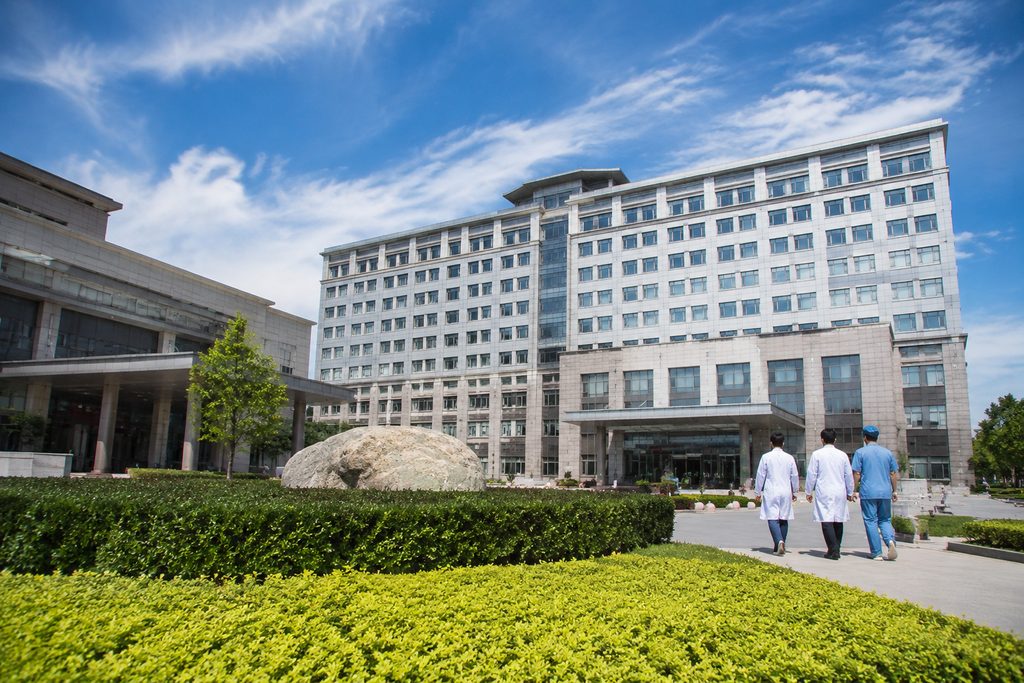
Have you ever searched for a kidney specialist abroad only to drown in hospital directories that tell you nothing about what treatment actually costs or how a foreigner gets in? The First Hospital of Jilin University in Changchun runs one of northern China’s most active nephrology departments. For international patients weighing their options, the real questions are practical: what does nephrology treatment cost at First Hospital Jilin University, how do you book it, and is the quality worth the journey?
Nephrology Treatment Cost at First Hospital Jilin University: The Short Answer
Dialysis at this hospital typically runs between $80 and $150 per session through standard pathways. A comprehensive nephrology workup — including specialist consultation, blood panels, urinalysis, and renal ultrasound — usually lands between $250 and $600. That’s the headline. But those figures assume you can navigate the system in Chinese, register on-site, and wait your turn. For international patients, the realistic path involves the hospital’s international or VIP coordination channels, where consultation fees range from $100 to $300 and the total episode cost rises accordingly.
The harder part isn’t the price. It’s sequencing: the hospital does not accept overseas advance bookings for standard outpatient clinics. You show up, register, and queue. Surgery or inpatient admission requires an in-person specialist consultation first. If you want to lock in a date before flying to Changchun, you need the international coordination route — and that changes both the logistics and the bill.
Who This Is Right For — and Who It Isn’t
A realistic fit for this hospital includes:
– Patients already diagnosed with chronic kidney disease (CKD) stages 1–3 seeking a second opinion on disease management
– Dialysis patients traveling in northeast China who need reliable, hospital-based hemodialysis sessions
– International patients with complex glomerular diseases who want access to renal biopsy pathology review
– Families of patients in Jilin Province or neighboring regions who need a coordinated nephrology evaluation
Who should not pursue this route:
– Patients in acute renal failure or needing emergency dialysis — go to the nearest capable facility, not another country
– Anyone expecting a kidney transplant within a defined timeframe. Solid-organ transplant access for foreign nationals in China involves regulatory and ethical constraints that cannot be promised or expedited
– Patients whose records are entirely in a language other than English or Chinese without translation. The department needs legible history to give meaningful input
– Those seeking a guaranteed appointment with one specific named professor on a fixed date. The system does not work that way
The Options, Compared
Here is how nephrology care at First Hospital of Jilin University stacks up against the alternatives most international patients consider.
| Factor | First Hospital of Jilin University | US Academic Center | Private International Hospital in China (e.g., United Family) |
|---|---|---|---|
| Dialysis session cost | $80–$150 | $500–$1,500 (self-pay) | $300–$600 |
| Specialist consultation | $30–$80 standard; $100–$300 international/VIP | $250–$600 | $150–$400 |
| Renal biopsy (total episode) | $800–$1,500 | $4,000–$9,000 | $2,000–$4,000 |
| English-speaking coordination | Limited unless via international channel | Standard | Standard |
| Advance booking from abroad | Only via international/VIP coordination | Yes | Yes |
| Insurance direct billing | Rarely; prepay and claim | Common | Common |
The public hospital wins on raw price. The private international hospital wins on friction. The US academic center wins on familiarity. If your priority is minimizing cost and you have time and local support, Jilin University makes sense. If you need English-speaking staff at every step and direct insurance billing, a private international hospital in Beijing or Shanghai is the lower-stress option. Both routes are covered in our private hospital comparison.
What “Best Nephrology Hospital in China for International Patients” Actually Means
That phrase gets searched a lot. Here’s the honest reading. China’s most renowned nephrology programs cluster in Beijing, Shanghai, and Guangzhou — Peking University First Hospital, Ruijin Hospital, Nanfang Hospital. They top the Fudan specialty reputation rankings for nephrology. First Hospital of Jilin University is not in that top tier nationally. What it offers is a strong regional program in a city where your money goes further and the clinical volume is substantial.
So why would an international patient choose Changchun over Shanghai? Cost of living during treatment. Changchun hotel rates run 40–60% below Shanghai. The hospital’s nephrology department handles a high volume of glomerulonephritis, diabetic nephropathy, and CKD management cases. For a second opinion or a staged evaluation, the total trip cost can be half of what a Shanghai equivalent would run. Our specialty rankings page breaks down where each top department sits by city.
How Much Does Dialysis Cost in China Per Session?
Across Chinese public hospitals, hemodialysis runs $60 to $150 per session depending on city tier, hospital grade, and whether you need additional medications or erythropoietin injections. Peritoneal dialysis supplies add roughly $500 to $900 per month. At First Hospital of Jilin University, hemodialysis sits at the upper-middle of that band — around $100 to $150 per session for self-paying international patients.
What drives the variance:
– Whether you need a temporary catheter or already have a mature fistula
– Hepatitis B or C status — positive patients are isolated to dedicated machines, which can add cost
– Frequency: three sessions weekly is standard; more frequent short daily dialysis costs more
– Medication add-ons: iron, ESA, vitamin D analogs, phosphate binders
None of these prices include accommodation, translator fees, or transportation. A month of thrice-weekly dialysis in Changchun, with a modest hotel and a bilingual companion, realistically lands between $2,500 and $4,500 all-in.
Booking Kidney Treatment at Jilin University Hospital as an International Patient
There is no online portal where you enter your passport number and secure a nephrology slot. The process works in layers.
You send your existing records — creatinine trends, eGFR history, urine protein results, biopsy reports if any, current medication list. The department reviews them. Based on that review, a written second opinion costs $300 to $500 through our coordination. A video consultation with the nephrology team runs $100 to $300 for a standard international department session, or $500 to $800 if you request a top specialist specifically.
If the remote evaluation suggests in-person care is warranted, we coordinate the on-site visit. That includes hospital registration, creation of your medical card, and a proxy or accompanied consultation using your translated materials. Any admission for biopsy or treatment remains subject to the hospital’s own rules. We cannot guarantee admission. We can make sure your paperwork is in order so the process doesn’t stall.
Practical Considerations: Records, Visas, Payment, and Follow-Up
Records matter more than anything else. The nephrology team will want at least six months of creatinine and eGFR data if available. A single lab draw from last week tells them little about trajectory. Get everything translated into English or Chinese before you travel. If you’re considering our coordination service, we handle medical record translation as part of case management.
Visas take time. The S2 application requires an invitation letter or supporting documentation from the hospital. That document only gets issued after the department confirms they will see you. Budget three to six weeks for the full sequence: remote review, hospital confirmation, visa application, travel.
Payment is prepaid at public hospitals. Bring a card that works in China or arrange cash. Most international insurance plans reimburse after the fact rather than settling directly with public hospital billing offices. Keep every receipt.
And language. Changchun is not Beijing or Shanghai. English fluency among hospital administrative staff is limited. The clinical nephrologists may read English medical literature, but the registration desk, the lab, the pharmacy — that’s all Chinese. A bilingual companion who knows the hospital layout is not a luxury here. It’s the difference between a two-hour visit and a six-hour ordeal.
Follow-up after returning home is straightforward for nephrology. Most CKD management is lab-driven. Your home nephrologist can order the same panels and compare against the Chinese baseline. If the Jilin team recommends a medication change, your local doctor needs to own that decision.
Frequently Asked Questions
We do not coordinate solid-organ transplant services for international patients, and no reputable provider should promise donor-organ access or short waitlists to foreign nationals. China has strict regulations governing organ allocation, and transplant eligibility for non-citizens is not something any coordination service can guarantee. For CKD management, dialysis, and second opinions, the picture is much clearer and more accessible.
A standard first visit includes specialist consultation, comprehensive metabolic panel, complete blood count, urinalysis with microscopy, 24-hour urine protein or spot protein-to-creatinine ratio, and renal ultrasound. If indicated, the department may recommend a renal biopsy, which requires a short inpatient stay. Total cost for the non-biopsy evaluation runs $250 to $600; with biopsy, $1,000 to $2,000 all-in.
You can request one. Whether the hospital confirms that specific specialist depends on their schedule and the complexity of your case. The international coordination channel improves the odds but does not convert them into certainty. If the named specialist matters more than the hospital, a written second opinion from that specific doctor is the most reliable format.
The hospital runs a 24-hour emergency department. If your kidney function deteriorates acutely, you go there directly — same as any patient. Your coordination service can help with translation and communication, but emergency care follows hospital triage rules. Travel insurance with medical evacuation coverage is strongly advised for any patient with unstable renal function considering international travel.
Most advertised “packages” bundle consultation, tests, and sometimes a defined number of dialysis sessions. They rarely include accommodation or translation, and they often price in a margin for the agency. Booking directly through hospital international channels or a transparent coordination service typically costs less than pre-packaged tourism deals — but requires more of your own effort. The honest tradeoff is convenience versus cost.
Your Next Step
The First Hospital of Jilin University offers legitimate, affordable nephrology care for international patients who understand the process. It is not the most famous kidney hospital in China. It may be the most cost-effective for a thorough evaluation or an extended dialysis stay in the northeast. The key is sequencing: remote review first, then travel.
China Medical Services maintains a database of 340+ top-ranked hospitals across 37 Chinese cities. We are not a hospital, and we do not diagnose or treat. What we do is handle the coordination — record translation, hospital communication, appointment logistics, and bilingual accompaniment — so you arrive prepared instead of hopeful. If you want a clear-eyed assessment of whether this hospital fits your situation, request a free consultation through our patient coordination page.
Dialysis in China costs a fraction of Western rates, but the savings only materialize if you navigate the system correctly. Start with your records. Everything else follows from what they show.
For more medical information and treatment options in China, visit chinamedservices.com (China Medical Services).
