Medical Treatment in Kunming China: Yunnan Province Medical Gateway and Southwest Hospital Access
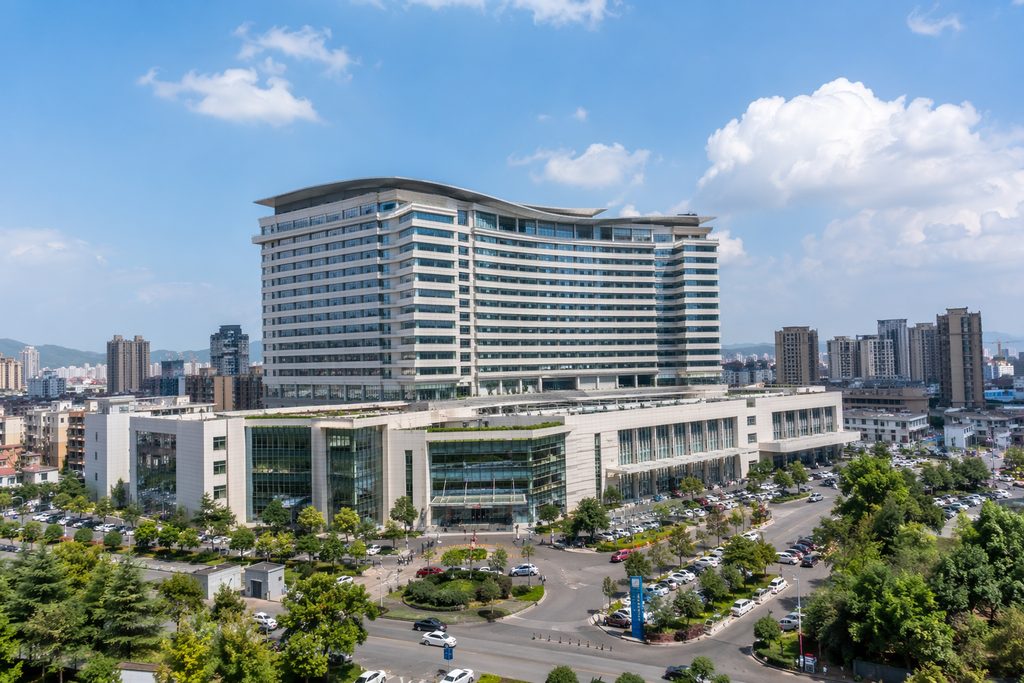
Key Takeaways
- Kunming hospital international patient prices typically range from 1/5 to 1/10 of equivalent care in the United States, with a cardiac bypass costing approximately $12,000–20,000 versus $120,000+ in the US.
- Yunnan Province is emerging as a legitimate medical gateway for Southeast Asian and international patients, anchored by hospitals ranked in the Fudan University Hospital Rankings.
- Public hospital outpatient departments cannot be pre-booked from overseas. Securing a confirmed surgery slot requires navigating the hospital’s international VIP channel, a process that is nearly impossible without on-the-ground assistance.
- Language barriers in Kunming are more acute than in Beijing or Shanghai. Even within hospital international departments, English fluency among administrative staff is inconsistent, making bilingual coordination a necessity, not a luxury.
The Problem: Waiting for Care That Cannot Wait
What if the surgery you need has a wait time that actively worsens your prognosis? For patients in Canada, the UK, and parts of Europe, this is not a hypothetical scenario. In 2023, the median wait time for medically necessary orthopedic surgery in Canada reached 27.4 weeks, according to the Fraser Institute. For a knee replacement, you might wait over a year. During that year, muscle atrophy accelerates. Mobility declines. Chronic pain reshapes your daily existence.
The financial picture is no gentler for those who can access care immediately. In the United States, a single cardiac bypass procedure routinely exceeds $120,000. Even with solid insurance, out-of-pocket maximums and network restrictions can leave patients facing six-figure bills. For the uninsured or underinsured, the choice often comes down to medical bankruptcy or no treatment at all.
This is the fork in the road where many patients begin searching for alternatives. Southeast Asia. India. Turkey. And increasingly, China. But not the Beijing-Shanghai-Guangzhou corridor that dominates headlines. The question we hear more often now is about the southwest. About Yunnan Province. About whether a city known more for tourism and trade routes can actually deliver world-class medical outcomes. The short answer is yes. The honest answer requires more detail.
Who We Are
Our team is not a hospital. We do not provide medical treatment, offer clinical diagnoses, or make promises about surgical outcomes. What we do is solve the logistical puzzle that stands between you and China’s top-tier medical expertise. We are case managers, translators, appointment coordinators, and cultural bridges. Our database covers 340+ top-ranked hospitals across 37 cities, including the key medical institutions in Kunming and greater Yunnan Province. We handle visa guidance, hospital matching, bilingual medical companionship, and every administrative hurdle in between. You focus on recovery. We handle everything else.
Why Medical Treatment in Kunming China Makes Sense Right Now
Kunming is not the first city that comes to mind for international medical travel. Beijing has Peking Union Medical College Hospital. Shanghai has Zhongshan and Ruijin. But Kunming holds a specific strategic advantage that matters enormously for a growing segment of international patients: geography, cost structure, and rapidly maturing clinical infrastructure.
Clinical Volume That Rivals Top-Tier Centers
The First Affiliated Hospital of Kunming Medical University handles over 3 million outpatient visits annually. That is not a typo. Three million. This kind of patient volume creates a clinical environment where attending physicians encounter rare presentations and complex cases with a frequency that simply does not exist in lower-volume Western hospitals. A cardiologist here might see more structural heart disease cases in a single quarter than a regional US hospital sees in two years.
Volume alone does not guarantee quality. But it is the foundation upon which surgical proficiency is built. The orthopedics department at the Second Affiliated Hospital of Kunming Medical University performs thousands of joint replacements each year. Surgeons who operate at this scale develop an intuitive mastery that comes only from repetition. When we connect patients with these departments, we are not selling access to a brand name. We are connecting you to clinicians who have done your procedure more times than most Western surgeons will in a decade.
How to Book Surgery in Kunming China: The Real Pathway
Here is what actually happens when you try to arrange surgery from overseas. You cannot simply email the hospital and book a slot. The public outpatient system requires physical presence for registration. You show up, you queue, you see a doctor, and then — if surgery is indicated — you join the surgical waitlist. For international patients traveling on a timeline, this model collapses immediately.
The functional pathway runs through the hospital’s international department or VIP channel. These are separate administrative tracks that offer expedited scheduling, English-speaking coordination, and private inpatient rooms. The trade-off is cost. International department pricing runs approximately 1.5 to 2 times higher than standard public rates. A procedure that costs a local patient $8,000 might run $12,000 to $16,000 through the international channel. Even at that premium, the total remains dramatically below Western pricing.
Our team handles this coordination layer. We translate your medical records into the format Chinese hospitals require. We submit them through the correct administrative channel. We confirm appointment dates before you book a flight. If we cannot secure the appointment window we promised, we refund the coordination fee in full. That is the standard we operate by.
Kunming Hospital International Patient Prices: A Transparent Breakdown
Let us address the core question directly. What do things actually cost? The figures below represent the international patient pricing tier at top Kunming hospitals. These are not local rates. They are the prices you will encounter as a foreign patient using the international department pathway. All amounts in USD.
| Procedure | Kunming International Dept (USD) | US Average (USD) | UK Private (USD) |
|---|---|---|---|
| Cardiac Bypass (CABG) | $12,000 – $20,000 | $120,000+ | $35,000 – $50,000 |
| Total Knee Replacement | $10,000 – $16,000 | $35,000 – $70,000 | $18,000 – $25,000 |
| Spinal Fusion (Single Level) | $14,000 – $22,000 | $80,000 – $150,000 | $30,000 – $45,000 |
| Laparoscopic Cholecystectomy | $3,000 – $5,500 | $15,000 – $30,000 | $7,000 – $10,000 |
| Comprehensive Health Screening | $400 – $1,200 | $2,500 – $5,000 | $1,800 – $3,500 |
These ranges vary by hospital, case complexity, implant choice, and length of stay. The final quote comes only after a Chinese physician reviews your medical records. Any service that quotes a fixed price before clinical review is guessing. We do not guess.
Is Medical Treatment Safe in Yunnan? Addressing the Question Directly
Safety is the question every patient asks. Sometimes it comes phrased diplomatically. Sometimes bluntly. Either way, it deserves a direct answer.
The best hospitals in Yunnan for foreigners are the university-affiliated public hospitals with established international departments. The First Affiliated Hospital of Kunming Medical University and the Second Affiliated Hospital both hold national-level designations and appear in the Fudan University Hospital Rankings. These are not small provincial clinics. They are large academic medical centers with subspecialty coverage, intensive care capabilities, and infection control protocols that meet Chinese national standards.
What does that mean in practical terms? It means these hospitals manage complex trauma, advanced cardiac interventions, and oncology care at volumes that Western centers rarely match. The surgical ICUs are staffed 24/7 by intensivists. The operating theaters use the same implant systems — Stryker, Medtronic, Johnson & Johnson — that you would find in any major US or European hospital.
But there are gaps you need to understand. Nursing ratios in Chinese public hospitals are higher than what Western patients expect. A single ward nurse may be responsible for 8 to 12 patients. Family members or hired caregivers are expected to handle feeding, bathing, and mobility assistance. This is a cultural norm, not a failure of care, but it can be jarring if you are unprepared. The international department wards mitigate this somewhat with lower ratios and private rooms, but the expectation of family involvement does not fully disappear.
Infection rates, surgical outcomes, and mortality data are not publicly reported with the transparency Western patients might be accustomed to. This is a structural limitation of the Chinese healthcare reporting system, not a reflection of clinical quality at top hospitals. When we evaluate hospitals for our patients, we rely on Fudan rankings, JCI accreditation status, and our own longitudinal experience with case outcomes — not on published registries that do not exist.
Medical Tourism Packages Yunnan Province: What Is Actually Available
The phrase “medical tourism package” conjures images of bundled deals with airport pickup, hotel, surgery, and a recovery resort. That model exists in Thailand and India. It does not exist in Yunnan Province in the same packaged form. Anyone selling you an all-inclusive surgical package for Kunming is either running a concierge service that builds custom itineraries or is misrepresenting what is available.
What does exist is a growing ecosystem of coordinated care pathways. Some private international hospitals in Kunming offer health screening packages that include airport transfers, a hotel-style inpatient suite, and a structured schedule of diagnostic tests over 24 to 48 hours. These are legitimate, well-organized, and priced between $400 and $1,200 depending on comprehensiveness. For patients who want a thorough annual exam without the multi-week wait times common in Canada or the UK, this is a practical and accessible option.
For surgical care, the “package” is built around the hospital’s international department pathway. Our team constructs the surrounding logistics: visa documentation, flight recommendations, accommodation near the hospital for family members, bilingual companion scheduling, and post-discharge recovery support. The hospital handles the clinical side. We handle everything else. This is not a pre-packaged product. It is a coordinated service built around your specific procedure, timeline, and budget.
Southwest China International Hospital Access: Why Kunming Is Different from Beijing
Kunming’s international hospital access operates differently from the mature systems in Beijing and Shanghai. In those cities, large international departments have dedicated English-speaking administrative staff, established billing relationships with foreign insurers, and standardized intake processes for overseas patients. Kunming is earlier in this development curve.
This creates both challenges and advantages. The challenge is that fewer staff speak fluent English. Even within international departments, you may encounter administrators who rely on translation apps for complex conversations. The advantage is that Kunming’s international patient volumes are lower, which means more flexible scheduling and more direct access to senior physicians. In Beijing, a top specialist’s international clinic might be booked six weeks out. In Kunming, that same caliber of physician may be available within two weeks.
The other structural difference is cost. Kunming is a provincial capital, not a global financial center. The cost base for everything — hospital fees, accommodation, food, local transportation — runs lower than in China’s eastern megacities. A private room in the international ward of a Kunming hospital typically costs $80 to $150 per night. A comparable room in Shanghai runs $200 to $400. Over a two-week stay, these differences compound meaningfully.
For patients traveling from Southeast Asia — Thailand, Myanmar, Vietnam, Laos — Kunming offers a geographic advantage that Beijing cannot match. Direct flights from Bangkok to Kunming take under two hours. The climate is mild year-round. The altitude is moderate at 1,890 meters, which most patients tolerate without issue, though those with severe cardiac or respiratory conditions should discuss altitude considerations with their physician before planning travel.
What You Need to Know Before Going Alone
The barriers to accessing Kunming’s medical resources independently are real. We want you to understand them clearly, whether or not you work with us.
- Visa Requirements: Medical treatment in China requires an S2 visa with a notation specifying the medical purpose. This is not a tourist visa. The application requires an invitation letter from the Chinese hospital confirming your treatment arrangement. Obtaining this letter without a local contact inside the hospital’s international department is extremely difficult. Do not apply for an M visa — that is for commercial trade and will not cover medical treatment. Your accompanying family members also need S2 visas.
- Payment Systems: Chinese public hospitals operate on a pre-payment model. You deposit funds at admission, and the hospital draws down against that balance. International credit cards are not reliably accepted at hospital cashier counters. WeChat Pay and Alipay dominate, and linking a foreign card to these platforms is not always straightforward. You need a payment strategy before you arrive — typically a large cash deposit, a domestic bank transfer arranged in advance, or a service that handles the financial interface on your behalf.
- Medical Records and Imaging: Chinese hospitals require a specific format for medical records submission. Radiology images must be provided on CD or USB in DICOM format. Written records need certified Chinese translation. Pathology slides must be physically shipped and processed by the receiving hospital’s pathology department. This is not a matter of emailing PDFs. The administrative lead time for proper records preparation is typically 7 to 14 days.
How We Help You Navigate This
These barriers exist for structural reasons. They are not designed to exclude foreign patients, but they effectively do so for anyone without local knowledge and Mandarin fluency. Our role is to make each barrier surmountable.
Before you travel, we handle the hospital invitation letter that anchors your visa application. We coordinate the medical records translation and submission in the format the receiving hospital requires. We confirm your appointment window and provide a detailed cost estimate based on the physician’s review of your case.
During your treatment, a bilingual medical companion accompanies you through registration, consultation, pre-operative testing, admission, and discharge. This is not a translator on a phone app. This is a person who knows the hospital layout, understands the administrative workflow, and can advocate for you when something goes off-script. They handle queueing, payment processing, pharmacy pickups, and communication with nursing staff.
After discharge, we coordinate follow-up appointments, medication refills, and recovery accommodation if you are staying in Kunming for post-operative monitoring. If your case requires a video follow-up with the surgeon after you return home, we arrange that through the hospital’s telemedicine platform. The video consultation fee you pay now — typically $100 to $300 — is credited in full toward any future coordination service if you return for additional treatment within 90 days.
Frequently Asked Questions
You can get a detailed estimate, but not a guaranteed fixed price. The final surgical quote depends on the treating physician’s review of your medical records, your specific anatomical considerations, implant selection, and anticipated length of stay. We provide a price range based on comparable cases, and the hospital provides a formal cost estimate after the initial consultation. Significant deviations from the estimate are rare, but they can happen if intraoperative findings change the surgical plan.
The hospitals we work with maintain surgical ICU capabilities and 24/7 intensivist coverage. Complication management follows standard protocols consistent with international guidelines. That said, medical liability in China operates differently than in Western jurisdictions. Malpractice litigation is uncommon and difficult for foreign patients to pursue. We recommend that patients carry international medical travel insurance that includes complication coverage and medical evacuation benefits. We do not sell insurance, but we can point you toward brokers who specialize in medical travel policies.
It depends entirely on the procedure. For a laparoscopic cholecystectomy, you might be discharged within 48 hours and cleared to fly within 5 to 7 days. For a total knee replacement, expect a hospital stay of 5 to 7 days and a total stay in Kunming of 3 to 4 weeks before you are cleared for long-haul air travel. Your surgeon will make the final determination based on your recovery progress. Do not book a fixed return flight before your procedure. Book a flexible ticket or plan to rebook after discharge.
Most of the top public hospitals in Kunming are not JCI-accredited. JCI accreditation is expensive and pursued primarily by private international hospitals that cater to expatriates and medical travelers. The public university hospitals rely on Chinese national accreditation standards, which are rigorous but structured differently. The absence of JCI accreditation does not indicate lower quality. It indicates a different regulatory framework. The Fudan University Hospital Rankings, which are based on peer review and clinical reputation, are the more relevant quality signal for Chinese public hospitals.
After recovery, yes. Before surgery, no. Kunming is the gateway to some of China’s most extraordinary landscapes — the Stone Forest, Dian Lake, the Yuanyang rice terraces. But these are not pre-operative activities. Surgery requires you to be rested, well-hydrated, and free from the fatigue of travel and altitude adjustment. Plan your tourism for the recovery period, and only for activities your surgeon clears. A gentle walk through Green Lake Park a week after a minor procedure is reasonable. Hiking Tiger Leaping Gorge after spinal surgery is not.
Your Next Step
Medical treatment in Kunming represents a specific value proposition: access to high-volume, university-affiliated surgical care at a cost structure that undercuts both Western hospitals and China’s eastern medical centers. The trade-offs are real — language barriers, cultural differences in nursing care, and an administrative system not yet optimized for international patients. For those who navigate these trade-offs successfully, the outcome is often excellent clinical care at a fraction of the cost and wait time they faced at home.
If you are evaluating options and want to understand whether a Kunming hospital can handle your specific case, start with a conversation. Our team reviews your medical records, identifies the appropriate department and physician, and gives you an honest assessment of feasibility, timeline, and cost — before you commit to anything. Visit our patient coordination page to begin. No pressure. Just clarity.
Disclaimer: This article is for informational purposes only and does not constitute medical advice. Treatment decisions should be made in consultation with a qualified physician. Prices cited are estimates based on historical cases and may vary by hospital, case complexity, and currency fluctuations. China Medical Services does not provide medical treatment or guarantee specific surgical outcomes.
For more medical information and treatment options in China, visit chinamedservices.com (China Medical Services).
