First Affiliated Hospital of Lanzhou University Oncology: A Guide for International Patients
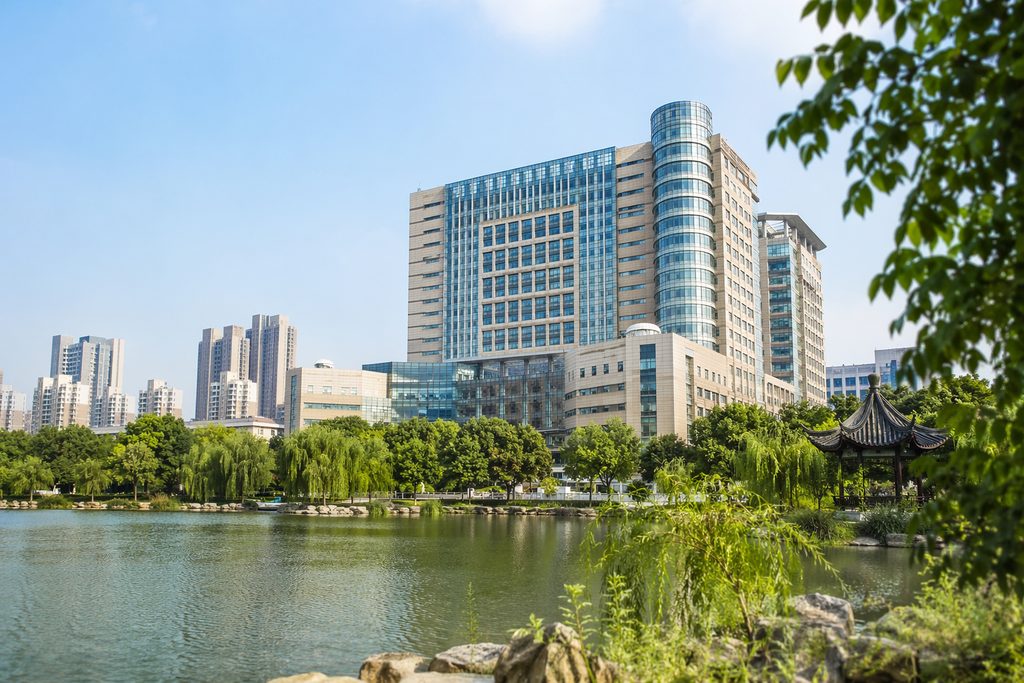
First Affiliated Hospital of Lanzhou University Oncology for International Patients: What You Need to Know
If you are researching the First Affiliated Hospital of Lanzhou University for oncology care, you are likely asking one core question: can a foreigner realistically get treated there, and what does the oncology treatment cost China look like compared to Western prices? The short answer is yes — international patients can access this hospital’s oncology department through structured coordination, with costs that are typically a fraction of what you would pay in the United States or Europe. But the pathway is not as simple as booking a flight and walking into a clinic. Public hospital rules in China require in-person evaluation before any surgery or inpatient admission, and language barriers are real. That is where preparation matters.
Lanzhou sits in Gansu province, far from the coastal medical hubs of Beijing and Shanghai. That geographic reality shapes everything about this hospital — its patient demographics, its resource allocation, and the kind of international infrastructure you can expect. The oncology department here is solid and well-established, serving a massive regional population. But it operates differently from a private international hospital in Shanghai or a JCI-accredited facility in Guangzhou. Knowing those differences before you commit is the entire point of this guide.
First Affiliated Hospital of Lanzhou University Oncology: The Short Answer
The First Affiliated Hospital of Lanzhou University is a large public Grade A tertiary hospital — the highest classification in China’s hospital tier system. Its oncology department handles the full spectrum of cancer care: chemotherapy, radiotherapy, surgical oncology, immunotherapy, and targeted therapy. For international patients, the practical route is through the hospital’s international or VIP coordination channel, which provides English-language support and priority scheduling at roughly 1.5 to 2 times the standard public fee. That still leaves oncology treatment cost China dramatically lower than comparable care in the U.S. — often 70% to 90% less for the same protocols.
But here is the caveat that changes everything: you cannot pre-book surgery from overseas through the regular public outpatient system. The standard rule across Chinese public hospitals is that a surgeon must see you in person during a face-to-face consultation before scheduling any operation. If you want to lock in a surgical date before you travel, you need the international VIP channel — and even then, admission remains subject to hospital rules and bed availability. Anyone promising you a guaranteed surgery date before a doctor has reviewed your records and met you is not being honest about how Chinese public hospitals work.
Who This Is Right For — and Who It Isn’t
Not every cancer patient should fly to Lanzhou. The hospital is strong, but it is not the right fit for every case. Being clear about who should and should not pursue this path is what separates a useful guide from a sales pitch.
Typically well-suited for:
- Patients with a confirmed diagnosis and complete medical records who need a second opinion or a treatment plan refinement
- Patients seeking standard chemotherapy, radiotherapy, or surgical protocols that are well-established globally
- Patients who have already exhausted first-line options at home and want access to clinical trials or alternative regimens available in China
- Patients from Central Asia, the Middle East, or South Asia for whom Lanzhou’s location is more convenient than coastal Chinese cities
- Patients with a clear treatment goal and the flexibility to spend 2–6 weeks in China for initial evaluation and treatment initiation
Generally not well-suited for:
- Patients with rapidly progressing disease who cannot tolerate the 1–2 week logistics of visa processing and travel
- Patients requiring ultra-rare subspecialty expertise concentrated in Beijing or Shanghai — for certain rare cancers, China’s top-ranked oncology departments in those cities may be more appropriate
- Patients who need continuous, seamless insurance direct-billing — public hospitals in China, including Lanzhou, typically require prepayment with reimbursement claimed afterward from your insurer
- Patients who cannot manage without fully English-speaking nursing staff at all hours — the international channel provides translation support, but ward-level nurses are primarily Chinese-speaking
If you fall into the first list, this hospital is a legitimate option worth evaluating. If you are in the second list, you need a different strategy — perhaps a private international hospital in Shanghai or a top-tier public hospital in Beijing with deeper international patient infrastructure.
The Options, Compared
When international patients consider oncology care in China, they are usually weighing three genuine alternatives: a top-tier public hospital in a major coastal city, a public hospital in a secondary city like Lanzhou, or a private international hospital. Each has a different cost structure, level of English support, and access pathway.
| Factor | Top Public Hospital (Beijing/Shanghai) | First Affiliated Hospital of Lanzhou University | Private International Hospital (e.g., United Family) |
|---|---|---|---|
| Oncology treatment cost (chemotherapy cycle) | $3,000–$8,000 | $2,500–$6,500 | $8,000–$20,000 |
| English-speaking staff availability | International department, limited on wards | International coordination, limited on wards | Full English-speaking clinical staff |
| Insurance direct billing | Rarely — prepay and claim | No — prepay and claim | Yes — most major insurers accepted |
| Access to top oncology specialists | High — Fudan-ranked departments | Moderate — solid regional specialists | Moderate — often same specialists via referral |
| Wait time for initial specialist consultation | 1–4 weeks via international channel | 1–3 weeks via international channel | 3–7 days |
| Cost multiplier vs. standard public fee | 1.5–2x | 1.5–2x | 3–5x |
The choice comes down to your priorities. If cost is the dominant concern and you are willing to accept a less polished international experience, Lanzhou delivers genuine value. If you need seamless English communication at every step and direct insurance billing, a private hospital is worth the premium. If you have a rare or complex cancer where subspecialist depth matters most, the coastal top-tier hospitals in Beijing or Shanghai should be your starting point. Lanzhou occupies a practical middle ground — solid oncology care at a price point that is hard to beat, with the trade-off being a thinner international support layer.
Is Cancer Treatment Safe in China? A Realistic Assessment
The question “is cancer treatment safe in China” deserves a straight answer, not a defensive one. China’s top-tier public hospitals — and the First Affiliated Hospital of Lanzhou University sits within the top 5% of China’s 35,000+ hospitals as ranked by Fudan University’s hospital evaluation system — follow internationally recognized oncology protocols. Chemotherapy regimens, radiation techniques, and surgical standards are aligned with NCCN and ESMO guidelines. The technology is modern. The volume is extraordinary. Chinese oncologists at major centers treat more cancer patients in a year than many Western oncologists see in a decade. That volume breeds competence.
But safety is not just about medical competence. It is also about process. The risks for an international patient in China are less about the treatment itself and more about the gaps: miscommunication about your medical history, incomplete translation of your records, assumptions about what you understand regarding side effects or follow-up. Those risks are real and manageable. A bilingual medical companion who sits with you during consultations, translates your questions precisely, and confirms you understand the treatment plan before you sign anything reduces those risks substantially. The medical care at a hospital like this is safe. The experience is only as safe as the communication around it.
How Much Does Chemotherapy Cost in China? Breaking Down the Numbers
Chinese public hospitals are fully equipped to manage oncology complications — infections, adverse drug reactions, surgical complications — within their own departments. But if you need to return home urgently, the hospital will provide a transfer summary and coordinate with your home physician. Your travel insurance should include medical evacuation coverage. Be realistic: cancer treatment anywhere carries risk, and being far from home amplifies the emotional burden. Have a clear plan for who you will call and what you will do if things go sideways.
The hospital is a major regional referral center serving a population of tens of millions across Gansu and neighboring provinces. Its oncology department handles a high volume of cases across all major cancer types. It is not ranked among China’s top 10 oncology departments in the Fudan specialty rankings — those are concentrated in Beijing, Shanghai, and Guangzhou. But for standard cancer care, the quality is solid and the cost is significantly lower than coastal alternatives. For complex or rare cancers, a second opinion from a Fudan-ranked top hospital may be worth the extra travel.
Start with your records. Gather everything, get it translated, and send it for review. A medical coordination service can handle this for you — matching your case to the right hospital, arranging the video consultation, and managing the logistics once you decide to travel. The first consultation is typically free and focused on understanding your situation before any fees are discussed. You are not committing to anything by asking questions.
Your Next Step
The First Affiliated Hospital of Lanzhou University is a legitimate option for international oncology patients who prioritize cost and are willing to navigate a system that was not built with foreigners in mind. The medical care is solid. The pathway is manageable with the right preparation. But you should not attempt it alone if you do not speak Chinese and have never navigated a Chinese public hospital. The bureaucracy, the prepayment system, the language barrier — these are real friction points that can derail your treatment before it starts.
Our team at China Medical Services helps international patients evaluate hospitals, arrange video consultations, and coordinate the on-the-ground logistics of treatment in China. We are not a hospital. We do not diagnose or treat. We are a bilingual bridge between you and the medical expertise you are seeking. If you want to explore whether Lanzhou is the right fit for your situation, start with a conversation. Tell us your diagnosis, your treatment history, and your goals. We will help you figure out if this path makes sense — and if it does not, we will tell you that too.
Frequently Asked Questions
Yes. The hospitals used for international patients are JCI-accredited and follow the same international safety standards as top hospitals in the US and Europe. Surgical teams perform high volumes of procedures — often more than their Western counterparts — which studies show leads to better outcomes.
Costs vary by procedure and hospital, but international patients typically save 40-80% compared to US prices — even when factoring in travel and accommodation. A consultation with our team will give you an exact, all-inclusive quote with no hidden fees.
Send us your existing medical reports to get started. We handle everything from hospital selection and appointment scheduling to visa assistance and post-operative recovery planning. Your medical records are reviewed by the specialist before you even book a flight.
For more medical information and treatment options in China, visit chinamedservices.com (China Medical Services).
