Liposuction Hospitals in Beijing: Options, Costs, and Safety
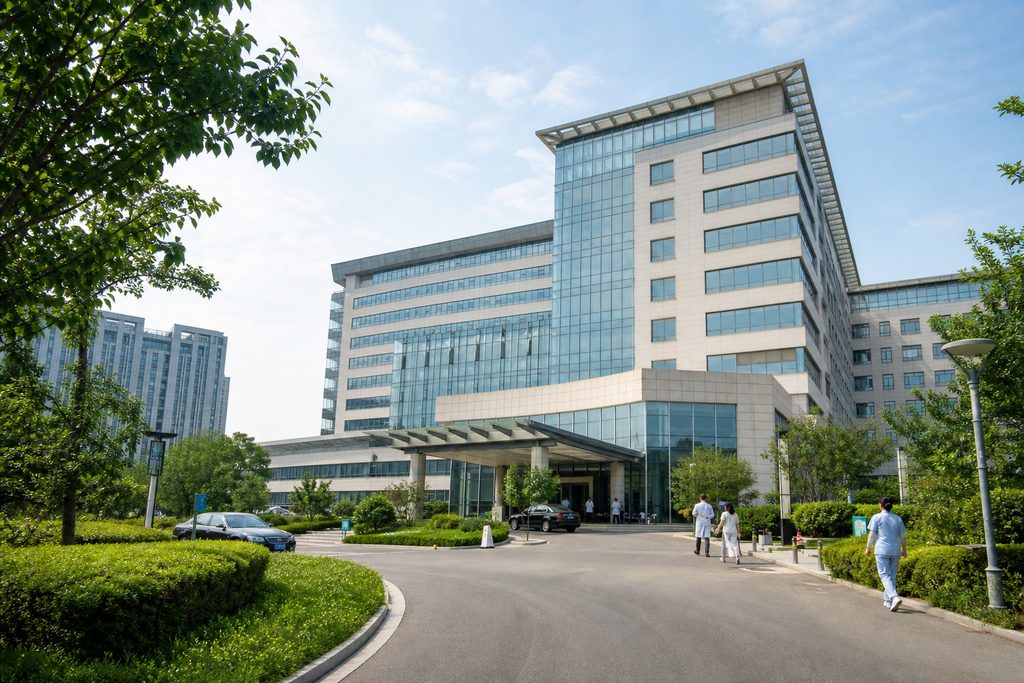
Liposuction Hospitals in Beijing: Options for International Patients
In the United States, the average surgeon’s fee for liposuction runs about $3,800 before anesthesia and facility charges, according to 2023 statistics from the American Society of Plastic Surgeons. In Beijing, qualified plastic surgery departments at top-tier public hospitals quote total package prices that often land between $1,500 and $4,000. Same procedure. Same basic technique. A different price architecture entirely.
That gap is why searches for liposuction cost Beijing have climbed steadily among international patients. But price alone is a terrible reason to choose a surgeon. What follows is an honest map of the actual options in Beijing — public hospital plastic surgery departments, private international clinics, and the logistics that connect them.
Liposuction Cost Beijing: The Short Answer
Expect to pay between $1,500 and $4,000 for a standard liposuction procedure in Beijing, depending on the hospital tier, the number of areas treated, and whether the surgeon uses traditional suction-assisted, power-assisted, or laser-assisted techniques. Private international hospitals sit at the top of that range. Public hospital VIP and international departments sit in the middle. Standard public hospital pricing, when accessible to foreigners, is lowest — but access comes with real friction.
Here is the caveat that matters more than the number. Chinese public hospitals do not allow you to book a surgery from overseas. You must appear in person for a consultation first, and only then can the surgical date be scheduled. Any service claiming to lock in a liposuction date before you arrive is either routing you through a private clinic or misrepresenting the process.
Who This Is Right For — and Who It Isn’t
Beijing’s plastic surgery departments handle a high volume of body contouring cases, and the technical standards at the top institutions are genuinely strong. That said, liposuction is not a weight-loss procedure, and it is not appropriate for everyone.
Typically good candidates:
- Adults within roughly 30% of their ideal body weight, with localized fat that has not responded to diet and exercise
- People with good skin elasticity — liposuction removes fat, not loose skin
- Non-smokers, or those willing to stop for at least four weeks before and after surgery
- Patients with realistic expectations about contouring rather than dramatic reshaping
- Travelers who can stay in Beijing for the full recovery window — typically 7 to 14 days before flying
Who should not pursue this in Beijing, or anywhere:
- Anyone with uncontrolled diabetes, active infection, or significant cardiovascular disease
- Patients on blood-thinning medication who cannot safely pause it
- People seeking treatment for obesity — bariatric surgery is a different specialty and a different conversation
- Anyone who cannot commit to the follow-up schedule, including a post-operative check before departure
- Travelers who would be flying home within 5 days of surgery. That is a clot risk, not a convenience issue.
The Options, Compared
Beijing offers three distinct tiers of liposuction care for international patients. They differ in price, language support, scheduling flexibility, and insurance handling.
| Factor | Public Hospital VIP / International Dept. | Private International Hospital | Standard Public Hospital |
|---|---|---|---|
| Typical total cost (1–2 areas) | $2,000–$3,500 | $3,000–$4,500 | $1,500–$2,500 |
| English-speaking staff | Usually yes, in international dept. | Yes, standard | Rarely |
| Can book surgery from overseas | Consultation first, then scheduling | Often yes, with deposit | No |
| Insurance direct billing | No — pay upfront, claim later | Often yes with international insurers | No |
| JCI accreditation | Some departments | Common | Rare |
| Wait time for consultation | Days to 2 weeks | Days | Same-day queue, unpredictable |
Which column fits you? If cost is the primary driver and you have a Chinese-speaking companion, the standard public route is viable. If you need English communication and predictable scheduling, the VIP or international department tier is the practical middle ground. If you want direct insurance billing and a Western-style patient experience, the private international hospitals are built for exactly that.
Finding the Best Liposuction Hospital in Beijing for Your Case
The phrase “best liposuction hospital Beijing” gets thrown around loosely. What actually matters is whether the plastic surgery department has a dedicated aesthetic surgery unit, an anesthesiology team experienced with outpatient sedation, and a complication management protocol. Beijing’s major teaching hospitals have plastic surgery departments that handle both reconstructive and cosmetic cases. That dual workload is a signal of surgical depth — a department that only does cosmetic work may lack the infrastructure to manage a serious adverse event.
You can browse ranked plastic surgery and reconstructive departments through our specialty rankings by department page, which lists China’s top hospitals by clinical reputation across 45 specialties. For a city-level overview, the Beijing hospital guide groups the capital’s top-ranked institutions with their accreditation tiers.
Three practical filters narrow the list fast. First, does the department perform at least several hundred liposuction cases annually? Volume correlates with consistency. Second, does the hospital have a formal international patient office, or does it rely on third-party coordinators? Third, can they provide a written pre-operative plan in English before you commit?
What It Costs and What Drives the Variance
The quoted price for liposuction in Beijing usually bundles surgeon fees, anesthesia, operating room time, compression garments, and one or two follow-up visits. What it often excludes: pre-operative blood work, compression garments beyond the first set, extended hospital stay, and revision procedures.
Four factors move the number most. The number of treatment areas is the biggest — abdomen alone versus abdomen plus flanks plus thighs can double the quote. The technique matters too: tumescent and power-assisted liposuction are standard, while laser-assisted and VASER-style ultrasound techniques carry a premium. Hospital tier accounts for roughly a 30–50% spread between standard and private pricing. And surgeon seniority adds another layer — a department director’s fee can be 20–40% higher than a junior attending’s.
Ask for an itemized quote. A hospital that will not break down the components is a hospital you should think twice about.
Practical Considerations: Visas, Records, and Recovery
International patients coming to China for medical treatment apply for the S2 visa, which covers short-stay medical visits. Accompanying family members apply under the same category. The M visa is for commercial and trade activities and has nothing to do with medical care — if anyone tells you to apply for an M visa for surgery, they are giving you incorrect information. Visa rules change, so confirm current requirements with the nearest Chinese embassy or consulate and bring your hospital’s invitation or appointment documentation.
Medical records matter more than most patients expect. Bring recent blood work, a list of current medications with generic names, any prior surgical history, and — if you have them — recent imaging or lab results. Chinese hospitals will repeat some tests regardless, but a complete file speeds the pre-operative assessment.
Payment is almost always upfront at public hospitals, with insurance reimbursement handled afterward in your home country. Private international hospitals frequently bill international insurers directly, which removes a significant administrative burden. Check your policy’s coverage for elective cosmetic procedures before assuming anything is reimbursable — most plans exclude it.
Recovery logistics deserve a hard look. You will likely need 7 to 14 days in Beijing before your surgeon clears you to fly. Compression garments are worn for weeks. Swelling takes months to fully resolve. Plan for a companion if possible, and do not schedule a return flight for the day after your post-operative check.
Frequently Asked Questions
At accredited hospitals with dedicated plastic surgery departments and experienced anesthesiology teams, the safety profile is comparable to Western institutions. The variable is not the country — it is the specific facility and surgeon. Ask about complication rates, anesthesia protocols, and whether the hospital has a 24-hour emergency response capability. Avoid any clinic that cannot answer those questions directly.
Total package prices in Beijing generally run 40–70% below comparable US pricing, where surgeon fees alone average around $3,800 before facility and anesthesia charges. European pricing varies widely by country. The Beijing advantage is largest at the public hospital VIP tier, where you get senior surgeons and English support without the private hospital markup.
Not at public hospitals. The standard rule is that a surgeon must see you in person before scheduling surgery. Private international hospitals sometimes accept a deposit to hold a tentative date, but even then, the final surgical plan is confirmed after an in-person consultation. Plan for a consultation trip, or build a few buffer days into your itinerary.
Packages exist, but they vary enormously in what they include. Some bundle airport transfers, hotel, translation, and hospital coordination. Others are little more than a referral markup. Read the fine print on what happens if the surgery is postponed, who holds the deposit, and whether the package price includes revision procedures. Transparency is the only reliable filter.
Plan for 10 to 16 days total: two to three days for consultation and pre-operative testing, the surgery day, and 7 to 14 days of early recovery before your surgeon clears you to fly. Longer stays are safer for larger-volume procedures. Do not compress this window to save on hotel costs.
Your Next Step
Beijing’s top plastic surgery departments offer genuine technical quality at a fraction of Western pricing — but the process rewards preparation, not spontaneity. Get your records organized, understand the visa category, and go in with a written quote and a realistic recovery timeline.
We are China Medical Services, a coordination service that connects international patients with hospitals across China. We are not a hospital and we do not provide medical advice or diagnoses. If you want help narrowing down which Beijing plastic surgery departments fit your case, or you would like a written second opinion from a Chinese specialist before committing to travel, you can start with a free consultation through our patient services page. No pressure, no obligation — just a clearer picture of your options.
For more medical information and treatment options in China, visit chinamedservices.com (China Medical Services).
