Is Liposuction a Weight Loss Method? What the Procedure Actually Does
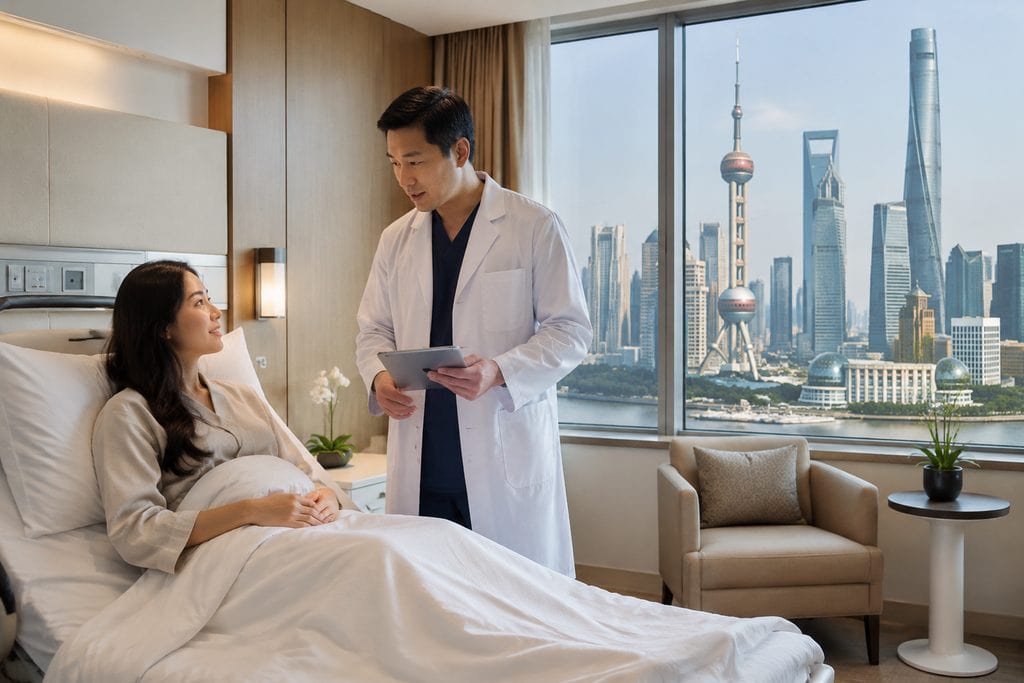
You might think liposuction is the fast track to dropping 20 pounds. The reality is more complicated — and more useful. Liposuction removes stubborn fat pockets that resist diet and exercise. It reshapes your body’s contour. It does not fix your metabolism, your eating habits, or your scale reading in any meaningful way. Many patients arrive at our consultation desk asking the same question: is liposuction for weight loss? Our team at China Medical Services hears this every week. The answer shapes whether you should book a flight to Shanghai or reconsider entirely.
Let’s be direct. If you search for liposuction price abroad, you’ll find clinics advertising dramatic transformations. Some of those ads blur the line between contouring and weight reduction. That blur costs patients money and disappointment. This article explains what liposuction actually accomplishes, how much it costs in China, and how to decide if it matches your goals.
How This Actually Works, Step by Step
You start with a body area that bothers you — abdomen, thighs, upper arms, chin, flanks. Diet and exercise haven’t moved it. You send us your photos and basic health history. A Chinese plastic surgery department reviews your case and tells us whether you’re a reasonable candidate.
Then comes the consultation. This happens remotely first. You speak with the surgical team via video. They assess skin elasticity, fat distribution, and your medical background. If you’re approved, we coordinate your arrival, hospital registration, pre-operative labs, and the procedure date.
The surgery itself takes one to three hours depending on the areas treated. You stay in the hospital for observation — usually overnight for larger-volume liposuction, sometimes same-day discharge for smaller areas. Compression garments go on immediately. You fly home after a short recovery window, typically 5 to 10 days post-op for international patients.
That’s the sequence. No magic. No 30-pound overnight transformation. A measurable reduction in circumference in the treated areas, with swelling that takes weeks to fully resolve.
What Liposuction Actually Does — and What It Never Will
Liposuction removes subcutaneous fat — the soft layer just beneath your skin. It does not touch visceral fat, the deeper fat wrapped around your organs. That distinction matters enormously. Visceral fat drives metabolic disease, insulin resistance, and cardiovascular risk. Subcutaneous fat drives how your jeans fit.
A typical liposuction procedure removes 2 to 5 liters of fat. That translates to roughly 4.4 to 11 pounds of pure fat tissue. Sounds significant. But here’s the catch: your body weight fluctuates by that much with water retention, sodium intake, and hormonal shifts. The scale won’t show a dramatic drop. The mirror will.
So can liposuction help me lose weight? Technically, you’ll weigh slightly less. Practically, no. It’s not a weight loss intervention. It’s a shape intervention. Patients who understand this are happy with their results. Patients who expect a new number on the scale are not.
And the fat that remains? If you gain weight after liposuction, fat cells in untreated areas expand. Some patients notice new fullness in places they never struggled with before. Your body always finds somewhere to store excess energy.
A Realistic Timeline
| Stage | What Happens | Typical Duration |
|---|---|---|
| Remote evaluation | You send photos and history; surgical team reviews | 3–7 days |
| Video consultation | Live discussion with the operating team | 1–2 weeks after records received |
| Visa processing | S2 visa application with hospital invitation letter | 1–3 weeks depending on your consulate |
| Pre-op labs in China | Blood work, ECG, anesthesia clearance | 1–2 days |
| Surgery | Liposuction procedure itself | 1–3 hours |
| Immediate recovery | Hospital observation, compression garment fitting | 1–3 days |
| In-country follow-up | Drain removal, wound check, garment adjustment | 5–10 days post-op |
| Full swelling resolution | Final contour visible | 3–6 months |
People forget the visa step. You cannot simply book a flight and show up. Chinese hospitals require an in-person consultation before any surgical scheduling for standard outpatient channels. International departments can coordinate more efficiently, but the S2 visa still takes time. Plan for at least four to six weeks from first contact to surgery date.
What Can Go Wrong — and What Happens Then
Liposuction is generally safe when performed by qualified surgeons. But complications exist. Seromas — pockets of fluid under the skin — occur in a minority of cases. They’re drained with a needle, usually in a quick outpatient visit. Infection is rare but real. It’s treated with antibiotics, and in severe cases, surgical drainage.
Contour irregularities happen. Sometimes the skin doesn’t retract evenly. You get lumps, dimples, or asymmetry. This is more common in older patients with reduced skin elasticity. Revision surgery may be needed, and that costs additional money. No reputable surgeon guarantees perfect symmetry.
Then there’s the disappointment problem. A patient flies to Shanghai expecting to drop three dress sizes. They lose one. They feel cheated, even though the surgeon did exactly what was discussed. This is why we push patients to define success in centimeters, not kilograms. If your expectation is wrong, no hospital can fix that.
And the financial risk: if you book a cheap package that sounds too good, verify what’s included. Anesthesia fees, hospital stay, compression garments, and follow-up visits sometimes get excluded. The liposuction cost China quote you receive should itemize everything. Ask before you pay.
Liposuction Cost China: What the Numbers Actually Mean
Let’s talk money. The liposuction cost China for a single area — say, abdomen or both thighs — typically ranges from $2,500 to $6,000 at reputable public hospital international departments. Multiple areas push the total higher, often $7,000 to $12,000. Private international hospitals in Shanghai and Beijing charge more, sometimes $10,000 to $18,000 for comparable work.
Compare that to the United States, where a single-area liposuction averages $4,500 to $8,000, and multi-area procedures routinely exceed $15,000. The liposuction price abroad varies dramatically by country. Thailand and Turkey compete with China on price. South Korea charges premium rates for cosmetic work. China sits in an interesting middle position: lower than Western prices, but with hospital infrastructure that rivals anywhere.
When comparing quotes, ask what “per area” means. Some clinics define the abdomen as one area. Others split it into upper and lower. The same body part can cost double depending on how the clinic counts.
For patients researching the best liposuction clinics Shanghai, the answer depends on what you value. Public hospital plastic surgery departments — like those at Shanghai Ninth People’s Hospital, which handles enormous cosmetic surgery volume — offer experienced surgeons at moderate prices. Private international hospitals offer English-speaking staff, faster scheduling, and Western-style amenities at roughly double the cost. Both are legitimate options. Our Shanghai hospital guide explains the difference in detail.
Practical Considerations: Records, Visa, Payment, and Follow-Up
You’ll need recent blood work, an ECG if you’re over 40 or have cardiac risk factors, and a list of current medications. Blood thinners must stop before surgery — usually 7 to 10 days prior. Your surgeon will specify exactly when.
The visa is an S2, not an M. The M visa is for commercial trade. Medical treatment falls under S2, which covers short-term private affairs including medical care. Your hospital provides an invitation letter and treatment confirmation. Bring those to the consulate. Processing times vary by country, so start early.
Payment at Chinese public hospitals is pre-paid. You deposit funds, treatment proceeds, and any remaining balance is refunded at discharge. International insurance rarely covers elective cosmetic surgery. Budget for out-of-pocket payment. Private international hospitals sometimes bill insurers directly, but again — cosmetic procedures are usually excluded from coverage.
Follow-up at home matters. Your local doctor should see you two weeks post-op for wound checks. Swelling takes months to fully resolve. Compression garments are worn for 4 to 6 weeks, sometimes longer. If a problem develops after you return home, you’ll need a local provider. Chinese hospitals offer remote follow-up via video, but they cannot physically examine you across borders.
Frequently Asked Questions
The fat cells removed are gone permanently. But remaining fat cells can grow larger if you gain weight. Maintaining your post-surgery weight keeps the contour stable. Significant weight gain redistributes fat to untreated areas.
Typically 2 to 5 kilograms, or about 4.4 to 11 pounds, depending on the volume removed. This is not the goal of the procedure. You’ll notice shape changes more than scale changes.
Remote evaluation and video consultation can be completed from home. But surgery requires in-person pre-operative clearance. No legitimate hospital will operate without examining you first. Be wary of any “package” that promises surgery without a physical assessment.
Unrealistic expectations. The medical risks — infection, seroma, contour irregularity — are manageable and relatively uncommon. Dissatisfaction from expecting weight loss instead of contouring is the most frequent negative outcome we see.
Public hospital plastic surgery departments offer high volume and experienced surgeons at lower prices. Private international hospitals offer English communication, faster scheduling, and more comfortable facilities at higher prices. Your budget and language needs usually decide. Our private hospital directory lists JCI-accredited options.
Your Next Step
Liposuction reshapes your body. It does not rescue your weight. If you’re within 10 to 15 pounds of your goal weight and struggling with specific stubborn areas, it may be worth exploring. If you’re hoping for a shortcut around diet and exercise, no surgeon in Shanghai or anywhere else can deliver that.
We help international patients evaluate whether liposuction fits their situation. We coordinate remote consultations with Chinese plastic surgery departments, arrange S2 visa documentation, and provide bilingual support on the ground. We do not perform surgery, and we do not promise outcomes. If you want an honest assessment of whether this procedure matches your goals, send us your questions through our consultation page. We’ll tell you what’s realistic — even when the answer is “not yet.”
For more medical information and treatment options in China, visit chinamedservices.com (China Medical Services).
