Lymphedema Surgery in Shanghai: What to Know Before You Go
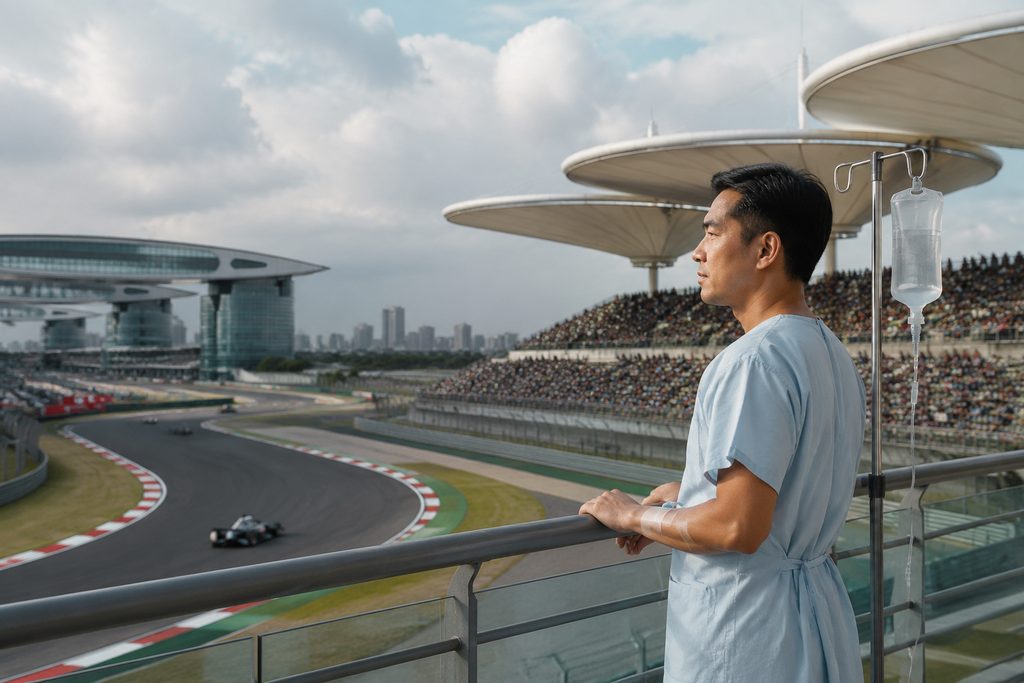
Lymphedema Surgery in Shanghai: What to Know
Key Takeaways
- Shanghai is home to 18 hospitals on the Fudan Top 100 ranking — more than any Chinese city except Beijing — and several of them run dedicated lymphatic surgery programs.
- Microsurgical procedures such as lymphaticovenular anastomosis (LVA) and vascularized lymph node transfer (VLNT) are performed at high volume in Shanghai, often at a fraction of US or European pricing.
- You cannot book a public-hospital surgical slot from overseas by yourself. In-person consultation comes first, and the international department is the realistic path for a foreign patient.
- Lymphedema surgery is not a cure for everyone. The right candidate, the right staging, and realistic expectations matter more than the hospital name.
The Problem: Lymphedema Is Common, and Surgery Access Is Not
Breast cancer-related lymphedema affects roughly 1 in 5 women who undergo axillary lymph node dissection, according to long-running surveillance data cited in the Journal of Clinical Oncology. That is not a rare complication. It is a predictable one.
For patients in the United States, the road to surgical treatment is slow and expensive. Conservative therapy — manual lymphatic drainage, compression garments, pneumatic pumps — costs $1,000 to $3,000 per year and never addresses the underlying anatomy. Reconstructive lymphatic surgery, when it is offered at all, is frequently denied by insurers as “experimental,” even though the International Society of Lymphology has recognized physiologic surgical approaches in its consensus documents since 2020.
So patients wait. They wrap their arms. They stop wearing short sleeves. And they start searching for something else.
That search often leads to China. Specifically, to Shanghai.
Why Shanghai Delivers Results in Lymphatic Surgery
China’s top-tier hospitals function differently from Western academic centers. The volume is higher, the surgical teams are larger, and the subspecialization is deeper. Here is what that means in practice.
Surgical Volume and Microsurgical Expertise
Shanghai’s leading plastic and reconstructive surgery departments perform hundreds of microvascular procedures annually. LVA — where surgeons connect tiny lymphatic vessels to nearby venules under a microscope — requires anastomoses measured in fractions of a millimeter. That skill is built through repetition.
A surgeon who performs 50 LVA cases a year has different hands than one who performs 200. China’s highest-volume centers sit in the second category. The Fudan University Hospital rankings list several Shanghai institutions among China’s top 10 for plastic surgery and oncology, and these departments frequently collaborate on post-cancer reconstruction.
Technology and Diagnostic Depth
Shanghai hospitals use indocyanine green (ICG) lymphography to map lymphatic flow before surgery. This imaging shows exactly where the lymphatic channels are blocked and where functional vessels remain — critical for planning LVA incisions. Not every Western hospital offers ICG lymphography routinely. In Shanghai’s top centers, it is standard.
MRI lymphangiography and lymphoscintigraphy are also available. The diagnostic workup is thorough, and it happens fast. A patient who arrives with prior imaging can often complete additional scans within 48 to 72 hours.
Cost: The Structural Advantage
Lymphedema surgery in Shanghai typically costs between $8,000 and $25,000 depending on the procedure, the number of anastomoses, and the hospital tier. In the United States, the same surgery ranges from $25,000 to $75,000 or more, and insurance coverage is inconsistent.
The gap is not a quality gap. It reflects lower labor costs, higher hospital throughput, and a different reimbursement structure. The surgeons are trained to international standards. Many have completed fellowships in Europe or the US.
| Procedure | Typical Cost in Shanghai | Typical Cost in the US |
|---|---|---|
| Lymphaticovenular anastomosis (LVA) | $8,000 – $18,000 | $25,000 – $50,000 |
| Vascularized lymph node transfer (VLNT) | $15,000 – $25,000 | $40,000 – $75,000 |
| Complete decongestive therapy (per course) | $1,500 – $3,000 | $3,000 – $8,000 |
| ICG lymphography (diagnostic) | $300 – $600 | $800 – $2,000 |
Costs vary by hospital and case complexity. These figures are reference ranges, not quotes.
How the Patient Journey Actually Works: A Step-by-Step Timeline
This is the part most articles skip. Here is what the process looks like from first inquiry to post-operative follow-up.
Week 1–2: Remote evaluation. You send your existing records — imaging, surgical history, oncology reports, photos of the affected limb. A Shanghai plastic surgery team reviews them and provides a written second opinion. This step costs $300 to $500 and tells you whether you are a candidate before you book a flight.
Week 2–3: Video consultation. You speak directly with the surgical team online. They explain what they see, what procedure they would recommend, and what outcomes are realistic. A top-specialist video consultation runs $500 to $800. MDT sessions, where multiple specialists weigh in, cost $1,500 to $2,000.
Week 3–4: Visa and logistics. Foreign patients traveling for medical treatment apply for an S2 visa, which covers short-stay medical purposes. Your accompanying family member applies for S2 as well. The hospital provides supporting documentation. The M visa is for commercial and trade activities — it is not the right category for medical travel.
Week 4–6: Arrival and in-person consultation. Upon arrival in Shanghai, you attend an in-person appointment at the hospital’s international department. This is where the surgical plan is confirmed. In China’s public hospitals, surgery cannot be scheduled without a face-to-face consultation first. That rule applies to everyone.
Week 6–8: Surgery and hospitalization. LVA typically requires 3 to 5 days in hospital. VLNT may require 5 to 7 days. Post-operative monitoring includes compression therapy and early mobilization.
Week 8–12: Follow-up and return home. Most patients fly home 2 to 3 weeks after surgery. Follow-up imaging can be coordinated remotely with your local physician.
Choosing the Right Hospital and Surgeon in Shanghai
Shanghai has 18 hospitals on the Fudan Top 100 list. Not all of them specialize in lymphatic surgery. Here is how to narrow the field.
Look for departments of plastic and reconstructive surgery with a dedicated microsurgery unit. Ask whether the team performs LVA and VLNT routinely — not occasionally. Request the surgeon’s annual case volume for lymphatic procedures specifically.
Check whether the hospital has an international department. This matters for two reasons: English-speaking staff and a structured process for foreign patients. Public hospital general wards operate almost entirely in Chinese. The international department bridges that gap.
For a broader view of Shanghai’s hospital landscape, our Fudan-ranked hospital directory by city lists institutions by tier and specialty. If you are also considering other cities, the department-level rankings for plastic surgery and oncology show where each center stands nationally.
One more thing: not every patient is a candidate. LVA works best for early-stage lymphedema where functional lymphatic vessels remain. VLNT may suit patients with more advanced disease, but it is a bigger operation with a longer recovery. A surgeon who tells you surgery is not your best option is giving you honest advice, not turning away business.
Practical Considerations: Visas, Payment, and Language
Visa. The S2 visa is the correct category for short-stay medical treatment. Apply at your nearest Chinese embassy or consulate with the hospital’s invitation letter and your medical records. Processing typically takes 4 to 7 business days. Approval is never guaranteed — plan accordingly.
Payment. Chinese public hospitals require upfront payment for foreign patients. International credit cards are accepted at international departments. Private international hospitals in Shanghai may offer direct insurance billing, but public hospitals generally do not. You pay, then file for reimbursement with your insurer afterward.
Language. This is the barrier nobody warns you about. A top Shanghai hospital sees 10,000 or more outpatient visits per day. Signage, registration systems, and nursing communication are in Chinese. Even with a translator app, navigating the queue system alone is genuinely difficult. A bilingual medical companion — from $300 per day — handles registration, payment, wayfinding, and translation so you can focus on the medical conversation.
Records. Bring everything. Operative reports, pathology, imaging on disc, medication lists. Chinese surgeons work efficiently, but they need complete information to plan a microsurgical case properly.
Frequently Asked Questions
No. Public hospitals in China require an in-person consultation before scheduling surgery. You can complete the remote evaluation and video consultation from home, but the surgical date is confirmed only after you arrive and meet the surgeon face-to-face. The international department is the standard pathway for foreign patients.
Most US and European insurers do not directly cover treatment at Chinese public hospitals. You will typically pay upfront and seek reimbursement afterward. Some private international hospitals in Shanghai offer direct billing with select insurers. Check with your plan before committing. Costs vary significantly by hospital and case complexity.
Lymphedema surgery is not a cure. It reduces symptom burden and may slow progression, but outcomes vary. Some patients see meaningful improvement in limb volume and infection frequency. Others see modest change. A responsible surgical team will discuss realistic expectations during the video consultation — before you travel. If a provider promises a guaranteed outcome, that is a warning sign.
Your Next Step
Lymphedema surgery in Shanghai is a legitimate option for patients who have exhausted conservative therapy and want access to high-volume microsurgical teams at a fraction of Western costs. The process is navigable, but it requires planning — especially around visas, records, and language.
China Medical Services connects international patients with 340+ top-ranked hospitals across 37 cities. We are not a hospital and we do not provide medical diagnoses. We coordinate written second opinions, video consultations, hospital appointments, and bilingual support on the ground.
If you want to know whether you are a candidate and what the process would look like for your specific case, start with a free consultation. No pressure, no obligation — just a clear picture of your options.
This article is for informational purposes only and does not constitute medical advice. Always consult a qualified physician before making treatment decisions. Individual results vary.
For more medical information and treatment options in China, visit chinamedservices.com (China Medical Services).
