Medical Tourism in Lanzhou: What to Know Before You Go
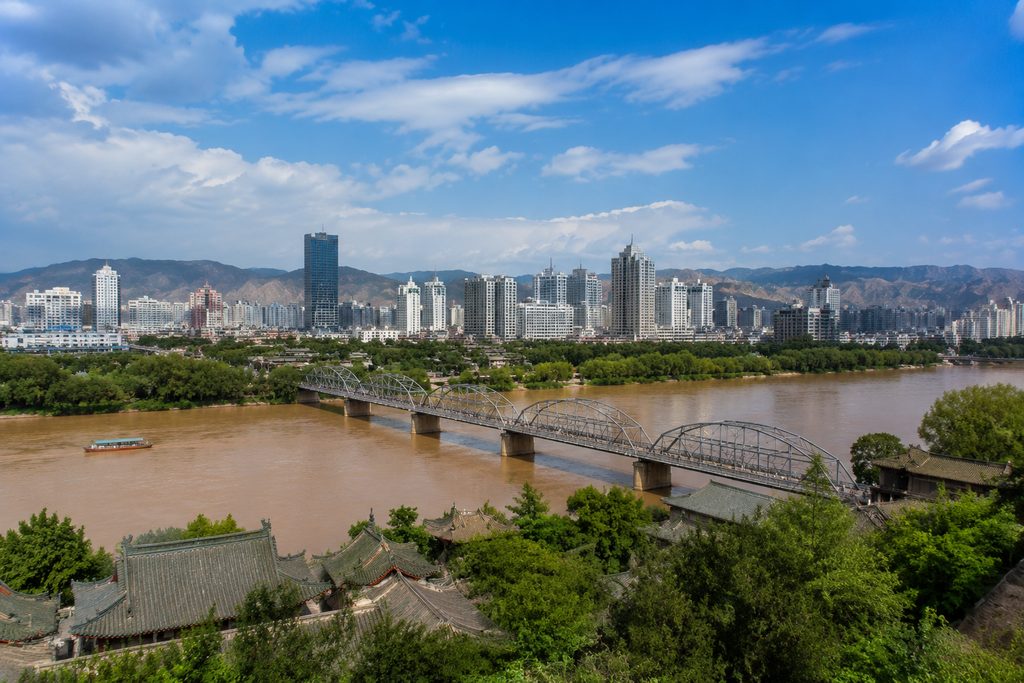
While a patient in the UK waits a median of 18 weeks for elective surgery, a single tertiary hospital in western China can complete a full diagnostic workup and schedule an operation within days of an in-person consultation. That gap is why interest in Lanzhou medical tourism packages keeps climbing among international patients. The city sits at the geographic center of China, on the old Silk Road, and it carries a hospital network far larger than most foreigners expect.
Lanzhou is the capital of Gansu Province, a city of roughly four million people on the Yellow River. It is not Beijing or Shanghai. That single fact shapes everything about how medical travel here works — the costs, the wait times, the language barrier, and the honest limits of what a foreign patient can arrange from abroad.
How This Actually Works, Step by Step
Most people assume they can pick a surgeon online, pay a deposit, and fly in for a procedure. That is not how Chinese public hospitals operate. Understanding the real sequence saves weeks of frustration.
It starts with your existing records. You send us your examination reports — imaging, lab work, pathology, discharge summaries, whatever you have. A relevant specialty at a Lanzhou hospital reviews those documents and returns a written second opinion: what they see, what they would suggest, and whether a trip makes sense at all. That written second opinion typically runs $300–500.
If the picture is unclear, or you want to hear the reasoning directly, a video consultation lets you speak with the Chinese specialty team. You explain your symptoms and goals; they explain their recommendations and what they can realistically offer. Depending on the hospital tier, that runs $100–300 for a standard international department, or $500–800 for a top-specialist session.
Then comes the part people underestimate. In Chinese public hospitals, ordinary outpatient registration cannot be booked from overseas in advance. You take a number the day you arrive. Surgery follows only after an in-person consultation. So a proxy consultation — where we register on your behalf, create the hospital medical card, and visit with your materials — is often the practical bridge. If you want a confirmed appointment with a senior specialist and English service, that means the hospital’s international or VIP channel, which costs roughly 1.5 to 2 times the standard route.
Only once a feasible plan is clear and you agree to it do we coordinate arrival, hospital communication, and available green-channel logistics. Admission itself always remains subject to hospital rules. Nobody can promise you a bed or an outcome.
Is Lanzhou a Good Place for Medical Tourism?
Honest answer: it depends entirely on what you need.
Lanzhou anchors a regional medical system serving much of northwestern China. Its leading institutions — Lanzhou University First Hospital and Lanzhou University Second Hospital among them — are large tertiary centers with strong programs in oncology, orthopedics, cardiology, and traditional Chinese medicine. For a patient from Central Asia, the Middle East, or the Russian-speaking regions, Lanzhou’s position makes it geographically convenient in a way Beijing is not. Flights are shorter, hotel costs are lower, and the pace is calmer.
What Lanzhou is not is a substitute for China’s absolute top-tier referral centers. If your case is genuinely complex — a rare cancer, a difficult revision surgery, a condition where the top 5% of hospitals matters — the Fudan-ranked leaders in Beijing, Shanghai, or Chengdu may be the better target. Our own database covers 340+ top-ranked hospitals across 37 cities, and we will tell you plainly when Lanzhou is the right answer and when it is not.
For straightforward procedures, chronic disease management, health screening, and rehabilitation, Lanzhou offers a genuine cost advantage without the congestion of a megacity. For high-complexity surgery, treat it as a strong regional option rather than a destination for everything.
What Treatment Costs in Lanzhou
This is where the numbers get interesting. The cost of treatment at hospitals in Lanzhou China runs well below Western equivalents, largely because labor, facility fees, and pharmaceuticals are priced on a different scale.
| Procedure | Typical Range in Lanzhou (USD) | US Comparison (USD) |
|---|---|---|
| Coronary artery bypass graft | $12,000–20,000 | $120,000+ |
| Total knee replacement | $8,000–15,000 | $35,000–60,000 |
| Cataract surgery (per eye) | $1,500–3,500 | $4,000–7,000 |
| Comprehensive health screening | $300–1,200 | $2,000–5,000 |
| MRI scan | $100–400 | $1,000–3,000 |
These figures vary by hospital and case complexity. A Lanzhou hospital price list for international patients does not exist as a single public document — pricing is set per procedure, per hospital, and sometimes per patient. Private international departments quote higher than standard public wards because they include English-speaking staff and shorter queues.
Public hospitals in China require prepayment, and insurance reimbursement happens afterward. Some private international hospitals offer direct billing with certain insurers. Always confirm with your insurer before committing.
A Realistic Timeline
Here is what a typical Lanzhou medical trip actually looks like, including the waiting steps nobody mentions.
| Stage | Typical Duration | What Happens |
|---|---|---|
| Records collection and translation | 3–10 days | Gathering reports, certified translation into Chinese |
| Written second opinion | 5–14 days | Specialty review and written analysis |
| Video consultation (if needed) | 3–10 days to schedule | Live discussion with the medical team |
| Visa application (S2) | 1–3 weeks | Embassy processing, hospital invitation documents |
| Travel and arrival | 1–3 days | Flights, airport transfer, accommodation |
| In-person consultation | Day 1–3 after arrival | Registration, examination, treatment planning |
| Treatment or surgery | Days to weeks | Depends entirely on procedure and recovery |
| Follow-up and return home | Varies | Discharge summary, records for your home doctor |
Add buffer. Document translation is the step people forget, and visa timing depends on your nationality and the latest consulate requirements. Nothing here is guaranteed — these are planning ranges, not promises.
What Can Go Wrong — and What Happens Then
Trust is earned by being honest about failure modes, so here they are.
Your case turns out to be more complex than the records suggested. This happens. A written review can only work with what it receives. If the in-person examination reveals something different, the plan changes, and sometimes the answer is that a different hospital or city is the right call. You lose time, not your safety.
The specialist you wanted is not available. Senior specialists have packed schedules. We can request a specific doctor, but we cannot guarantee one. If we cannot secure the appointment we quoted, the coordination fee is refunded in full.
Visa delays. The S2 visa is the correct category for short-stay medical treatment, and family members accompanying you apply for S2 as well. Note clearly: the M visa is for commercial and trade activity and has nothing to do with medical care. Processing times shift with embassy workloads and your nationality. We provide guidance and supporting documents, but approval is never guaranteed and never ours to promise.
Language breakdown. A hospital seeing ten thousand outpatients a day cannot slow down for one foreign patient. Without a bilingual companion, simple tasks — registering, paying, finding the right floor — become genuinely hard. This is the most common and most avoidable problem.
Complications after you fly home. Surgical risks exist everywhere. Before you leave, get your discharge summary and imaging in a form your home physician can read. Follow-up at home should be arranged in advance, not improvised.
How to Find an English-Speaking Doctor in Lanzhou
This is one of the most common questions, and the answer is more practical than people hope.
Large public hospitals in Lanzhou generally do not have English-speaking physicians in ordinary outpatient departments. English service concentrates in international or VIP departments, and in private international hospitals. If English communication is non-negotiable for you, that narrows your options — and it raises the price, because international departments charge more.
The realistic path for most patients is a bilingual medical companion. This is not a translator sitting in a corner. It is a person who registers for you, queues, handles payment, walks you to the right department, and translates in real time during the consultation. Our bilingual companion service starts from $300 per day, covering a half day of four hours or a full day of eight. What it does not do is guarantee access to a specific named specialist — that is a separate coordination matter.
You can also browse hospital profiles and specialty rankings on our top-ranked hospitals by city directory, or look at specific departments such as oncology, cardiac surgery, and orthopedics rankings, to see where Lanzhou’s institutions sit relative to the national field.
Practical Considerations for Lanzhou Specifically
Plan for flights, accommodation, airport transfer at $200 round-trip, and bilingual companion support from $300 per day. Add visa fees and a buffer for extra days. Procedure costs vary by hospital and case complexity, so request a written estimate rather than relying on general figures.
We can request a named specialist, and we do it often. We cannot guarantee it. Senior doctors have heavy clinical loads. If we cannot secure the appointment we quoted, the coordination fee is refunded in full — that is the honest limit of what any coordinator can offer.
Lanzhou’s leading tertiary hospitals have active oncology programs and can handle many standard treatment pathways. For rare or highly complex cancers, the Fudan-ranked national leaders in Beijing, Shanghai, or Chengdu may offer more depth. A written second opinion is the fastest way to find out which situation you are in.
Get your discharge summary, operative notes, and imaging before you leave, in a format your home physician can read. Arrange follow-up at home in advance. Surgical complications are a risk everywhere, and continuity of care matters more than where the operation happened.
Your Next Step
Lanzhou is a real option for international patients — affordable, less crowded than China’s megacities, and well positioned for travelers from Central Asia and beyond. It is not the right answer for every case, and we will say so when it isn’t.
We are a medical concierge service, not a hospital and not a doctor. We do not provide medical advice, and we do not sell access. What we do is translate your records, connect you with the right specialty, coordinate appointments through official channels, and put a bilingual person beside you on the ground. The most sensible first move is a written second opinion — low cost, no travel, and it tells you whether a trip to Lanzhou is worth planning at all. When you are ready, you can start with a free consultation and we will walk through your options together.
This article is for general information only and is not medical advice. Treatment decisions should always be made with a qualified physician who has reviewed your individual case.
Frequently Asked Questions
Yes. The hospitals used for international patients are JCI-accredited and follow the same international safety standards as top hospitals in the US and Europe. Surgical teams perform high volumes of procedures — often more than their Western counterparts — which studies show leads to better outcomes.
Costs vary by procedure and hospital, but international patients typically save 40-80% compared to US prices — even when factoring in travel and accommodation. A consultation with our team will give you an exact, all-inclusive quote with no hidden fees.
Send us your existing medical reports to get started. We handle everything from hospital selection and appointment scheduling to visa assistance and post-operative recovery planning. Your medical records are reviewed by the specialist before you even book a flight.
For more medical information and treatment options in China, visit chinamedservices.com (China Medical Services).
