Top Multiple Myeloma Hospital in Shanghai: Ruijin Hospital Costs and Access
Key Takeaways
- Ruijin Hospital’s Department of Hematology is ranked among China’s top 10 for hematology by the Fudan University Hospital Rankings, treating approximately 1 in 8 of Shanghai’s newly diagnosed multiple myeloma patients.
- Multiple myeloma treatment cost Shanghai at top public hospitals typically runs 60–80% below comparable US protocols, with autologous stem cell transplants often falling in the $25,000–$40,000 range versus $250,000+ in the United States.
- Foreign patients cannot simply book a bed online. Treatment requires an in-person consultation first, unless you go through the hospital’s international VIP channel, which costs roughly 1.5–2x standard rates.
- Language is the biggest practical barrier. Ruijin’s standard outpatient flow assumes Mandarin fluency; without a bilingual companion or the international department, navigating registration, testing, and admission is extremely difficult.
The Problem: A Blood Cancer Diagnosis With a Six-Figure Price Tag
When 54-year-old Daniel from Manchester heard “multiple myeloma,” his first question was not about survival rates. It was about the multiple myeloma treatment cost Shanghai — because he had already seen the UK private clinic quote. £8,000 per cycle of daratumumab. A stem cell transplant estimate of £70,000. His NHS wait time for transplant evaluation was 14 months. Multiple myeloma is a cancer of plasma cells. It affects approximately 1 in 8 people diagnosed with a blood cancer. Without treatment, bone lesions spread, kidneys fail, and anemia deepens. With treatment, median survival now exceeds 10 years for eligible patients. The gap between those two paths is access to a hematology center that can move quickly.
Daniel is not unusual. The American Cancer Society estimates 35,780 new multiple myeloma cases in the US in 2024. Median age at diagnosis is 69. Many patients are retired, on fixed incomes, or facing insurance caps. In the United States, the total cost of first-line therapy — induction, transplant, consolidation, maintenance — routinely exceeds $400,000 before insurance. Even insured patients face out-of-pocket maximums that wipe out savings. In the UK, Canada, and Australia, the problem is different: the public system covers cost, but wait times for a non-urgent transplant evaluation can stretch past a year. Myeloma does not wait politely.
Why Ruijin Hospital Delivers Results for Multiple Myeloma Patients
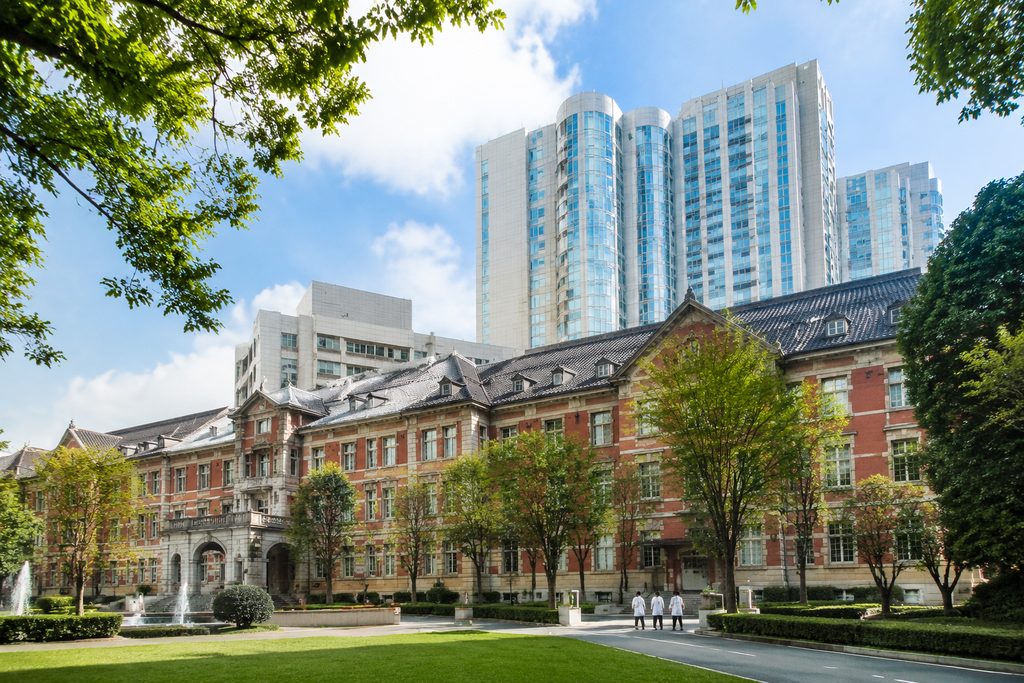
Ruijin Hospital, affiliated with Shanghai Jiao Tong University School of Medicine, sits on Ruijin Er Road in central Shanghai. Its Department of Hematology is not a small unit. It runs one of the largest hematology programs in Asia, with dedicated wards for leukemia, lymphoma, and myeloma. The Fudan University Hospital Rankings place Ruijin’s hematology department among China’s top 10 for the specialty. That ranking is based on clinical reputation and research output, not marketing. For a disease like multiple myeloma, where treatment protocols change every 2–3 years, being at a research-active center matters. Patients get access to clinical trial agents and newer combination regimens that community hospitals simply do not stock.
Clinical Volume Creates Pattern Recognition
Chinese top-tier hospitals see patient volumes that Western centers rarely match. Ruijin’s outpatient hematology clinic handles several hundred patients per day. Its myeloma specialists see more cases in a month than many Western hematologists see in a year. Volume is not a guarantee of quality. But for a disease with this much heterogeneity — high-risk cytogenetics, extramedullary disease, renal impairment — pattern recognition is a real clinical asset. A physician who has managed 500 cases of myeloma-related kidney failure recognizes the subtle signs faster than one who has managed 30. That speed translates into earlier intervention and fewer complications.
Access to Newer Agents Without the US Markup
China’s National Medical Products Administration has approved most major myeloma drugs — bortezomib, lenalidomide, carfilzomib, daratumumab, and isatuximab among them. Several are now on China’s national reimbursement drug list, which lowers the domestic price substantially. A cycle of generic bortezomib in Shanghai can cost $200–$400, compared to $1,800–$2,400 for the branded version in the US. Daratumumab is still expensive in China, but often 30–50% below US list price. The structural reason is straightforward: China negotiates drug prices at the national level, and domestic generic manufacturers compete aggressively. Lower drug acquisition cost is the single biggest driver of the multiple myeloma treatment cost Shanghai advantage.
Autologous Stem Cell Transplant: The Biggest Cost Differential
The standard of care for eligible newly diagnosed myeloma patients is induction therapy followed by autologous stem cell transplant. In the United States, the transplant hospitalization alone averages $250,000–$350,000. At Ruijin and comparable Shanghai centers, the same procedure typically falls in the $25,000–$40,000 range for international self-pay patients. That includes stem cell mobilization, collection, conditioning chemotherapy, the transplant itself, and the inpatient recovery period. The cost difference is not because Chinese doctors cut corners. It is because hospital labor costs, facility fees, and administrative overhead are structurally lower. The transplant protocols follow the same international guidelines — typically based on the International Myeloma Working Group recommendations.
How International Patients Actually Access Treatment at Ruijin Hospital
This is where most online information misleads. You cannot email Ruijin Hospital, pay a deposit, and show up for a scheduled transplant. The public hospital system in China operates on a same-day registration model for outpatient visits. You line up, you get a number, you see a doctor. For international patients, there are two realistic pathways. The first is the hospital’s International Medical Center, which offers English-speaking coordinators, priority registration, and a more comfortable environment. The cost is roughly 1.5–2 times the standard public rate, but still far below Western private hospital pricing. The second is working with an independent medical coordinator who handles registration, translation, and logistics while you see the same specialists through the standard channel. Neither pathway lets you skip the initial in-person consultation. Chinese hospitals require a face-to-face evaluation before any admission or procedure.
What the Numbers Mean: Multiple Myeloma Treatment Cost Shanghai vs. Western Benchmarks
Patients researching how much does multiple myeloma therapy cost in Shanghai usually want one thing: a concrete comparison. Here is what current self-pay international rates at top Shanghai public hospitals look like, versus typical US list prices. These are ranges, not quotes. Final pricing varies by hospital and case complexity, drug choice, and whether complications arise.
| Treatment Component | Shanghai Top Public Hospital (Self-Pay) | United States (List Price) |
|---|---|---|
| Initial consultation with hematologist | $50–$150 | $350–$600 |
| Full diagnostic workup (labs, imaging, bone marrow biopsy) | $1,500–$3,000 | $8,000–$15,000 |
| Induction therapy (4 cycles, bortezomib-based) | $8,000–$15,000 | $60,000–$100,000 |
| Autologous stem cell transplant (full episode) | $25,000–$40,000 | $250,000–$350,000 |
| Maintenance therapy (annual, lenalidomide) | $6,000–$12,000 | $120,000–$180,000 |
| Daratumumab-based regimen (per cycle) | $3,500–$6,000 | $12,000–$18,000 |
These figures explain why a growing number of patients from the Middle East, Southeast Asia, and Eastern Europe ask whether multiple myeloma treatment in China is good. The answer is nuanced. China’s top hematology centers — Ruijin, Peking Union Medical College Hospital, and West China Hospital among them — deliver care that meets international standards. Their transplant outcomes for myeloma are comparable to Western centers. But not every Chinese hospital is a top center. The quality gap between a Fudan-ranked hematology department and an average provincial hospital is significant. That is why hospital selection matters more than the country selection.
Practical Considerations: Documentation, Visa, Payment, and Follow-Up
Before you book a flight to Shanghai, you need to assemble a clinical packet. Ruijin and other top hospitals will want your complete medical records: pathology report confirming the myeloma diagnosis, cytogenetics and FISH results if available, all prior chemotherapy and drug regimens, recent blood work including serum protein electrophoresis and free light chain assay, and imaging studies. These documents should be translated into Chinese. The hospital’s international department can often arrange translation, but sending records in advance speeds up the initial consultation.
Visa is the next practical hurdle. Foreign nationals traveling to China for medical treatment apply for an S2 visa, which is the short-stay category for private affairs including medical treatment. Family members accompanying the patient also apply for S2 visas. Processing typically takes 1–3 weeks depending on your home country’s Chinese embassy or consulate. You will need a supporting letter from the hospital confirming your appointment. The hospital’s international department issues these letters routinely. Do not apply for an M visa — that is for commercial and trade activities, not medical care.
Payment is straightforward but inflexible. Chinese public hospitals require prepayment. You deposit funds at admission, and the hospital draws down from that balance as services are provided. International credit cards are accepted at the international department, but standard outpatient counters often require a Chinese bank card or cash. Wire transfer is possible but slow. Most international patients budget for the full estimated treatment cost upfront, then reconcile at discharge. Insurance is a separate issue. Chinese public hospitals do not bill Western insurers directly. You pay first, then submit claims for reimbursement. Check with your insurer before traveling — some policies exclude treatment outside your home country unless pre-authorized.
Language is the barrier most patients underestimate. Ruijin’s standard outpatient flow operates in Mandarin. Registration slips, lab orders, pharmacy queues — all in Chinese characters. Even finding the right building on a campus that handles over 10,000 outpatient visits per day is disorienting. The international department solves this with English-speaking staff. If you go through the standard channel, a bilingual medical companion is not a luxury — it is the difference between a 2-hour visit and a 6-hour ordeal.
Follow-up after returning home is feasible. Ruijin’s hematologists routinely manage international patients who return for quarterly evaluations or continue maintenance therapy remotely. You will need a local hematologist at home willing to order labs and coordinate with the Shanghai team. That coordination is common practice. The Shanghai team provides written treatment summaries and medication plans in English for your home physician.
Frequently Asked Questions
You can book an initial consultation in advance through the hospital’s international department or a coordinator, but you cannot book an admission, transplant, or surgery remotely. Chinese public hospital rules require an in-person specialist evaluation before any treatment plan is finalized or any procedure is scheduled. The consultation itself can be arranged ahead of time with proper documentation.
At top Fudan-ranked hematology centers like Ruijin, yes. These departments follow the same international treatment guidelines — typically International Myeloma Working Group protocols — and their transplant volumes are among the highest in Asia. The key is choosing a top-ranked center. An average Chinese hospital is not the same as a top-10 hematology department. Hospital selection is the single most important decision you will make.
Ruijin is a full-service tertiary hospital with intensive care, nephrology, infectious disease, and interventional radiology on site. Myeloma complications like renal failure, pathological fractures, and severe infection are managed within the same institution. International patients are not transferred elsewhere for complications. Your treating hematologist coordinates with other departments directly. That said, no hospital can guarantee outcomes, and you should discuss your specific risk profile — age, comorbidities, cytogenetics — with the treating team before committing to travel.
The Fudan University Hospital Rankings publish a specialty reputation list for hematology. Ruijin, Peking Union Medical College Hospital in Beijing, and West China Hospital in Chengdu consistently appear in the top tier. If you are evaluating the best multiple myeloma hospital in China for your case, look at three factors: the department’s annual transplant volume, whether they participate in international clinical trials, and how experienced their international patient office is. A hospital with a strong hematology reputation but no experience handling foreign patients creates unnecessary friction.
Yes. Many international patients start with a written second opinion. You send your existing records — pathology, cytogenetics, treatment history — and a Ruijin hematologist reviews them and provides a written analysis with treatment suggestions. This typically costs $300–$500 and gives you a concrete sense of whether the Shanghai team’s approach aligns with your current care. It is a lower-commitment way to evaluate Ruijin Hospital multiple myeloma price and clinical fit before booking travel.
Your Next Step
The multiple myeloma treatment cost Shanghai advantage is real, but it only matters if you can navigate the system effectively. Ruijin Hospital offers world-class hematology care at a fraction of Western prices — provided you choose the right access pathway, prepare your documentation properly, and plan for the language and logistical realities. Our team at China Medical Services helps international patients evaluate options, arrange written second opinions, and coordinate in-person care at top Chinese hospitals. We are not a hospital and do not provide diagnoses or treatment. If you want to understand whether Ruijin is the right fit for your specific case, request a free consultation and we will walk you through the process honestly.
For more medical information and treatment options in China, visit chinamedservices.com (China Medical Services).
