Orthopedic Surgery at Nanjing Drum Tower Hospital: Eastern China’s Joint and Spine Leader
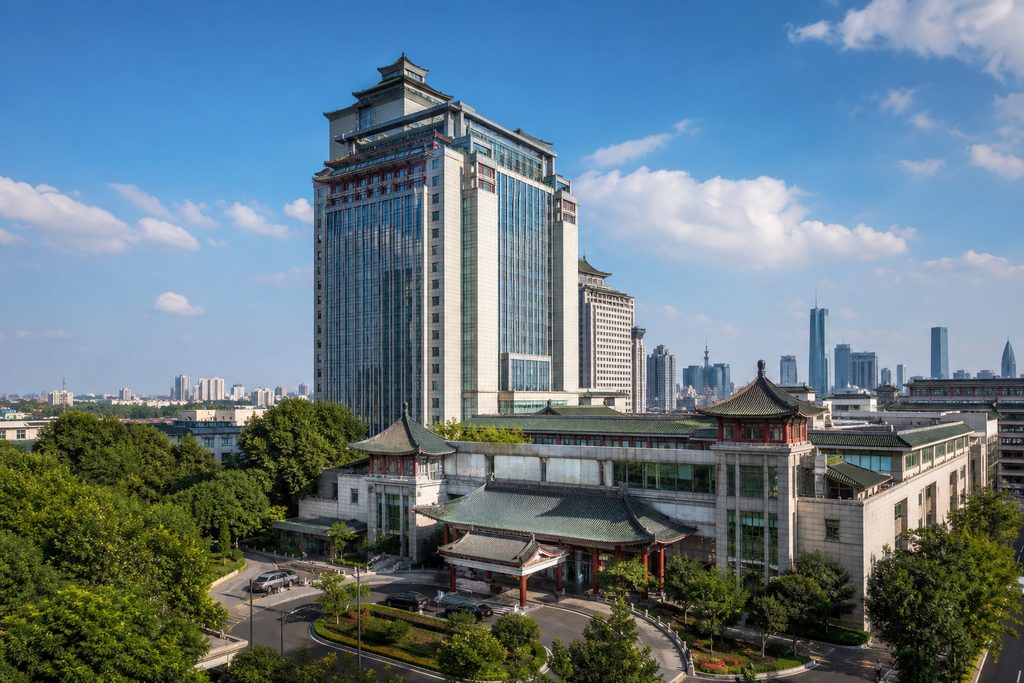
Nanjing Drum Tower Hospital Orthopedic Surgery Cost: A Guide for International Patients
When a knee gives out or a spine degenerates, the pain rewrites your life. You measure distance in steps, not miles. Sleep becomes a negotiation. The search for a solution often leads patients to consider traveling for care, and the Nanjing Drum Tower Hospital orthopedic surgery cost is a figure that stops many in their tracks—not because it is high, but because it is surprisingly accessible. A total knee replacement here can run from $12,000 to $18,000. The same procedure in the United States averages $35,000 to $50,000. That gap demands an explanation. This article provides one.
Key Takeaways
- Nanjing Drum Tower Hospital’s orthopedic department performs over 8,000 joint replacements annually, placing it among the highest-volume centers in Eastern China.
- Surgical costs for international patients typically range from $12,000 to $25,000 for major joint and spine procedures—a fraction of Western prices—without compromising on implant quality or surgical technique.
- Language barriers and the standard public outpatient process are real obstacles; a successful visit requires either fluent Mandarin or a coordination plan that bypasses the general queue.
- Safety and quality are anchored in volume: the department’s spine team handles complex scoliosis and revision cases that many Western centers refer out, building a depth of experience that data shows correlates with better outcomes.
The Problem: When the Wait and the Price Tag Both Hurt
In Canada, the median wait time for a knee replacement reached 31.7 weeks in 2023, according to the Fraser Institute. The UK’s NHS target is 18 weeks, but nearly 40% of patients wait longer. In the United States, the problem is not time but money. Even with insurance, out-of-pocket maximums can hit $9,000, and uninsured patients face bills that exceed the median annual household income in many states.
This twin burden—waiting in pain or paying through it—is not a small problem. Osteoarthritis affects approximately 1 in 8 adults globally. Spinal degeneration is nearly universal with age. For a 60-year-old with a worn-out hip, losing two years to a waitlist means losing two years of mobility during what should be an active retirement. The status quo fails millions of people every year. Some of them start looking east.
Why Nanjing Drum Tower Hospital Delivers Orthopedic Results
Clinical Volume That Reshapes Surgical Skill
A surgeon who performs 400 knee replacements a year sees complications and anatomical variations that a surgeon performing 50 a year reads about in journals. Nanjing Drum Tower Hospital’s Department of Orthopedics is not a boutique practice. It is one of the largest orthopedic centers in Eastern China, with a surgical volume that exceeds 8,000 joint procedures annually. The spine division alone manages a caseload that includes severe spinal deformities, complex revision surgeries, and trauma cases referred from across the region.
Volume matters because orthopedics is a craft as much as a science. The angle of a bone cut, the tension of a ligament balance, the placement of a pedicle screw—these are skills honed by repetition. A 2023 study in The Lancet Rheumatology found that higher surgeon and hospital volume was associated with a lower risk of revision surgery and serious complications in joint arthroplasty. The department here operates at a scale where that repetition is constant.
Technology Adopted at Pace
Chinese hospitals do not suffer from the capital equipment rationing that slows adoption in many single-payer systems. Nanjing Drum Tower Hospital was an early adopter of computer-navigated knee replacement and 3D-printed patient-specific instrumentation for complex joint reconstruction. The spine service uses intraoperative CT and O-arm navigation for real-time screw placement verification. These are not experimental toys. They are standard workflow tools that reduce implant malposition rates, which directly lowers the risk of nerve injury and revision surgery.
What does this mean for a patient? A navigated total knee replacement can achieve alignment within 3 degrees of neutral more reliably than conventional techniques. Malalignment beyond 3 degrees is a known predictor of early implant failure. The technology is not a marketing point. It is a mechanical advantage.
Cost Structure: Why Lower Price Does Not Mean Lower Quality
The Nanjing Drum Tower Hospital orthopedic surgery cost is lower for structural reasons, not quality compromises. Hospital construction costs, physician salaries, and administrative overhead in China are a fraction of those in the US. An orthopedic surgeon’s annual compensation in a top Chinese public hospital may be one-tenth that of a US counterpart. The implant itself—a Stryker or Zimmer knee system—costs roughly the same in both countries. But the labor, facility fees, and physical therapy costs that balloon a US hospital bill are compressed here.
This is not a “discount” model. It is a different economic environment producing the same clinical output. The implants are the same global brands used in Boston or Berlin. The sterilization protocols meet international standards. The difference is that the system around the surgery is leaner.
What a Knee or Hip Replacement Journey Actually Looks Like
A patient arriving for joint replacement at Nanjing Drum Tower Hospital does not walk in and get surgery the next day. The process is structured and, for international patients, requires pre-arrival coordination.
Before travel, the hospital’s international department typically requests recent X-rays, MRI reports, and a medical history summary. A remote evaluation determines surgical candidacy. Once approved, the patient travels to Nanjing on an S2 visa—the short-stay category used for private medical treatment. The first in-person visit involves a physical examination, additional imaging if needed, and a pre-operative clearance workup. Surgery is usually scheduled within 3 to 7 days of arrival, not the same week as landing.
The hospital stay for a primary total knee or hip replacement is typically 3 to 5 days. Patients are mobilized within 24 hours of surgery. Physical therapy begins on day one. After discharge, most international patients stay in a nearby serviced apartment or hotel for 10 to 14 days for continued outpatient rehabilitation and wound checks before flying home. The total in-country stay is roughly three weeks. That is longer than a medical tourism brochure might suggest, but it is the realistic timeline for safe recovery and clearance to fly.
Spine Surgery at Nanjing Drum Tower Hospital: Who It Suits and Who It Does Not
The spine service here handles cases that range from routine microdiscectomies to multi-level spinal fusion and complex deformity correction. For a patient with a herniated disc who has failed conservative treatment, the surgical approach and recovery timeline are well-established. The question many international patients ask is blunt: is spine surgery at Nanjing Drum Tower Hospital safe for foreigners? The safety record is anchored in the department’s case volume and the use of intraoperative neuromonitoring, which tracks spinal cord function in real time during surgery. This is a standard of care that reduces the risk of post-operative neurological deficit.
But spine surgery here is not for everyone. A patient seeking a single-level lumbar fusion for degenerative spondylolisthesis is a strong candidate. A patient with a failed back surgery syndrome after two prior operations in another country is a much more complex case. The scar tissue, altered anatomy, and psychological component of chronic pain make revision spine surgery a different risk category. The department accepts complex cases, but the pre-operative workup is more demanding, and the outcome expectations must be calibrated honestly.
| Procedure | Estimated Cost at Nanjing Drum Tower (USD) | Average US Cost (USD) | Typical In-Country Stay |
|---|---|---|---|
| Total Knee Replacement | $12,000 – $18,000 | $35,000 – $50,000 | 3 weeks |
| Total Hip Replacement | $13,000 – $20,000 | $40,000 – $55,000 | 3 weeks |
| Single-Level Lumbar Fusion | $18,000 – $25,000 | $80,000 – $110,000 | 4 weeks |
| ACL Reconstruction | $6,000 – $10,000 | $20,000 – $30,000 | 2 weeks |
Costs are estimates for international patients using the hospital’s international/VIP channel and vary by implant choice, case complexity, and length of stay. They do not include airfare, accommodation, or post-discharge rehabilitation.
Practical Considerations: Documentation, Payment, and Communication
Arriving at a Chinese hospital unprepared is a recipe for frustration. The standard public outpatient system requires in-person queuing for registration, and the default language is Mandarin. An international patient cannot simply show up and expect to navigate this alone.
The documents required are straightforward: a valid passport, recent imaging on CD or film, translated medical records, and a list of current medications. The S2 visa application requires an invitation letter from the hospital or a coordinating entity, proof of accommodation, and a travel itinerary. Processing times vary by embassy, but four to six weeks is a safe planning window.
Payment is another practical hurdle. Public hospitals in China, including their international departments, operate on a pre-payment model. A deposit is required before admission, and the balance is settled before discharge. Credit cards are accepted, but international wire transfers are more common for large deposits. US health insurance rarely covers elective surgery abroad directly. Some international insurance plans with out-of-network benefits may reimburse, but this must be confirmed with the insurer before travel. The hospital provides an itemized bill and medical report for reimbursement claims, but the patient pays first and claims later.
Language is the single largest barrier. The hospital’s international department has English-speaking coordinators, but ward nurses, physical therapists, and administrative staff may not speak English. Having a bilingual companion during the hospital stay transforms the experience from isolating to manageable.
Frequently Asked Questions
For a total knee replacement, the all-in cost—surgery, three-week accommodation in a mid-range serviced apartment, round-trip economy airfare from the US or Europe, and local ground transport—typically lands between $18,000 and $28,000. This varies by implant choice, length of stay, and travel class. It is still substantially below the US surgical fee alone.
The hospital does not sell “packages” in the commercial sense. What exists is a coordinated care pathway through the international department that bundles the surgical fee, implant cost, hospital stay, and in-hospital rehabilitation. A spine surgery package Nanjing Drum Tower Hospital international patients typically receive is a transparent, itemized quote rather than a fixed-price bundle. The quote is generated after the remote evaluation and is specific to the patient’s imaging and surgical plan.
The initial hospital recovery is 3 to 5 days. The critical question is flight safety. The risk of deep vein thrombosis after joint replacement is elevated for four to six weeks. Most surgeons clear patients for long-haul flights after 10 to 14 days, provided they wear compression stockings, stay hydrated, and perform in-seat exercises. A blood thinner may be prescribed for the flight. The full answer to how long is recovery for knee replacement in China is that the in-country phase is about three weeks, but full functional recovery takes three to six months at home.
Yes. In the Fudan University Hospital Rankings, which is China’s most authoritative hospital evaluation system, the Department of Orthopedics at Nanjing Drum Tower Hospital is consistently ranked among the top 10 nationally in the orthopedic specialty reputation list. For a patient searching for a top ranked orthopedic hospital China spine and joints, this department is a legitimate contender, particularly for complex spine work and high-volume joint replacement. It is not the only option—Beijing and Shanghai have strong orthopedic centers—but it is the leading center in Eastern China.
This is the hardest question, and it deserves a straight answer. If a post-operative infection or implant complication arises after you return to your home country, your local orthopedic surgeon will need to manage it. The Nanjing team provides a complete operative report, implant stickers with batch and serial numbers, and post-operative imaging. They are available for remote consultation, but they cannot fly to you. This is why selecting a procedure with a low complication rate and a surgeon with high volume matters so much. The best way to handle a complication is to reduce its probability before the incision is closed.
Your Next Step
Choosing where to have your hip replaced or your spine stabilized is a decision that should be made with information, not hope. Nanjing Drum Tower Hospital offers a combination of surgical volume, technology, and cost that makes it a serious option for patients who have done their homework. Our team at China Medical Services helps international patients navigate the evaluation and coordination process—from obtaining a written second opinion to arranging the logistics of surgery and recovery in Nanjing. We do not perform surgery or make medical recommendations. We connect you with the right department, translate your records, and ensure you are not alone in a system where language determines access. If you want to understand whether your case is suitable and what the real costs would be, start with a conversation.
For more medical information and treatment options in China, visit chinamedservices.com (China Medical Services).
