Pediatric Leukemia Second Opinion: How China’s Children’s Hospitals Help
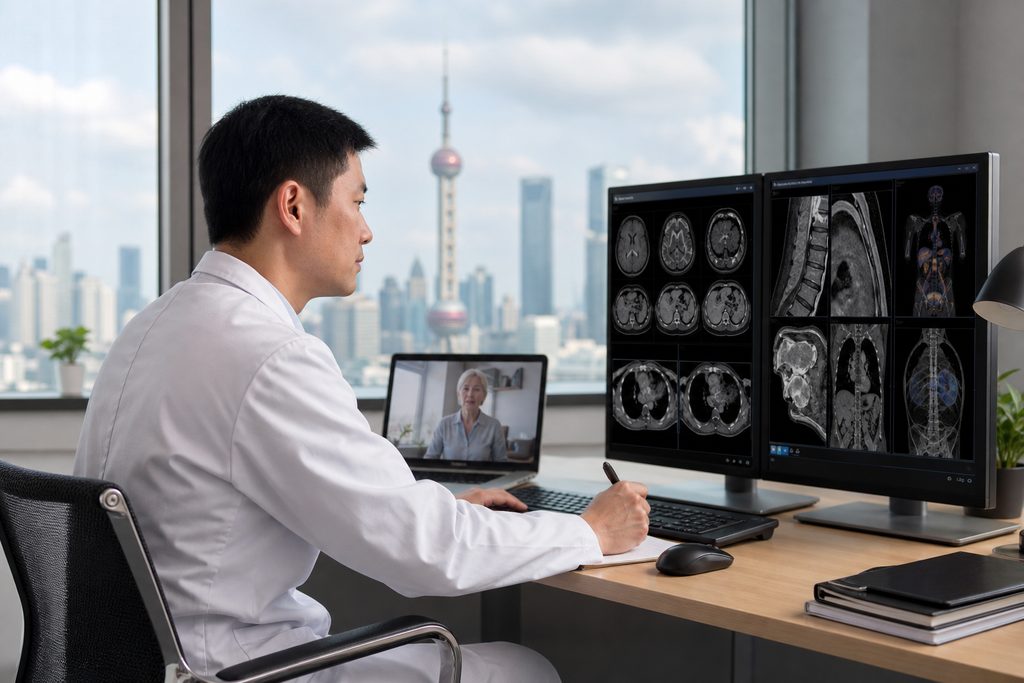
When 34-year-old Amira from Dubai first heard her 6-year-old daughter’s diagnosis of acute lymphoblastic leukemia, the ground shifted. Her local oncologist recommended a standard chemotherapy protocol. But Amira wanted more certainty. She wanted another set of eyes — preferably from a center that treats thousands of childhood leukemia cases every year. That search led her to ask a question more families are now asking: what is the pediatric leukemia second opinion China cost, and is the process even possible from abroad?
The short answer is yes. Chinese children’s hospitals with dedicated hematology-oncology departments routinely review international patient records. A written second opinion typically ranges from $300 to $500, depending on the hospital and the complexity of the case. Video consultations with senior pediatric oncologists run higher, generally between $500 and $800. These figures are for the consultation service itself — not treatment, not travel, not hospitalization.
Key Takeaways
- Childhood leukemia is the most common pediatric cancer, accounting for roughly 28% of all childhood cancers in the United States, according to the American Cancer Society.
- China’s top children’s hospitals manage some of the largest pediatric leukemia caseloads globally, with dedicated wards treating hundreds of new diagnoses annually at a single center.
- A written second opinion from a Chinese pediatric oncology department costs between $300 and $500, while a video consultation ranges from $500 to $800 — before any treatment or travel costs.
- Remote second opinions are feasible, but patients must prepare complete, translated medical records and understand that no written review replaces an in-person evaluation.
The Problem: When One Opinion Is Not Enough for Childhood Leukemia
Childhood leukemia forces families to make rapid, high-stakes decisions. In the United States, approximately 3,000 children under 15 are diagnosed with acute lymphoblastic leukemia each year, according to the National Cancer Institute. Parents often have days, not weeks, to choose a treatment path.
But here is the uncomfortable reality: treatment protocols vary. A hospital in one country may favor a specific chemotherapy backbone. Another center may recommend a different risk stratification. The differences can be subtle — a different steroid, a different consolidation phase — but they matter. A second opinion is not about distrusting your doctor. It is about confirming that the proposed protocol aligns with current international standards.
For families in regions with fewer pediatric oncology specialists, that confirmation can be hard to obtain. Some countries have only a handful of pediatric hematologists. Wait times for a second opinion at a major Western cancer center can stretch for weeks. And the cost of a second opinion in the US — often $1,500 to $3,000 for a comprehensive review — is prohibitive for many families already facing treatment expenses.
Why China’s Pediatric Leukemia Centers Deliver Results
Chinese children’s hospitals occupy a unique position in global pediatric oncology. They combine high patient volume, centralized expertise, and significantly lower costs than Western counterparts. That combination is rare.
Clinical Volume Builds Pattern Recognition
Pediatric oncologists in China’s top-tier children’s hospitals see leukemia cases daily. A single major center in Shanghai or Beijing may admit 300 to 500 new pediatric leukemia patients per year. By comparison, many regional hospitals in the US or Europe treat fewer than 50 new cases annually.
Volume matters in oncology. A physician who has managed 1,000 cases of acute lymphoblastic leukemia recognizes atypical presentations faster. They have seen rare complications. They know when a standard protocol needs adjustment. This pattern recognition is exactly what a second opinion should provide — the confidence that comes from deep clinical experience.
China’s pediatric hematology departments also participate in international collaborative studies. Many follow protocols adapted from the Children’s Oncology Group (COG) or the Berlin-Frankfurt-Münster (BFM) backbone, which are the same frameworks used in leading Western centers. That means a Chinese second opinion speaks the same clinical language as your home hospital.
Efficient Remote Review Infrastructure
Chinese hospitals have invested heavily in telemedicine platforms since 2020. Most top children’s hospitals now operate official international medical departments that handle remote consultations. The workflow is structured: you submit records, the department reviews them, a specialist writes an opinion, and you receive a translated report.
This is not an informal email exchange. It is a formal medical review with documentation, official hospital letterhead, and a named specialist. The process usually takes 5 to 10 business days for a written opinion. Video consultations can often be scheduled within two weeks of record submission.
For families asking how to get a second opinion for childhood leukemia from China, the remote pathway removes the biggest barrier: travel. You do not need to fly to Shanghai or Beijing for an initial review. You send the records first.
Cost Advantage Without Quality Compromise
The pediatric leukemia second opinion China cost is a fraction of what Western centers charge. A written review at a top Chinese children’s hospital costs $300 to $500. The same service at a major US cancer center typically ranges from $1,500 to $3,000, and some European centers charge comparable amounts.
Why the difference? Labor costs in Chinese healthcare are structurally lower. Hospital administrative overhead is also lower. But the clinical expertise is not inferior — many senior pediatric hematologists in China trained at international centers, publish in peer-reviewed journals, and sit on global oncology committees.
Lower cost does not mean lower rigor. It means the economics of Chinese healthcare allow top specialists to review cases at prices that are accessible to more families.
How the Remote Second Opinion Process Actually Works
If you are considering a pediatric leukemia second opinion from a Chinese children’s hospital, the process follows a clear sequence. Understanding it before you start will save you weeks of back-and-forth.
Step 1: Gather complete records. This includes the pathology report confirming the leukemia subtype, cytogenetics and molecular markers (such as BCR-ABL, ETV6-RUNX1, or MLL rearrangements), flow cytometry results, imaging reports, and the current treatment plan. Incomplete records are the most common reason second opinions are delayed or declined.
Step 2: Translate the documents. Most Chinese international departments require records in English or Chinese. If your records are in Arabic, French, Spanish, or another language, professional medical translation is necessary. A poor translation can change clinical meaning — do not rely on machine translation for pathology reports.
Step 3: Submit through the official channel. Top children’s hospitals accept submissions through their international medical departments. You can also work with a coordination service that handles the submission, follows up with the department, and ensures the right specialist reviews the case.
Step 4: Wait for the review. A written second opinion typically takes 5 to 10 business days. The report will include the specialist’s assessment of the diagnosis, whether the current treatment plan is appropriate, and any suggested modifications or additional tests.
Step 5: Schedule a video consultation if needed. If you want to discuss the written opinion directly with the specialist, a video consultation can be arranged. This is where you ask questions about risk stratification, treatment intensity, and long-term follow-up.
Before submitting records, ask the hospital or coordination service for a checklist of required documents. Different leukemia subtypes require different molecular panels. Sending the right tests the first time avoids a two-week delay.
Choosing the Right Children’s Hospital for a Leukemia Second Opinion
Most oncologists welcome a well-documented second opinion regardless of where it comes from, especially if the reviewing center has high case volume and follows internationally recognized protocols. What matters is the quality of the written report — a detailed, evidence-based analysis with specific recommendations carries weight. A vague one-page letter does not.
That is the point of seeking a second opinion. You take both opinions back to your primary oncologist and discuss the differences. Sometimes the recommendations align, which provides reassurance. Sometimes they differ, which prompts a deeper conversation. The decision always remains with you and your treating physician.
Yes. The remote consultation model exists precisely for this scenario. You submit records, receive a written review, and optionally schedule a video consultation. Only after that remote evaluation would you decide whether traveling to China for in-person evaluation or treatment makes sense. No one should fly across the world for a first conversation that could happen by video.
Plan for three to six weeks from the moment you start gathering records to the moment you have a written opinion in hand. Record collection and translation often take one to two weeks. Hospital review takes five to ten business days. Scheduling a follow-up video consultation adds another one to two weeks. Starting early matters.
Your Next Step
A pediatric leukemia diagnosis is overwhelming, and the impulse to move quickly is real. But a second opinion — especially one from a center with deep leukemia experience — can clarify the path forward. It can confirm your current plan or reveal alternatives worth discussing with your oncologist.
We help families navigate the logistics of obtaining a second opinion from China’s top children’s hospitals — from records preparation to submission to scheduling. We are not a hospital and do not provide diagnoses or treatment. We are a coordination team that handles the process so you can focus on your child. If you would like to explore whether a Chinese pediatric leukemia second opinion makes sense for your situation, request a free consultation and we will help you assess the options.
You are not alone in this. A second opinion is not a betrayal of your current medical team — it is a responsible step toward certainty. And certainty is what every parent deserves when their child’s life is on the line.
Frequently Asked Questions
Yes. The hospitals used for international patients are JCI-accredited and follow the same international safety standards as top hospitals in the US and Europe. Surgical teams perform high volumes of procedures — often more than their Western counterparts — which studies show leads to better outcomes.
Costs vary by procedure and hospital, but international patients typically save 40-80% compared to US prices — even when factoring in travel and accommodation. A consultation with our team will give you an exact, all-inclusive quote with no hidden fees.
Send us your existing medical reports to get started. We handle everything from hospital selection and appointment scheduling to visa assistance and post-operative recovery planning. Your medical records are reviewed by the specialist before you even book a flight.
For more medical information and treatment options in China, visit chinamedservices.com (China Medical Services).
