Pituitary Tumor Second Opinion in China: Huashan Hospital Costs and Process
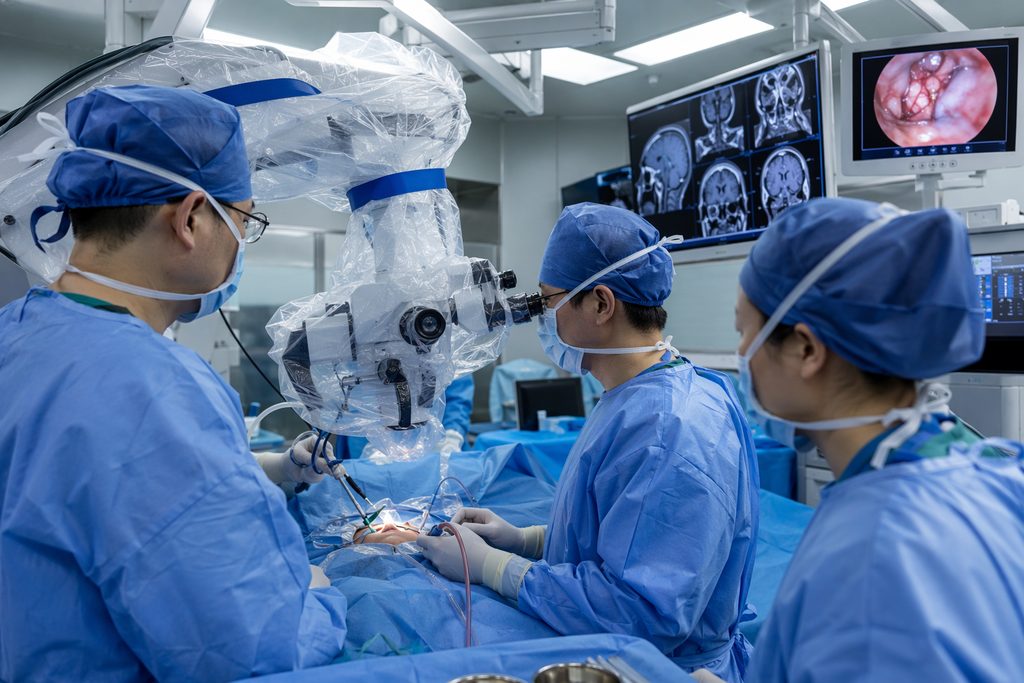
Have you been handed a pituitary tumor diagnosis and told surgery is your only option, but the price tag in your home country made your stomach drop? You are not alone. A craniotomy or transsphenoidal resection in the United States routinely exceeds $50,000, and that is before you factor in hospital stays, imaging, and endocrinology follow-ups. What you may not know is that pituitary tumor surgery cost at Huashan Hospital China is frequently a fraction of that figure — often between $15,000 and $30,000 for the full surgical episode, depending on tumor size, approach, and ward class. This article walks you through exactly how to get a second opinion from Huashan Hospital as an international patient, what the process actually looks like, and where the hidden costs and delays live.
How This Actually Works, Step by Step
You do not fly to Shanghai on a hunch. The process starts with your existing scans and reports. Here is the sequence we walk patients through every week.
First, you gather everything: recent MRI with contrast (pituitary protocol preferred), visual field testing if done, hormone panels (prolactin, IGF-1, cortisol, ACTH, TSH, free T4), and any prior surgical or pathology reports. You send these to us as digital files. We translate the key clinical documents into Chinese and route them to the neurosurgery department at Huashan Hospital — specifically to the pituitary and skull base team.
A specialist reviews your file. For a written second opinion, you receive a structured report within 5 to 10 business days. It covers whether the diagnosis is consistent, what surgical approach the reviewer would recommend (endoscopic endonasal transsphenoidal versus craniotomy), what alternative treatments exist, and what additional testing would be needed before any procedure. For a video consultation, you speak directly with the neurosurgeon, usually through an interpreter we provide.
If the recommendation is surgery, the next step is not booking a flight. It is confirming surgical candidacy through a formal in-person evaluation. Chinese public hospitals require a face-to-face outpatient visit before any surgery can be scheduled. That is non-negotiable. What we do is coordinate that visit — registration, medical card creation, and a bilingual companion who stays with you through the consultation.
Why Huashan Hospital for a Pituitary Tumor Second Opinion
Is Huashan Hospital good for brain tumor second opinion? The short answer is yes, and the evidence is not anecdotal. Huashan Hospital, affiliated with Fudan University in Shanghai, is consistently ranked among China’s top hospitals for neurosurgery. In the Fudan University hospital rankings — the most authoritative hospital evaluation system in China — Huashan’s neurosurgery department is listed among the top 10 nationally in the specialty reputation rankings. That puts it in the top 5% of China’s 35,000+ hospitals.
Huashan’s neurosurgery department performs over 17,000 neurosurgical procedures annually. Pituitary adenomas are one of its highest-volume subspecialties. The hospital operates a dedicated pituitary tumor center that brings together neurosurgery, endocrinology, ophthalmology, radiology, and pathology under one clinical pathway. This matters because pituitary tumors are not just surgical problems — they are endocrine problems. A hospital that only removes the tumor but does not manage postoperative hormone replacement properly leaves you with a new set of problems.
What does this mean for a second opinion? It means the reviewer has likely seen thousands of cases like yours. Rare presentations are less rare at a center with this volume. And surgical volume correlates with outcomes — a 2023 meta-analysis in the Journal of Neuro-Oncology found that hospitals performing more than 50 pituitary surgeries per year had significantly lower complication rates than low-volume centers. Huashan performs several hundred annually.
A Realistic Timeline
People underestimate how long this takes. Here is what we tell patients, based on real cases.
| Stage | What Happens | Typical Duration |
|---|---|---|
| Document collection | You gather MRI, labs, reports, and any prior pathology | 3–7 days |
| Translation and routing | We translate key documents and submit to the department | 2–3 days |
| Specialist review | Written second opinion produced | 5–10 business days |
| Video consultation scheduling | If you want to speak with the surgeon directly | 1–2 weeks lead time |
| Visa application | S2 visa with medical treatment annotation | 1–4 weeks, varies by consulate |
| In-person outpatient visit | Face-to-face evaluation at Huashan | 1 day, but scheduling may take 1–2 weeks |
| Surgery scheduling | After the surgeon approves the case | 2–6 weeks depending on bed availability |
| Postoperative stay | Inpatient recovery and initial endocrine follow-up | 5–10 days for transsphenoidal |
Total realistic timeline from first contact to surgery: 8 to 16 weeks. Anyone promising faster is cutting corners.
What Can Go Wrong — and What Happens Then
Let us be direct. Things do not always go smoothly.
Your scans are not adequate. Huashan’s radiologists may request a dedicated pituitary MRI with thin-slice, dynamic contrast sequences. If your home imaging does not meet that standard, you will need a repeat scan. That adds time and cost. We flag this early by having the department review your imaging before you travel.
The second opinion recommends against surgery. This happens more often than patients expect. Some pituitary adenomas — particularly prolactinomas — are better managed with medication like cabergoline. A good second opinion will tell you that. It may feel like wasted money. It is not. Avoiding an unnecessary surgery is the highest-value outcome a second opinion can deliver.
You arrive and the surgeon wants additional testing. Endocrine workups, visual field testing, or a CT of the sinuses for surgical planning. These can be done in Shanghai, but they take days. Budget for them.
Visa delays. The S2 visa is the correct category for medical treatment in China. Processing times vary wildly by consulate. We provide the hospital invitation letter and supporting documents, but we cannot control embassy timelines. Apply early.
What the Numbers Actually Mean: Pituitary Adenoma Treatment Price China Abroad
Let us talk about money, because that is what most patients actually want to know. The pituitary adenoma treatment price China abroad comparison is stark, but you need to understand what you are comparing.
| Cost Item | China (Huashan, International Ward) | United States (Average) |
|---|---|---|
| Transsphenoidal surgery (total episode) | $15,000–$30,000 | $50,000–$90,000 |
| Craniotomy (total episode) | $20,000–$35,000 | $70,000–$120,000+ |
| Pituitary MRI with contrast | $200–$400 | $1,500–$3,000 |
| Endocrinology consultation | $50–$150 | $300–$600 |
| Written second opinion | $300–$500 | $1,000–$3,000 (major US centers) |
These are ranges, not quotes. Final pricing varies by hospital and case complexity. But the pattern holds: equivalent care at a top Chinese neurosurgery center runs roughly one-fifth to one-third of US pricing.
One thing to understand about Chinese public hospitals: the international ward is not the same as the standard ward. International departments charge more — typically 1.5 to 2 times the standard rate — but provide English-speaking staff, private rooms, and scheduling support. If you are coming from abroad, this is almost certainly where you will be treated. The cost difference is real, but so is the service difference.
Also worth knowing: Chinese hospitals generally require prepayment for surgical admissions. Insurance reimbursement is handled afterward, not through direct billing, unless you are at a private international hospital like United Family or Jiahui. We help patients structure their claims documentation properly from day one.
How to Book a Pituitary Tumor Consultation at Huashan Hospital Shanghai
You cannot just email the hospital and expect a response. Chinese public hospitals do not operate that way for international patients. The official route is through the hospital’s international medical center, but getting a response as a foreigner without Chinese language skills or local contacts is genuinely difficult. That is the honest truth.
So how do you actually book a pituitary tumor consultation at Huashan Hospital Shanghai? There are three practical paths.
The first is to work through a service like ours. We handle document preparation, translation, department routing, and appointment coordination. You pay a coordination fee — from $300 for basic appointment coordination, or $800–$1,200 for in-person top-specialist consultation coordination. If we cannot secure the appointment, that fee is refunded.
The second path is to contact the hospital’s international department directly. It is possible, but expect slow responses, language barriers, and the need to physically register before anything can be confirmed. Some patients manage it. Most find it exhausting.
The third path — and this is worth considering — is to start with a remote consultation before committing to travel. A video consultation with a Huashan neurosurgeon costs $500–$800 for a top specialist. A written second opinion runs $300–$500. These are not prescriptions; they are expert reviews of your case with treatment direction. If you later decide to come to China for treatment, that consultation fee is credited in full toward our on-the-ground coordination service. This is the most cost-efficient way to test the waters without buying a plane ticket.
Practical Considerations: Records, Visa, Language, and Follow-Up
Let us get specific about the things that trip people up.
Medical records. Bring everything on a USB drive and in hard copy. Include the actual DICOM files from your MRI, not just the radiology report. Chinese specialists want to review the images themselves. If your imaging is older than three months, expect a repeat scan.
Visa. The S2 visa is the correct category for short-term medical treatment in China. It requires an invitation letter from the hospital or a supporting document confirming your medical appointment. Family members accompanying you apply for the same S2 visa. The M visa is for commercial and trade activities — it is not appropriate for medical travel. Do not let anyone tell you otherwise.
Payment. Bring a credit card with a high limit and notify your bank of international charges. Chinese hospitals accept major international cards, but transaction limits can bite. Wire transfers are sometimes required for large prepayments. We help patients navigate this.
Language. Even in the international ward, do not assume everyone speaks English. Radiology technicians, phlebotomists, and ward nurses may not. A bilingual medical companion — from $300 per day — handles registration, queueing, payment, and translation. It sounds like a luxury. After one afternoon lost in a hospital with 10,000 daily outpatient visits, it feels like a bargain.
Follow-up at home. Pituitary surgery is not a one-and-done event. You will need endocrine follow-up for years — sometimes lifelong hormone replacement. Before you commit to surgery in China, confirm that your home endocrinologist will accept the Chinese surgical and pathology reports. Most will, but ask first. We provide translated discharge summaries and pathology reports specifically formatted for Western physicians.
Frequently Asked Questions
For international patients treated through the hospital’s international department, a transsphenoidal resection typically ranges from $15,000 to $30,000 for the complete surgical episode, including hospitalization, operating room fees, anesthesia, and routine postoperative care. A craniotomy runs $20,000 to $35,000. Final pricing varies by hospital and case complexity, tumor size, and ward class.
Yes. You can submit your MRI, lab results, and clinical history for a written second opinion ($300–$500) or schedule a video consultation with a Huashan neurosurgeon ($500–$800 for a top specialist). Both options let you get an expert review before committing to travel. The written opinion is for reference only — it is not a prescription and does not replace an in-person evaluation.
Huashan’s neurosurgery department is ranked among China’s top 10 in the Fudan University specialty reputation rankings and performs several hundred pituitary surgeries annually. Its dedicated pituitary tumor center coordinates neurosurgery, endocrinology, ophthalmology, and pathology in one pathway. High surgical volume is associated with lower complication rates for pituitary procedures.
The S2 visa is the appropriate short-stay visa for medical treatment in China. It requires supporting documents from the hospital, such as an appointment confirmation or invitation letter. Accompanying family members also apply for S2 visas. The M visa is for commercial and trade activities and is not suitable for medical travel.
That depends entirely on your policy. Chinese public hospitals generally require prepayment and do not bill international insurers directly. You pay upfront and file for reimbursement afterward. We provide properly formatted invoices, discharge summaries, and procedure codes to support your claim. Check with your insurer before committing to anything.
Your Next Step
A pituitary tumor diagnosis is frightening, but you have more options than your local hospital may have presented. A second opinion from a high-volume center like Huashan can confirm your diagnosis, refine your treatment plan, or spare you an unnecessary surgery. Our team at China Medical Services handles document translation, appointment coordination, visa guidance, and bilingual companionship — we are case managers, not doctors, and we do not promise specific outcomes or guaranteed access. If you want to know whether a Huashan second opinion makes sense for your case, start with a free consultation. You will get a straight answer about what is possible, what it costs, and how long it takes.
For more medical information and treatment options in China, visit chinamedservices.com (China Medical Services).
