PLA General Hospital Urology for International Patients: Access, Costs, and What to Expect
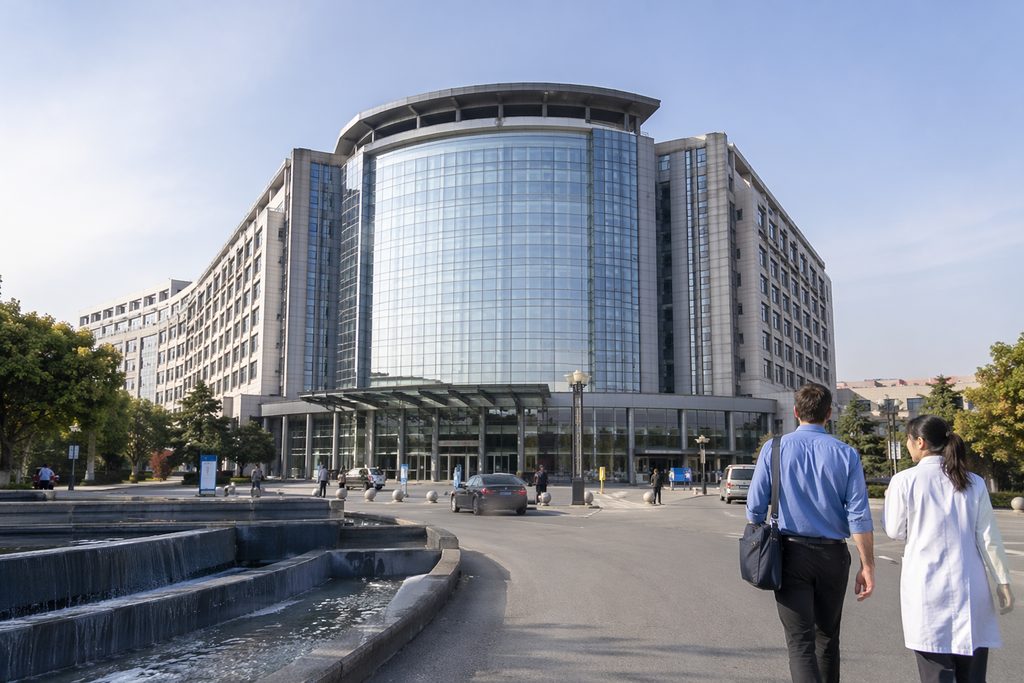
You’ve probably heard that getting treatment at a top Chinese military hospital is nearly impossible for foreigners. The reality is more nuanced. PLA General Hospital (also known as Chinese PLA General Hospital or 301 Hospital) does treat international patients, but the pathway looks different from what most Western patients expect. The PLA General Hospital urology price is often a fraction of what you’d pay in the US or Europe, yet the access rules, documentation requirements, and communication barriers are real. This guide breaks down what international patients actually face when seeking urology care at this institution.
PLA General Hospital Urology for International Patients: The Short Answer
Yes, international patients can receive urology care at PLA General Hospital. The hospital operates an International Medical Center that handles foreign patients, and its urology department is one of the largest in China. But you cannot simply email the department and book a surgery date. The standard public outpatient system at PLA General Hospital requires in-person registration and a face-to-face consultation before any surgical scheduling happens. For foreigners, the realistic route involves either the International Medical Center or a coordinated referral through a service that handles medical documentation and appointment logistics.
That’s the short answer. The longer version involves understanding where PLA General Hospital sits in China’s urology landscape, what it actually costs, and which conditions it handles best.
Who This Is Right For — and Who It Isn’t
PLA General Hospital urology makes sense for a specific profile of international patient. It is not the right fit for everyone.
Good candidates typically include:
– Patients with complex urological conditions requiring high-volume surgical expertise, such as robotic prostatectomy, complex stone disease, or reconstructive urology
– Patients who already have imaging, pathology reports, and a clear diagnosis from their home country
– Patients who are comfortable with a structured, protocol-driven hospital environment rather than a boutique private clinic
– Patients seeking significant cost savings compared to US or Western European pricing
– Patients who can commit to at least one in-person visit before any surgical scheduling
Who should think twice:
– Patients needing emergency urological intervention — this is not a medical evacuation service
– Patients who expect Western-style bedside manner and lengthy doctor-patient conversations
– Patients without complete medical records in English or Chinese
– Patients who cannot tolerate language barriers without a bilingual companion
– Patients whose condition is well-managed at home and whose primary motivation is curiosity rather than medical necessity
Being honest about fit matters. A patient with a straightforward kidney stone and a good local urologist probably doesn’t need to fly to Beijing. A patient with recurrent prostate cancer after failed local treatment might.
The Options, Compared
When international patients research urology surgery cost China, they usually compare three pathways: public hospital international departments, private international hospitals, and staying home. Here’s how the landscape looks.
| Factor | PLA General Hospital (International Dept) | Private International Hospital (Beijing) | US Hospital (Reference) |
|---|---|---|---|
| Robotic prostatectomy cost | $15,000–$25,000 | $30,000–$45,000 | $40,000–$70,000+ |
| Ureteroscopy with laser lithotripsy | $4,000–$7,000 | $8,000–$12,000 | $15,000–$25,000 |
| Language support | Limited English; bilingual companion recommended | English-speaking staff standard | Native English |
| Wait time for consultation | Days to 2 weeks (with coordination) | Days | Weeks to months |
| Payment model | Prepayment; insurance reimbursement after | Direct billing for many international insurers | Insurance-first |
| Physician seniority | Very high; national-level experts | High; often bilingual and Western-trained | High |
Which column suits which reader? If your priority is the absolute lowest price with access to China’s most experienced urologists, the international department route at PLA General Hospital wins. If you want the smoothest English-language experience and direct insurance billing, a private international hospital like United Family or Jiahui is more comfortable — at roughly double the price. And if your condition is stable, well-managed, and your local urologist is competent, staying home may be the right call.
Is PLA General Hospital Good for Foreigners? A Realistic Assessment
This question deserves more than a yes or no. The hospital’s clinical reputation is excellent. Its urology department performs a very high volume of robotic procedures annually. But “good for foreigners” depends on what you need beyond the operating room.
The International Medical Center at PLA General Hospital exists specifically for foreign and VIP patients. It offers expedited registration, English-speaking coordinators, and access to senior specialists. That said, the experience is not a Western private hospital experience. Expect shorter consultation times. Expect to be proactive about asking questions. Expect paperwork in Chinese that requires translation.
Also worth noting: PLA General Hospital is a military hospital. That means additional security at the gate, which can feel intimidating if you’re not prepared. It also means the hospital’s primary mission is serving Chinese military personnel and their families — international patients are accommodated, but they are not the priority. This shows up in scheduling flexibility and administrative friction.
Is it good for foreigners? Clinically, yes. Operationally, it requires more support than a private international hospital. Many patients find the trade-off worthwhile because the surgical expertise at PLA General Hospital urology is genuinely among the best in China, and the price difference is substantial.
How to Book Surgery at PLA General Hospital: The Realistic Pathway
There is no online booking portal for international surgical patients. The process works like this.
First, you need a confirmed diagnosis and complete records — imaging, lab results, pathology reports, and a summary letter from your home urologist. These must be translated into Chinese for the hospital’s review. Without this, no senior urologist will evaluate your case.
Second, you need an initial consultation. This can happen in one of two ways. The written second opinion route: your records go to the urology department for review, and a specialist provides a written assessment with treatment direction. This costs $300–500 and gives you a preliminary read on whether PLA General Hospital is even the right place for your case. Or the video consultation route: you speak directly with the urology team online, present your symptoms and goals, and hear their recommendations. This runs $500–800 for a top specialist.
Third, if the specialist confirms that your condition is treatable at PLA General Hospital, you travel to Beijing for an in-person consultation. This is mandatory before any surgery can be scheduled. The hospital will not book an operating room for a patient who has never been examined on-site.
Fourth, after the in-person consultation, the surgical team schedules your procedure. The timeline between consultation and surgery varies widely by department load and case complexity — anywhere from a few days to several weeks.
Throughout this process, a bilingual medical companion handles registration, queue management, payment, and translation. From $300 per day, this service transforms what would otherwise be a disorienting experience into something manageable. It does not guarantee a specific surgeon or surgery date — no legitimate service can — but it ensures your materials are complete, your appointments are coordinated, and you understand what’s happening at every step.
What It Costs: PLA General Hospital Urology Price Breakdown
The PLA General Hospital urology price varies significantly by procedure, channel, and case complexity. Here are realistic reference ranges for international patients going through the International Medical Center.
Robotic-assisted radical prostatectomy typically runs $15,000–$25,000. Percutaneous nephrolithotomy (PCNL) for complex kidney stones ranges from $6,000–$12,000. Ureteroscopy with laser lithotripsy falls between $4,000 and $7,000. Partial or radical nephrectomy for kidney tumors generally costs $12,000–$20,000.
These figures include the hospital stay, surgeon fees, anesthesia, and standard post-operative care. They do not include your flights, accommodation, visa fees, translation services, or any pre-operative testing done in your home country. They also don’t include complications — if your case becomes more complex mid-surgery, the price increases.
Compared to the US, where a robotic prostatectomy commonly exceeds $40,000 and can reach $70,000 at major academic centers, the savings are real. But they come with trade-offs: prepayment, insurance reimbursement after the fact, and the logistical burden of traveling for surgery.
Practical Considerations: Records, Visa, Payment, and Follow-Up
Documentation is the foundation. Chinese hospitals require complete, translated medical records before any senior specialist will review a case. This includes imaging on CD or cloud link, not just written reports. Radiology images from your home country are usually accepted if they’re recent and high-quality.
For the visa, medical travelers to China use the S2 visa, which is the short-stay category applied for private affairs including medical treatment. Your accompanying family members also apply for S2 visas. The hospital or your coordination service provides a supporting letter confirming your treatment arrangement. The M visa is for commercial and trade activities only — it has nothing to do with medical travel.
Payment at public hospitals in China, including PLA General Hospital’s International Medical Center, is prepayment. You deposit funds before admission, and charges are deducted as services are rendered. Most international insurance plans reimburse after the fact rather than paying the hospital directly. If you have a policy with international coverage, confirm the reimbursement process before you commit.
Language is the other major consideration. Even at the International Medical Center, not every nurse, technician, or administrative staff member speaks English. A bilingual companion who knows the hospital layout and processes saves hours of confusion and prevents costly misunderstandings about medication instructions or discharge protocols.
Follow-up after you return home is another factor. Chinese hospitals are generally responsive to post-operative questions via WeChat or email, but time zone differences and language barriers can complicate urgent concerns. Establish a clear communication channel with your surgical team before you leave Beijing, and make sure your home urologist receives a complete discharge summary in English.
Frequently Asked Questions
Foreigners can receive treatment at PLA General Hospital through its International Medical Center. The hospital serves a large domestic military patient population, which means international patients are not the priority and scheduling can be less flexible. But the pathway exists and is used regularly by patients from the Middle East, Southeast Asia, and Russia, among other regions.
For international patients going through the International Medical Center, a robotic-assisted radical prostatectomy typically costs between $15,000 and $25,000. This is roughly one-third to one-half of the US price. The exact figure depends on your case complexity, length of stay, and whether complications arise. Prepayment is required.
No, but you need a solution for the language barrier. The International Medical Center has some English-speaking coordinators, but most nursing and administrative staff communicate in Chinese. Many international patients hire a bilingual medical companion, which costs from $300 per day and covers translation, registration, payment, and wayfinding throughout the hospital.
Plan for at least two to three weeks. You’ll need a few days for the in-person consultation and pre-operative testing, then the surgery itself, then a hospital stay of typically five to ten days depending on the procedure, followed by a short recovery period before you’re cleared to fly. Complex procedures like cystectomy may require a longer stay.
This is a legitimate concern. Chinese hospitals provide discharge summaries and are generally responsive to follow-up questions, but you won’t have the same ease of access as with a local urologist. Before you leave Beijing, ensure your home urologist has your complete records and is willing to manage post-operative care. Some patients arrange a video follow-up with their Chinese surgical team if complications arise.
Your Next Step
PLA General Hospital urology offers elite surgical expertise at a price point that makes treatment accessible for many international patients who couldn’t afford equivalent care at home. But the pathway requires preparation, documentation, and on-the-ground support. That’s where we come in. China Medical Services is not a hospital and does not provide medical advice or diagnoses. We handle the logistics — record translation, appointment coordination, bilingual companionship, visa guidance — so you can focus on your health. If you’re considering urology treatment in China, start with a conversation. Request a free consultation and we’ll help you figure out whether PLA General Hospital is the right fit for your case.
For more medical information and treatment options in China, visit chinamedservices.com (China Medical Services).
