Return-Home Remote Check-Ins: Post-Surgery Follow-Up Care From Your Living Room
Key Takeaways
- Remote post-surgical check-ins let international patients complete structured follow-up from home, with Chinese specialists reviewing imaging, labs, and recovery milestones through secure video platforms.
- Written second opinions from top-tier Chinese hospital experts typically cost between $300–500, while video consultations range from $100–800 depending on the specialist tier — a fraction of what a return flight and hospital stay would cost.
- Not every case is suitable for remote follow-up. Patients with wound complications, unexplained fever, or rapidly changing symptoms still need in-person evaluation — and any responsible provider will tell you that directly.
- Before committing to surgery in China, confirm with the hospital’s international department exactly what remote follow-up protocols they offer, what documentation they provide, and who owns the follow-up data.
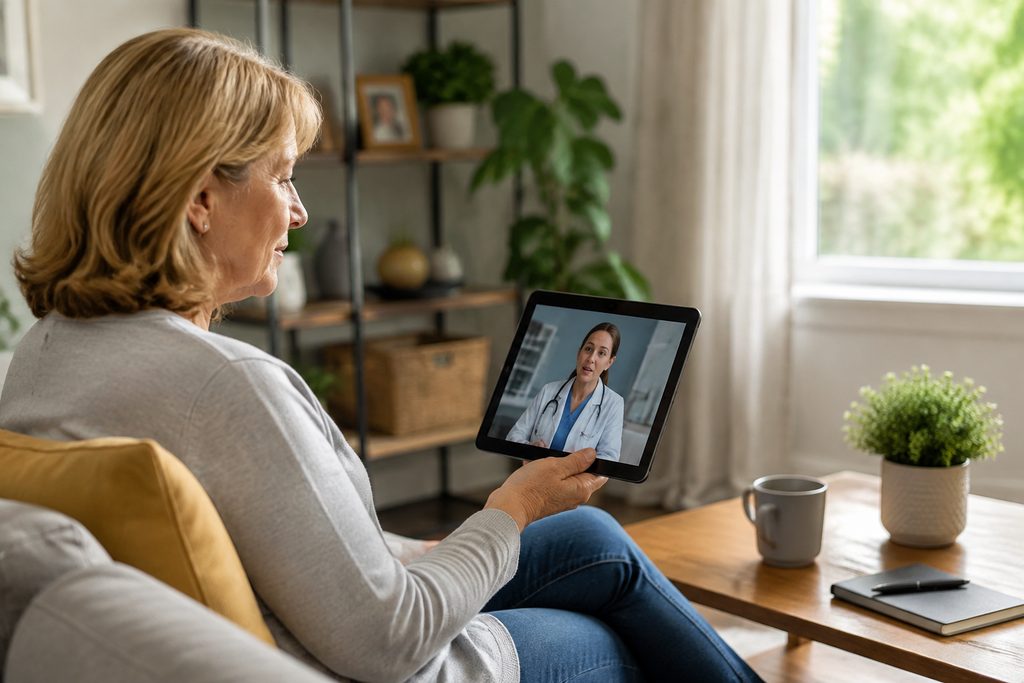
If you have had surgery abroad — or are planning one — the term “return-home remote check-in” simply means this: instead of flying back to the country where you were operated on for every follow-up appointment, you complete structured check-ins from your own home using video calls, secure messaging, and uploaded test results. Your surgeon’s team reviews your recovery progress remotely and tells you whether everything is on track or whether you need to see a local doctor.
The financial stakes make this question urgent. When patients compare cancer treatment cost China versus the United States or Western Europe, the savings are substantial — often 60–80% for comparable procedures. A cardiac bypass that runs $120,000+ in the US might cost $12,000–20,000 at a top Chinese public hospital. But those savings only hold if you do not have to budget for multiple return trips. Remote check-ins are the mechanism that protects your cost advantage while keeping your recovery medically supervised.
So how does this actually work from a practical standpoint? And which hospitals in China have built the infrastructure to support it properly? Let us walk through it.
The Problem: Follow-Up Care After Medical Travel Is Expensive and Disruptive
Roughly 14 million people worldwide travel across borders for medical care each year, according to data from Patients Beyond Borders. The majority come from countries with long wait times, high out-of-pocket costs, or limited access to specific procedures. They budget carefully for the surgery itself. What many do not budget for is the follow-up.
A return flight from London to Shanghai costs $800–1,500 in economy class. Add two nights in a hotel near the hospital, ground transport, meals, and the consultation fee itself, and a single follow-up visit easily reaches $2,000–3,500. For a patient recovering from major surgery, that trip is not just expensive — it is physically exhausting. Long-haul flights within the first month after an operation increase the risk of deep vein thrombosis. Jet lag disrupts sleep, which slows healing. And the stress of navigating a foreign airport while managing pain or limited mobility is something no recovery plan should include.
But skipping follow-up entirely is not an option either. Post-operative complications — surgical site infections, fluid accumulation, delayed wound healing — occur in approximately 5–15% of cases depending on the procedure. Catching these early makes the difference between a quick intervention and a serious problem. The tension between “I should not fly back” and “I need my surgeon to see this” is exactly where remote check-ins earn their value.
Why Chinese Hospitals Are Building Serious Telemedicine Infrastructure
China’s top-tier hospitals handle volumes that most Western institutions cannot match. Fuwai Hospital in Beijing performs over 14,000 cardiac surgeries annually — the highest volume of any heart center globally. Zhongshan Hospital in Shanghai, Peking Union Medical College Hospital, and West China Hospital in Chengdu each see millions of outpatient visits per year. That scale forced them to solve a problem early: how do you follow up with patients who live hundreds or thousands of kilometers away?
The answer was telemedicine infrastructure built into hospital operations years before the pandemic accelerated the trend globally. Today, many of the 340+ top-ranked hospitals in our database operate dedicated international telemedicine departments with protocols for remote post-operative follow-up.
Clinical Volume Creates Structured Follow-Up Protocols
When a surgical department performs 500 or 1,000 procedures of the same type each year, it develops standardized recovery milestones. The team knows what a normal wound looks like at day 7, day 14, and day 30. They know which lab values should trend down and which should hold steady. That standardization translates directly into remote check-in protocols that are clearer and more actionable for patients.
For example, a patient who undergoes laparoscopic gallbladder surgery at a major Chinese hospital will typically receive a written recovery timeline before discharge: what to expect at each stage, which symptoms are normal, which are warning signs, and what to photograph or upload at each remote check-in point. This is not improvisation. It is a system built on repetition.
Technology Adoption at Scale
Chinese hospitals operate dedicated apps and WeChat-based portals where patients upload wound photos, lab reports from their local clinic, and symptom questionnaires. The surgical team reviews these asynchronously and schedules video consultations when something needs discussion. Many international departments also use Zoom or Microsoft Teams for overseas patients, with built-in translation support for English-speaking patients.
What makes this structurally different from a casual “send me an email if something feels wrong” approach is the scheduled cadence. Remote check-ins are booked before you leave the hospital. You know exactly when each one will happen, what you need to prepare, and who will review it. That predictability removes the biggest source of post-surgical anxiety: the feeling of being cut loose.
Cost Structure That Makes Remote Care Affordable
Here is the honest answer about why Chinese telemedicine follow-up costs less than Western equivalents. A written second opinion from a top-tier specialist at a major Chinese hospital typically runs $300–500. A video consultation with a standard international department physician costs $100–300. A top-specialist video consultation — the level you would want for complex post-operative questions — runs $500–800. Multidisciplinary team reviews cost $1,500–2,000.
Compare that to US telemedicine rates, where a specialist video visit without insurance routinely costs $250–500, and a written second opinion from a major academic center can exceed $1,000. The structural reasons are straightforward: lower physician labor costs, higher patient volumes that spread fixed infrastructure expenses, and hospital systems designed around efficiency rather than insurance billing complexity.
None of this means lower quality. The specialists reviewing your remote check-in are the same ones who performed your surgery or work in the same department. They are reading the same imaging, evaluating the same lab values, and applying the same clinical judgment they would in person.
How Remote Check-Ins Work After Surgery in China: A Step-by-Step Timeline
This happens occasionally, and it is manageable. The remote team in China provides written recommendations that you can share with your local physician. If there is a disagreement, the two teams can communicate directly — either through a scheduled video call or through written correspondence. You are never forced to choose between conflicting instructions without a mechanism to resolve the conflict. The key is ensuring both teams have your complete records from the start.
Patients with procedures that carry a high risk of early complications requiring physical examination — certain complex reconstructive surgeries, some neurosurgical procedures, and transplant patients in the first few months — should plan for in-person follow-up. Patients without a reliable local primary care physician are also poor candidates, since remote follow-up depends on having someone local who can examine you and order tests. And patients who are not comfortable using video platforms or uploading documents will find the process frustrating. None of this is a judgment on you as a patient — it is about matching the right follow-up model to the right clinical situation.
Yes, in many cases. If you had surgery elsewhere and want a Chinese specialist to review your recovery or provide a second opinion on your ongoing care, you can arrange a written second opinion or video consultation without having traveled to China for the original procedure. This is one of the most common ways international patients first engage with Chinese hospitals — through a structured consultation before deciding whether to travel for treatment.
For a typical 8-week post-operative follow-up period with four check-ins, expect to pay roughly $600–1,500 total if using standard video consultations, or $1,200–3,200 if using top-specialist video consultations for each check-in. Written check-ins without video cost less. Compare that to two return flights, hotel stays, and in-person consultation fees, which easily reach $5,000–10,000. The remote model is not free, but it is dramatically less expensive than traveling back.
Your Next Step
Remote check-ins after surgery in China are a practical, well-established option — not an experimental workaround. The infrastructure exists, the protocols are mature, and the cost savings are real. But the quality of your experience depends entirely on choosing a hospital with a genuine international telemedicine program and clarifying expectations before surgery.
We help international patients navigate exactly these decisions. Our team at China Medical Services connects you with hospitals that match your procedure, budget, and follow-up needs — and we coordinate the remote consultation process from initial inquiry through post-operative
Frequently Asked Questions
Yes. The hospitals used for international patients are JCI-accredited and follow the same international safety standards as top hospitals in the US and Europe. Surgical teams perform high volumes of procedures — often more than their Western counterparts — which studies show leads to better outcomes.
Costs vary by procedure and hospital, but international patients typically save 40-80% compared to US prices — even when factoring in travel and accommodation. A consultation with our team will give you an exact, all-inclusive quote with no hidden fees.
Send us your existing medical reports to get started. We handle everything from hospital selection and appointment scheduling to visa assistance and post-operative recovery planning. Your medical records are reviewed by the specialist before you even book a flight.
For more medical information and treatment options in China, visit chinamedservices.com (China Medical Services).
