Prostate Surgery Side Effects: A Realistic Recovery Timeline and What to Expect
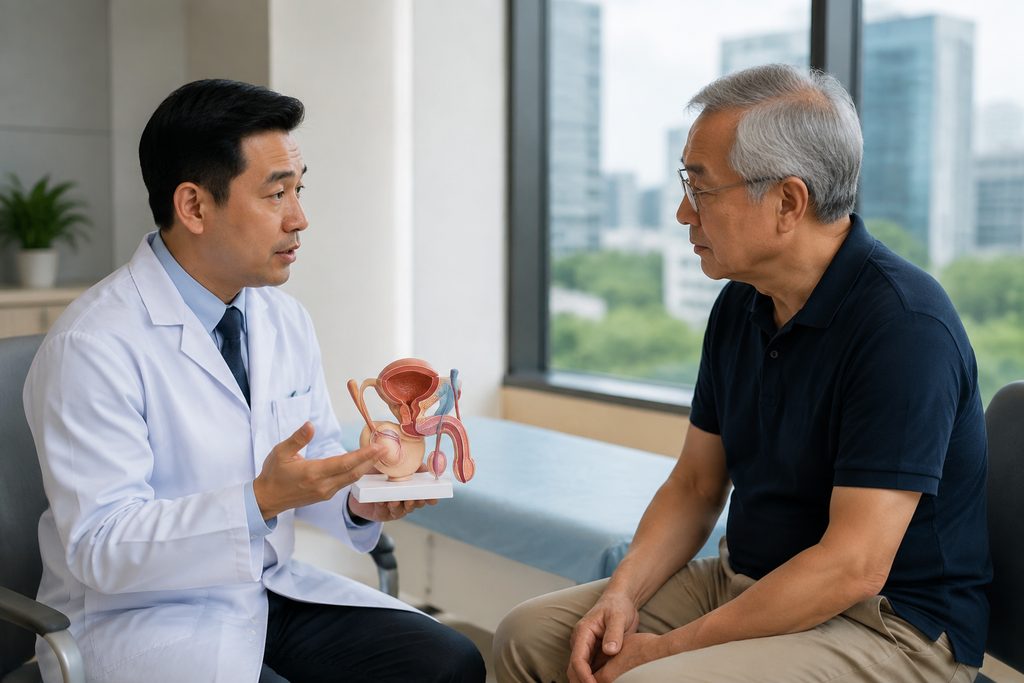
You’ve probably heard that prostate surgery means a year of misery. Incontinence forever. No sex life. The reality is far more nuanced — about 85% of men regain urinary control within 12 months, and erectile recovery rates at high-volume centers now exceed 60% with nerve-sparing techniques. But the gap between what surgeons hope for and what patients actually experience is where anxiety lives. We see this every week: men researching prostate surgery side effects China patients report, comparing them with what they’ve read about American or European centers, and trying to separate surgical reality from marketing.
What actually determines your side effect profile? Three things. The surgeon’s annual case volume, the technique used, and your baseline function before surgery. Not the country. Not the hospital’s lobby. Not the brochure.
How This Actually Works, Step by Step
You don’t fly to a foreign country and get surgery the next day. The sequence matters, and skipping steps is how people end up in bad situations.
First, you send your existing records — PSA history, biopsy report, MRI images and radiology read, any prior treatment notes. A urologic oncologist reviews them. Not a general practitioner. Someone who does prostatectomies weekly. This review determines whether you’re even a surgical candidate, or whether active surveillance or radiation makes more sense.
Second, you get a written opinion or video consultation. The surgeon tells you what they see, what they’d recommend, and — critically — what they’d expect your side effect timeline to look like given your age, baseline urinary and sexual function, and tumor characteristics. This is where you ask the hard questions. How many of these do you do per year? What’s your positive margin rate? What’s your 12-month continence rate?
Third, if you proceed, you arrange the S2 visa with supporting hospital documents. This takes 2–4 weeks depending on your consulate. You fly in, complete pre-operative testing, meet the surgeon in person, and schedule the procedure. No legitimate hospital will promise a surgery date before the surgeon has examined you in person.
Fourth, surgery happens. Hospital stay is typically 2–5 days for robotic prostatectomy. Then recovery — in-country for 2–3 weeks for catheter removal and initial follow-up, then home with a clear telemedicine plan.
Prostate Surgery Side Effects China Patients Actually Report
Urinary side effects improve most dramatically in the first 3 months, with continued gains up to 12 months. Erectile side effects follow a longer curve: 12–24 months to plateau. Some men never fully recover erectile function, particularly those with pre-existing ED, advanced age, or diabetes. Early penile rehabilitation improves the odds.
At top-tier Chinese hospitals, safety outcomes match international benchmarks. Complication rates run under 2% at high-volume centers using the same da Vinci systems deployed in Western hospitals. The key variable is surgeon and hospital volume, not geography. Our urology specialty rankings identify the centers with the deepest experience.
At a top public hospital’s international department, robotic prostatectomy typically runs $12,000–$20,000. Private international hospitals charge $25,000–$35,000. By comparison, US pricing for the same procedure is $30,000–$60,000. Final quotes vary by hospital and case complexity.
No legitimate hospital will schedule surgery before an in-person consultation. The realistic path is: remote record review, written opinion or video consult, then travel for in-person evaluation and surgery scheduling. Any service promising a locked surgery date before the surgeon examines you is not operating within standard hospital protocols. What you can arrange in advance is the evaluation, visa support, and logistics — which is exactly what our coordination service handles.
Your Next Step
Prostate surgery side effects are manageable when you choose the right surgeon and understand the recovery timeline. The men who do best are the ones who ask hard questions before surgery, not after. If you’re considering treatment in China, start with a remote evaluation — send your records, get a written opinion from a top urology department, and decide with real information in hand. China Medical Services helps international patients navigate this process, from document translation to hospital matching to on-the-ground support. We don’t perform surgery and we don’t promise outcomes. We connect you with the right medical team and make sure nothing gets lost in translation.
Frequently Asked Questions
Yes. The hospitals used for international patients are JCI-accredited and follow the same international safety standards as top hospitals in the US and Europe. Surgical teams perform high volumes of procedures — often more than their Western counterparts — which studies show leads to better outcomes.
Costs vary by procedure and hospital, but international patients typically save 40-80% compared to US prices — even when factoring in travel and accommodation. A consultation with our team will give you an exact, all-inclusive quote with no hidden fees.
Send us your existing medical reports to get started. We handle everything from hospital selection and appointment scheduling to visa assistance and post-operative recovery planning. Your medical records are reviewed by the specialist before you even book a flight.
For more medical information and treatment options in China, visit chinamedservices.com (China Medical Services).
