Remote Second Opinion Documents: Your Complete Checklist for Chinese Hospitals
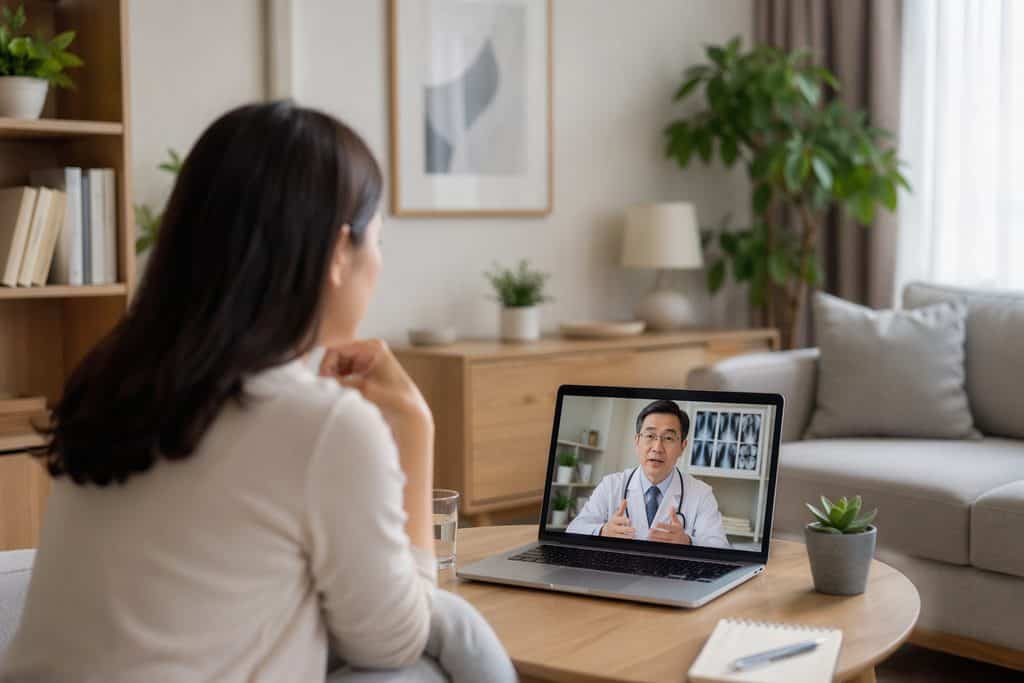
Remote Second Opinion Documents: The Short Answer
You need a complete set of medical records before any Chinese specialist will review your case. Expect to gather imaging files (DICOM format), pathology slides or reports, recent lab results, a current medication list, and a concise clinical summary. Without these, the remote second opinion cost in China buys you nothing but a polite request for more paperwork.
The hard part isn’t finding a hospital. It’s assembling records that translate cleanly across languages and medical systems. A missing CD-ROM of CT scans or an illegible discharge summary delays the whole process by weeks. We see it constantly.
Who This Is Right For — and Who It Isn’t
A remote second opinion from a Chinese specialist makes sense in specific situations. You want confirmation of a complex diagnosis, a fresh look at treatment sequencing, or access to techniques that are routine in China but less common where you live.
Good candidates typically include:
- Patients with a recent cancer diagnosis who want a second read on pathology or staging.
- People considering surgery for cardiac, orthopedic, or neurological conditions where Chinese hospitals perform very high volumes.
- Those with rare or refractory diseases who have exhausted local options.
- Patients weighing a costly procedure and seeking input before committing.
But remote review is not for everyone. If you need emergency intervention, do not wait for a written opinion. If your records are fragmented across three clinics and two countries, expect delays. And if you’re looking for a prescription or a guaranteed admission, a remote consultation will not deliver that. Chinese specialists provide analysis and direction — not treatment orders.
The Options, Compared
How you get a second opinion from China determines what you pay and what you receive. The table below breaks down the genuine alternatives.
| Service Type | What You Send | What You Receive | Typical Price Range | Turnaround |
|---|---|---|---|---|
| Written Second Opinion (Top Hospital) | Full records package | Written analysis, treatment suggestions | $300–500 | 5–10 business days |
| Video Consultation (Standard International Dept) | Records plus live discussion | Face-to-face recommendations | $100–300 | 3–7 days to schedule |
| Top-Specialist Video Consultation | Records plus specific questions | Direct dialogue with senior expert | $500–800 | 1–2 weeks to schedule |
| Multidisciplinary Team (MDT) Review | Complete records, often tumor board format | Coordinated opinion from multiple departments | $1,500–2,000 | 2–3 weeks |
A written opinion suits patients who want a documented analysis to share with their local oncologist. Video consultations work better when you have specific questions about symptoms or treatment goals. The MDT route matters for complex cancers where surgery, radiation, and medical oncology need to align. Pick based on how much interaction you actually need.
What Documents Needed for Second Opinion Abroad: The Complete List
Most will, especially if the opinion comes from a Fudan-ranked hospital or a specialist with high procedure volumes. The report is a document for discussion, not a prescription. Bring it to your next appointment and let your local team weigh it. If they dismiss it without reading, that’s a signal worth examining.
Disagreement is the point of a second opinion. You’ll receive a written rationale for any alternative approach. Then you decide — with your local physician — what to do. No one in China will pressure you to switch care. The decision remains yours.
Yes. The entire remote process — document submission, specialist review, written report or video call — happens without you entering China. Many patients complete the full second opinion cycle from home. Travel only becomes relevant if you later choose to pursue treatment in person.
At $300–500 for a written opinion from a top-tier Chinese specialist, you’re paying roughly half to one-third of what a comparable US academic center charges. The value depends on your case. For conditions where Chinese hospitals have unusually high volumes — certain cancers, cardiac procedures, orthopedic surgeries — the perspective can be genuinely different.
Your Next Step
You came looking for a document checklist. You now have it. The remote second opinion cost in China is transparent, the document requirements are specific, and the process is manageable with the right preparation.
We are China Medical Services, a coordination team that connects international patients with 340+ top-ranked hospitals across 37 Chinese cities. We are not a hospital and we do not provide diagnoses. What we do is make sure your records reach the right specialist, in the right format, with a complete translation — and that the response you get back is clear and actionable. If you want help assembling your document package or matching your case to the right department, start with a free consultation at our patient services page.
Prepare your records carefully. The quality of the answer you get depends on it.
Frequently Asked Questions
Yes. The hospitals used for international patients are JCI-accredited and follow the same international safety standards as top hospitals in the US and Europe. Surgical teams perform high volumes of procedures — often more than their Western counterparts — which studies show leads to better outcomes.
Costs vary by procedure and hospital, but international patients typically save 40-80% compared to US prices — even when factoring in travel and accommodation. A consultation with our team will give you an exact, all-inclusive quote with no hidden fees.
Send us your existing medical reports to get started. We handle everything from hospital selection and appointment scheduling to visa assistance and post-operative recovery planning. Your medical records are reviewed by the specialist before you even book a flight.
For more medical information and treatment options in China, visit chinamedservices.com (China Medical Services).
