Remote Second Opinion: How It Saves a Trip to China
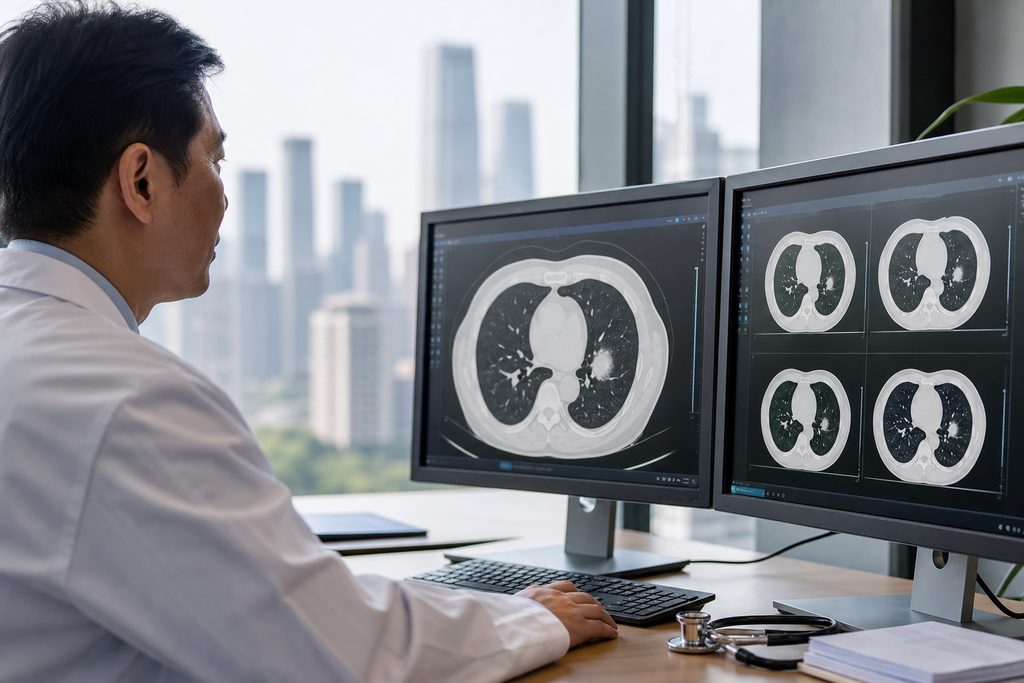
When 42-year-old Michael first heard the diagnosis, he had no idea where to start looking for treatment. A father of two from Manchester, he’d been told he needed a complex cardiac procedure. His local hospital quoted a six-month wait. A friend mentioned a top cardiac center in Beijing. But flying across the world for a first conversation? With no guarantee the Chinese team would even accept his case? That felt like a gamble. Michael’s question was simple: can I get a real answer without getting on a plane? The short answer is yes. A remote second opinion cost China typically ranges from $300 to $800, and it can replace an initial exploratory trip entirely. Here’s how that works, what you actually send, what comes back, and where the limits are.
How This Actually Works, Step by Step
The process is more structured than most patients expect. It’s not a casual email exchange. It’s a formal review of your existing medical records by a Chinese specialist team, coordinated through an official hospital channel.
Step one: you gather what you already have. That means your latest imaging — CT scans, MRI, PET-CT — in DICOM format if possible. Plus pathology reports, blood work, surgical notes, and a summary of your current treatment plan. You don’t need to translate anything yourself. The coordination team handles medical translation into Chinese, which is a critical step most people overlook. A poorly translated pathology report can lead to a wrong assessment.
Step two: the relevant department reviews your file. For Michael, that was the cardiac surgery team. For an oncology case, it would be a tumor board or a senior oncologist. The review typically takes 5 to 10 working days after all documents are received and translated. You’re not talking to a general practitioner. You’re getting a written analysis from a specialist at a hospital ranked in China’s top tier.
Step three: you receive a written second opinion. This document covers the diagnosis confirmation, whether the proposed treatment plan is appropriate, what alternative approaches exist, and whether the Chinese team believes they can offer something meaningfully different. It’s for reference only — not a prescription. But it tells you whether traveling to China is even worth considering.
Step four: if you want more, you can upgrade to a video consultation. That’s where you actually speak with the specialist, ask questions, and hear their reasoning in real time. For many patients, the written opinion is enough to make a go/no-go decision.
What a Remote Second Opinion Actually Replaces
For an initial assessment, yes. A remote review can confirm or refine your diagnosis using existing records. But for a new diagnosis that requires fresh imaging or biopsy, you cannot fully avoid travel. The remote opinion tells you whether travel is likely to be productive. It does not replace an in-person pre-surgical evaluation, which every reputable Chinese hospital requires before scheduling a major procedure.
A written second opinion from a top-tier specialist typically costs $300 to $500, including professional medical translation and a written report. Video consultations with senior experts run $500 to $800. A full international second opinion package China price — translation, written review, and a follow-up video call — usually falls between $800 and $1,500. Multidisciplinary team reviews cost more. Verify what’s included before paying.
Directly contacting a Chinese public hospital’s international department is possible but often slow. Response times can stretch to weeks, and language barriers complicate the process. A coordination service handles document translation, hospital communication, and follow-up on your behalf. The hospital still performs the medical review — the service just manages the logistics. Expect the process to take 3 to 6 weeks from submission to written opinion.
No. A written remote opinion is for reference only. It is not a prescription, not a treatment order, and not a guarantee of admission. It represents the specialist team’s assessment based on the records you provided. If records are incomplete or outdated, the opinion’s reliability decreases. Any treatment decision should be made with your local physician and, if you travel, after an in-person evaluation at the Chinese hospital.
Your Next Step
A remote second opinion is the most cost-effective first step an international patient can take. It costs a few hundred dollars and can save you thousands in unnecessary travel — or give you the confidence to book the trip knowing it’s worthwhile. Our team at China Medical Services coordinates remote reviews with 340+ top-ranked hospitals across 37 Chinese cities. We don’t provide medical advice, and we don’t guarantee outcomes. What we do is handle the translation, hospital communication, and coordination so you get a real answer from the right specialist. If you’re weighing whether China is worth the trip, start with a free consultation to discuss your case and what a remote review would involve.
Michael never made that first exploratory trip. His remote review confirmed the Beijing team could perform the procedure, and he flew out six weeks later for a pre-surgical evaluation. The remote step cost him $500. It saved him a $4,000 trip that would have ended in the same conclusion — just with more jet lag. That’s the point.
Frequently Asked Questions
Yes. The hospitals used for international patients are JCI-accredited and follow the same international safety standards as top hospitals in the US and Europe. Surgical teams perform high volumes of procedures — often more than their Western counterparts — which studies show leads to better outcomes.
Costs vary by procedure and hospital, but international patients typically save 40-80% compared to US prices — even when factoring in travel and accommodation. A consultation with our team will give you an exact, all-inclusive quote with no hidden fees.
Send us your existing medical reports to get started. We handle everything from hospital selection and appointment scheduling to visa assistance and post-operative recovery planning. Your medical records are reviewed by the specialist before you even book a flight.
For more medical information and treatment options in China, visit chinamedservices.com (China Medical Services).
