Renji Hospital Autoimmune Care: Costs, Specialists & Booking for International Patients
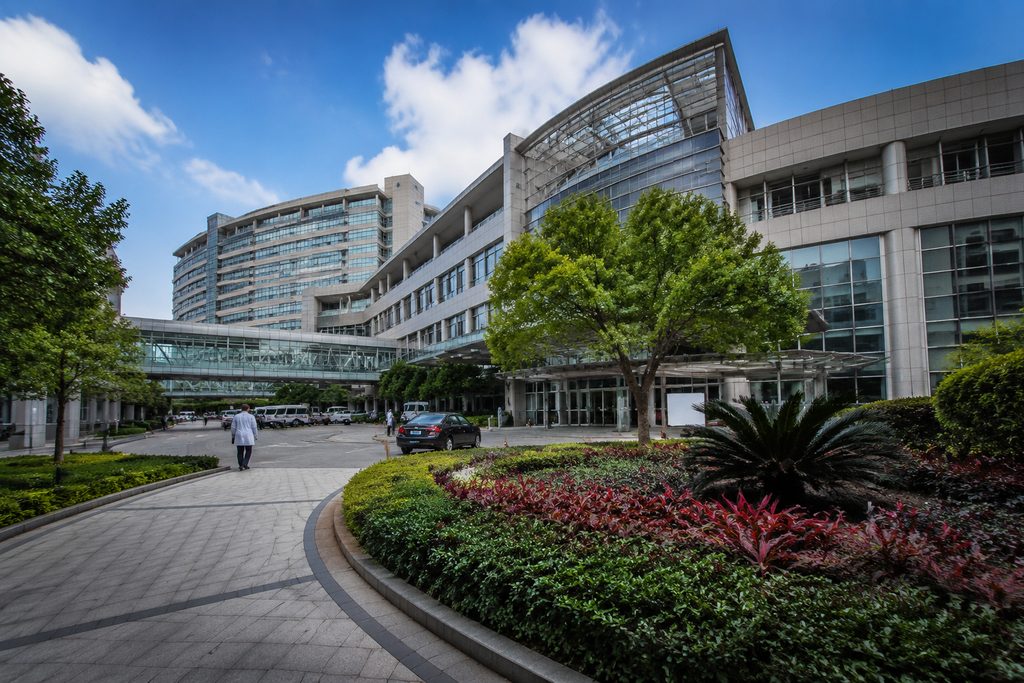
Renji Hospital Autoimmune Disease Treatment Cost: The Short Answer
The Renji Hospital autoimmune disease treatment cost for international patients typically ranges from $800 to $3,500 for initial diagnosis and a three-month medication plan, depending on whether you use the standard outpatient clinic or the hospital’s international VIP department. That figure excludes biologic therapies, which can push annual costs to $15,000–$40,000 depending on the specific drug and dosing schedule.
But that one-line answer hides a more complicated reality. Autoimmune disease is not one condition — it’s a family of more than 80 distinct disorders, from lupus to rheumatoid arthritis to vasculitis. Renji’s rheumatology department manages all of them, but your actual cost depends heavily on which disease you have, how advanced it is, and whether you need inpatient care or can be managed on an outpatient basis.
While patients in the United States routinely face $3,000–$6,000 just for a first rheumatology consultation and diagnostic panel at an academic center, the same workup at Renji Hospital’s international department typically costs $500–$1,200. For patients in the UK waiting 18–24 weeks for a first NHS rheumatology appointment, Shanghai offers a fundamentally different timeline: most international patients at Renji are seen within 5–10 business days of submitting records.
Who This Is Right For — and Who It Isn’t
Renji Hospital’s rheumatology and immunology department is one of the largest in Asia, handling over 300,000 outpatient visits annually. That scale creates genuine advantages for certain patients. But it is not the right fit for everyone.
Good candidates for Renji autoimmune care include:
- Patients with a confirmed or strongly suspected autoimmune diagnosis who need a second opinion from a high-volume specialist center
- Those whose disease has been difficult to control on standard therapies and want evaluation for advanced options including biologic agents or targeted small-molecule drugs
- International patients already living in Asia or those willing to travel for a comprehensive evaluation and treatment plan they can continue at home
- Patients facing long wait times in their home country whose disease is active and progressing
- Cost-sensitive patients who have been quoted biologic therapy prices in the US or Europe and want to understand Chinese pricing for the same drugs
Who should think twice:
- Patients in an acute flare requiring emergency hospitalization — travel during a severe flare is risky, and you should stabilize locally first
- Those with multiple complex comorbidities requiring coordination across many specialties — Renji can handle this, but the logistics are heavier
- Patients who cannot commit to at least one follow-up visit or remote consultation after returning home, since autoimmune treatment requires ongoing monitoring
- Anyone expecting a guaranteed cure — autoimmune diseases are managed, not cured, and any provider promising otherwise should be avoided
Is Renji Hospital Good for Rheumatoid Arthritis? The Options, Compared
The short answer is yes — Renji’s rheumatology department has been ranked among China’s top three rheumatology programs in the Fudan University hospital rankings for over a decade. The department runs dedicated clinics for rheumatoid arthritis, systemic lupus erythematosus, scleroderma, myositis, and vasculitis, each staffed by specialists who see only that disease category. That sub-specialization is rare even at major Western centers.
But how does Renji compare to other options for autoimmune care? The table below breaks down the realistic alternatives.
| Option | First Consultation Cost | Time to First Appointment | Biologic Therapy Annual Cost (e.g., Adalimumab) | English-Speaking Staff |
|---|---|---|---|---|
| Renji Hospital — Standard Outpatient | $50–$150 | Same-day registration, 2–4 hour wait | $6,000–$12,000 (domestic biosimilars) | Limited — interpreter needed |
| Renji Hospital — International/VIP Department | $300–$800 | 5–10 business days with coordination | $8,000–$15,000 (imported or domestic biologics) | Yes — dedicated international staff |
| Private International Hospital in Shanghai (e.g., Jiahui, United Family) | $400–$1,000 | 3–7 business days | $12,000–$20,000 | Yes — fully English-speaking |
| US Academic Rheumatology Center | $3,000–$6,000 | 4–12 weeks | $50,000–$80,000 (brand-name biologics) | Yes |
| UK NHS Rheumatology | Free at point of care | 18–24 weeks for first appointment | NHS-covered, but access to biologics is restricted by NICE criteria | Yes |
Which column fits you depends on what you’re optimizing for. If pure cost is the driver and you have someone to help you navigate the Chinese system, the standard outpatient route at Renji is remarkably affordable. If you need English-language support and a smoother experience, the international department is still far cheaper than US private care. The private international hospitals in Shanghai offer the most Western-style experience but at a premium — and they generally do not have the same depth of rheumatology sub-specialization that Renji does.
Best Hospital in Shanghai for Lupus Treatment: Why Renji Leads
For lupus specifically, Renji Hospital operates one of the largest lupus cohorts in the world. The department follows more than 20,000 lupus patients longitudinally, giving its clinicians exposure to rare presentations and treatment-resistant cases that smaller centers see only occasionally. That volume translates into pattern recognition — the ability to spot atypical disease manifestations early.
Renji’s lupus clinic also participates in multiple international clinical trials for novel therapies, including belimumab, anifrolumab, and several investigational agents. For a patient whose lupus has not responded to hydroxychloroquine and standard immunosuppressants, access to a center actively running these trials can mean access to therapies that are not yet available in many countries.
But the real differentiator is the integrated approach. Renji’s rheumatology department works closely with the hospital’s nephrology, dermatology, and obstetrics departments — critical for lupus, which frequently affects the kidneys and complicates pregnancy. A lupus patient at Renji can see a rheumatologist, nephrologist, and high-risk obstetrician in the same building, often on the same day. That coordination is genuinely difficult to replicate at most Western centers, where cross-specialty referrals take weeks or months.
What Autoimmune Treatment Costs in China: A Realistic Breakdown
Understanding how much autoimmune treatment costs in China requires separating diagnosis from ongoing therapy. Here’s what international patients should expect at Renji’s international department.
Initial diagnostic workup: $500–$1,200. This typically includes comprehensive blood work (ANA, anti-dsDNA, rheumatoid factor, anti-CCP, inflammatory markers, complement levels), urinalysis, and imaging if indicated (joint ultrasound, chest X-ray, or echocardiogram).
First specialist consultation: $300–$800 for a senior rheumatologist in the international department. Standard outpatient consultation with a senior specialist costs $50–$150 but requires Chinese language skills or an interpreter.
Ongoing medication costs (monthly):
- Hydroxychloroquine: $10–$30
- Methotrexate: $15–$40
- Prednisone: $5–$15
- Mycophenolate mofetil: $80–$200
- Leflunomide: $40–$100
- Biologic agents (adalimumab, etanercept, tocilizumab): $500–$1,500 per dose depending on drug and whether domestic biosimilar or imported originator
What drives the variance? The single biggest factor is whether you need biologic therapy. Conventional disease-modifying drugs are inexpensive in China — often cheaper than in the US or Europe. Biologics are where costs concentrate. China’s domestic biosimilar industry has driven down prices significantly: adalimumab biosimilars in China cost roughly 60–70% less than the originator drug in the US. But if your disease requires an imported originator biologic, the price gap narrows considerably.
How to Book an Appointment at Renji Hospital’s Rheumatology Department
Here’s the honest reality: you cannot book a Renji Hospital rheumatology appointment online from overseas through the hospital’s standard system. The standard registration platform requires a Chinese phone number, a Chinese ID or passport verified in person, and payment through Chinese digital wallets. For most international patients, this is a genuine barrier.
The workable paths are:
- Use the international department directly. Renji’s international medical center accepts overseas patients and can be contacted by email or phone. You’ll need to send your medical records, passport copy, and a brief description of your condition. They will schedule a consultation, typically within 5–10 business days.
- Work with a coordination service. Organizations like China Medical Services handle the logistics — record translation, appointment scheduling through the international department, and on-the-ground support. This is the path most foreign patients choose because it removes the language and administrative friction.
- Walk in as a standard outpatient. You can register in person at Renji’s rheumatology clinic on the day of your visit. But you’ll need to arrive early (before 7 AM), queue for registration, and navigate the entire visit in Chinese. Without language support, this is extremely difficult for most international patients.
One more thing worth knowing: Renji’s rheumatology department sees enormous daily patient volume. The standard outpatient clinic can see 500–800 rheumatology patients per day. That’s not an exaggeration. The international department operates separately with scheduled appointments and far lower volume, which is why the cost is higher — you’re paying for time, language support, and a less crowded experience.
Practical Considerations: Records, Visas, and Follow-Up
Before you book anything, gather your medical records. Renji’s rheumatologists will want to see:
- All previous rheumatology consultation notes and discharge summaries
- Complete laboratory results from the last 6–12 months, including autoimmune antibody panels
- Imaging reports and actual images (X-rays, ultrasounds, MRIs) on CD or USB
- Current medication list with dosages
- A summary of what treatments you’ve tried and how you responded
Records in English are generally acceptable, though Chinese translations speed up the review process. If you’re working with a coordination service, they’ll typically handle translation.
For the visa: medical treatment in China falls under the S2 visa category, which covers short-term private affairs including medical treatment. Your accompanying family members also apply for S2 visas. You’ll need an invitation letter from Renji Hospital or documentation confirming your appointment, plus standard visa application materials. Processing times vary by country but typically run 1–4 weeks. The S2 visa is not a medical visa per se — China does not issue a dedicated medical visa — but it is the appropriate category for treatment visits under 180 days.
Payment: Renji’s international department accepts international credit cards and cash. The standard outpatient department generally requires payment through Chinese digital platforms (WeChat Pay, Alipay) or a Chinese bank card, which is another reason international patients gravitate toward the international department. Most international health insurance plans will reimburse treatment costs at Renji, but you’ll pay upfront and file for reimbursement — direct billing is rare at Chinese public hospitals, even in the international department.
Frequently Asked Questions
Yes, for most patients. Renji’s rheumatology department sees more rheumatoid arthritis patients in a month than most Western academic centers see in a year. That volume drives clinical experience, particularly with treatment-resistant disease and biologic therapy management. The department’s outcomes data on biologic-treated RA patients has been published in international peer-reviewed journals. What Renji lacks compared to top Western centers is not clinical expertise but rather the convenience of a fully English-speaking environment throughout the entire hospital — the international department solves this, at a higher cost.
For conventional therapy, expect to pay 70–80% less in China than in the US. For biologic therapy, the gap is narrower — typically 40–60% less if you use Chinese biosimilars, but only 10–20% less if you require imported originator biologics. The consultation and diagnostic costs are where the savings are most dramatic: a comprehensive autoimmune workup that costs $3,000–$6,000 in the US runs $500–$1,200 at Renji’s international department.
Not through the hospital’s standard system. The standard registration platform requires Chinese credentials. Your options are to contact the international department directly by email, or to work with a coordination service that handles the booking for you. Either way, you’ll need to send your medical records for review before an appointment is confirmed. Walk-in registration is possible but impractical for international patients without Chinese language support.
Renji’s rheumatology department has an inpatient ward dedicated to autoimmune disease, and the emergency department is equipped to handle acute flares. If you’re admitted through the international department, you’ll have English-speaking coordination throughout your stay. Inpatient costs for a typical flare admission (3–7 days) run $3,000–$10,000 depending on severity and whether biologic rescue therapy is needed. Your travel insurance or international health insurance should cover this, but confirm before you travel.
Generally yes, but it depends on the relationship. Renji’s rheumatologists routinely write detailed treatment summaries in English for international patients, including medication plans, monitoring schedules, and criteria for escalation or de-escalation. Most Western rheumatologists will accept these plans, particularly when they come from a center of Renji’s stature. The key is continuity: schedule a follow-up with your home rheumatologist within 4–6 weeks of returning, and bring the written treatment summary with you.
Your Next Step
Renji Hospital offers something genuinely rare: a rheumatology department with world-class clinical volume, sub-specialized lupus and RA clinics, and prices that undercut Western private care by a wide margin. The trade-off is logistical complexity — language, booking, records, and visa paperwork that most patients cannot manage alone.
That’s where we come in. China Medical Services helps international patients navigate Chinese healthcare — we’re not a hospital, we don’t diagnose or treat, and we don’t promise outcomes. What we do is handle the practical work: record translation, appointment coordination through Renji’s international department, bilingual accompaniment during your visit, and visa guidance. If you’re considering Renji for autoimmune care, start with a free consultation to discuss your situation and whether this path makes sense for you.
Autoimmune disease is complex enough. Getting care for it shouldn’t be harder than it needs to be.
For more medical information and treatment options in China, visit chinamedservices.com (China Medical Services).
