What Retainers Cost in China: A Complete 2025 Price and Safety Guide
What Retainers Cost in China: A Complete 2025 Price and Safety Guide
A single orthodontic retainer in the United States typically runs between $300 and $800, and that is just for one arch. In China, the same vacuum-formed Essix-style retainer often costs between $80 and $400 depending on the city, the clinic tier, and whether you need a fixed bonded wire instead. That gap — roughly 60% to 75% lower — is why so many international patients now ask us about retainers cost China before they even book a flight. This guide breaks down real price ranges, explains why the numbers vary so much, and shows you how to get quality dental work done safely in a Chinese city.
We are a medical concierge team, not dentists. Our job is to connect you with the right hospital or clinic and handle the logistics that trip up most foreign patients — language, appointments, payment, and follow-up. Everything below is educational. For your specific case, you need a licensed orthodontist or dentist.
How This Actually Works, Step by Step
Getting a retainer made in China is not complicated, but the sequence matters. Here is the real path from your first search to a retainer in your hand.
Step 1 — You send us your records. If you already had braces or aligners, you likely have a treatment summary, panoramic X-ray, or intraoral scans. Send those. If you do not have them, that is fine — most clinics will take new impressions or a digital scan on site.
Step 2 — We identify the right clinic tier. You have three realistic options. A public tertiary hospital’s stomatology department, a private international dental clinic with English-speaking staff, or a specialized orthodontic practice. Each has a different price point and a different booking process. We match you based on your budget, city, and how quickly you need the retainer.
Step 3 — We coordinate the appointment. Public hospital dental departments in China generally do not allow foreigners to book a specific specialist slot from overseas. You show up, queue, and take what is available that day. Private international clinics do allow advance booking, often within 3–7 days. We handle the registration, the medical card creation, and the confirmation.
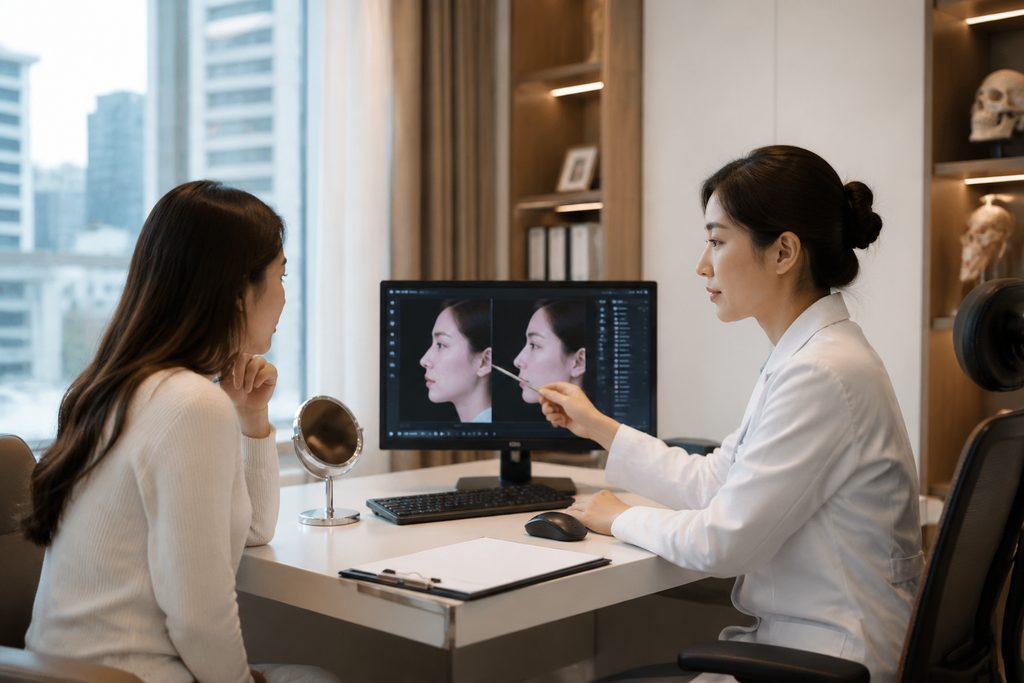
Step 4 — You attend the appointment. The orthodontist examines your teeth, confirms whether you need a removable retainer, a fixed wire, or both, and takes impressions or a digital scan. This visit usually takes 30–45 minutes.
Step 5 — The retainer is fabricated. Most clinics turn around a removable retainer in 3–7 business days. Some express options exist at higher cost. You return for a fitting, and the dentist adjusts it on the spot.
Step 6 — Payment and follow-up. Public hospitals require prepayment; you claim back from insurance later. Private international clinics often bill your insurer directly. We give you a written cost estimate before you commit to anything.
Why Retainers Cost China Prices Are So Much Lower Than Western Prices
The price difference is not a quality difference. It comes down to three structural factors.
Labor and overhead. A dental laboratory technician in Shanghai earns a fraction of what a comparable technician earns in New York or London. The materials — the same PETG plastic sheets, the same 3D printers, the same stainless steel wire — cost roughly the same worldwide. So the finished retainer costs less because the labor to produce it costs less.
Volume. China has over 35,000 hospitals and a massive domestic orthodontic market. High patient volume means labs run efficiently. A single large dental lab in Guangzhou may produce thousands of retainers per week.
Competition. In any major Chinese city, you will find dozens of orthodontic clinics within a few kilometers. That competition keeps prices honest. A clinic that overcharges simply loses patients to the one down the street.
| Retainer Type | Typical China Price (USD) | Typical US Price (USD) | Typical UK Price (GBP) |
|---|---|---|---|
| Removable Hawley (wire and acrylic) | $80 – $200 | $250 – $500 | £150 – £350 |
| Vacuum-formed Essix (clear plastic) | $100 – $300 | $300 – $800 | £200 – £450 |
| Fixed bonded wire retainer | $150 – $400 | $400 – $1,000 | £250 – £600 |
| Digital scan + 3D-printed retainer | $200 – $450 | $500 – $1,200 | £350 – £700 |
| Replacement retainer (no new scan) | $60 – $180 | $150 – $400 | £100 – £300 |
These ranges are for the retainer itself. They do not include the consultation fee, which is typically $15–$60 at a public hospital and $50–$150 at a private international clinic. If you need a new digital scan, add $50–$150.
A Realistic Timeline
How long does the whole process take? It depends on whether you are already in China or planning a trip. Here is a practical breakdown.
| Stage | What Happens | Time Required |
|---|---|---|
| Pre-trip planning | Records review, clinic selection, appointment coordination | 3–10 days |
| Visa processing (if needed) | S2 visa application with medical treatment documentation | 5–15 business days |
| First appointment | Examination, impressions or digital scan | 1 day (30–45 minutes in chair) |
| Fabrication | Lab produces the retainer | 3–7 business days |
| Fitting appointment | Try-in, adjustments, final instructions | 1 day (20–30 minutes) |
| Total from first contact to retainer in hand | — | 2–4 weeks (excluding visa time) |
If you already live in China or are visiting for other reasons, you can compress this to about 10 days. If you are flying in specifically for dental work, plan for a 2-week stay to be safe. Rushing the fabrication step is not worth it — a poorly fitted retainer can damage your teeth.
What Can Go Wrong — and What Happens Then
We would rather you hear the risks from us than discover them alone.
The retainer does not fit properly. This happens occasionally, especially with digital scans taken at clinics with older equipment. The fix is straightforward: the clinic remakes it at no charge, usually within another 3–5 days. Always ask about the remake policy before you pay.
You need a different type of retainer than expected. Sometimes a patient thinks they need a removable retainer, but the orthodontist recommends a fixed wire because of relapse risk. This changes the price. A good clinic will explain why and give you the new cost before proceeding.
The clinic does not speak English. This is the most common frustration. Public hospitals in China are not set up for foreign patients. Signs are in Chinese. Reception staff rarely speak English. You may end up nodding along without understanding the aftercare instructions. This is exactly why bilingual medical companion services exist — someone who sits with you, translates, and makes sure you understand what to do.
You pay upfront and the clinic closes or changes ownership. Rare, but it happens with small private clinics. Stick to established hospitals or international clinics with a track record. If a deal seems too cheap, it probably is.
Your home orthodontist refuses to adjust a retainer made abroad. Some do. Before you travel, ask your regular dentist whether they will handle follow-up adjustments on a foreign-made retainer. If not, plan to return to China for any fixes, or accept that you will need a new retainer at home later.
Choosing the Right Clinic: Public Hospital vs. Private International Clinic
This is the decision that affects your experience more than anything else. Both options can produce an excellent retainer. The difference is in service, language, and booking flexibility.
Public tertiary hospital stomatology departments. These are the teaching hospitals affiliated with top universities. The quality is high. The prices are the lowest. The catch: you cannot book a specific specialist in advance from overseas. You queue, you take what is available, and you need to speak Chinese or bring someone who does. For patients on a tight budget who are already in China, this is often the best value.
Private international dental clinics. These are found in major cities like Shanghai, Beijing, Guangzhou, and Shenzhen. They have English-speaking dentists, often trained in the US, UK, or Australia. They bill insurance directly. They allow advance booking. The price is higher — sometimes 2–3 times the public hospital rate — but still far below Western prices. If you are flying in for a short trip and want a smooth experience, this is usually the better choice.
If you are specifically searching for the best orthodontist Shanghai retainers price, you will find both tiers in Shanghai. The city has some of China’s strongest dental schools and a dense concentration of international clinics. Expect to pay $150–$400 for a retainer at a private clinic there, and $80–$200 at a public hospital.
For a broader view of hospital quality across China, our ranked hospital database groups facilities by city and specialty, so you can see which institutions have the strongest reputations.
Practical Considerations: Records, Visas, Payment, and Aftercare
Records. Bring any previous orthodontic treatment records, X-rays, or scans. If you do not have them, the clinic will take new ones. Digital scans are faster and more comfortable than traditional impressions, but not every clinic has the equipment. Ask ahead.
Visa. If you are traveling to China specifically for dental treatment, the correct visa category is S2 — the short-stay visa for medical treatment and private affairs. You will need supporting documents from the hospital or clinic. The M visa is for commercial and trade activities and is not the right category for medical care. Visa rules change, so confirm current requirements with the nearest Chinese embassy or consulate before applying.
Payment. Public hospitals require prepayment in cash or by local card. International clinics accept international credit cards and often bill insurance directly. If you plan to claim reimbursement from your home insurer, get an itemized receipt and a treatment summary in English before you leave.
Language. This is the single biggest practical hurdle. Even in international clinics, the front desk may not speak fluent English. For public hospitals, assume you need a translator. Our bilingual medical companion service covers exactly this — someone who meets you at the hospital, handles registration and payment, and stays with you through the appointment.
Aftercare at home. A retainer is not a one-time purchase. It needs cleaning, occasional adjustment, and eventual replacement. Ask your Chinese orthodontist for written aftercare instructions in English. If your home dentist is willing to handle follow-up, even better.
Dental tourism packages China. You will see packages that bundle flights, hotels, and dental work. Some are legitimate. Many cut corners on the clinic quality. We do not sell packages. We coordinate the medical part and let you book your own travel. That keeps the clinical decision separate from the travel discount.
Frequently Asked Questions
Yes, at reputable hospitals and international clinics. China’s top tertiary hospitals follow strict sterilization protocols, and many private international clinics hold JCI accreditation or equivalent international standards. The risk is not the country — it is choosing an unverified small clinic. Stick to established institutions, ask about sterilization practices, and do not prioritize price over credentials.
Most patients need retainers for both arches. Expect to pay roughly double the single-arch price, so $160–$800 total depending on the clinic tier and retainer type. Some clinics offer a slight discount for a pair. Always ask for a written quote before treatment begins.
At private international clinics, yes — usually within 3–7 days of your request. At public hospitals, no. Public hospital dental departments generally require you to register in person on the day. This is one of the main reasons international patients choose private clinics for short trips.
Some will, some will not. It depends on the individual practitioner and their comfort with foreign-made appliances. Ask before you travel. If your orthodontist refuses, you can still get the retainer made in China and handle minor adjustments yourself, but you will need a new one at home eventually.
If you are a citizen of a country with a visa-free agreement with China for short stays, you may not need one for a brief trip. Otherwise, the S2 visa is the correct category for medical treatment. Requirements vary by nationality, so check with the nearest Chinese embassy or consulate.
Your Next Step
Getting a retainer in China can cost 60–75% less than in the US or UK, and the quality at reputable clinics is genuinely high. The hard part is not the dentistry — it is the logistics: finding the right clinic, booking an appointment that fits your travel dates, and making sure you understand every instruction in a language you speak.
We are China Medical Services. We do not treat patients. We connect international patients with verified hospitals and clinics, coordinate appointments, provide bilingual companions, and help with visa guidance. If you want to explore whether a dental trip to China makes sense for your situation, start with a free consultation. No pressure, no obligation — just a conversation about what is possible.
This article is for informational purposes only and does not constitute medical advice. Always consult a qualified dentist or orthodontist for your individual dental needs. Prices are estimates and vary by hospital, city, and case complexity.
For more medical information and treatment options in China, visit chinamedservices.com (China Medical Services).
