Shanghai Huashan Hospital Neurosurgery: China’s Number Two Brain Tumor and Aneurysm Center
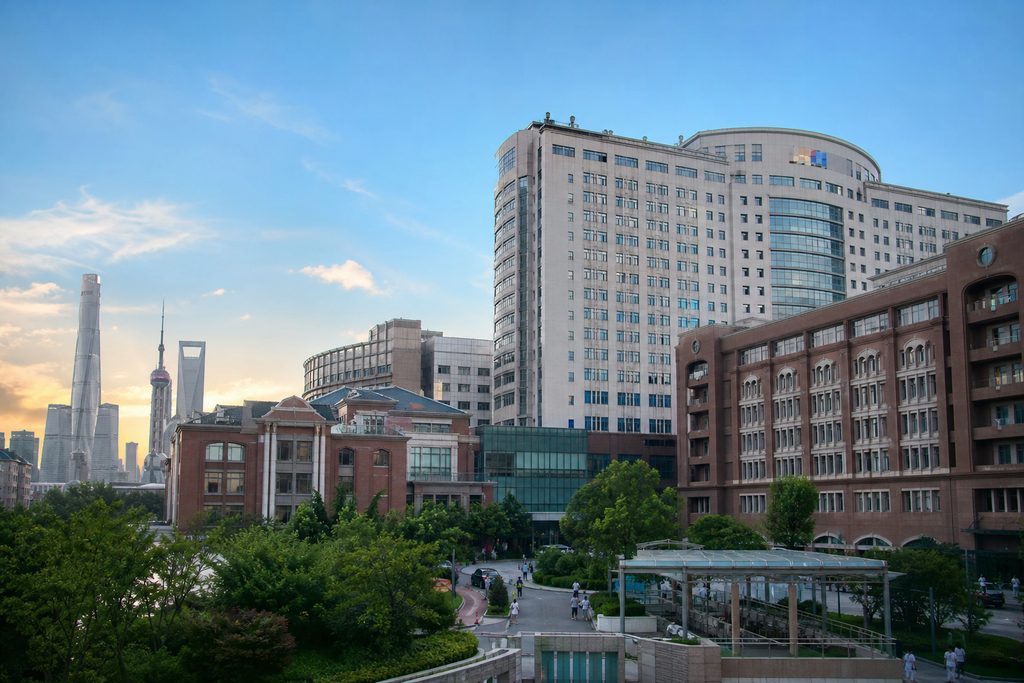
A brain tumor diagnosis in the United States can set off a chain reaction of anxiety. The clinical fear is bad enough. Then the financial counselor hands you an estimate. Surgery, hospitalization, and post-operative care can easily exceed $100,000. Many patients face a brutal wait. A cerebral aneurysm, ticking silently, leaves you staring at a calendar rather than a surgical suite. At Shanghai Huashan Hospital, the neurosurgery department performs over 17,000 procedures annually. That volume is not just a number. It is a statistical advantage that directly shapes surgical precision and patient survival.
Key Takeaways
- Huashan Hospital’s neurosurgery department handles more than 17,000 cases yearly, making it one of the highest-volume brain surgery centers on the planet.
- The cost of a complex craniotomy at Huashan typically ranges from $20,000 to $35,000—a fraction of the $100,000+ price tag common in the United States.
- Navigating the public hospital system without Mandarin fluency remains the single largest barrier for Western patients; outpatient registration cannot be locked in from overseas without going through the hospital’s official international VIP channel.
- Clinical outcomes for aneurysm clipping and tumor resection match leading Western benchmarks, but logistics—visas, payment deposits, post-discharge recovery housing—require careful advance planning.
The Problem: When a Brain Lesion Meets a Broken System
Waiting is dangerous when you have a mass pushing against your frontal lobe. A 2023 study published in Neuro-Oncology Practice found that delays exceeding 30 days between radiological diagnosis and surgical resection were associated with a measurable decline in functional outcomes for high-grade glioma patients. Yet in Canada, the median wait time from specialist referral to neurosurgical intervention stretches to nearly 8 weeks. In the UK, the NHS target of 62 days from urgent GP referral to first treatment is missed by roughly a quarter of brain tumor patients. The system simply cannot move fast enough.
Cost creates a second choke point. American patients with high-deductible health plans discover that a single craniotomy can push them into medical bankruptcy. Even the insured get hammered by out-of-network anesthesiologists and surprise facility fees. Patients from the Middle East and Southeast Asia often face a different problem: advanced microneurosurgery simply does not exist in their home country. They must travel. The question is where.
These pressures funnel patients toward a difficult decision. Do you liquidate assets and wait in line at home? Or do you look abroad for a center that combines speed, technical sophistication, and a price that does not destroy your family’s future?
Who We Are
We are not a hospital. We do not hold a scalpel, interpret an MRI, or prescribe a course of treatment. Our team functions as your logistical architects—we bridge the chasm between your diagnosis and China’s most advanced neurosurgical suites. We handle medical record translation, hospital matching, visa documentation, appointment coordination through official international department channels, and on-the-ground bilingual support. We are based in China, we know these hospitals intimately, and we tell you the truth about what to expect. No sugarcoating. No access fees dressed up as consultation charges. Just clear, honest case management.
Why Shanghai Huashan Hospital’s Neurosurgery Department Delivers Results
Huashan Hospital, affiliated with Fudan University, sits firmly in the top tier of Chinese neurosurgery. The Fudan Hospital Ranking’s specialty reputation list consistently places Huashan’s neurosurgery among China’s top three programs. The department fields over 600 beds across multiple specialized wards. Neurosurgeons here do not dabble in general surgery. They operate on brains. Every day. All day. That hyper-specialization builds a level of instinctual skill that general neurosurgeons at smaller centers cannot replicate.
Volume Builds a Different Kind of Surgeon
Consider the numbers. A busy neurosurgeon in a respected American academic medical center might perform 80 to 120 major cranial cases per year. At Huashan, a senior attending neurosurgeon commonly handles 300 to 400 complex tumor resections and aneurysm clippings annually. This is not a reflection of longer hours. It is a reflection of a system designed for throughput. Dedicated neurosurgical operating suites run concurrently from early morning into the evening. The pre-operative workup pipeline—MRI, CT angiography, functional imaging—is optimized to move patients from diagnostic clarity to surgical intervention in days, not weeks.
Volume correlates with outcomes in cerebrovascular surgery. A 2022 meta-analysis in the Journal of Neurosurgery demonstrated that hospitals performing more than 100 aneurysm clippings per year had significantly lower mortality rates than low-volume centers. Huashan performs well over 1,000 aneurysm surgeries annually. The surgeons have seen virtually every anatomical variation of the Circle of Willis. That matters when a blister aneurysm ruptures on the table and the surgeon has seconds to react.
Technology Without the Marketing Hype
Walk into Huashan’s neurosurgery wing and you will find intraoperative MRI suites, dual-room angiography systems, and awake craniotomy setups with cortical mapping that rival any facility in Munich or Boston. The hospital invested heavily in Zeiss and Leica surgical microscopes with integrated fluorescence modules for glioma resection. 5-aminolevulinic acid (5-ALA) guided surgery—a technique that makes tumor tissue glow under blue light, improving resection rates—is routine here for high-grade gliomas. So is intraoperative neurophysiological monitoring. The technology is not experimental. It is standard operating procedure.
For aneurysm patients, Huashan offers both microsurgical clipping and endovascular coiling. The hybrid operating suites allow surgeons to switch between open and endovascular approaches during the same procedure if the anatomy demands it. This flexibility is critical for complex wide-necked aneurysms that do not neatly fit one treatment category.
Huashan Hospital Neurosurgery Cost for International Patients: A Structural Advantage, Not a Quality Tradeoff
The Huashan Hospital neurosurgery cost for international patients lands in a range that makes Western patients do a double take. A complex craniotomy for tumor resection, including hospitalization, imaging, and surgeon fees through the international VIP department, typically runs between $20,000 and $35,000. Endovascular coiling of an unruptured aneurysm falls in the $18,000 to $28,000 range. Compare this to the United States, where the same procedures routinely exceed $100,000 and $60,000 respectively. The gap is not magic. It is economics.
Chinese hospital charges are structurally lower because labor costs are lower, hospital administration is leaner, and the medical device supply chain does not carry the same multi-layered markup found in the American system. The neurosurgeons at Huashan earn excellent salaries by Chinese standards, but those salaries are a fraction of what a US neurosurgeon commands. The surgical microscope costs the same in Shanghai as it does in Chicago. The difference is the cost of the hands operating it, the cost of the hospital bed, and the cost of the sterile processing team. Quality does not drop when the price drops. Clinical outcome data published by Huashan’s department in peer-reviewed Chinese and international journals shows post-operative infection rates, 30-day mortality, and extent of resection metrics that are comparable to high-volume Western centers.
| Procedure | Huashan Hospital (USD) | USA Average (USD) |
|---|---|---|
| Craniotomy for Tumor Resection | $20,000 – $35,000 | $100,000 – $150,000+ |
| Endovascular Aneurysm Coiling | $18,000 – $28,000 | $60,000 – $90,000 |
| Microvascular Decompression | $15,000 – $22,000 | $70,000 – $100,000 |
| Awake Craniotomy with Mapping | $25,000 – $38,000 | $120,000 – $180,000 |
Figures are approximate ranges for international patients through official hospital channels. Final cost varies by case complexity, implant selection, and length of stay.
This is where the brain surgery abroad price comparison China conversation gets real. You are not comparing a discount option to a premium option. You are comparing two premium clinical centers in different economic ecosystems. The money you save does not buy you a worse surgeon. It buys you post-operative rehabilitation, a family member’s travel and accommodation, and a financial cushion during recovery. For many patients, that changes the entire calculus of care.
What You Need to Know Before Going Alone
We tell every patient the same thing up front: China’s public hospital system is not built for walk-in international patients. The clinical excellence is real. The administrative friction is also real. If you book a flight to Shanghai expecting to register at the general outpatient window with a passport and an MRI disc, you will fail. Here is why.
- Outpatient Registration Cannot Be Pre-Booked from Abroad (Standard Channel): The public registration system requires a Chinese ID number or a locally issued medical card. International patients cannot use it remotely. You cannot lock in a specific neurosurgeon’s clinic slot from overseas through the standard route. The only way to secure a confirmed appointment and a surgical slot before traveling is through the hospital’s official International Medical Center or VIP department. We coordinate directly with that department.
- Payment Is Prepaid and Cash-Heavy: Hospitals require a deposit before admission. The international department typically asks for a deposit covering the estimated full cost of surgery and hospitalization. International credit cards are accepted at the VIP level but often hit daily transaction limits. Wire transfers take days to clear. We help structure the payment so you arrive with the financial side already settled.
- Medical Records Must Be Translated Properly: A Google-translated pathology report is not acceptable. Neurosurgeons need precise, medically accurate Chinese translations of operative notes, radiology reports, and pathology slides. A mistranslated term like “meningioma grade” can cause confusion. We use medical translators who understand neurosurgical terminology.
- Post-Discharge Recovery Requires Planning: You cannot fly home three days after a craniotomy. You will need 10 to 14 days of quiet recovery in Shanghai, with access to follow-up wound checks and imaging. Finding a serviced apartment near the hospital, arranging wound care supplies, and knowing which emergency number to call if you feel unwell at 2 a.m.—these details matter enormously.
How We Help You Navigate This
These barriers are structural, not malicious. The Chinese hospital system evolved to serve a domestic population of 1.4 billion. It was never designed with a foreign patient’s convenience in mind. That is where our team steps in. We translate your medical history into a format that Huashan’s neurosurgeons can review before you even book a flight. We coordinate directly with the International Medical Center to secure a confirmed outpatient slot with a senior neurosurgeon whose sub-specialty matches your diagnosis—whether that is skull base tumors, pituitary adenomas, or cerebrovascular malformations.
When you land in Shanghai, a bilingual medical companion meets you. This person handles registration, navigates the hospital campus, translates during the face-to-face consultation, and stays with you through pre-operative testing. During your hospital stay, we are your communication bridge to the nursing staff and surgical team. After discharge, we coordinate follow-up appointments and help with medication instructions. We do not disappear once the surgery is over.
The process is straightforward but requires lead time. We typically ask for two to three weeks of preparation before your target arrival date. That window lets us translate records, confirm the surgeon’s availability, and lock in the hospital deposit. Emergency cases move faster. We have coordinated urgent aneurysm surgeries with less than a week’s notice when the clinical situation demanded speed.
How Safe Is Aneurysm Surgery in China?
The question is fair. Patients researching how safe is aneurysm surgery in China often carry assumptions shaped by outdated news coverage or generalized anxiety about medical care abroad. The data tells a more nuanced story. Huashan Hospital’s neurosurgery department reports a post-operative mortality rate for elective aneurysm clipping that sits below 2%. This figure aligns with benchmarks published by the American Heart Association and the European Stroke Organization for high-volume centers. The key variable is not geography. It is case volume and surgeon experience.
Infection control standards in Huashan’s international wards meet JCI-equivalent protocols. The hospital uses antibiotic prophylaxis, strict sterile field management, and post-operative monitoring pathways that are indistinguishable from what you would find in a Western academic center. The neuro-ICU is staffed by intensivists who manage vasospasm, intracranial pressure crises, and post-operative hypertension daily. They are not learning on the job. They are refining protocols they have executed thousands of times.
One difference patients should understand: the nursing model in Chinese hospitals places more direct care responsibilities on family members or hired caregivers. In the international VIP ward, the nurse-to-patient ratio is better, and English-speaking staff are available. But the cultural expectation that a family member stays with the patient persists. We prepare families for this reality and can arrange a private caregiver if no family member can travel.
What Is Recovery Time After Neurosurgery Shanghai?
What is recovery time after neurosurgery Shanghai hinges on the procedure and the patient’s baseline health. For an uncomplicated craniotomy with gross total resection of a meningioma, most patients remain hospitalized for 7 to 10 days. The first 24 to 48 hours are spent in the neuro-ICU for close monitoring. Once stable, the patient transfers to a regular ward room. Sutures or staples come out around day 7. By day 10, if there are no complications—no CSF leak, no infection, no new neurological deficit—discharge is typical.
But discharge does not mean “get on a plane.” We strongly advise patients to stay in Shanghai for at least another 10 to 14 days. During this period, you return to the hospital for a post-operative MRI and a wound check. The neurosurgeon reviews the scan and clears you for travel. Flying too soon after a craniotomy carries a small but real risk of tension pneumocephalus—air trapped inside the skull expanding at altitude. Most surgeons recommend waiting a minimum of 14 days post-craniotomy before boarding a long-haul flight. We help you find comfortable, quiet accommodation nearby and schedule the necessary follow-ups.
Full recovery—returning to work, driving, exercising—takes longer. Six to eight weeks is a realistic timeline for major cranial surgery. Fatigue is the most common complaint. The brain heals slowly. We set expectations honestly so patients do not panic when they feel exhausted four weeks out.
Finding the Best Brain Tumor Surgeon Shanghai China
Searching for the best brain tumor surgeon Shanghai China leads inevitably to Huashan. The department’s senior surgeons sub-specialize intensely. One team focuses exclusively on transsphenoidal pituitary surgery. Another handles complex skull base meningiomas and acoustic neuromas. A third team specializes in glioma surgery with awake mapping and intraoperative MRI. This is not a department where a general neurosurgeon dabbles in everything. You are matched to a surgeon whose entire career has been spent operating on lesions in a specific anatomical region.
We do not promise a specific named surgeon. No ethical coordinator can. What we do is present your case—your imaging, your pathology, your clinical history—to the department head or sub-specialty team leader and request that a senior attending with the most relevant expertise take the lead. If your case requires a particular surgical approach, we communicate that clearly in the referral documentation. The hospital’s international department understands that foreign patients travel specifically for the expertise, not for a random resident’s training case.
How to Book a Neurosurgery Package at Huashan Hospital Shanghai
Patients often ask how to book neurosurgery package Huashan Hospital Shanghai. The term “package” can be misleading. Huashan does not sell pre-priced surgical bundles like a vacation tour. What the International Medical Center offers is a coordinated care pathway. This pathway includes the initial specialist consultation, pre-operative imaging and labs, the surgical procedure itself, hospital bed charges, nursing care, and post-operative follow-up within a defined window. The total cost is estimated upfront based on the diagnosis and planned procedure, and the hospital collects a deposit against that estimate.
Our role is to initiate this pathway. We submit your translated medical records to the international department. The neurosurgeon reviews them and confirms that the case is appropriate for treatment at Huashan. Once confirmed, we coordinate the appointment date, secure the admission deposit instructions, and help you arrange the S2 visa with the hospital’s invitation letter. This process typically takes 10 to 14 business days from initial record submission to confirmed surgical date. Urgent cases move faster.
We also handle the details that a hospital booking clerk will not: airport pickup, hotel or serviced apartment booking near the hospital, SIM card setup, and daily bilingual companion support during pre-op testing days. You arrive focused on your health, not on logistics.
Frequently Asked Questions
Yes, through a formal video consultation. We arrange a pre-travel video call with the treating neurosurgeon through Huashan’s International Medical Center. The surgeon reviews your imaging in advance and discusses the surgical plan, risks, and expected recovery with you directly. A bilingual moderator ensures nothing is lost in translation. The cost for this video consultation ranges from $500 to $800, and if you proceed with surgery, that fee is credited in full toward our coordination service.
Huashan’s neurosurgery department manages complications in-house. The neuro-ICU is equipped to handle post-operative hemorrhage, cerebral edema, vasospasm, and infection. The hospital does not transfer complex neurosurgical patients elsewhere. If a complication extends your hospital stay, the international department adjusts the billing accordingly. We stay involved throughout, communicating with your family and helping navigate any extended care needs. We also strongly recommend that every international patient purchase medical travel insurance that covers complication-related extended stays and medical evacuation, though the likelihood of needing evacuation from a center of this caliber is low.
The S2 visa requires an invitation letter from the hospital. Huashan’s International Medical Center issues this letter once your case is accepted and the deposit is arranged. Processing time for the letter is typically 3 to 5 business days. Visa processing at the Chinese embassy or consulate in your home country then takes another 5 to 10 business days. We guide you through the documentation requirements and review your application before submission. The process is not complicated if you have the right paperwork. Without the hospital invitation letter, however, you cannot obtain an S2 visa for medical treatment. We make sure that letter is in your hands quickly.
The only way to know definitively is to have the neurosurgeon review your imaging and pathology. We facilitate this review at no cost as part of our initial case assessment. You send us your MRI (DICOM format preferred) and pathology report. We translate and submit them to the department. Within 5 to 7 business days, we receive a preliminary opinion: the case is accepted, the case requires additional testing before a decision, or the case is better suited to another center. If Huashan is not the right fit, we tell you honestly and suggest alternatives from our network of 340+ top-ranked hospitals across China.
Your Next Step
A brain tumor or aneurysm diagnosis forces decisions under pressure. The clinical path forward is rarely simple. But the logistical path—getting to the right surgeon, in the right facility, at a cost that does not devastate your family—should not be the hardest part. Shanghai Huashan Hospital offers neurosurgical outcomes that stand up to global scrutiny, at a price that makes treatment accessible. The system is complex to navigate alone. It is straightforward when you have a team on the ground who knows exactly how it works.
If you are considering neurosurgery in Shanghai, start with a conversation. We review your case, explain your options clearly, and never push you toward a decision that does not feel right. Our consultation is free, and the information you gain will help you make a clear-eyed choice—whether that means traveling to China or staying closer to home.
Learn more about how we coordinate care at our patient coordination service or explore Shanghai’s top-ranked hospitals to understand the broader landscape of medical excellence in the city.
For more medical information and treatment options in China, visit chinamedservices.com (China Medical Services).
