Advanced Endoscopy at Shanghai Renji Hospital: What the #1 Gastroenterology Center Offers
When 57-year-old Sarah from Manchester first saw the quote for the specialized ERCP her gastroenterologist recommended, she set it aside. £18,000 out of pocket, with a six-week wait just for the scheduling call. Her primary care doctor had mentioned something about medical travel. Sarah had dismissed it. But late one night, staring at that estimate, she typed a new search: “advanced endoscopy cost Shanghai Renji Hospital.”
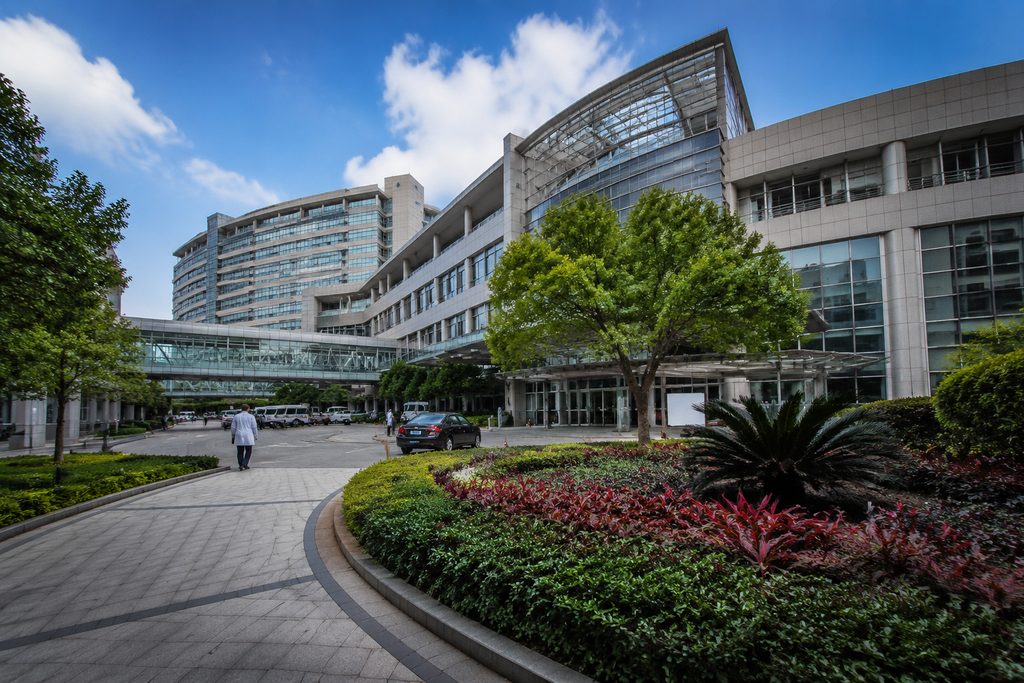
Her search wasn’t random. Renji Hospital, affiliated with Shanghai Jiao Tong University School of Medicine, has held the number one spot in Fudan University’s prestigious gastroenterology rankings for years. Its Digestive Endoscopy Center performs over 100,000 procedures annually. Sarah’s question—what they offer, and what it actually costs—is the same one we hear from patients across North America, Europe, and the Middle East. The answer is more concrete than most people expect.
Key Takeaways
- Shanghai Renji Hospital’s Digestive Endoscopy Center performs over 100,000 procedures yearly, a volume that directly correlates with lower complication rates.
- Advanced endoscopic procedures at Renji cost 60-80% less than US private-pay rates, with transparent pricing available through the hospital’s International Medical Center.
- Renji is not a walk-in facility for international patients; proper channel coordination through the official International Medical Center is mandatory, and language support is limited outside that channel.
- Safety protocols at this center meet JCI-equivalent standards, with dedicated reprocessing facilities and sedation units supervised by anesthesiologists—not just sedation nurses.
The Problem: When a Routine Scope Isn’t Enough
A standard upper endoscopy or colonoscopy handles the common cases. Polyps, mild gastritis, routine screening. But for roughly 1 in 12 patients referred to a gastroenterologist, the needed procedure is not routine at all. We are talking about ERCP with stone extraction, endoscopic ultrasound (EUS) with fine-needle biopsy, or endoscopic submucosal dissection (ESD) for early-stage lesions. These are technically demanding. In many Western health systems, only a handful of tertiary centers perform them in significant volume. The result is predictable: long waits, high out-of-pocket costs for the underinsured, and genuine anxiety about whether the operator has done enough of these to manage a complication if one arises.
The American Society for Gastrointestinal Endoscopy has published competency thresholds that make the point clearly. For EUS, a trainee needs roughly 225 supervised procedures to reach basic competence. For ERCP, the number is closer to 180 to 200. How many endoscopists in a typical community hospital reach and maintain that volume? Not many. At Renji, the daily case volume means an attending endoscopist may log in a month what a Western community gastroenterologist logs in a year. That volume gap is not a marketing claim. It is the structural reality that drives patient outcomes.
Why Renji Hospital’s Gastroenterology Program Delivers Results
Clinical Volume That Reshapes the Risk Curve
The Digestive Endoscopy Center at Renji runs 28 procedure rooms. Twenty-eight. It operates on a scale that is hard to visualize until you see the patient flow. In 2023, the center reported completing over 108,000 endoscopic procedures. Of those, more than 15,000 were classified as advanced therapeutic procedures—ESD, ERCP, EUS-guided interventions, and POEM for achalasia. The center is one of the highest-volume ESD units in the world for early gastric cancer, a disease far more common in East Asia than in the West. That epidemiological reality means Chinese endoscopists have accumulated a depth of experience with subtle mucosal lesions that is difficult to replicate elsewhere.
Why does this matter for a patient? Because complication rates in advanced endoscopy track inversely with operator volume. A 2016 meta-analysis in Gastrointestinal Endoscopy found that high-volume ERCP operators had significantly lower rates of post-ERCP pancreatitis, perforation, and cholangitis. The Renji team is not just high-volume. It is ultra-high-volume. That shifts the risk calculation in a way that a single number cannot fully capture.
Technology Deployed at a Scale That Makes Sense
Walk into a procedure room at Renji and you will see equipment that is standard in any advanced Western unit. Olympus 290-series scopes. Fujifilm LASEREO systems for enhanced mucosal imaging. C-arm fluoroscopy for ERCP. Single-balloon enteroscopy platforms. The difference is not the brand names. It is the density. The center maintains a dedicated scope reprocessing facility that runs continuously across multiple shifts. Scopes are not the bottleneck they become in smaller centers where a broken scope means canceled cases.
For patients, this translates into something mundane but critical: scheduling reliability. When the center commits to a procedure date, equipment availability is rarely the reason it moves. That predictability matters when you are flying in from another country.
How Much Does Advanced Endoscopy Cost at Shanghai Renji Hospital?
Let’s address the search query directly. The advanced endoscopy cost Shanghai Renji Hospital varies by procedure complexity, but published price ranges through the International Medical Center give a clear picture. A diagnostic EUS with fine-needle aspiration runs approximately $1,200 to $2,500. A complex ERCP with stent placement falls in the $3,000 to $5,500 range. An ESD procedure for early gastric neoplasia typically costs between $4,000 and $7,000, depending on lesion size and location. These are all-in figures through the international channel, including facility fees, physician fees, sedation, and standard pathology.
Compare these to US private-pay rates. The same ERCP with stent placement can bill at $15,000 to $28,000. ESD, still relatively uncommon in the US outside of a few academic centers, can exceed $30,000. The structural reasons for the gap are well documented: lower labor costs across the surgical and nursing teams, high patient throughput that amortizes capital equipment efficiently, and a single-payer negotiation dynamic for the domestic patient base that keeps list prices grounded. International patients pay a premium over domestic rates, but the premium is modest—typically 50-100% above the domestic price, which still lands at a fraction of Western private-pay figures.
| Procedure | Renji Int’l Center (USD) | US Private Pay (USD) | UK Private (GBP) |
|---|---|---|---|
| Diagnostic EUS + FNA | $1,200 – $2,500 | $8,000 – $15,000 | £5,000 – £9,000 |
| ERCP + Stent Placement | $3,000 – $5,500 | $15,000 – $28,000 | £9,000 – £16,000 |
| ESD (Early Gastric Lesion) | $4,000 – $7,000 | $22,000 – $35,000 | £14,000 – £22,000 |
| POEM for Achalasia | $5,500 – $8,000 | $25,000 – $40,000 | £16,000 – £25,000 |
All figures are approximate ranges for international patient pricing and vary by case complexity, length of stay, and specific clinical requirements. US and UK figures are estimated private-pay rates and do not reflect insurance-negotiated rates where applicable.
What Procedures Does Renji Hospital Gastroenterology Offer for International Patients?
The center’s scope of services is broad, but international patients typically seek care for a defined set of advanced interventions. The most commonly requested procedures include:
Endoscopic Retrograde Cholangiopancreatography (ERCP). Renji’s ERCP volume exceeds 3,000 cases annually. The team manages complex biliary and pancreatic ductal pathology, including large stone extraction, hilar stricture stenting, and cholangioscopy-guided biopsy using the SpyGlass system. For patients with post-surgical anatomy, the center performs balloon-assisted ERCP with a success rate that reflects deep experience with altered anatomy cases.
Endoscopic Ultrasound (EUS). The center operates a dedicated EUS service that handles diagnostic and interventional cases. EUS-guided fine-needle biopsy, celiac plexus neurolysis, pseudocyst drainage, and EUS-guided biliary drainage are all routine. Pathology processing is on-site, with immunohistochemistry and molecular profiling available when clinically indicated.
Endoscopic Submucosal Dissection (ESD). This is where Renji’s global reputation is strongest. The center has performed over 10,000 ESD procedures. For early gastric, esophageal, and colorectal lesions, ESD offers en-bloc resection with curative intent, avoiding the morbidity of open or laparoscopic surgery. The technique is technically demanding, and the learning curve is long. Renji’s team trains endoscopists from across Asia and Europe in ESD technique—a signal of the center’s standing in the field.
Peroral Endoscopic Myotomy (POEM). For achalasia, POEM has become the first-line endoscopic treatment at Renji. The center was among the earliest adopters in China and has published extensively on long-term outcomes. Procedure time averages 60 to 90 minutes, with most patients discharged within 48 to 72 hours.
Small Bowel Enteroscopy. For obscure GI bleeding, Crohn’s disease evaluation, and small bowel tumor assessment, the center offers both single-balloon and double-balloon enteroscopy. Capsule endoscopy interpretation is also available, with the caveat that capsule retention risk must be assessed beforehand.
Is Advanced Endoscopy Safe in China? What the Data Shows
The question is fair. Many Western patients have never set foot in a Chinese hospital. Their mental picture is shaped by news reports, not by clinical data. So let’s look at the data.
Renji Hospital’s Digestive Endoscopy Center maintains quality metrics that it reports in peer-reviewed literature. In a 2022 retrospective analysis of over 4,000 ESD procedures published in Surgical Endoscopy, the center reported a perforation rate of 0.8% and a post-procedural bleeding rate requiring intervention of 1.2%. These figures are consistent with, and in some categories lower than, published benchmarks from high-volume Western centers. For ERCP, the post-ERCP pancreatitis rate at Renji has been reported at 3.1%, below the widely cited 5-10% range in general practice.
What about infection control? Endoscope reprocessing is a legitimate concern globally, following well-publicized outbreaks linked to duodenoscope contamination. Renji’s center uses automated endoscope reprocessors with documented compliance to Chinese national standards that mirror international guidelines. Scopes undergo manual cleaning, automated high-level disinfection, and drying in dedicated cabinets. The center also employs ethylene oxide gas sterilization for duodenoscopes used in ERCP, a practice that exceeds the minimum standard in many Western units.
Sedation safety is another common concern. In China, advanced endoscopic procedures are performed under propofol sedation supervised by an anesthesiologist—not a sedation nurse under gastroenterologist direction. An anesthesiologist is physically present in the room for the duration of the procedure. This is a higher standard of sedation monitoring than what is typical in many Western outpatient endoscopy units.
Medical Tourism Packages for Endoscopy in Shanghai: What’s Actually Included
Search for “medical tourism packages endoscopy Shanghai” and you will find a range of offerings. Most are assembled by third-party facilitators, not by the hospital itself. Renji Hospital’s International Medical Center does not sell a pre-packaged “endoscopy tourism bundle” with hotel and airport transfer baked into a single price. Instead, the hospital provides the clinical service, and coordination services—visa support, appointment scheduling, interpretation, logistics—are handled separately, either by the patient directly or through a coordination partner.
A realistic endoscopy-focused trip to Shanghai spans 5 to 10 days. Day one is typically consultation and pre-procedure assessment. Day two or three is the procedure itself. For advanced therapeutic procedures like ESD, a 48 to 72-hour observation period in the hospital is standard. The remaining days allow for pathology results, a follow-up consultation, and clearance to fly. Some patients combine the trip with tourism, but anyone undergoing an advanced procedure should plan for recovery time, not a packed itinerary.
Costs beyond the procedure include round-trip airfare, accommodation, meals, local transport, and the coordination service fee. A mid-range budget for a 7-day trip, excluding the procedure itself, runs $2,500 to $4,500 per person. Shanghai offers accommodation at every price point, from international chain hotels near the hospital in Pudong to serviced apartments suitable for longer stays.
How to Book an Endoscopy Procedure at Shanghai Renji Hospital as an International Patient
The pathway to book endoscopy procedure Shanghai Renji Hospital international patient is straightforward but requires documentation. The International Medical Center is the single point of entry for foreign patients. You cannot directly email a department head or book through a public-facing app. The process works as follows:
Step 1: Pre-consultation record review. You submit existing medical records—endoscopy reports, imaging, pathology slides, and a summary of your clinical history. The center’s gastroenterology team reviews these to confirm that the requested procedure is appropriate and that no contraindications exist. This step is mandatory. The hospital will not schedule an advanced procedure without prior record review.
Step 2: Quotation and scheduling. Once the clinical review confirms appropriateness, the International Medical Center issues a formal quotation with the procedure cost, estimated length of stay, and a proposed date range. Payment terms are typically a deposit to secure the slot, with the balance due before the procedure.
Step 3: Visa and travel arrangements. For medical treatment in China, the applicable visa category is the S2 visa, issued for short-term private affairs including medical treatment. The hospital provides an invitation letter and treatment confirmation that supports the visa application. Processing time at most Chinese embassies and consulates is 4 to 10 business days. Expedited processing is sometimes available. Do not apply for an M visa—that is strictly for commercial and trade activities and is not appropriate for medical travel.
Step 4: Arrival and procedure. You arrive in Shanghai, attend the pre-procedure consultation, undergo any required additional testing, and proceed with the scheduled endoscopy. The International Medical Center assigns an English-speaking coordinator who manages the in-hospital process. Post-procedure, you receive translated discharge instructions and a follow-up plan.
Pathology results for standard histology are typically available within 3 to 5 working days. Immunohistochemistry and molecular profiling add additional time. The center can courier formalin-fixed paraffin-embedded blocks and slides to your home-country pathologist for independent review if desired. This is a common request and the center accommodates it routinely.
Frequently Asked Questions
For diagnostic procedures like EUS without intervention, flying the next day is generally acceptable. For therapeutic procedures—ERCP with stent, ESD, POEM—the center typically recommends 48 to 72 hours of observation. The concern is delayed bleeding or perforation, which, while uncommon, requires prompt endoscopic or surgical intervention. Flying long-haul with an undetected post-procedural complication is a risk no responsible center will endorse. Plan for a minimum of 5 to 7 days in Shanghai for any advanced therapeutic endoscopy.
Yes. Renji Hospital is a full-service academic medical center with surgical oncology, medical oncology, and radiation oncology departments. If an ESD specimen shows positive margins or high-risk features requiring surgery, the case is discussed at a multidisciplinary tumor board, and a treatment recommendation is issued. International patients can transition to surgical or oncologic care at Renji without changing facilities. The International Medical Center coordinates the referral internally. That said, some patients prefer to return home for oncology care. The center supports either path and will prepare a complete treatment summary and pathology package for the home team.
The attending endoscopists at Renji’s Digestive Endoscopy Center are fully credentialed in gastroenterology and have completed subspecialty training in advanced endoscopy. Many have spent time at Western institutions as visiting scholars or collaborators. English proficiency among the senior attending staff is variable. Some speak English comfortably. Others rely on the International Medical Center coordinator for interpretation during consultations. The coordinator is present for all international patient interactions to ensure accurate communication. Procedure consent, discharge instructions, and reports are provided in English.
The center uses internationally approved devices from manufacturers including Boston Scientific, Cook Medical, and Olympus. Metal biliary stents, enteral stents, and endoscopic closure devices are the same brands used in North American and European endoscopy units. There is no material difference in device quality. The supply chain for these devices in China’s top-tier hospitals mirrors the global supply chain. If a specific device preference exists, the center can usually accommodate it with advance notice.
Your Next Step
Renji Hospital’s Digestive Endoscopy Center offers something that is genuinely hard to find: ultra-high-volume advanced endoscopy with published outcomes that stand up to scrutiny, at a cost that makes treatment accessible to patients who would otherwise face impossible bills or indefinite waits. The trade-off is distance, the logistics of international travel, and the need to navigate a system that does not operate like a Western hospital. For patients weighing those trade-offs, the first step is a clinical record review to determine whether the procedure is appropriate and feasible at Renji. Our team at China Medical Services helps international patients coordinate that process—from record submission and quotation through visa guidance and in-country support. We do not provide medical advice or make clinical decisions. We connect you with the right department, in the right hospital, with the documentation and language support that makes the experience safe and manageable. If you are ready to explore whether advanced endoscopy at Renji is the right path for your situation, we invite you to reach out for a free consultation. No pressure. Just a clear conversation about what is possible.
For more medical information and treatment options in China, visit chinamedservices.com (China Medical Services).
