Single Port Robotic Surgery China: One Incision Hysterectomy & Prostate Surgery
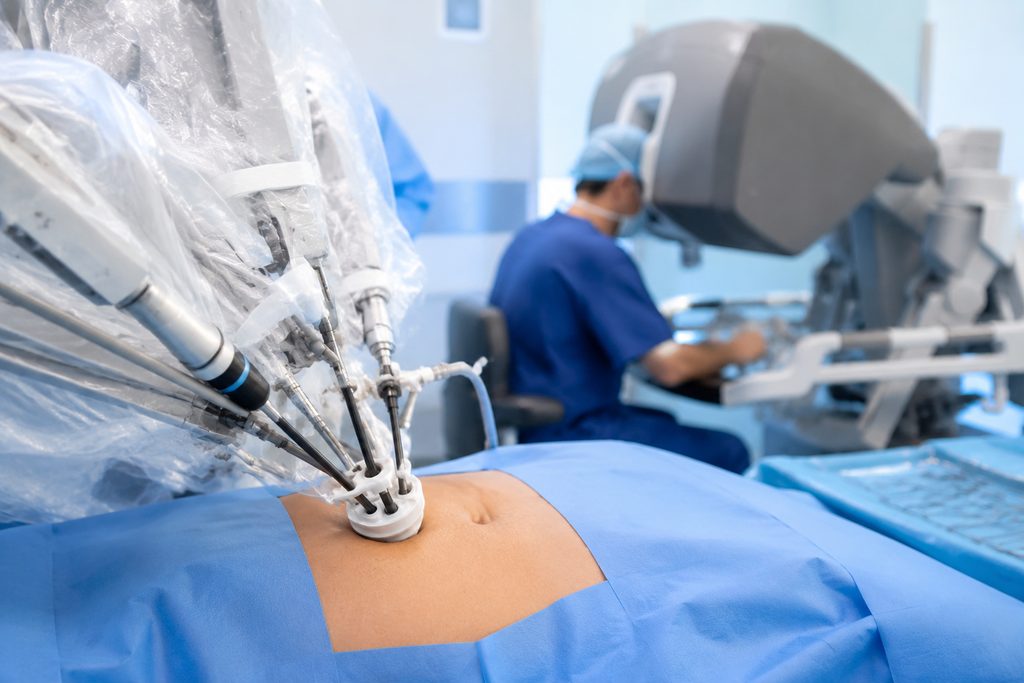
You have probably heard the story: major surgery means a long scar, weeks of downtime, and a bill that keeps you awake at night. That story is outdated. A quiet revolution in minimally invasive surgery has been unfolding, and some of its most advanced practitioners are not where you might expect. We are talking about single port robotic surgery—a technique where complex procedures like hysterectomies and prostatectomies happen through a single incision, often hidden in the navel. And the single port robotic hysterectomy cost China offers is reshaping how international patients think about surgical care.
The math is stark. A robotic prostatectomy in the United States can run between $35,000 and $70,000. The same procedure, using the same da Vinci SP system, in a top-tier Chinese hospital typically falls between $15,000 and $25,000. That is not a small discount. It is a structural price difference that lets patients redirect tens of thousands of dollars toward recovery, family support, or simply keeping their savings intact.
But cost is only part of the equation. The real question is whether the clinical results hold up.
They do. And the evidence is growing.
Key Takeaways
- Single port robotic surgery uses one 2.5–4 cm incision, typically at the navel, reducing visible scarring and potentially cutting recovery time by 30–50% compared to multi-port robotic approaches.
- China now operates over 380 da Vinci robotic systems—the second-largest installed base globally—with select hospitals performing more than 1,000 robotic procedures annually.
- International patients face real barriers: language gaps, S2 visa requirements, and the inability to pre-book public hospital outpatient slots without a physical consultation.
- The single port robotic hysterectomy cost in China ranges from $12,000 to $22,000—roughly 60–80% less than US pricing—but final quotes vary by hospital tier and case complexity.
The Problem: Surgery Should Not Mean a Lifetime Scar and a Lifetime of Debt
Every year, approximately 600,000 hysterectomies are performed in the United States alone. Prostate cancer affects roughly 1 in 8 men during their lifetime. For many of these patients, surgery is the recommended path forward. But the traditional open approach comes with a heavy trade-off: a large abdominal incision, a hospital stay of three to five days, and a recovery that can stretch past eight weeks.
Multi-port laparoscopic and robotic surgeries improved things. Smaller incisions. Less pain. But patients still woke up with three to five entry wounds scattered across their abdomen. For some, that was acceptable. For others—especially younger patients or those prone to keloid scarring—it was a constant visual reminder of their illness.
Then there is the financial trauma. Even with insurance, a robotic hysterectomy in the US can leave a patient with out-of-pocket costs exceeding $10,000 after deductibles and co-insurance. For the uninsured or underinsured, the numbers are simply catastrophic. Medical debt is the leading cause of bankruptcy in America. Patients are caught between two impossible choices: go into debt or delay care.
Neither option is acceptable. And neither is the only option anymore.
Who We Are
We are not a hospital. We do not provide medical treatment, offer clinical diagnoses, or make promises about surgical outcomes. What we do is solve the logistical puzzle that stops most international patients from accessing China’s best surgical teams. Our team handles hospital matching, appointment coordination through official international departments, bilingual medical companion services, and the visa guidance that turns a complicated cross-border journey into a manageable plan. Think of us as your advance team on the ground—we clear the path so you can focus on your health.
What Is Single Port Robotic Surgery Recovery Time and Why It Matters
The question we hear most often from patients considering this approach is straightforward: what is single port robotic surgery recovery time compared to what I would face at home? The answer depends on the procedure, but the pattern is consistent.
In a standard multi-port robotic hysterectomy, patients typically spend one to two nights in the hospital and need four to six weeks before resuming normal activities. With the single port approach, the hospital stay often drops to 23 hours or less. Many patients are discharged the same day. The return to daily activities—driving, light work, walking without discomfort—frequently happens within two to three weeks.
Why the difference? It is simple mechanics. One incision means one wound site for the body to heal. Less fascial disruption. Fewer pain receptors firing. Lower hernia risk over the long term. A 2023 meta-analysis published in the Journal of Minimally Invasive Gynecology reviewed over 1,200 cases and found that single port hysterectomy patients reported significantly lower postoperative pain scores at 24 and 48 hours compared to multi-port patients. The cosmetic advantage is real too—the incision hides inside the navel, leaving no visible scar on the abdominal wall.
For prostate surgery patients, the recovery story is similar. Catheter removal often happens within five to seven days. Continence recovery timelines appear comparable or slightly accelerated in some single port series, though every patient’s journey is different.
Why China’s Robotic Surgery Infrastructure Delivers Results
Volume Creates Expertise
Surgical skill is not magic. It is repetition. A surgeon who performs 200 robotic prostatectomies a year sees patterns, complications, and anatomical variations that a surgeon doing 30 a year encounters only occasionally. This is where China’s hospital system has a structural edge. The patient volume at top-tier public hospitals is extraordinary. A single urology department at a major Shanghai or Beijing hospital may complete more robotic cases in a month than some Western hospitals do in a year.
China now has over 380 da Vinci surgical systems installed, according to Intuitive Surgical’s 2024 investor disclosures. That makes it the second-largest robotic surgery market on the planet. More systems mean more surgeons training, more cases being performed, and more institutional experience accumulating. When we help a patient evaluate the best single port prostate surgery hospital China can offer, we look at caseload data, not marketing brochures.
Technology Parity—and Sometimes a Step Ahead
There is a persistent myth that medical technology in China lags behind the West. For robotic surgery, this is demonstrably false. The da Vinci SP system—the platform that enables true single port surgery—has been in active clinical use in China since regulatory approval. Chinese hospitals are not working with outdated equipment. They are using the same robotic platforms found at major US academic medical centers.
In some areas, Chinese surgical teams have pushed the envelope. The country’s experience with pure single port robotic urology and gynecology cases is among the deepest globally, simply because the patient population is so large. When a technique works, it scales fast here.
The Cost Equation
Let us address the elephant in the room directly. The single port robotic surgery China price comparison against Western hospitals is not a reflection of lower quality. It reflects structural economics. Physician salaries, hospital administrative costs, and device pricing all differ. A top Chinese surgeon earns a fraction of what a US surgeon earns—not because they are less skilled, but because the entire wage structure is different. Hospital construction costs, nursing labor, and pharmaceutical pricing all follow the same pattern.
| Procedure | US Estimated Cost (USD) | China Estimated Cost (USD) |
|---|---|---|
| Single Port Robotic Hysterectomy | $35,000 – $70,000 | $12,000 – $22,000 |
| Single Port Robotic Prostatectomy | $35,000 – $70,000 | $15,000 – $25,000 |
| Multi-Port Robotic Hysterectomy | $30,000 – $60,000 | $10,000 – $18,000 |
These are all-in estimates covering hospital fees, surgeon charges, anesthesia, and a standard hospital stay. The single port robotic hysterectomy cost China hospitals quote will vary by city, hospital tier, and whether the patient goes through the public international department or a private facility. Shanghai and Beijing tend to run at the higher end. Cities like Guangzhou, Chengdu, or Hangzhou often come in lower.
None of these figures include travel, accommodation, or our coordination services. But even with those added in, the total package frequently lands at one-third to one-half of the US price.
Is Single Port Hysterectomy Safe in China? What the Data Shows
This is the question that keeps patients up at night. The short answer: yes, at the right hospital, with the right surgeon, outcomes are comparable to top Western centers. The longer answer requires nuance.
A 2022 study out of a major Shanghai teaching hospital, published in Frontiers in Surgery, reported on 180 consecutive single port robotic hysterectomy cases. The conversion rate to open surgery was 0.6%. The major complication rate was under 2%. These numbers align with—and in some metrics beat—published benchmarks from US and European centers.
But not every hospital in China is equal. That is the critical distinction. China has roughly 35,000 hospitals. The top 5%—the ones we work with—are ranked by the Fudan University Hospital Ranking system and often hold Joint Commission International accreditation. These are the hospitals where single port robotic surgery is performed at a high level. Walk into an unranked facility, and the safety equation changes entirely.
This is why asking is single port hysterectomy safe in China without specifying where in China misses the point. The hospital matters more than the country. Our database covers 340+ top-ranked hospitals across 37 cities. We do not match patients with facilities below that threshold.
What You Need to Know Before Going Alone
We are going to be blunt here. Navigating China’s hospital system as a foreigner without local support is extremely difficult. These are not theoretical barriers. They are concrete, daily realities that can derail a surgical plan before it starts.
- Visa Requirements: Medical treatment in China requires an S2 visa with a notation specifying the medical purpose. This is not a tourist visa. The application requires an invitation letter from the Chinese hospital confirming your treatment plan. Without that letter, the visa will not be issued. Obtaining that letter means you must already have a confirmed relationship with the hospital—a chicken-and-egg problem that stops many patients cold.
- Public Hospital Booking Reality: You cannot book a public hospital outpatient slot from overseas. The system requires in-person registration, often on the day of the appointment. Surgery scheduling only happens after the surgeon has seen you in consultation. There is no online portal for international patients to bypass this. The international department or VIP channel is the only path to pre-arrange anything.
- Language and Navigation: A top-tier Chinese public hospital sees 10,000 to 20,000 outpatient visits per day. Signs may be in Chinese only. Queues are long. Payment counters, pharmacy windows, and lab collection points are often in different buildings. Without a bilingual medical companion, the experience is overwhelming even for Mandarin speakers. For someone who does not speak the language, it is functionally impossible to navigate alone.
- Payment Systems: Public hospitals require upfront payment. International credit cards are not always accepted at hospital counters. Alipay and WeChat Pay dominate. Insurance reimbursement is retrospective—you pay first, then claim. The payment infrastructure is simply not built for foreign patients walking in off the street.
How We Help You Navigate This
These barriers exist for structural reasons. They are not designed to exclude international patients—the system was simply built for a domestic population. Our job is to bridge that gap.
We start with a free consultation. You tell us about your diagnosis, your surgical needs, and your preferences. We match you with hospitals that have genuine expertise in single port robotic surgery for your specific condition. Not every hospital that owns a da Vinci SP system excels at hysterectomy. Not every urology department has deep prostatectomy volume. We know the difference.
Once a hospital is selected, we handle the appointment coordination through the official international department. We secure the invitation letter needed for your S2 visa. Our bilingual medical companion meets you at the airport, accompanies you to every consultation, translates in real time during your surgeon meeting, and stays with you through admission, surgery day, and discharge. We handle payment logistics, pharmacy runs, and the thousand small frictions that drain energy from a recovering patient.
After surgery, we do not disappear. We coordinate follow-up appointments, assist with medical record translation for your home physician, and remain available throughout your recovery in China. Our video consultation and written second opinion services also let you evaluate your surgical options remotely before committing to travel—and any consultation fees are credited in full toward on-the-ground coordination if you proceed within 90 days.
For patients seeking one incision robotic surgery packages abroad, we do not offer pre-packaged, one-size-fits-all deals. Every case is different. Uterine size, cancer staging, prior surgeries, and personal recovery goals all shape the plan. We build the package around your needs, not the other way around.
Frequently Asked Questions
Not every patient is suited for this approach. Large uterine fibroids, advanced endometriosis with dense adhesions, or high-risk prostate cancer with suspected lymph node involvement may require a multi-port or open approach. The decision rests with the surgeon after reviewing your imaging and medical history. We connect you with surgeons who will give you an honest assessment—not just tell you what you want to hear.
Top-tier Chinese hospitals have full intensive care capabilities, blood bank services, and the ability to convert to open surgery if needed. The hospitals we work with are major academic centers, not small clinics. That said, medical malpractice and liability frameworks differ from Western countries. We strongly recommend patients carry international medical travel insurance that covers complications and extended hospital stays. We can advise on policy selection, but we are not insurers.
Yes. Accompanying family members apply for an S2 visa under the same medical purpose notation. The hospital invitation letter can include accompanying persons. Most international patients travel with a spouse or adult child. Our companion service does not replace family support—it supplements it by handling logistics so your family can focus on being present for you.
Plan for two to three weeks total. This includes pre-operative consultation and testing (two to three days), the surgery and hospital stay (one to three days typically), and post-operative recovery before air travel (ten to fourteen days). Your surgeon will clear you for flight only after confirming no signs of deep vein thrombosis or other travel risks. Do not book a tight return ticket.
We arrange written second opinions from top specialists for $300 to $500, and video consultations for $500 to $800. These are for informational purposes only—not prescriptions or treatment orders. But they give you a direct line to the surgeon who might operate on you, and that conversation often answers the questions no brochure can address. If you proceed with surgery through us within 90 days, those fees are credited toward your coordination costs.
Your Next Step
Single port robotic surgery is not science fiction. It is happening now, at scale, in Chinese hospitals that rival the best surgical centers anywhere. The technology is real. The cost advantage is real. So are the logistical barriers—but they are solvable with the right support on the ground.
If you are weighing a hysterectomy or prostatectomy and want to understand whether this approach fits your situation, start with a conversation. There is no cost, no pressure, and no commitment. Just straight answers about your options. Reach out for a free consultation and let us help you map out what is possible.
For more medical information and treatment options in China, visit chinamedservices.com (China Medical Services).
