Southwest Hospital Chongqing: Military Burn Surgery and Trauma Center Mountain City
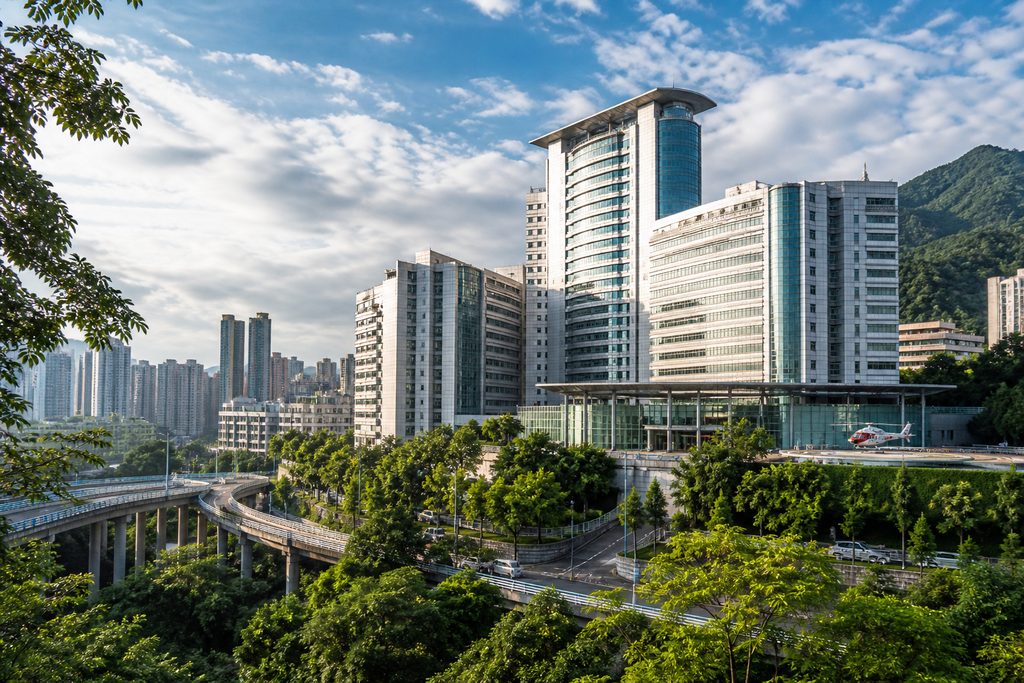
A severe burn patient in the United States might face a hospital bill exceeding $1.5 million for extensive grafting and ICU care. At Southwest Hospital in Chongqing, a facility that handles over 1,200 major burn admissions annually, the total cost for comparable treatment often ranges from $60,000 to $120,000. The volume is staggering. The survival rates are world-class. The price gap is structural, not a reflection of quality.
Key Takeaways
- Southwest Hospital’s Burn Institute treats more than 1,200 severe inpatient burns each year, making it one of the highest-volume burn centers globally.
- The hospital operates under a military medical university, which means rigid protocols, rapid mobilization, and a trauma system built for mass-casualty response.
- Foreign patients cannot simply book a bed online; accessing this military-affiliated system requires navigating an opaque administrative layer that standard travel insurance does not cover.
- Burn surgery cost China military hospital packages are not published publicly; final pricing depends on TBSA percentage, grafting technique, and ICU days — but the savings versus Western private hospitals are consistently dramatic.
The Problem: Severe Burns Demand Volume, and Most Western Centers Lack It
A third-degree burn covering 40% of total body surface area (TBSA) triggers a cascade of physiological crises. Fluid resuscitation must be precise within the first 24 hours. Excision and grafting windows are narrow. Infection control becomes a weeks-long chess match. The American Burn Association reports that only about 130 burn centers exist in the entire United States, and fewer than 20 of those are verified to handle pediatric and adult mass casualties simultaneously. Wait times for a dedicated burn ICU bed in a major European city can stretch to 48 hours during a regional disaster. That delay kills.
Burn care is a volume specialty. A surgeon who performs 20 major burn operations a year simply cannot develop the intuitive pattern recognition of one who performs 200. This is the uncomfortable reality that drives some families to look beyond their national borders. And when they search for the highest-volume burn centers on earth, one name appears repeatedly: the Institute of Burn Research at Southwest Hospital in Chongqing, China.
Who We Are
We are not a hospital. We do not provide medical treatment, clinical diagnoses, or surgical opinions. Our team functions as a logistical bridge between international patients and China’s top-tier medical institutions. We handle the invisible infrastructure that makes cross-border care possible: document translation, hospital selection based on your specific injury profile, visa invitation letters, bilingual medical companions, and coordination with hospital international departments. We connect you with expertise. You remain in control of every medical decision.
Why Southwest Hospital Chongqing Delivers Results That Rival Any Western Burn Unit
Clinical Volume That Creates Unmatched Pattern Recognition
The Burn Institute at Southwest Hospital is not merely a department. It is a self-contained medical ecosystem with dedicated operating theaters, its own ICU wards, a skin bank, and rehabilitation facilities all housed within a single complex. The institute admits over 1,200 severely burned inpatients annually and treats more than 20,000 outpatients. For context, a major European burn center might admit 200 to 300 severe cases per year. The math is simple. The team at Southwest Hospital sees more inhalation injuries, more electrical burns, more pediatric scalds, and more complex chemical burns in a single quarter than most Western burn surgeons encounter in a decade.
This volume translates directly into survival rates. The institute has published data showing a survival rate exceeding 99% for burn patients with a burn area less than 90% TBSA — a statistic that demands scrutiny because it includes cases that would be considered unsurvivable in many settings. Their LA50 (the lethal area at which 50% of patients die) has consistently improved over the past two decades and now sits above 98% TBSA for patients under 50 years old. That number represents a frontier of burn medicine.
Military Infrastructure Built for Trauma Response
Southwest Hospital is the primary teaching hospital of the Army Medical University. This is not a cosmetic distinction. Military medical institutions in China operate under a command structure that prioritizes trauma readiness. The hospital’s trauma surgery division is integrated with the burn institute in a way that civilian hospitals rarely replicate. A patient arriving with combined blast injuries, fractures, and thermal burns moves through a single coordinated pathway rather than bouncing between siloed departments.
The hospital sits in Chongqing, a mountainous megacity of 32 million people with dense industrial zones, steep terrain, and a history of devastating accidents. This geography has shaped the institution. The trauma center processes high volumes of crush injuries, falls from height, and industrial accidents alongside burns. Surgeons rotate through both burn and trauma services. The result is a clinical culture that treats polytrauma as a unified problem rather than a collection of separate injuries.
Burn Surgery Cost China Military Hospital: The Structural Price Advantage
The phrase “burn surgery cost China military hospital” reflects a genuine search intent. Patients want hard numbers. Here is what we can say based on cases our team has coordinated. A full-thickness burn requiring staged excision, allografting, autografting with cultured epithelial autografts, and a four-week ICU stay at Southwest Hospital typically falls in the range of $60,000 to $120,000 USD. The same protocol at a major US burn center routinely exceeds $500,000 and can surpass $1 million when complications extend the ICU stay.
These prices are not artificially low. They reflect structural economic differences: lower physician labor costs, state-subsidized hospital infrastructure, and a supply chain for wound care products that has been scaled to serve a domestic population of 1.4 billion. The quality of the meshed split-thickness skin grafts, the microbiology lab capabilities, and the infection control protocols are equivalent to international standards. The hospital holds ISO 15189 accreditation for its laboratory medicine. Its burn research institute has published extensively in Burns, Journal of Burn Care & Research, and other indexed journals.
What You Need to Know Before Going Alone
The clinical capabilities are real. So are the barriers. Walking into Southwest Hospital as a foreign patient without preparation will not work. Here is what stands between you and treatment:
- Military Hospital Access Protocols: Southwest Hospital treats civilian patients, including international ones, but the registration system requires a Chinese ID or passport verification through specific channels. The hospital’s international department exists, but it is not a walk-in service. Appointments must be coordinated in advance with proper medical documentation translated into Chinese. Showing up at the front desk with a foreign passport and hoping to see a burn surgeon will not succeed.
- Payment and Insurance Reality: The hospital requires upfront deposit payments. Most international health insurance plans do not have direct billing arrangements with Chinese military hospitals. You will likely need to pay out of pocket and seek reimbursement later. WeChat Pay and Alipay dominate the hospital payment system; international credit cards are sometimes accepted but not reliably. A blocked transaction at the admission desk is a real risk if you arrive unprepared.
- Language and Medical Records: Burn care requires detailed communication about pain levels, grafting decisions, and rehabilitation milestones. The senior surgeons at Southwest Hospital may speak some English, but nursing staff, anesthesiologists, and administrative personnel generally do not. Your medical records, operative notes, and discharge summaries will be in Chinese. You need a bilingual medical companion who understands burn terminology specifically — not just a general translator.
How We Help You Navigate This
These barriers exist for structural reasons. They are not insurmountable. Our team has coordinated burn and trauma cases at Southwest Hospital and other major Chinese centers. The process begins with a detailed review of your medical records. We translate operative reports, photographs, and microbiology results into Chinese medical terminology and submit them to the hospital’s international department for pre-review.
Once the hospital confirms they can accept your case, we coordinate the visa process. Foreign patients seeking medical treatment in China apply for an S2 visa with documentation of the hospital’s acceptance. We provide the official invitation letter and guide you through the consular application. After arrival in Chongqing, a bilingual medical companion meets you at the airport, accompanies you to the hospital, and stays with you through admission, surgery scheduling, and daily rounds. This person handles payment logistics, translates clinical conversations in real time, and ensures you understand every step of the treatment plan. After discharge, we coordinate follow-up appointments and rehabilitation stays. You focus on healing. We handle the friction.
Frequently Asked Questions
Yes. The trauma surgery department operates at a volume and acuity level that matches or exceeds most Western Level 1 trauma centers. The hospital’s military affiliation means its surgeons are trained to manage polytrauma — multiple severe injuries occurring simultaneously — as a matter of routine. The burn and trauma teams share protocols and frequently co-manage complex cases. For a patient with combined burns and orthopedic injuries, this integration is a significant clinical advantage over centers where burn and trauma services operate separately.
Military hospital burn treatment in China follows a highly protocolized, team-based model derived from battlefield medicine. Decisions about escharotomy, fluid resuscitation, and grafting timing are made according to standardized algorithms that have been refined through decades of mass-casualty experience. The skin bank at Southwest Hospital maintains allograft and xenograft supplies that civilian centers sometimes struggle to keep in stock. Rehabilitation begins earlier in the ICU course. The pace is intense. Families accustomed to a more consultative, slow-tempo Western ICU may find the military approach jarring at first, but the outcomes speak for themselves.
Not directly. The hospital does not offer an online booking portal for international patients to schedule surgery sight unseen. A surgeon must review your case, assess current wound status via photographs and microbiology reports, and confirm that the hospital can accept you before any surgical date is set. This pre-review process typically takes 5 to 10 business days once complete medical documentation is submitted in Chinese. Our team handles this entire pre-approval workflow. Attempting to book surgery without this step will result in rejection or, worse, arrival in Chongqing with no appointment and no path forward.
The term “packages” is misleading. Chinese military hospitals do not sell bundled surgical packages in the way that some private international hospitals do. What you receive is an itemized hospital bill that reflects actual days in the ICU, actual operating theater time, actual consumables used, and actual pharmacy charges. Our coordination service helps you understand this bill before you commit, but the final amount depends on your clinical course. A straightforward excision and grafting with a 10-day stay will cost less than a complex case requiring multiple returns to the OR and a prolonged ICU course. We provide realistic cost estimates based on similar cases we have coordinated, with the clear understanding that burns are unpredictable and costs can shift.
This is the hardest question, and it deserves a direct answer. Once you leave China, the surgical team at Southwest Hospital cannot provide ongoing hands-on care. You must establish a relationship with a burn surgeon or plastic surgeon in your home country before you travel, and that surgeon must agree to accept your post-operative care. We help facilitate the transfer of complete medical records, including operative notes translated into English, high-resolution photographs of graft sites, and a detailed discharge summary. The receiving surgeon needs this documentation to manage late complications like hypertrophic scarring, contractures, or graft breakdown. This continuity arrangement is not optional. It is a prerequisite we insist on before coordinating any cross-border burn surgery.
Your Next Step
Severe burns do not wait for insurance approvals or visa processing. The decision to seek care across borders is weighty, and the logistics are genuinely complex. But for patients facing prolonged wait times, prohibitive costs, or limited access to high-volume burn expertise in their home countries, Southwest Hospital represents a proven option with decades of published outcomes behind it. The burn surgery cost China military hospital pathway is not for everyone. It requires preparation, documentation, and a tolerance for navigating an unfamiliar system. For those who make the journey, the clinical results can be extraordinary.
If you are considering this path, start with a conversation. Reach out to our team for a free consultation about your specific case. We will review your situation honestly and tell you whether Southwest Hospital — or another center in China — is a realistic option. No pressure. No promises we cannot keep. Just clear information and a plan if you decide to move forward.
For more medical information and treatment options in China, visit chinamedservices.com (China Medical Services).
