TCM Diet Therapy in China: Your Guide to Medicinal Nutrition
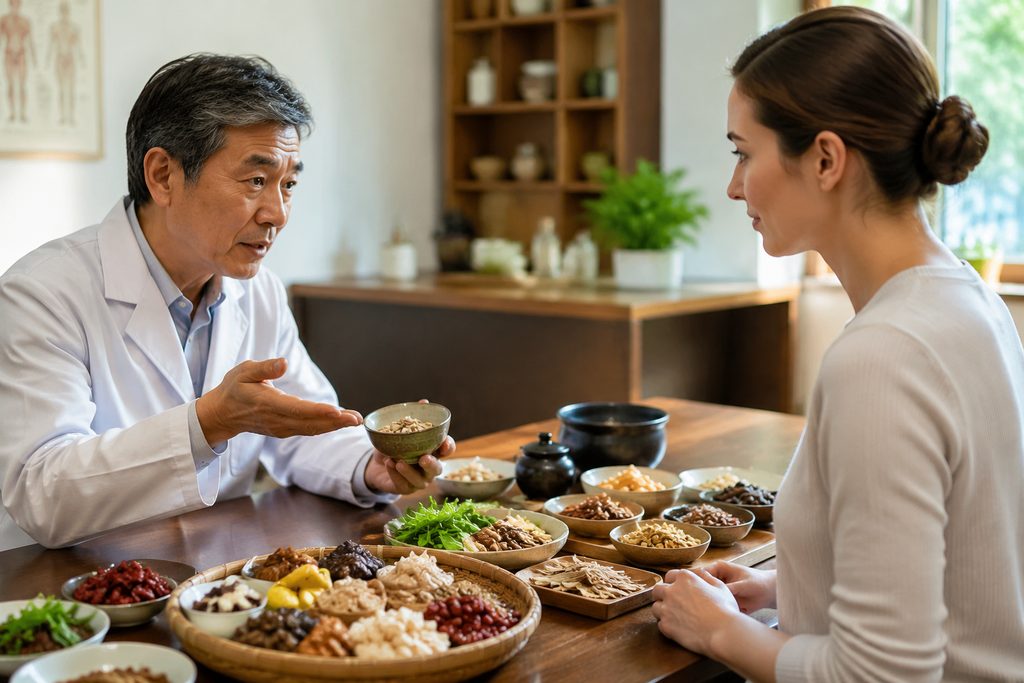
You’ve probably heard that traditional Chinese medicine is all about bitter herbal decoctions and mysterious acupuncture needles. The reality is far more nuanced—and far more practical. At its core, TCM has always treated food as the first medicine. That principle, known as medicinal nutrition or food therapy, is now a structured clinical discipline in China’s top hospitals. If you’re searching for TCM diet therapy cost China, you’re likely weighing whether this approach fits your health needs and your budget. The short answer: consultations typically range from $50 to $150 at public TCM hospitals, while comprehensive inpatient or package programs run $1,500 to $6,000 depending on duration and hospital tier. But the real question isn’t just cost. It’s whether this model of care can address what Western medicine hasn’t.
What Is TCM Medicinal Nutrition Therapy?
Before discussing prices, let’s clarify what is TCM medicinal nutrition therapy. It is not a generic “eat more vegetables” wellness lecture. In China, it is a formal sub-specialty within TCM hospitals. Practitioners assess your constitution, current imbalances, and disease patterns using traditional diagnostic methods—tongue inspection, pulse reading, detailed questioning about digestion, sleep, body temperature, and emotional state. Then they prescribe specific foods, cooking methods, and eating rhythms tailored to your condition.
For example, a patient with chronic dampness and fatigue might be advised to avoid raw, cold foods and incorporate warming ingredients like ginger, cinnamon, and slow-cooked congee with specific grains. A patient with yin deficiency and night sweats might receive a different protocol entirely. The prescription is individualized. That’s the core difference from generic dietary advice. It’s diagnosis-driven nutrition.
This approach is used in China for managing type 2 diabetes, hypertension, digestive disorders, post-operative recovery, cancer supportive care, and autoimmune conditions. It works alongside conventional treatment, not as a replacement for it. Reputable TCM hospitals will say this plainly.
Who This Is Right For — and Who It Isn’t
Medicinal nutrition suits certain profiles well. But it’s not for everyone. Being honest about that saves you time and money.
Typically good candidates:
- People with chronic digestive complaints—bloating, IBS-like symptoms, poor appetite—that haven’t resolved with standard care
- Patients undergoing cancer treatment who want supportive nutrition to manage side effects like nausea, fatigue, or weight loss
- Individuals with metabolic conditions such as early-stage type 2 diabetes or fatty liver who want a structured dietary intervention
- Those recovering from surgery or prolonged illness who need rebuilding nutrition
- People who have tried elimination diets or generic meal plans without lasting results and want a more personalized framework
Who should be cautious or avoid this:
- Anyone with an acute medical emergency or rapidly progressing disease requiring urgent conventional care
- Patients with severe malnutrition needing clinical enteral or parenteral nutrition
- People with eating disorders where restrictive food rules could worsen the condition
- Those unwilling to commit to dietary changes—TCM food therapy requires consistency over weeks, not a single consultation
- Individuals taking multiple medications with narrow therapeutic windows who cannot coordinate their TCM practitioner with their prescribing physician
If you fall into the second group, a TCM nutrition consultation may still be useful later. But it should not be your first stop.
The Options, Compared
When international patients ask about traditional Chinese food therapy hospital price, they’re usually comparing several service formats. Here’s how they stack up.
| Service Format | Typical Cost (USD) | Duration | What You Get | Best For |
|---|---|---|---|---|
| Outpatient consultation, public TCM hospital | $50–150 | 30–60 min | Diagnosis, dietary prescription, one follow-up adjustment | Budget-conscious patients with a clear, stable condition |
| Outpatient consultation, international department | $150–400 | 45–90 min | Same as above plus English-speaking staff and less waiting | Foreigners without Chinese language support |
| Written second opinion on nutrition plan | $300–500 | 1–2 weeks turnaround | Review of your records and current diet, written TCM analysis and recommendations | Patients who cannot travel yet but want expert input |
| Video consultation with TCM nutrition specialist | $100–300 | 30–60 min | Live discussion, preliminary dietary guidance, plan for in-person follow-up if needed | International patients evaluating whether to commit to travel |
| Inpatient TCM nutrition program (2–4 weeks) | $1,500–6,000 | 14–28 days | Daily meals prepared by hospital kitchen, daily practitioner rounds, adjunct therapies like acupuncture or tuina | Chronic complex cases needing immersive intervention |
The outpatient route at a public TCM hospital is the most economical. But language barriers are real. Most public hospital TCM nutrition departments do not have English-speaking staff on the floor. The international department option costs more precisely because it removes that friction. The inpatient program is the most expensive because it includes accommodation, prepared meals, and daily monitoring. Which one fits? If your condition is stable and you have a translator or companion, public outpatient works. If you’re traveling alone and need clarity, the international department or a video consultation first is wiser.
What a TCM Nutrition Consultation Actually Looks Like in China
Here’s what happens when you book a session at a hospital like Longhua Hospital or Shuguang Hospital in Shanghai—both affiliated with Shanghai University of Traditional Chinese Medicine and known for their TCM nutrition departments. You’ll first register, either through the hospital’s international department or with assistance from a service like China Medical Services. Then you’ll sit with a practitioner who asks questions Western doctors rarely ask: Do you prefer hot or cold drinks? How is your sleep between 1 and 3 a.m.? What does your tongue look like in the morning? These questions map to TCM diagnostic frameworks.
The practitioner will examine your tongue coating, take your pulse at three positions on each wrist, and review any lab work you bring. Then comes the prescription. It may include specific foods—lotus seed, Chinese yam, pearl barley, goji berry, astragalus root in soups—along with foods to avoid and cooking instructions. You’ll receive a written plan, usually in Chinese. Having a bilingual companion to translate and clarify is valuable here. The plan typically gets adjusted every two to four weeks because your pattern changes as your body responds.
One thing surprises many Western patients: the specificity. You won’t hear “eat more vegetables.” You’ll hear “cook millet congee with five red dates and three slices of fresh ginger, eat it warm at breakfast for 21 days, avoid raw salads and iced drinks during this period.” That level of precision is the product. It’s also why follow-up matters—the initial prescription is a starting point, not a static formula.
Is TCM Diet Therapy Safe for Chronic Disease?
You can arrange a video consultation or written second opinion before traveling, which costs $100–500 depending on the format and specialist seniority. This lets a TCM physician review your case and confirm whether an in-person program is worth pursuing. Full inpatient packages are typically confirmed after an initial assessment, not booked blind from abroad. Any coordination service should be transparent about this sequencing.
The evidence base is mixed. Some ingredients used in TCM food therapy—like ginger for nausea or certain fibers for glycemic control—have solid research support. The overall diagnostic framework of TCM has not been validated by Western clinical trials. What’s well documented is that structured dietary interventions improve outcomes in diabetes, hypertension, and digestive disorders. TCM nutrition is one structured approach. Whether it outperforms other structured diets for your specific condition is a question for your medical team.
This is a real risk with any dietary change. Bring your full medication list to the consultation and ask the TCM practitioner to flag potential interactions. Also inform your prescribing physician about the dietary plan. In China’s top hospitals, TCM and Western medicine departments often coordinate internally. From abroad, you’ll need to facilitate that communication yourself or through a coordination service. Never stop or alter medications based solely on a TCM nutrition plan.
Longhua Hospital and Shuguang Hospital—both affiliated with Shanghai University of Traditional Chinese Medicine—are the most commonly referenced institutions for TCM nutrition in Shanghai. Both have dedicated nutrition departments and international service options. The TCM hospital directory on our site lists additional options across China with details on international patient services.
Your Next Step
TCM diet therapy in China is a legitimate, structured discipline with real clinical application—not a wellness fad. The costs are transparent and, by Western standards, modest. The challenge is navigating a system where language, documentation, and follow-up logistics determine whether you get value or just a confusing afternoon. That’s where we come in. China Medical Services is not a hospital and we don’t provide diagnoses or treatment. We connect international patients with appropriate TCM departments, arrange bilingual companions, and coordinate the practical steps from visa documentation to post-consultation follow-up. If you’re considering medicinal nutrition in China, a conversation about your specific case costs nothing. Request a free consultation and we’ll help you figure out whether this path makes sense for you.
Frequently Asked Questions
Yes. The hospitals used for international patients are JCI-accredited and follow the same international safety standards as top hospitals in the US and Europe. Surgical teams perform high volumes of procedures — often more than their Western counterparts — which studies show leads to better outcomes.
Costs vary by procedure and hospital, but international patients typically save 40-80% compared to US prices — even when factoring in travel and accommodation. A consultation with our team will give you an exact, all-inclusive quote with no hidden fees.
Send us your existing medical reports to get started. We handle everything from hospital selection and appointment scheduling to visa assistance and post-operative recovery planning. Your medical records are reviewed by the specialist before you even book a flight.
For more medical information and treatment options in China, visit chinamedservices.com (China Medical Services).
