Top Tuberculosis Hospital: Shanghai Pulmonary Hospital for Foreigners
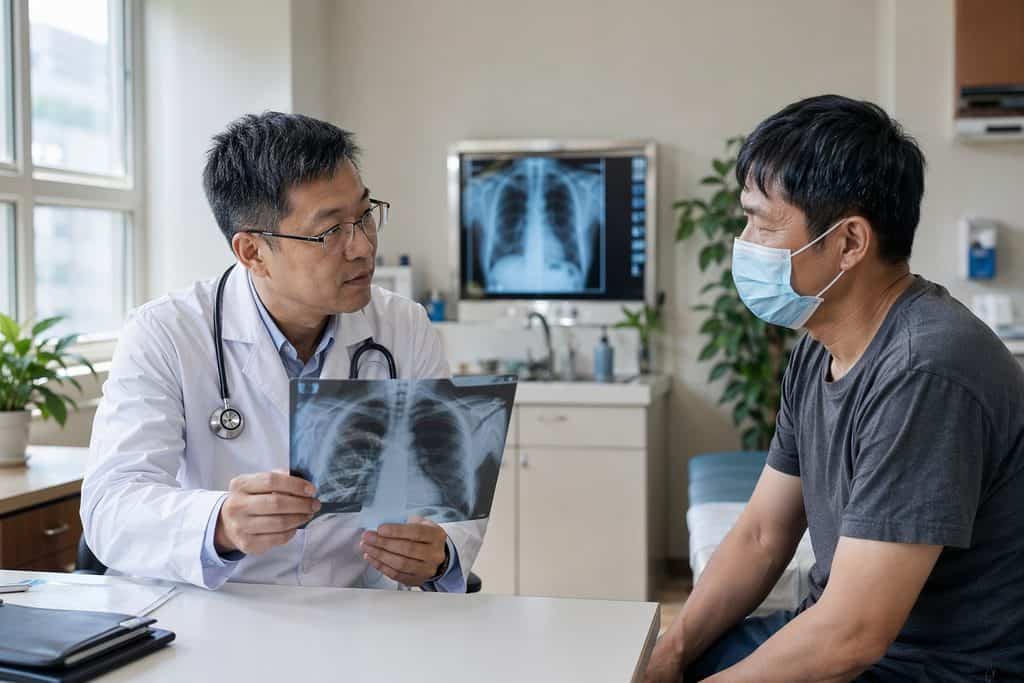
When 34-year-old Daniel from Manchester finally got a clear sputum culture result after six months of coughing, night sweats, and unexplained weight loss, his first question wasn’t about the diagnosis. He already suspected TB. What he wanted to know was where to go. His local NHS trust had started him on first-line drugs, but the side effects hit hard, and his case showed signs of drug resistance on follow-up testing. A colleague who had worked in Shanghai mentioned a name that kept coming up in respiratory medicine circles: Shanghai Pulmonary Hospital. Daniel started searching for “tuberculosis treatment cost Shanghai Pulmonary Hospital” and found himself drowning in fragmented forum posts and outdated pricing pages. This article exists to answer the questions he actually asked.
Shanghai Pulmonary Hospital for Tuberculosis: The Short Answer
Yes. Shanghai Pulmonary Hospital is widely regarded as China’s leading center for tuberculosis care, handling more complex and drug-resistant TB cases annually than any other single institution in the country. The hospital’s TB department operates one of the largest inpatient TB wards in Asia, with dedicated units for multidrug-resistant tuberculosis (MDR-TB) and extensively drug-resistant tuberculosis (XDR-TB). If you are a foreigner asking “is Shanghai Pulmonary Hospital good for tuberculosis,” the short answer is that it sits at or near the top of every reputable ranking of Chinese TB centers. But the longer answer involves a critical distinction: the hospital’s public outpatient clinics operate on a walk-in, same-day registration system that is extremely difficult for international patients to navigate without Chinese language skills. That’s where the real planning begins.
Shanghai Pulmonary Hospital is not a boutique international facility. It is a massive public hospital, one of the largest pulmonary specialty hospitals in the world, with over 1,000 beds dedicated to respiratory disease, thoracic oncology, and tuberculosis. The TB department alone manages thousands of inpatient admissions per year. For international patients, accessing this expertise typically requires coordination through the hospital’s international medical services or a third-party facilitator who understands the registration, documentation, and follow-up requirements.
Who This Is Right For — and Who It Isn’t
Traveling to China for TB treatment makes sense for a specific profile of patient. It is not a universal solution, and we say that plainly because the wrong trip wastes time and money.
Typically a good candidate:
- Confirmed or suspected MDR-TB or XDR-TB that is not responding to first-line therapy in your home country
- TB complicated by other pulmonary conditions requiring specialized thoracic surgery or bronchoscopic intervention
- Patients who need a second opinion on a complex or relapsed TB case and can travel with existing medical records
- Long-term expatriates already living in China or Southeast Asia who can attend multiple follow-up visits
- Patients with financial constraints who face prohibitive treatment costs in the US or Western Europe for drug-resistant TB
Who should not pursue this:
- Patients with uncomplicated, drug-sensitive TB that is responding well to standard first-line treatment at home — the travel burden outweighs any benefit
- Anyone with active, highly infectious TB who is medically unstable for long-haul air travel
- Patients requiring continuous intravenous therapy who cannot arrange a reliable local medical support network in Shanghai
- Individuals who cannot commit to the full treatment course in China or coordinate ongoing care back home (TB treatment typically lasts 6 to 24 months depending on drug resistance)
Drug-resistant TB treatment is a marathon, not a sprint. The decision to relocate for care should involve your current treating physician, not just an internet search.
The Options, Compared
When evaluating where to treat tuberculosis, international patients typically weigh three realistic pathways: staying in their home country, traveling to a Western private center, or seeking care at a top Chinese public hospital like Shanghai Pulmonary Hospital. Here is how they stack up.
| Factor | US/UK Public or Private TB Center | Western Private Hospital (e.g., Switzerland, Germany) | Shanghai Pulmonary Hospital (China) |
|---|---|---|---|
| Drug-sensitive TB treatment cost (full course) | $15,000–$40,000 (US, insured); free at point of care (UK NHS) | $30,000–$60,000 | $2,000–$6,000 (public pricing, varies by drug regimen) |
| MDR-TB treatment cost | $100,000–$180,000 (US, without complications) | $150,000–$250,000 | $15,000–$35,000 |
| XDR-TB treatment cost | $250,000+ (US) | $300,000+ | $40,000–$80,000 |
| Wait time for specialist consultation | 2–8 weeks (US); 4–12 weeks (UK NHS) | 1–3 weeks | Same-day to 1 week (public clinic); 1–2 weeks via international coordination |
| Annual MDR-TB case volume (approx.) | 100–300 per major center | 50–150 per center | 1,000+ at Shanghai Pulmonary Hospital |
| English-speaking clinical staff | Standard | Standard | Limited in public wards; better in international/VIP units |
| Access to newer drugs (bedaquiline, delamanid, pretomanid) | Standard in US/EU | Standard | Available, with hospital-specific protocols for MDR/XDR cases |
Which column suits which reader? If you have drug-sensitive TB and live in a country with functional public healthcare, stay home. The cost savings in China don’t justify the logistical complexity. If you have MDR-TB and face a $120,000 bill in the US, the Shanghai option starts to look compelling — even after adding travel, accommodation, and coordination costs. If you have XDR-TB, the volume argument matters most: Shanghai Pulmonary Hospital treats more XDR-TB patients in a year than most Western centers see in a decade, and that clinical experience translates into nuanced regimen design.
How Does Shanghai Pulmonary Hospital Treat MDR TB?
This is the question that separates a generic TB hospital from a center of excellence. MDR-TB means the bacteria resist at least isoniazid and rifampicin, the two most powerful first-line drugs. Treatment is longer, more toxic, and more expensive. Shanghai Pulmonary Hospital’s approach is built on volume and protocol discipline.
The hospital uses the standard WHO-recommended framework for MDR-TB: an intensive phase of 6 to 9 months with an injectable agent or newer oral regimens (depending on resistance patterns and patient tolerance), followed by a continuation phase that may extend total treatment to 18 to 24 months. But what distinguishes this center is the integration of surgical intervention when indicated. Shanghai Pulmonary Hospital performs lung resection surgery on a significant number of MDR-TB and XDR-TB patients each year — a strategy that, combined with optimized drug therapy, improves cure rates for patients with localized, cavitary disease that drugs alone cannot sterilize.
For international patients, the practical question is whether the hospital’s MDR-TB protocols are accessible to foreigners. They are, but not through the standard public outpatient route. The hospital’s international medical services department coordinates appointments with TB specialists, arranges interpreter support, and helps manage the extensive laboratory workup — sputum cultures, drug susceptibility testing, chest CT, bronchoscopy — that precedes any treatment decision. Expect the initial evaluation to take 3 to 7 days in Shanghai before a definitive treatment plan is issued.
Tuberculosis Treatment Cost Shanghai Pulmonary Hospital: What You Actually Pay
Let’s get specific about the tuberculosis treatment cost at Shanghai Pulmonary Hospital, because vague “it’s cheaper” claims help no one. The figures below reflect public hospital pricing for international patients using the standard or international coordination pathway. Actual costs vary by hospital and case complexity, drug resistance profile, and whether surgery is required.
Drug-sensitive TB (6-month standard regimen): $2,000–$6,000 total for medications, laboratory monitoring, and outpatient follow-up. This assumes no complications and no hospitalization beyond the initial diagnostic workup.
MDR-TB (18–24 month regimen): $15,000–$35,000 total. This includes the newer drugs (bedaquiline, linezolid, clofazimine, cycloserine) where indicated, monthly liver and kidney function monitoring, sputum culture follow-up, and management of adverse effects. Hospitalization during the intensive phase adds $80–$200 per day depending on ward type.
XDR-TB (24+ month regimen, often with surgery): $40,000–$80,000 total. The wide range reflects whether thoracic surgery is required, the specific drug combination, and the length of inpatient care.
What’s not included: international travel, accommodation in Shanghai (budget $1,500–$3,500 per month for a serviced apartment near the hospital), visa fees, interpreter services if you don’t use a coordination service, and any treatment continuation after you return home.
For comparison, the same MDR-TB treatment in the United States routinely exceeds $100,000, and XDR-TB care can top $250,000 even with insurance negotiation. The price gap is real, but it comes with trade-offs in language, continuity of care, and the practical burden of managing a long treatment course far from home.
Best TB Hospital in China for Foreigners: What “Best” Actually Means
If you search “best TB hospital in China for foreigners,” you’ll see Shanghai Pulmonary Hospital, Beijing Chest Hospital, and Guangzhou Chest Hospital mentioned most often. All three are excellent. But “best for foreigners” is not the same as “best for Chinese patients.”
Shanghai Pulmonary Hospital earns its reputation on clinical volume and research output in TB, thoracic surgery, and respiratory medicine. It is ranked among China’s top hospitals for respiratory disease and thoracic surgery in the Fudan University hospital rankings — one of the most authoritative hospital evaluation systems in China. For a foreign patient, however, the practical experience depends heavily on how you access the hospital. Walking into the public outpatient hall at 7 a.m. with a translated referral letter and hoping for the best is not a strategy. The hospital’s international coordination pathway exists precisely because the public system assumes Chinese language fluency and local knowledge of how registration, payment, and follow-up work.
So when you ask “is Shanghai Pulmonary Hospital good for tuberculosis,” the honest answer is yes — clinically, it is among the best in the world for complex and drug-resistant TB. Operationally, it is a Chinese public hospital with all the friction that implies for non-Chinese speakers. The clinical quality is world-class. The navigation is not. Plan accordingly.
Practical Considerations: Records, Visa, Payment, and Follow-Up
Before you book a flight, understand what a TB treatment journey to Shanghai actually requires.
Medical records: Bring everything. Sputum smear and culture results, drug susceptibility testing reports, chest imaging (preferably on CD or USB in DICOM format), treatment history with exact drug names, dosages, and dates, liver and kidney function tests, and any prior adverse drug reactions. All documents should be translated into Chinese or accompanied by a professional translation. The hospital’s TB specialists will not rely on a summary letter alone — they want primary data.
Visa: Foreign nationals traveling to China for medical treatment apply for an S2 visa, which covers short-term private affairs including medical care. You’ll need an invitation letter or medical treatment confirmation from the hospital, proof of financial means, and the standard visa application materials. Family members accompanying you also apply for S2 visas. Plan for 2 to 4 weeks for visa processing. Requirements change, so confirm the latest rules with the nearest Chinese embassy or consulate before booking anything non-refundable.
Payment: Chinese public hospitals operate on a prepayment model. You deposit funds upfront, and costs are deducted as services are rendered. International credit cards are accepted at the hospital’s international service desk, but wire transfer or a Chinese bank card is more reliable for larger deposits. Insurance is typically reimbursement-based — you pay first, then claim from your insurer. Private international hospitals in Shanghai offer direct billing, but Shanghai Pulmonary Hospital is a public institution and does not.
Language: The hospital’s international medical services department can arrange interpreter support, but this is not available in every department at every hour. For multi-week or multi-month treatment courses, many international patients hire a bilingual medical companion for key appointments — registration, consultations, pharmacy pickups, and follow-up visits. This costs from $300 per day and is separate from hospital charges.
Follow-up after returning home: TB treatment does not end when you leave Shanghai. You’ll need a local physician willing to continue the prescribed regimen, monitor for adverse effects, and communicate with your Shanghai team if complications arise. Before you travel, confirm that your home physician will accept this arrangement. Some will not, and that’s a conversation you need to have early.
Frequently Asked Questions
Drug-sensitive TB treatment at Shanghai Pulmonary Hospital typically costs $2,000–$6,000, while MDR-TB runs $15,000–$35,000 and XDR-TB $40,000–$80,000. In the US, equivalent care often costs 5 to 10 times more, with MDR-TB routinely exceeding $100,000. These figures exclude travel, accommodation, and coordination services, and the final tuberculosis treatment cost at Shanghai Pulmonary Hospital varies by hospital and case complexity.
Technically yes, the public outpatient clinic accepts same-day registration for anyone, including foreigners. In practice, doing this without Chinese language skills, local payment methods, and an understanding of the hospital’s workflow is extremely difficult. The international medical services pathway or a coordination service handles registration, translation, and appointment scheduling, which is why most international patients use one of these routes rather than attempting walk-in registration.
For an initial evaluation and treatment plan, plan for 5 to 10 days in Shanghai. For drug-sensitive TB, you may return home with a full prescription and follow-up plan after the initial workup. For MDR-TB or XDR-TB, the intensive phase typically requires 2 to 6 months in Shanghai, followed by a continuation phase that can sometimes be completed at home under local medical supervision. The total treatment course ranges from 6 months for drug-sensitive TB to 24 months or longer for XDR-TB.
TB treatment failure and drug toxicity are real risks, especially with second-line drugs used for MDR-TB and XDR-TB. Shanghai Pulmonary Hospital manages these complications daily — it is part of why their clinical volume matters. But if you return home and experience severe side effects, your local physician becomes the first responder, and communication with your Shanghai team happens remotely. This is not a reassuring-by-default arrangement. It works when the local physician is engaged and willing to collaborate. If that collaboration breaks down, you face a difficult situation far from your treating center.
No. The hospital does not sell fixed-price treatment packages for tuberculosis. You pay for services as they are delivered — consultation fees, laboratory tests, imaging, medications, and hospitalization are billed separately. Some coordination services may bundle their own fees into a package that includes appointment scheduling, translation, and logistics support, but the hospital’s medical charges remain separate and are billed directly by the hospital. Anyone offering a “book TB treatment package at Shanghai Pulmonary Hospital” that includes a fixed medical price is not representing the hospital’s actual billing structure.
Your Next Step
The decision to travel to Shanghai for TB treatment rests on three questions: how complex is your case, what are you paying at home, and can you manage the logistics of long-term care in a foreign system. If the answers point toward Shanghai, the next step is to gather your medical records and get an honest assessment of whether your case is a good fit for Shanghai Pulmonary Hospital’s expertise. Our team at China Medical Services helps international patients navigate Chinese public hospitals — we coordinate appointments, arrange bilingual medical companions, and handle the documentation and logistics. We are not a hospital, we do not provide medical advice or diagnoses, and we cannot promise specific clinical outcomes. What we can do is make the path to expert TB care in Shanghai clearer and less stressful. When you’re ready to explore whether this is right for you, start with a free consultation about your situation.
Daniel, the Manchester patient from the opening, eventually made the trip. His MDR-TB regimen was redesigned in Shanghai, and he completed his intensive phase there before returning to the UK for continuation care. His case was not simple, and neither is the decision. But for the right patient, Shanghai Pulmonary Hospital offers something that few other places in the world can match: deep clinical experience with the hardest TB cases,
For more medical information and treatment options in China, visit chinamedservices.com (China Medical Services).
