Wuhan Tongji Hospital Cardiology for International Patients: Costs, Booking, and What to Expect
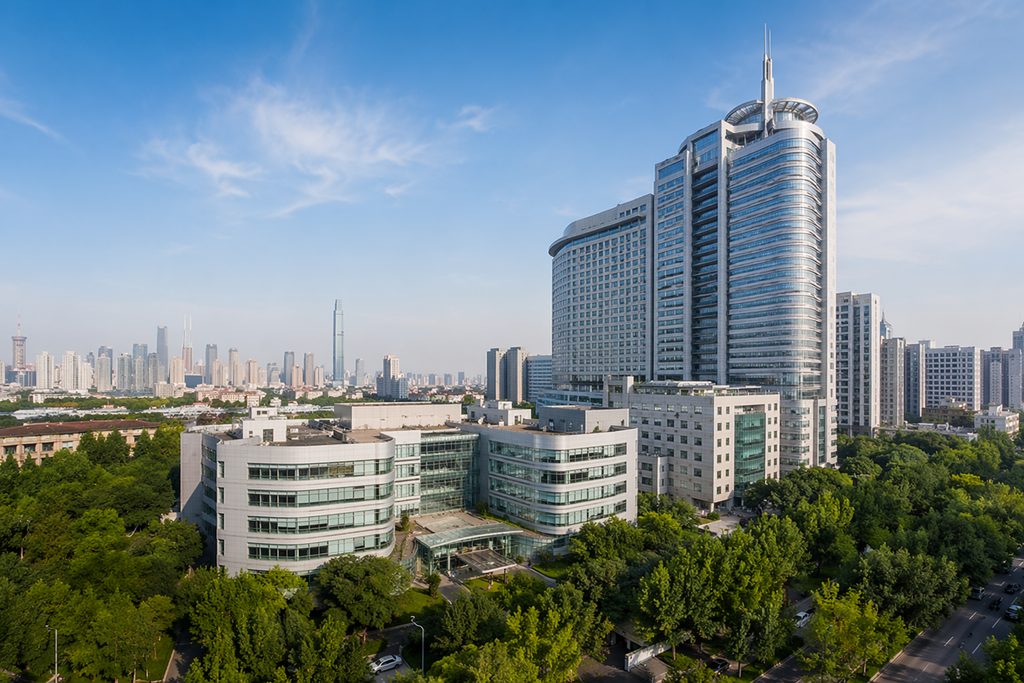
According to data from China’s National Health Commission, over 300,000 international patients sought medical treatment in Chinese hospitals in 2024, with cardiovascular care ranking among the top five specialties requested. For Western patients facing six-month waits or six-figure surgical bills at home, Wuhan Tongji Hospital has become a name that appears with increasing frequency in cardiology referrals. But what does the Wuhan Tongji Hospital cardiology international patient price actually look like? And more importantly — is this the right hospital for your specific heart condition?
Tongji Hospital, affiliated with Huazhong University of Science and Technology, operates one of the largest cardiovascular centers in central China. The hospital’s cardiac surgery department performs over 4,000 open-heart procedures annually. That volume matters. Studies consistently show that surgical outcomes improve with case volume, particularly for complex procedures like valve replacement and coronary artery bypass grafting. This article walks through the real process — costs, booking mechanics, timelines, and the honest trade-offs — for international patients considering cardiology care at Wuhan Tongji.
How This Actually Works, Step by Step
You cannot simply book a cardiology appointment at Tongji Hospital from overseas through the standard public registration system. The hospital’s regular outpatient clinics operate on a same-day queue system, and surgical scheduling requires an in-person consultation first. For international patients, the practical route runs through the hospital’s International Medical Center or a coordination service like China Medical Services.
Here is the sequence that actually gets you from abroad to a cardiology consultation in Wuhan:
Step 1: Document collection. You compile your existing cardiac records — echocardiogram reports, angiogram images, stress test results, current medication list, and any prior surgical notes. These must be translated into Chinese or provided in English for the international department’s review.
Step 2: Remote evaluation. The cardiology team reviews your files. This typically takes 5–7 business days. They determine whether your case is appropriate for treatment at Tongji and which subspecialist should see you — interventional cardiology, electrophysiology, or cardiac surgery.
Step 3: Written second opinion or video consultation. Before you book a flight, you can request a written analysis of your condition and proposed treatment direction. A video consultation adds a live conversation with the Chinese specialty team. This step costs between $100 and $500 depending on the seniority of the reviewing physician.
Step 4: Visa processing. Medical travelers apply for an S2 visa, which covers short-term private affairs including medical treatment. Processing times range from 5 to 15 business days depending on your home country’s Chinese embassy or consulate. Supporting documents from the hospital’s international department strengthen the application.
Step 5: Travel and in-person consultation. You arrive in Wuhan, attend your scheduled appointment at the International Medical Center, and the clinical team finalizes your treatment plan. If surgery is indicated, admission typically follows within 1–2 weeks after the consultation.
What Does Heart Treatment at Tongji Actually Cost for Foreigners?
The Wuhan Tongji Hospital cardiology international patient price differs significantly from what Chinese citizens pay through the national insurance system. International patients access care through the hospital’s VIP and international channels, which carry premium pricing — typically 1.5 to 2 times the standard rate. But even at those multiples, the numbers remain dramatically lower than Western benchmarks.
Consider coronary artery bypass grafting. At Tongji’s international department, a CABG procedure runs approximately $15,000 to $25,000 including hospital stay and surgeon fees. The same operation averages $120,000 to $180,000 in the United States. That gap explains why heart bypass surgery cost China for foreigners has become a frequent search query among uninsured and underinsured cardiac patients.
| Procedure | Tongji International Dept (USD) | US Average (USD) | UK Private (USD) |
|---|---|---|---|
| Coronary Angiography | $800 – $1,500 | $5,000 – $8,000 | $3,500 – $5,500 |
| Angioplasty with 1 Stent | $6,000 – $10,000 | $28,000 – $35,000 | $18,000 – $25,000 |
| Coronary Bypass (CABG) | $15,000 – $25,000 | $120,000 – $180,000 | $45,000 – $70,000 |
| Valve Replacement | $18,000 – $30,000 | $150,000 – $200,000 | $55,000 – $80,000 |
| Cardiac MRI | $400 – $700 | $2,500 – $4,000 | $1,800 – $3,000 |
Prices vary by hospital and case complexity. A straightforward single-vessel stent placement costs less than a complex triple-vessel bypass with valve repair. The numbers above reflect 2025–2026 pricing at public hospital international departments, not private international hospitals like United Family or Jiahui, which charge substantially more.
Is Tongji Hospital Wuhan Good for Heart Surgery?
This is the question behind the search query “is Tongji Hospital Wuhan good for heart surgery” — and the answer requires nuance. Tongji consistently ranks among the top 10 cardiac surgery departments in China’s Fudan University hospital rankings, the country’s most authoritative hospital assessment. Its cardiac surgery volume places it in the top tier nationally, alongside Fuwai Hospital in Beijing and Zhongshan Hospital in Shanghai.
But volume alone does not tell the full story. What matters for international patients is the specific subspecialty match. Tongji’s strengths include complex valve surgery, adult congenital heart disease repair, and minimally invasive cardiac procedures. For pediatric cardiac surgery, Fuwai and Shanghai Children’s Medical Center hold stronger reputations. For arrhythmia ablation, Tongji’s electrophysiology lab handles over 2,000 cases annually — competitive with the top-ranked cardiac centers in China.
The honest assessment: Tongji is a legitimate top-tier cardiac center with particular strength in adult structural heart disease. It is not the only option, and for certain rare conditions, another hospital may serve you better. A remote evaluation that matches your specific diagnosis to the right department matters more than chasing a single hospital name.
A Realistic Timeline
Patients routinely underestimate the calendar. Here is what the process actually looks like from first inquiry to completed treatment and return home.
| Stage | Typical Duration | What Happens |
|---|---|---|
| Document translation & submission | 3–7 days | Medical records translated, formatted, and sent to the international department |
| Remote review by cardiology team | 5–10 days | Specialists assess suitability and propose a treatment direction |
| Written second opinion or video consult | 7–14 days | Optional but recommended; clarifies the plan before you travel |
| S2 visa application | 5–15 business days | Embassy processing; hospital invitation letter supports the application |
| Travel to Wuhan + first consultation | Week 1 on arrival | In-person assessment, additional testing if needed |
| Surgery scheduling | 1–3 weeks after consult | Admission, pre-operative workup, procedure |
| Post-operative recovery in hospital | 5–10 days (CABG/valve) | ICU monitoring, step-down care, discharge planning |
| Local recovery before flying home | 1–2 weeks | Follow-up visits, clearance for long-haul flight |
Total realistic timeline: 8 to 12 weeks from first inquiry to returning home. Patients who skip the remote evaluation and fly directly to Wuhan often add 2–3 weeks to the process because they arrive without the necessary documents or discover their case needs a different specialist.
What Can Go Wrong — and What Happens Then
Things fail. Here are the honest failure modes for this specific journey, and what recourse actually exists.
Visa rejection. S2 visa applications can be denied if documents are incomplete or the invitation letter lacks sufficient detail. Recourse: reapply with corrected documentation. The hospital’s international department can issue a revised letter. This adds 2–3 weeks.
Treatment plan changes after arrival. The remote review may recommend surgery, but the in-person consultation reveals additional testing is needed — or the condition has progressed. Recourse: the hospital adjusts the plan. You may face additional costs and a longer stay. Budget a 15–20% contingency above the quoted price.
Language friction in non-international departments. While the International Medical Center has English-speaking coordinators, the wards, imaging departments, and billing offices often operate in Chinese only. Recourse: a bilingual medical companion handles translation, queue navigation, and payment logistics. This is not a luxury — it is the difference between a functional visit and a disorienting one.
Insurance reimbursement complications. Most Western insurers require pre-authorization for overseas treatment. Public Chinese hospitals require upfront payment; you then claim reimbursement. Recourse: obtain written pre-authorization from your insurer before traveling, and keep every receipt and discharge summary translated into English.
How to Book a Cardiology Appointment at Tongji as a Foreigner
The search phrase “how to book cardiology appointment at Tongji Hospital as foreigner” reflects a real frustration: the hospital’s public registration system is not built for overseas patients. The public WeChat-based booking platform requires a Chinese phone number and national ID. International patients hit a wall immediately.
Three practical routes exist:
Route 1: Direct contact with the International Medical Center. Tongji’s international department accepts inquiries by email and phone. Response times vary from 2 to 10 business days. You handle document translation, scheduling, and payment logistics yourself. This works for Mandarin-speaking patients or those with local contacts.
Route 2: A coordination service. An organization like China Medical Services handles the entire sequence — document translation, hospital liaison, appointment scheduling, visa documentation support, and on-the-ground bilingual accompaniment. Coordination fees start from $300 for appointment arrangement, with full-day bilingual companion services from $300 per day. Any remote consultation fee is credited in full toward on-the-ground coordination if you proceed within 90 days.
Route 3: Proxy consultation. If you cannot travel immediately, a designated representative can visit the hospital with your medical records, register on your behalf, and meet the specialist in person. This clarifies the treatment plan before you commit to travel. The service costs between $300 and $500 depending on the department and complexity.
Is Tongji the Best Cardiac Hospital in China for Expats?
The question “best cardiac hospital in China for expats” deserves a direct answer: there is no single best hospital. There is a best match for your condition, your budget, and your language needs. Tongji belongs on the shortlist for adult cardiac surgery. So do Fuwai Hospital in Beijing — the world’s highest-volume cardiac surgery center with over 14,000 procedures annually — and Zhongshan Hospital in Shanghai, which leads in complex valve intervention.
For expats living in China, proximity matters. If you are based in central China — Wuhan, Changsha, Zhengzhou, or Chongqing — Tongji is the logical first choice. If you are in Shanghai or Beijing, traveling to Wuhan for cardiac care makes less sense unless a specific surgeon or technique draws you there. The Fudan-ranked top hospitals distribute across 23 Chinese cities, and cardiac excellence exists in at least eight of them.
Do International Patients Get Package Deals at Tongji?
The phrase “Tongji Hospital heart treatment package for international patients” suggests a fixed-price bundle. The reality is more flexible and less standardized. Public hospital international departments typically quote per-procedure and per-day rates rather than all-inclusive packages. That said, the international department can provide a written cost estimate once your remote evaluation is complete.
A typical estimate includes: surgeon and anesthesiologist fees, operating room charges, ICU days, ward bed, medications, and basic post-operative testing. Excluded items often include: premium private room upgrades, imported stents or valves beyond the standard selection, extended ICU stays beyond the quoted days, and any complications requiring additional procedures.
Private international hospitals in China do offer more bundled pricing, but their cardiac surgery capabilities generally lag behind Tongji’s volume and complexity range. For serious cardiac surgery, the public hospital international department remains the better clinical choice.
Practical Considerations: Records, Visa, Payment, and Follow-Up
Medical records. Bring everything. Echocardiogram videos on disc, coronary angiogram images, prior surgical operative notes, current medication list with dosages, allergy information, and your most recent blood work. Incomplete records delay the remote review and may force repeat testing in Wuhan — adding cost and time.
Visa specifics. The S2 visa is the correct category for medical treatment stays under 180 days. Accompanying family members apply for their own S2 visas. The hospital’s international department provides an invitation letter and treatment confirmation document. Visa approval is never guaranteed, but complete hospital documentation significantly strengthens the application.
Payment. Public hospital international departments require upfront payment — typically a deposit covering the estimated procedure cost, with settlement upon discharge. Credit cards are accepted, but wire transfer may be required for large deposits. Western insurance generally reimburses after the fact; verify pre-authorization before traveling.
Language. The International Medical Center provides English-speaking coordinators for consultations. Wards, imaging, and billing run in Chinese. A bilingual companion is not optional for most Western patients — it is the practical difference between a smooth process and daily friction.
Follow-up at home. Before discharge, request a complete English discharge summary, operative report, medication list, and copies of all imaging. Your home cardiologist will need these. Tongji’s international department can arrange follow-up video consultations if questions arise after you return.
Frequently Asked Questions
Coronary artery bypass grafting at Tongji’s international department typically runs $15,000 to $25,000 including hospital stay and surgeon fees. This compares to $120,000+ in the United States. Final quotes vary by hospital and case complexity — a straightforward triple bypass costs less than one combined with valve repair.
You cannot book through the standard public registration system from overseas. The practical route is through the hospital’s International Medical Center or a coordination service that handles remote evaluation, document translation, and appointment scheduling. The remote review typically takes 5–10 business days before an in-person appointment is confirmed.
This is a real risk for cardiac patients. If your symptoms escalate — new chest pain, shortness of breath at rest, fainting — seek local emergency care immediately. Do not wait for a scheduled appointment in China. The remote evaluation process exists to determine suitability, not to manage acute cardiac events.
The hospital’s international department provides itemized invoices for insurance reimbursement, but payment is generally required upfront. Some major international insurers have direct billing arrangements with private international hospitals in China, but public hospital international departments typically operate on a pay-and-claim model. Verify with your insurer before committing.
Is the quality of cardiac surgery at Tongji comparable to Western hospitals?
For high-volume procedures like CABG and valve replacement, Tongji’s outcomes are competitive with Western benchmarks. The hospital performs over 4,000 open-heart procedures annually, and surgical
For more medical information and treatment options in China, visit chinamedservices.com (China Medical Services).
