Xiangya Hospital Changsha: Inside Hunan’s Premier Medical Center and Its Seven National Key Specialties
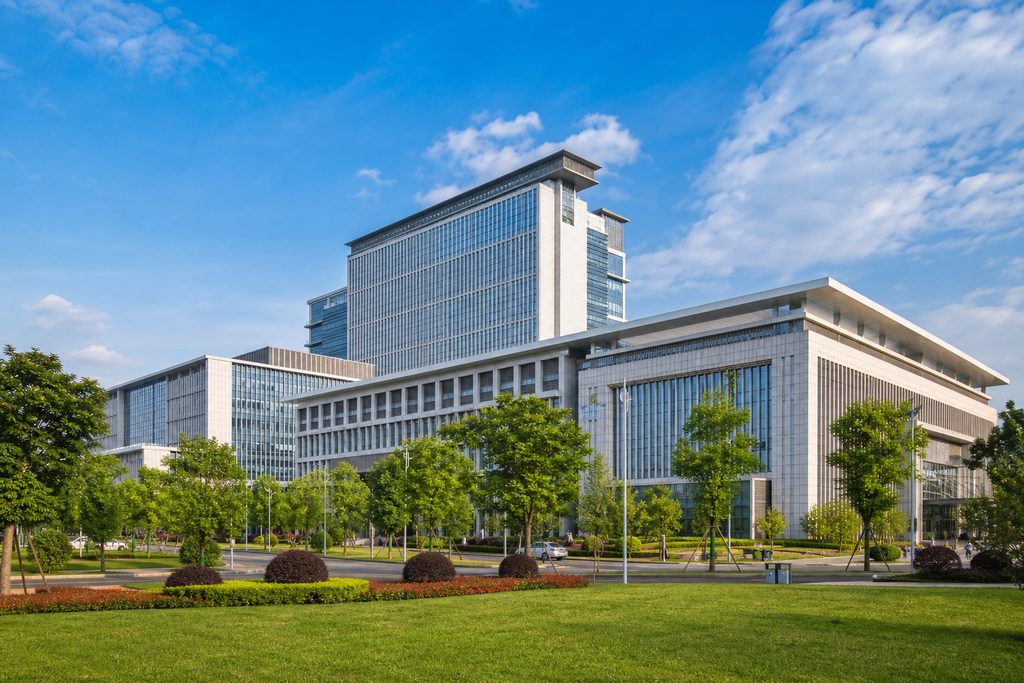
Have you ever wondered if a hospital outside the major Chinese coastal cities could rival the clinical firepower of Beijing or Shanghai? Xiangya Hospital in Changsha does exactly that. It anchors central China’s most formidable medical network, holding seven national key clinical specialties and treating over 3.5 million outpatients a year. For international patients weighing their options, the combination of deep expertise and a cost structure roughly 70–80% lower than comparable U.S. care makes this institution worth a very close look.
Key Takeaways
- Xiangya Hospital operates seven nationally designated key clinical specialties, including neurology, neurosurgery, and oncology, placing it in the top tier of China’s 35,000+ hospitals.
- For international patients, the Xiangya Hospital cost for international patients is typically 1.5 to 2 times the standard local rate when using the VIP International Medical Center, yet still represents a 70–80% savings versus U.S. hospital pricing.
- Navigating the hospital independently is extremely difficult without Mandarin fluency—the daily outpatient volume exceeds 12,000 visits, and all standard registration is conducted in Chinese.
- You cannot lock in a surgery date before an in-person consultation. The international pathway requires a specialist face-to-face evaluation first, which is a non-negotiable step in the process.
The Problem: When a Complex Diagnosis Requires a Team You Can Trust
Neurological disorders affect approximately 1 in 6 people globally, according to the World Health Organization. Brain tumors alone strike roughly 300,000 new patients each year worldwide. When the diagnosis lands—glioblastoma, a complex spinal lesion, refractory epilepsy—the search for the right surgical team becomes desperate. Western waiting lists stretch for months. A patient in London might wait eight weeks just for an initial neurosurgery consult. In Canada, the median wait between specialist referral and treatment is 26.8 weeks, per the Fraser Institute’s 2023 report. That is half a year of uncertainty.
Cancer care presents the same bottleneck. Pancreatic cancer, esophageal tumors, aggressive lymphomas—these do not pause for administrative delays. And the financial toll compounds the stress. A complex neurosurgical procedure with ICU recovery in the United States runs $80,000 to $150,000 for uninsured or underinsured patients. Many families simply cannot sustain that hit. They start searching for alternatives. They find fragmented information, language barriers, and no clear path forward. That is precisely where a structured international medical pathway changes the equation.
Who We Are
We are not a hospital. We do not provide medical treatment, offer clinical diagnoses, or make promises about surgical outcomes. Our team functions as your logistical architects—we bridge the gap between you and China’s top-tier medical expertise. We coordinate with the hospital’s official international department, arrange bilingual medical companions, handle document translation, and guide you through visa preparation. We know the system because we work inside it every day. Our database covers 340+ top-ranked hospitals across 37 Chinese cities, and Xiangya Hospital is among the institutions we know best.
Why Xiangya Hospital in Changsha Delivers Results
Seven National Key Specialties: Depth Where It Matters Most
China’s National Health Commission designates “National Key Clinical Specialties” through a rigorous evaluation of surgical volume, research output, and clinical outcomes. Xiangya holds seven of these designations. That is not a marketing badge—it is a structural indicator of where the hospital concentrates its resources, talent, and equipment. The list includes neurology, neurosurgery, oncology, orthopedics, critical care medicine, general surgery, and nursing. For a patient asking what are the top specialties at Xiangya Hospital Changsha, the answer starts with these seven pillars.
Neurology and neurosurgery stand out. The hospital’s neurosurgery department handles over 4,000 complex cranial and spinal procedures annually. That volume places it among the busiest neurosurgical centers in China. High case volume correlates with better outcomes in technically demanding procedures—a relationship well-documented in surgical literature. A 2020 study in The Lancet Neurology found that hospitals performing more than 300 glioma resections per year had significantly lower 30-day mortality rates than lower-volume centers. Xiangya clears that threshold comfortably.
Oncology is the other heavyweight. Is Xiangya Hospital good for cancer treatment reviews? The data says yes. The hospital’s cancer center integrates surgical oncology, medical oncology, and radiation therapy under one roof. It runs over 200 active clinical trials. For esophageal cancer—a disease with high incidence in parts of Asia—Xiangya’s thoracic surgery team performs more than 1,000 esophagectomies each year. Repetition breeds refinement. The five-year survival rates for early-stage esophageal cancer treated here are comparable to outcomes at major U.S. cancer centers, according to published institutional data.
Clinical Volume Drives Better Outcomes
Scale matters in surgery. A top orthopedic surgeon at Xiangya completes 300–400 joint replacements annually. The average U.S. orthopedic surgeon performs about 65 per year, based on data from the American Academy of Orthopaedic Surgeons. For knee arthroscopy, the gap widens further. This volume differential is not about talent—it is about system design. Chinese public hospitals run high-efficiency surgical schedules. Operating rooms turn over faster. Surgeons operate five to six days a week, not two or three.
That rhythm builds expertise that is difficult to replicate in lower-volume settings. A neurosurgeon who removes 200 brain tumors a year sees rare complications more often. She recognizes them earlier. She has refined her technique through sheer repetition. When you ask what are the top specialties at Xiangya Hospital Changsha, you are really asking where this volume-expertise flywheel spins fastest. The answer: neurology, neurosurgery, and oncology.
Cost Advantage Without Quality Compromise
Let us address the elephant in the room directly. Lower cost does not mean lower quality. The structural reasons Chinese hospitals can deliver care at a fraction of Western prices are straightforward. Labor costs differ. Hospital administrative overhead is leaner. Pharmaceutical and implant pricing is negotiated nationally. A cranial tumor resection with ICU stay that bills $90,000 in the United States might cost $18,000–$25,000 at Xiangya’s International Medical Center. That is the Xiangya Hospital cost for international patients reality—roughly 70–80% below U.S. benchmarks.
But here is the nuance. The international patient pathway costs more than the standard local pathway. You pay a premium for English-speaking coordination, faster access to senior specialists, and private inpatient rooms. Expect to pay 1.5 to 2 times the local rate. A local patient’s knee replacement might cost $6,000. An international patient pays $9,000–$12,000. That is still dramatically below the $35,000–$50,000 typical in the U.S. The math works for patients paying out of pocket or facing high deductibles.
For those searching best neurology hospital China price comparison, the pattern holds. A comprehensive epilepsy workup with long-term video EEG monitoring, 3T MRI, and PET-CT at Xiangya costs roughly $3,000–$5,000. A similar workup at a major U.S. epilepsy center runs $25,000–$40,000. The diagnostic technology is equivalent. The interpretation quality depends on the specialist reading the studies—and Xiangya’s epilepsy team reads thousands of these cases annually.
What You Need to Know Before Going Alone
We believe in radical honesty about the barriers. Too many medical tourism narratives gloss over the friction. Here is what you will face if you attempt to navigate Xiangya Hospital independently.
- Language Barrier: The hospital’s standard outpatient system operates entirely in Mandarin. Registration kiosks display Chinese characters. Triage nurses speak minimal English. Department signs are in Chinese. With over 12,000 daily outpatient visits, the environment is fast-paced and assumes local fluency. A bilingual companion is not a luxury—it is essential infrastructure.
- Registration and Queueing: Standard outpatient slots for top specialists disappear within minutes of release. The hospital uses a digital queuing system tied to a Chinese ID or passport number. Without local knowledge of release schedules and the right documentation pre-loaded, you will not secure the appointment you need. Walking in without preparation means wasting days.
- Visa Requirements: Medical treatment in China requires an S2 visa with a clear treatment purpose annotation. Your accompanying family member also needs an S2 visa. This is not an M visa (which is for business). The hospital must provide an official invitation letter and treatment confirmation before the visa application can proceed. Getting that letter without a local contact is slow and uncertain.
- Payment and Insurance: Public hospitals in China operate on a prepayment model. You deposit funds at admission, and the hospital draws down against that balance. International insurance is rarely accepted for direct billing at public institutions. You pay upfront and seek reimbursement later. The deposit for a major surgery can be $10,000–$20,000, and the payment counter requires Chinese-language forms.
How We Help You Navigate This
These barriers exist for structural reasons, not malice. China’s public hospital system was built to serve a domestic population of 1.4 billion people. International patients are an afterthought in the standard workflow. Our role is to route you through the dedicated international channel that exists precisely for this purpose.
Before you travel, we handle the document preparation. We request the official invitation letter from Xiangya’s International Medical Center, translate your medical records into Chinese, and ensure the specialist you need has reviewed your case summary. We do not promise you will see a specific named surgeon on a specific date—that is not how the system works. We promise we will coordinate through the official international department to secure the earliest available consultation with the appropriate senior specialist. If we cannot secure the appointment, the coordination fee is refunded in full.
During your treatment, a bilingual medical companion stays with you. This person handles registration, translates conversations with your doctor, guides you between departments, manages payment deposits, and picks up prescriptions. They know the hospital layout, the queuing rhythms, and the unspoken rules that make the difference between a smooth visit and a frustrating one. Our companion service starts from $200 per day. It is the single highest-value investment in your medical trip.
After discharge, we help coordinate follow-up video consultations with your Xiangya specialist. Any video consultation fee you pay is credited in full toward future on-the-ground coordination if you return within 90 days. This is a one-time credit applied to our coordination fee, never to hospital treatment charges.
Xiangya Hospital Cost for International Patients: A Detailed Breakdown
Let us put numbers on the table. These are reference ranges for international patients using the VIP International Medical Center pathway. Actual costs vary by case complexity, length of stay, and implant choices.
| Procedure | Xiangya International Patient (USD) | U.S. Average (USD) | Savings |
|---|---|---|---|
| Brain tumor resection (with ICU) | $18,000 – $25,000 | $80,000 – $150,000 | ~75–80% |
| Knee replacement (single) | $9,000 – $12,000 | $35,000 – $50,000 | ~70–75% |
| Esophageal cancer surgery | $15,000 – $22,000 | $60,000 – $120,000 | ~75–80% |
| Epilepsy diagnostic workup | $3,000 – $5,000 | $25,000 – $40,000 | ~80–85% |
| Spinal fusion (2 levels) | $12,000 – $18,000 | $50,000 – $90,000 | ~75–80% |
These Xiangya numbers include hospital bed charges, operating theater fees, standard implants, anesthesia, and routine post-operative care. They do not include our coordination fees, travel, accommodation, or complications that extend the stay. Always budget a 20% contingency for the unexpected.
How to Book Appointment Xiangya Hospital Medical Tourism Package
The phrase book appointment Xiangya Hospital medical tourism package suggests a product you can add to a cart. That is not how this works. There is no standardized “package.” Every case starts with a medical review. We need your existing diagnostic reports, imaging files (DICOM format preferred), and a summary of your treatment history. We translate these documents and submit them to the relevant department at Xiangya’s International Medical Center.
The department head or a senior specialist reviews the case. They determine whether your condition falls within their expertise and whether they can offer meaningful treatment. If the answer is yes, they propose a preliminary treatment plan and an estimated timeline. Only then do we discuss dates, logistics, and cost estimates. The process typically takes 5–10 business days from document submission to initial feedback. Rushing it is not possible—the clinical review is genuine and thorough.
Once the hospital confirms acceptance, we shift to logistics. We provide the invitation letter for your S2 visa application. We recommend nearby accommodation—Changsha has international hotels within a 15-minute drive of the hospital. We arrange airport transfer ($200 round-trip) and schedule your bilingual companion. The hospital requires a deposit upon admission, typically 50–70% of the estimated treatment cost, payable by international wire transfer or credit card at the international center.
Frequently Asked Questions
Some senior specialists at Xiangya speak functional medical English, particularly those who have published internationally or trained abroad. However, the hospital’s standard workflow—nursing, pharmacy, billing, discharge instructions—operates in Chinese. The International Medical Center provides English-capable coordination, but a dedicated bilingual companion ensures nothing gets lost between departments. Relying on the specialist’s English alone is risky for complex care.
Xiangya Hospital is a tertiary academic medical center with full intensive care capabilities, 24-hour emergency surgical backup, and a blood bank on site. The standard of emergency response is high. That said, international patients should carry medical evacuation insurance that covers repatriation. We do not provide medical care, but our team remains in contact with you and your family throughout hospitalization. If complications arise, we help facilitate communication between you, your doctors, and your insurers. We cannot guarantee outcomes—no one can—but we ensure you are never alone in the system.
Xiangya Hospital requires prepayment. You deposit funds upon admission, and the hospital deducts charges daily. At discharge, you settle the balance or receive a refund. Most international health insurance plans operate on a reimbursement model—you pay upfront and file a claim afterward. We provide itemized invoices and translated medical records to support your claim. A small number of international insurers have direct billing arrangements with Chinese public hospitals; check with your provider. Do not assume coverage without confirmation.
Changsha is the capital of Hunan province, with a population of over 10 million. It has an international airport with direct flights from major Asian hubs and connections from Europe and the Middle East. The city is generally safe, with low violent crime rates. English is not widely spoken outside the hospital and international hotels, so a companion or guide is valuable for daily logistics. The local cuisine is famously spicy—something to consider if you have dietary restrictions during recovery.
For those searching best neurology hospital China price comparison, the answer depends on your priority. Beijing’s Xuanwu Hospital and Shanghai’s Huashan Hospital are also national leaders in neurology and neurosurgery. They may offer marginally higher surgical volumes for certain subspecialties. But Xiangya’s neurology department is a national key specialty with comparable outcomes and a lower cost structure. Changsha’s cost of living is significantly lower than Beijing or Shanghai, which reduces accommodation and logistical expenses during extended treatment stays. If clinical quality is equal, the cost differential makes Xiangya compelling.
Your Next Step
Xiangya Hospital represents a specific kind of value: top-tier clinical expertise in central China, anchored by seven nationally recognized specialties, at a cost structure that makes complex care accessible to families who would otherwise face financial ruin. The trade-off is distance, language, and the need for expert navigation through an unfamiliar system. Those trade-offs are real. They are also manageable with the right support.
If you are considering treatment at Xiangya, start with a conversation. Our free consultation helps you understand whether your case is a fit, what the likely costs will be, and what the timeline looks like. There is no pressure and no commitment. We answer your questions honestly, even when the answer is “this hospital is not the right choice for your situation.” That clarity is what we would want for our own families.
For more medical information and treatment options in China, visit chinamedservices.com (China Medical Services).
