Zhejiang Provincial TCM Hospital Acupuncture: A Guide for International Patients
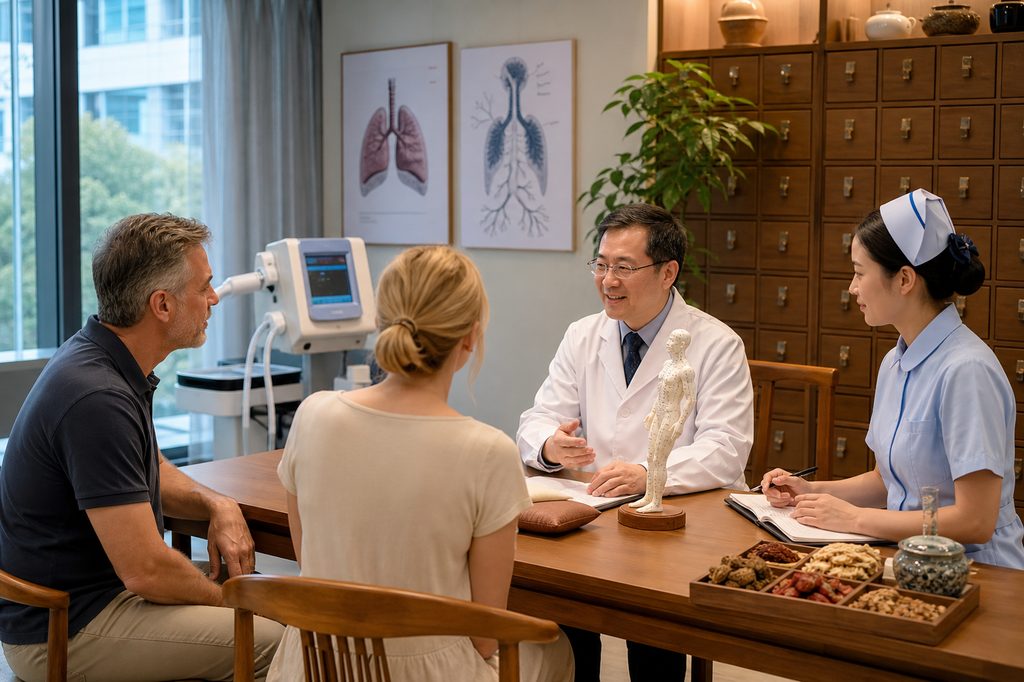
Zhejiang Provincial TCM Hospital Acupuncture for International Patients: A Practical Guide
You’ve probably heard that getting medical treatment in China means navigating crowded public hospitals with zero language support and uncertain quality. The reality at Zhejiang Provincial TCM Hospital is more nuanced. This institution, located in Hangzhou, operates one of China’s most established acupuncture departments. For international patients, understanding the acupuncture cost at Zhejiang hospital international patients face requires looking beyond a simple price tag. You need to know how the system works, what you are paying for, and whether the clinical quality justifies the journey.
Acupuncture has been practiced in China for over 2,000 years. Zhejiang Provincial TCM Hospital, founded in 1931, has spent nearly a century refining its approach. The hospital treats both domestic patients and a growing number of foreigners seeking alternatives to pharmaceuticals or surgery. But the practical questions remain: How much does a session cost? Can you book online? Is it safe for tourists? This guide answers those questions directly.
Key Takeaways
- Acupuncture sessions at Zhejiang Provincial TCM Hospital typically range from $30 to $120 per session for international patients, depending on the seniority of the practitioner and whether you use the international department.
- The hospital’s TCM acupuncture department handles over 200,000 outpatient visits annually, making it one of the highest-volume acupuncture centers in eastern China.
- Language remains the biggest barrier for foreigners. Most front-line staff speak limited English, which is why bilingual coordination matters more than most patients expect.
- You cannot simply walk in and see a senior specialist. Public hospital rules require registration, and the international department operates on a separate booking track.
The Problem: Chronic Pain Is Expensive and Underserved in the West
An acupuncturist in a Western private practice might see 8 to 12 patients per day. A senior acupuncturist at Zhejiang Provincial TCM Hospital sees 40 to 60 patients daily, six days a week. Over a 20-year career, that translates to hundreds of thousands of needle insertions. Volume alone does not guarantee skill, but in acupuncture — where needle placement, depth, and angle are refined through repetition — it matters enormously.
The department treats a wide spectrum: post-stroke rehabilitation, Bell’s palsy, cervical spondylosis, lumbar disc herniation, insomnia, and chemotherapy-induced nausea. This breadth means practitioners have seen your condition, or one very similar, hundreds of times. That is a different clinical reality than a suburban acupuncture clinic in Ohio.
Integrated TCM Methodology Beyond Needles
Zhejiang Provincial TCM Hospital does not treat acupuncture as an isolated technique. It is embedded within a full TCM framework. Patients receive a TCM diagnosis — patterns like “liver qi stagnation” or “kidney yang deficiency” — that informs needle selection, herbal prescriptions, moxibustion, cupping, and dietary advice. This integration is the default in Chinese TCM hospitals and the exception in Western acupuncture clinics.
For chronic conditions, the hospital often combines acupuncture with traditional Chinese herbal medicine and tuina massage. The goal is not just symptom relief but what TCM practitioners call “restoring balance.” Whether you accept that framework or not, the practical outcome is a more comprehensive treatment plan than a standalone acupuncture session.
Cost Advantage Without Quality Compromise
Here is where the acupuncture cost at Zhejiang hospital international patients pay becomes compelling. A standard acupuncture session in the hospital’s general outpatient department costs roughly 50 to 100 RMB ($7 to $14) for Chinese residents. International patients using the international department or VIP clinics pay more — typically $30 to $120 per session — because they receive English-speaking coordination, shorter queues, and access to senior specialists.
Compare that to $100 to $150 per session in the US, and the math is straightforward. Ten sessions in Hangzhou cost $300 to $1,200, versus $1,000 to $1,500 in the US. The savings do not reflect lower quality. They reflect China’s labor economics, the efficiency of high-volume public hospitals, and a healthcare system not built around insurance billing overhead. The needles are the same. The practitioner’s volume is higher. The price is lower because the entire cost structure is different.
What a Typical Acupuncture Session Looks Like at This Hospital
A first visit to Zhejiang Provincial TCM Hospital for acupuncture follows a predictable sequence. Knowing it in advance reduces anxiety and saves time.
You arrive at the hospital, which sits in central Hangzhou near West Lake. The campus is large, with multiple buildings. The TCM acupuncture department is typically on the third or fourth floor of the main outpatient building. Registration happens on the ground floor. If you are using the international department, a coordinator handles this for you. If you are going alone, expect to navigate Chinese-language signage and possibly long queues.
The consultation itself lasts 10 to 20 minutes. The practitioner asks about your symptoms, examines your tongue, and checks your pulse at both wrists. These are diagnostic tools in TCM, not theater. They inform the point selection. Then you lie on a treatment table, fully clothed or with the relevant area exposed. Needles — sterile, single-use, hair-thin — are inserted at 8 to 20 points. They stay in for 20 to 30 minutes. Some patients feel a dull ache or tingling; that is the “de qi” sensation and is considered a sign of correct placement.
After removal, the practitioner may recommend cupping, moxibustion, or an herbal prescription. A typical course for chronic pain is 10 to 12 sessions, two to three times per week. You will not be cured in one visit. Anyone promising that is not being honest.
What You Need to Know Before Booking: Safety, Language, and Logistics
Is acupuncture in China safe for tourists? The short answer is yes, with caveats. Chinese public hospitals use sterile, single-use needles. The risk of infection is negligible. The larger concerns are communication and navigation, not clinical safety.
Zhejiang Provincial TCM Hospital is a public institution. It is not designed for foreign tourists. Front-line registration staff speak Mandarin and sometimes a little English. Signage is primarily Chinese. Queues can be long. Payment is made via WeChat, Alipay, or Chinese bank cards — foreign credit cards are not always accepted. If you do not speak Chinese and do not have a local payment app, a solo visit can quickly become frustrating.
| Cost Item | General Outpatient (Self-Pay) | International Department | Typical US Clinic |
|---|---|---|---|
| Initial consultation | $5–$15 | $30–$60 | $100–$200 |
| Acupuncture session | $7–$14 | $30–$80 | $75–$150 |
| Cupping add-on | $3–$8 | $10–$20 | $30–$50 |
| Herbal prescription (weekly) | $10–$30 | $20–$50 | N/A (rarely offered) |
| 10-session course total | $100–$200 | $300–$1,200 | $1,000–$1,500 |
Prices vary by hospital and case complexity. The figures above are based on typical public hospital fee schedules in Zhejiang province and should be treated as estimates, not quotes.
Booking a session online is not as simple as it sounds. The hospital has a Chinese-language appointment system, but it requires a Chinese phone number and often a local ID. Foreigners cannot easily use it. The international department accepts bookings by phone or email, but response times vary. This is where a coordinator familiar with the hospital’s internal procedures becomes valuable. They can book the appointment, arrange payment, and provide interpretation during the visit.
Practical Considerations: Visa, Payment, and Follow-Up
Traveling to Hangzhou for medical treatment requires an S2 visa. This is the short-stay visa category used for medical treatment and private affairs. It is not the same as an M visa, which is strictly for commercial and trade activities. To apply, you typically need an invitation letter or supporting documents from the hospital, proof of accommodation, and a travel itinerary. Processing times vary by embassy, so apply at least four to six weeks before your planned travel date.
Payment inside Chinese public hospitals is predominantly digital. WeChat Pay and Alipay dominate. Some hospitals accept UnionPay cards. Foreign Visa or Mastercard acceptance is improving but not universal. Bring cash as a backup, and set up a Chinese payment app before your visit if possible. The hospital pharmacy and herbal dispensary also operate on this payment system.
Insurance is a mixed picture. Most US and European insurance plans do not cover treatment at Chinese public hospitals, though some international plans do. You will likely pay out of pocket and file for reimbursement later. Ask the hospital for itemized receipts and a treatment summary in English — the international department can provide these.
After returning home, follow-up is a real challenge. Acupuncture for chronic conditions often requires maintenance sessions. Some patients arrange follow-up video consultations with the same practitioner, though this is less common in TCM than in Western medicine. A practical approach: complete an intensive 10 to 14-day course in Hangzhou, then find a local acupuncturist at home for maintenance and share your treatment records with them.
Frequently Asked Questions
Is acupuncture at Zhejiang Provincial TCM Hospital safe for foreigners?
Yes. The hospital uses sterile, single-use needles and follows standard infection control protocols. The main risks for foreigners are logistical — language barriers, payment friction, and navigation — not clinical safety. Using the international department or a bilingual coordinator mitigates most of these issues.
How does TCM acupuncture work for chronic pain?
From a Western biomedical perspective, acupuncture stimulates nerves, muscles, and connective tissue, triggering the release of endorphins and modulating pain signaling pathways. From a TCM perspective, it unblocks the flow of qi along meridians. The practical outcome — reduced pain intensity and improved function — is supported by multiple meta-analyses, including a 2018 Cochrane review on chronic pain that found acupuncture superior to sham and usual care.
Can I book an acupuncture session at a Hangzhou TCM hospital online before I arrive?
Not easily on your own. The hospital’s online booking system requires a Chinese phone number and local ID. The international department can accept bookings by phone or email, but response times vary. A third-party coordinator familiar with the hospital can book on your behalf, which is the most reliable option for international patients.
What if acupuncture does not work for me?
Acupuncture is not a cure-all. Response rates in clinical trials range from 50% to 70% for chronic pain conditions, meaning a significant minority of patients see little benefit. A responsible practitioner will assess your response after 3 to 5 sessions and recommend discontinuing or adjusting treatment if there is no improvement. Do not commit to a 20-session package upfront.
Is Zhejiang Provincial TCM Hospital the best TCM hospital in Hangzhou for foreigners?
It is one of the top options, alongside Hangzhou Hospital of Traditional Chinese Medicine. Zhejiang Provincial TCM Hospital is larger, has a more established international department, and is affiliated with Zhejiang Chinese Medical University. For acupuncture specifically, its department is among the busiest in the province. The “best” choice depends on your condition and whether you need English-speaking coordination.
Your Next Step
Acupuncture at Zhejiang Provincial TCM Hospital offers a legitimate, lower-cost alternative for international patients with chronic pain or other conditions responsive to TCM. The clinical volume is high, the methodology is integrated, and the price is a fraction of Western rates. The trade-off is logistical complexity: language, booking, and payment all require more effort than a local clinic. If you want to explore this option without navigating those barriers alone, our team at China Medical Services provides free consultation on hospital matching and can coordinate appointments, interpretation, and logistics. We are not a hospital and do not provide diagnoses — we simply help you access the care you have already decided to pursue.
Understanding the acupuncture cost at Zhejiang hospital international patients pay is just the starting point. The real question is whether the clinical experience and savings justify the journey. For many patients, the answer is yes.
For more medical information and treatment options in China, visit chinamedservices.com (China Medical Services).
