First Affiliated Hospital of Zhengzhou University Neurosurgery: A Guide for International Patients
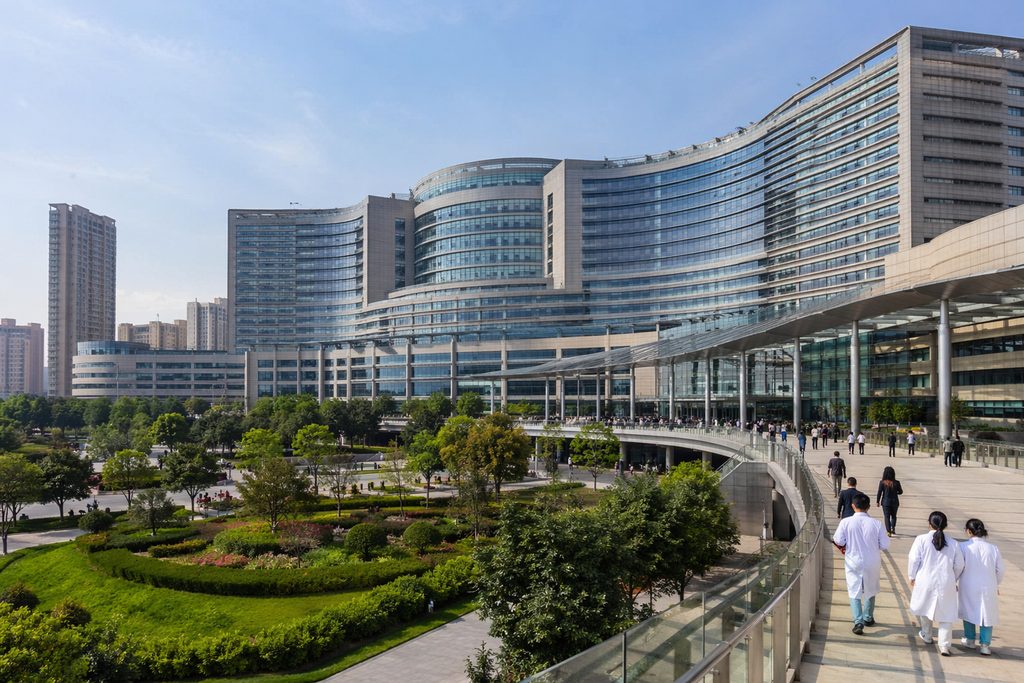
First Affiliated Hospital of Zhengzhou University Neurosurgery for International Patients: What You Need to Know
If you have been told you need brain surgery, the words themselves are terrifying. In plain terms, neurosurgery means operating on the brain, spine, or nerves — and “brain tumor surgery” specifically means removing abnormal tissue from inside your skull. The First Affiliated Hospital of Zhengzhou University is one of the largest hospital centers in central China, and its neurosurgery department handles thousands of these procedures every year. For international patients, the question is rarely about whether the hospital has the technical ability. The real question is how you access that ability from another country, what the brain tumor surgery cost China actually looks like, and whether the logistics are manageable. This guide walks through each of those questions honestly.
Our team at China Medical Services has coordinated care for patients from over 20 countries at major Chinese hospitals, including Zhengzhou. We have seen what works, what stalls, and what surprises people. Here is the unvarnished picture.
How This Actually Works, Step by Step
Expect $15,000 to $35,000 for a standard craniotomy and tumor resection, including the hospital stay. Complex cases involving the brainstem, skull base, or major vasculature run $30,000 to $45,000. These are reference ranges that vary by hospital and case complexity. The final quote comes only after the specialist reviews your imaging and examination findings.
At high-volume academic centers like the First Affiliated Hospital of Zhengzhou University, safety outcomes for standard neurosurgical procedures are comparable to good Western centers. The key is hospital selection. Top-tier Chinese hospitals with dedicated neurosurgery departments and international patient pathways have the infrastructure, experience, and protocols to manage complex cases safely. Lower-tier hospitals do not. Choose carefully.
The process is nearly identical. You submit imaging — CT angiography or digital subtraction angiography — and the neurosurgical team reviews it. Brain aneurysm clipping in China at a major center typically costs $20,000 to $40,000. The same pre-operative evaluation, visa process, and in-person consultation requirements apply.
No, but you need a plan for communication. The international services office provides English-speaking coordination for registration and billing. Ward-level communication is more variable. A bilingual medical companion — either a family member or a professional service — makes the experience dramatically smoother and reduces the risk of miscommunication during critical moments like discharge instructions.
Your Next Step
Neurosurgery abroad is a serious decision, and the logistics are as important as the medicine. If you are considering the First Affiliated Hospital of Zhengzhou University for neurosurgery, start with a written second opinion. Send us your records, and we will translate them, submit them to the neurosurgery team, and bring back a clear recommendation — including whether surgery in Zhengzhou makes sense for your specific case.
We are China Medical Services, a coordination team for international patients seeking treatment at top Chinese hospitals. We handle records, translation, visa guidance, hospital registration, and bilingual accompaniment. We do not perform medical procedures, and we never promise outcomes. What we do is make a complex system navigable. If you want to explore whether this path is right for you, request a free consultation — we will talk through your case and give you an honest assessment of your options.
The core message is simple: high-quality neurosurgery in China is real, accessible, and dramatically less expensive than in Western systems — but only if you choose the right hospital and manage the process properly. That is what we help with.
Frequently Asked Questions
Yes. The hospitals used for international patients are JCI-accredited and follow the same international safety standards as top hospitals in the US and Europe. Surgical teams perform high volumes of procedures — often more than their Western counterparts — which studies show leads to better outcomes.
Costs vary by procedure and hospital, but international patients typically save 40-80% compared to US prices — even when factoring in travel and accommodation. A consultation with our team will give you an exact, all-inclusive quote with no hidden fees.
Send us your existing medical reports to get started. We handle everything from hospital selection and appointment scheduling to visa assistance and post-operative recovery planning. Your medical records are reviewed by the specialist before you even book a flight.
For more medical information and treatment options in China, visit chinamedservices.com (China Medical Services).
