Zhongshan Ophthalmic Center: Full Service Guide for International Eye Care
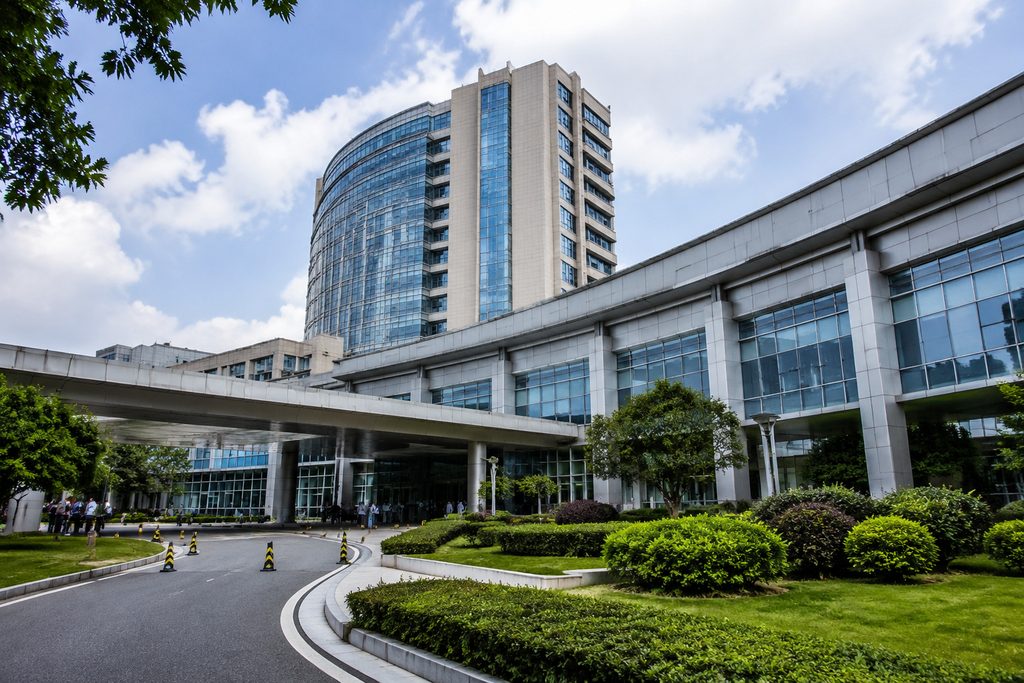
You have probably heard that getting specialized medical care in a foreign country means sacrificing clear communication for lower costs. The assumption is that you will be lost in translation, both linguistically and clinically. At Zhongshan Ophthalmic Center (ZOC) at Sun Yat-sen University in Guangzhou, that trade-off doesn’t exist in the way you might fear. This is a facility that performed over 130,000 surgeries last year. The sheer volume reshapes what is possible. Our team has coordinated care here for patients from over a dozen countries. We have seen the system’s strengths up close. We have also navigated its complexities. This guide lays out exactly what you need to know, from the real Zhongshan Ophthalmic Center price list to the step-by-step process of walking through its doors.
Key Takeaways
- Zhongshan Ophthalmic Center is not just China’s top eye hospital; it was ranked the No. 1 ophthalmic center in all of Asia by the 2023 SCImago Institutions Rankings, driven by a surgical volume that dwarfs most Western centers.
- Accessing ZOC as an international patient isn’t a simple walk-in process; the public hospital system requires navigating a high-volume Chinese-language environment, which is why a structured approach to booking and translation is non-negotiable.
- Cost savings are substantial but not uniform. While a standard cataract surgery might be a fraction of the US price, a complex vitreoretinal procedure using a premium lens will vary significantly, and the final Zhongshan Ophthalmic Center price list is always case-dependent.
- You cannot simply email the hospital for a next-day appointment with a named professor. The public queue is real, and the international pathway operates on a different logistical track that requires medical records before any confirmation.
The Problem: When Your Vision Hinges on an Overburdened System
A 2022 study in JAMA Ophthalmology projected that by 2050, nearly 4.8 million people in the United States alone will be visually impaired. That’s more than double the number from 2015. In the United Kingdom, the Royal National Institute of Blind People reports that NHS ophthalmology is the busiest outpatient specialty, with nearly 9 million attendances annually, creating follow-up backlogs that can stretch months past clinically recommended dates. Waiting 14 months for a cataract that reduces your world to a blur isn’t a minor inconvenience. It is a slow erosion of your independence. You stop driving at night. Then you stop reading the fine print. Then you start missing the faces of your grandchildren.
For many, the financial barrier is even more immediate than the wait. A retinal detachment repair in a private US facility can exceed $25,000 for an uninsured patient. That’s a price that forces hard choices. Do you drain your retirement savings, or do you live with the shadow creeping across your peripheral vision? Neither option is acceptable. This is the precise pressure point that has made the best eye hospital in China for international patients a serious consideration, not a last resort.
Why Zhongshan Ophthalmic Center Delivers Results at an Unmatched Scale
ZOC is not a general hospital with a small eye wing. It is a self-contained city of eye care. The campus spans two major zones in Guangzhou—the Zhujiang New Town campus and the historic Ouzhuang campus. Together, they handle a daily outpatient volume that can exceed 5,000 visits. This density creates a clinical expertise that is difficult to replicate in a facility seeing a tenth of that load.
Clinical Volume Drives Sub-Specialist Precision
When a surgeon performs a specific procedure thousands of times annually, rare complications become routine management. The pediatric cataract unit at ZOC is a prime example. Congenital cataracts are uncommon in general Western practice. At ZOC, the team manages such a high flow of these cases that they have pioneered surgical techniques now published in high-impact journals like Ophthalmology. For an adult patient, this translates to a facility where the surgeon doing your corneal cross-linking has likely seen more advanced keratoconus cases this quarter than a regional specialist in Europe sees in two years. Volume isn’t just a number. It is a statistical safety net.
Technology Deployed Without Institutional Lag
Many large Western hospitals face procurement cycles that can take years to approve a new femtosecond laser platform. ZOC operates with a different operational tempo. The center houses the latest generation of swept-source OCT angiography, ultra-widefield imaging systems, and a dedicated refractive surgery suite with multiple laser options. The purpose is not to collect technology. The purpose is to match the tool to the specific anatomy of your eye. A patient with a shallow anterior chamber and a thick cataract needs a different surgical planning tool than a patient with an epiretinal membrane. The equipment is on-site and available, not stuck in next year’s budget cycle.
Cost Advantage Rooted in Structural Economics, Not Corner-Cutting
Let’s address the obvious question directly: is Zhongshan Ophthalmic Center good for foreigners, or is the lower cost a reflection of lower standards? The answer is structural. The cost of a premium monofocal intraocular lens implant is globally set by the manufacturer. What changes is the facility fee, the anesthesia fee, and the surgeon’s professional fee. In China, these service-layer costs are fundamentally lower due to a different labor market and hospital pricing model, not because the sterilization protocol is relaxed. A procedure that bills at $18,000 in California might have a service cost of $3,500 in Guangzhou for the same lens. The clinical outcome data, particularly for standard procedures like phacoemulsification, is comparable. The savings are real because the underlying cost structure is different, not because the care is diluted.
Understanding the Zhongshan Ophthalmic Center Price List: What You Actually Pay For
A common request we receive is for a fixed, one-page Zhongshan Ophthalmic Center price list. That document doesn’t exist as a public PDF. ZOC is a public university hospital, not a commercial surgery center with a menu of fixed retail prices. Your cost is assembled from several components that shift based on your clinical needs. However, based on our coordination experience, we can provide a realistic framework that patients can use for planning. The figures below represent the estimated total for international patients accessing care through the hospital’s formal channels, including facility and professional fees. They exclude the cost of premium imported lenses or implants, which are billed separately at global market rates.
| Procedure Category | Estimated Cost Range (USD) | Comparable US Private Cost (USD) | Key Variables |
|---|---|---|---|
| Standard Cataract Surgery (Monofocal IOL) | $2,800 – $4,500 | $6,000 – $12,000 | Phacoemulsification technique; preoperative biometry complexity |
| Refractive Lens Exchange (Multifocal/Toric IOL) | $5,000 – $8,000 | $14,000 – $22,000 | Lens brand and type (Alcon PanOptix, J&J Symfony, etc.) |
| Vitrectomy (Retinal Detachment) | $6,000 – $10,000 | $20,000 – $35,000 | Tamponade choice (gas vs. silicone oil); macular involvement |
| Corneal Cross-Linking (Keratoconus) | $2,200 – $3,500 | $7,000 – $10,000 | Epi-on vs. epi-off protocol |
| Strabismus Surgery (Adult) | $3,000 – $5,500 | $10,000 – $16,000 | Number of muscles operated; adjustable suture technique |
These eye surgery cost Guangzhou China figures are not binding quotes. They are planning benchmarks. A final cost is only possible after a face-to-face consultation and diagnostic workup at the hospital. Also, these figures reflect the cost of accessing the hospital’s own clinical pathway. They do not include external coordination, translation, or logistical support, which are separate decisions you make.
How to Book an Appointment at Zhongshan Eye Hospital: The Real Sequence
The question of how to book appointment at Zhongshan Eye Hospital is where most independent attempts stall. The hospital has a public WeChat mini-program for domestic patients. It is entirely in Chinese. It requires a Chinese ID or a local phone number to register. An international passport holder cannot simply log in and book a slot with a cataract specialist for next Tuesday. The public queue moves fast for those inside the system, but getting inside the system is the barrier.
Here is the sequence that actually works. First, you need a clinical pre-assessment. This means sending your existing medical records—visual acuity tests, corneal topography, OCT scans, slit-lamp findings, and your full ocular history—for a preliminary review. Without this, no serious booking can happen. A Chinese professor will not reserve a surgical slot for a patient whose clinical picture is unknown. Once the records are reviewed and the receiving department confirms that your case is appropriate, then a concrete appointment can be scheduled. You don’t book and then send records. You send records, get a clinical green light, and then book.
When you arrive, expect a full-day diagnostic marathon. You will move through multiple stations: visual acuity, intraocular pressure, autorefraction, a dilated fundus exam, and likely a repeat OCT or biometry on the hospital’s own machines. The surgeon will see you only after all these data points are collected. This is not inefficiency. This is a high-throughput system where the surgeon’s time is reserved for surgical decision-making, not data gathering. If you are offered a surgery date, it can be surprisingly soon—often within the same week for urgent cases, because the operating theaters run with a high-capacity schedule that absorbs add-on cases more fluidly than a small private hospital can.
Why a Zhongshan Ophthalmic Center Medical Tourism Package Changes the Equation
There is a persistent myth that a Zhongshan Ophthalmic Center medical tourism package is a product you can buy off-the-shelf like a vacation deal. That is not how ethical medical travel works. What a structured coordination package actually provides is the elimination of friction points that would otherwise consume your time and emotional energy. It means your medical records are translated into clinical Chinese before a professor reviews them, not summarized by a translation app in the hospital hallway. It means you have a clear appointment trajectory instead of standing at a registration window at 7:00 AM holding a passport that the automated kiosk won’t read.
This type of coordination also handles the post-consultation reality. After your surgeon recommends a course of action, you need a clear cost breakdown, a surgical consent form you can actually read, and a discharge plan that makes sense for someone flying home in ten days. A package is not a clinical guarantee. It is a logistical framework that lets you focus on your medical decision, not on decoding a hospital app. For patients considering this path, our team typically advises a written second opinion as the lowest-risk entry point. It costs from $300–500 and gives you a concrete clinical direction from a ZOC specialist before you book a flight. If you later proceed with on-the-ground coordination, that fee is credited in full.
Practical Considerations: Records, Visas, and the Reality of a Foreign Hospital Floor
Your paperwork matters more than your plane ticket. Bring every relevant ophthalmic record from the last two years. If you had a visual field test done 18 months ago for glaucoma, bring the original printout, not just the summary. Chinese specialists trust raw data. A Humphrey visual field report with reliability indices, a corneal topography map with raw sagittal curvature data, an OCT retinal nerve fiber layer analysis—these are the universal language of ophthalmology. They bridge the spoken-language gap because a glaucomatous optic nerve looks the same on a screen in Boston and Guangzhou.
On the visa front, you will need an S2 visa for private medical treatment. The hospital will provide an official invitation letter and a treatment confirmation document once your appointment is scheduled. Do not attempt to enter on a tourist visa. A hospital of ZOC’s stature will register your admission with the local public security bureau, and your visa status must match your stated purpose. The S2 is typically issued for a stay of up to 180 days, which is more than sufficient for most ophthalmic procedures and the initial recovery window.
Payment at ZOC is on a prepaid deposit basis. You will fund a hospital account upon admission, and charges are deducted as services are rendered. International credit cards are accepted at the international service counter, but transaction limits can vary. Wire transfers in advance are often the smoother path for larger surgical deposits. Insurance is another matter entirely. ZOC does not directly bill Western insurers. You pay the hospital, receive a detailed itemized invoice and a discharge summary in English, and seek reimbursement from your insurer. If your policy covers out-of-network international care, you need to confirm that before you travel.
A Note on Language: The clinical consultation with your surgeon will be in Mandarin. The hospital does not provide a dedicated interpreter for every patient. Relying on a family member with conversational Chinese to translate a discussion about the risks of endophthalmitis or the choice between a gas and oil tamponade is a clinical risk. A professional medical interpreter or a bilingual medical companion who understands ophthalmic terminology is not a luxury. It is a safety measure.
Frequently Asked Questions
Objectively, it is the highest-volume and most research-intensive standalone ophthalmic center in China. For international patients, the advantage is depth: nearly every sub-specialty has a dedicated team. The challenge is that its public-hospital structure means the patient experience is clinical and efficient, not hotel-like. If you want a private-hospital ambiance with spa-like waiting rooms, a JCI-accredited private facility in Shanghai might feel more familiar. If your priority is a surgeon who has managed your rare corneal dystrophy hundreds of times, ZOC is in a league of its own.
You can get a detailed estimate based on your medical records and the surgeon’s proposed plan, but not a binding fixed price. The reason is clinical, not commercial. A surgeon cannot commit to a final surgical fee until they have examined your eye under a slit lamp and reviewed on-site diagnostics. A cataract in a patient with pseudoexfoliation syndrome requires a different surgical approach and time allocation than a standard senile cataract. The estimate you receive beforehand will be close to the final figure, typically within a 15% margin, but a guaranteed quote before examination is a red flag, not a convenience.
This is the most important question to ask about any cross-border surgical plan. Your ZOC surgeon will provide a detailed operative report and a post-operative care protocol in English. You must have a local ophthalmologist in your home country who has agreed to accept your follow-up care before you travel. Your surgeon in Guangzhou will specify the exact post-op drop regimen, the warning signs to watch for, and the timeline for follow-up exams. In the unlikely event of a complication that requires re-intervention, the decision to return to Guangzhou or to seek local care is made jointly with your home ophthalmologist. The continuity of care is planned, not improvised.
Your Next Step
Choosing to travel for eye surgery is a decision that balances clinical confidence against logistical complexity. Zhongshan Ophthalmic Center offers a depth of sub-specialist expertise that is genuinely difficult to match outside of a few global centers, at a cost that reflects a different economic model rather than a different standard of care. The complexity is not in the surgery itself—it is in the pathway to the operating table. Our team at China Medical Services exists to make that pathway navigable. We translate your records, coordinate your appointment sequence, and ensure that when you sit across from your surgeon, you understand every word that matters. If you are ready to explore whether ZOC is the right clinical fit for your case, we can start with a simple, no-pressure review of your medical records.
You have the diagnosis. You know what your eyes need. The next step is finding out if this path is open to you. Request a free consultation with our team, and let’s look at your records together. There is no cost for the initial conversation, and no commitment beyond it.
For more medical information and treatment options in China, visit chinamedservices.com (China Medical Services).
